
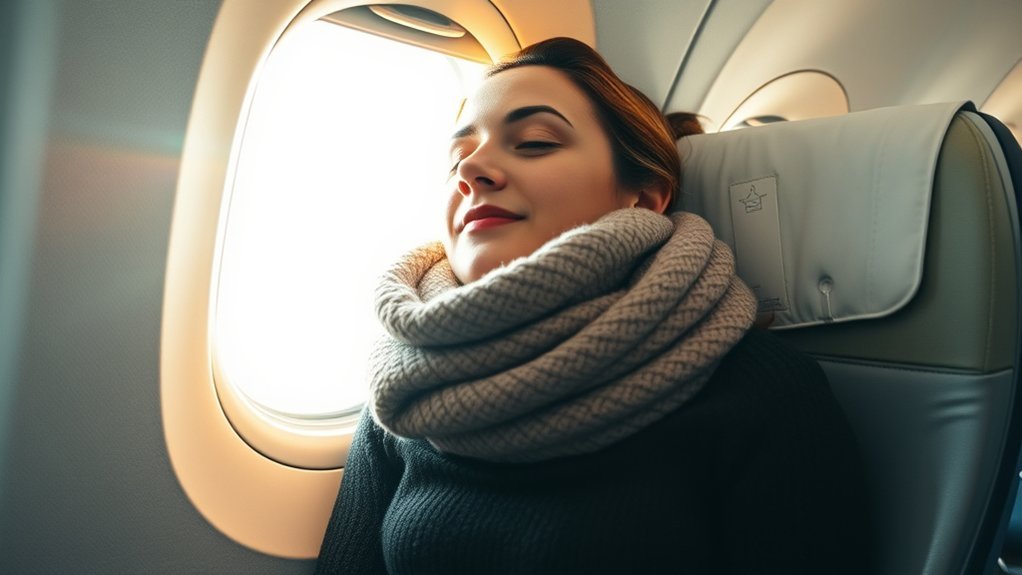
Last Updated on September 10, 2026 by Daniel Globe
A soft hoodie, T-shirt, sweater, or scarf can become a useful travel pillow when you need support but do not want to pack a separate cushion. The key is to build an even, adjustable roll, keep hard parts away from your skin, and position it so your head stays comfortable without being pushed too far forward.
Quick Answer
To use clothes as a travel pillow, roll one or two clean, soft garments into an even bundle, wrap or tuck the bundle inside a hoodie, scarf, pillowcase, or soft packing cube, and adjust the thickness until your head feels supported without being forced forward or sharply to one side.
Key Takeaways
- Choose clean, soft clothing without bulky buttons, zippers, cords, or decorations.
- Build support in thin layers so you can change the height and firmness.
- Keep the bundle low enough that it does not push your chin toward your chest.
- Never tie a belt, scarf, sleeve, or cord tightly around your neck.
- Keep your seat belt fastened while seated and follow the crew’s instructions.
At a Glance
| Time Required | About 2 to 5 minutes |
| Difficulty | Easy |
| Tools Needed | One or two soft garments; optional hoodie, scarf, pillowcase, or soft packing cube |
| Cost | $0 when you use clothing already packed |
Disclosure: As an Amazon Associate I earn from qualifying purchases. Some links on this page are affiliate links, at no extra cost to you.
The Benefits of Using Clothing as a Travel Pillow Hack
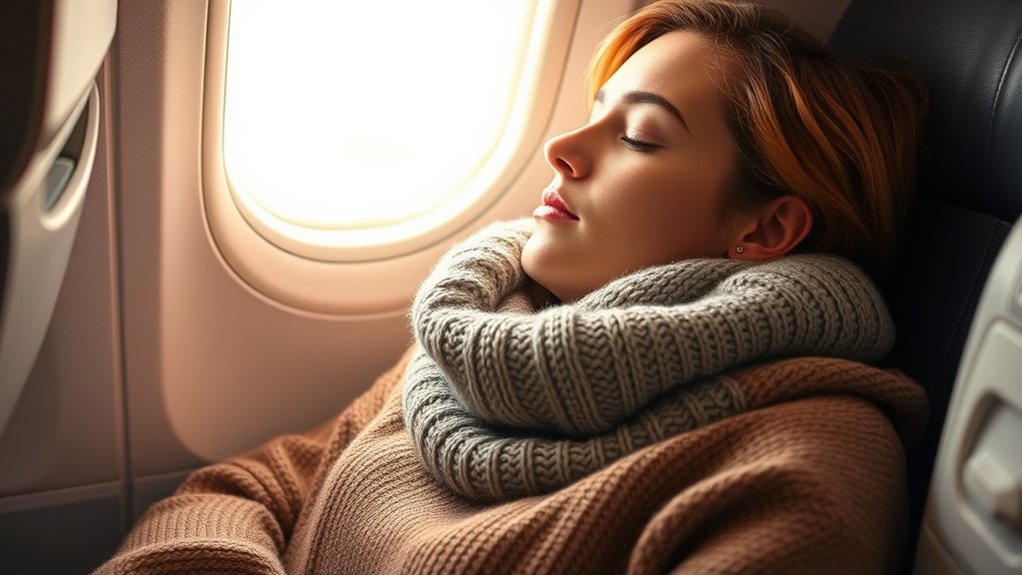
A clothing travel pillow uses items already in your bag, so it can reduce the number of separate accessories you carry. It is also adjustable: you can add or remove a shirt until the bundle feels right for your seat, body size, and preferred sleeping direction.
The goal is not to create the firmest possible roll. It is to support your head without forcing your neck into an awkward angle. Research on neck-support pillows suggests that comfort depends on shape, height, softness, and support rather than one material working for everyone. A pillow that is too high can be uncomfortable, while a soft, washable design with useful neck support may feel better for some people. A comparative neck-pillow study indexed by PubMed supports this more balanced approach.
The best clothing pillow is not the biggest one. It is the smallest bundle that comfortably limits unwanted head movement.
How to Prepare Your Clothing for Packing
Start with clean, dry clothing that you can comfortably place near your face. Pick garments that are soft on the outside and easy to reshape. Cotton T-shirts, jersey tops, fleece layers, hoodies, lightweight sweaters, and soft moisture-wicking tops usually work better than stiff denim or tailored jackets.
- Empty every pocket: Remove keys, coins, earbuds, pens, and other hard items.
- Check the hardware: Turn zippers, snaps, buttons, drawstring ends, and buckles away from your head and neck.
- Choose an outer cover: A hood, clean scarf, pillowcase, or soft-sided packing cube can hold loose clothing together.
- Keep delicate items separate: Avoid crushing structured jackets, embellished clothing, or fragile knits that may stretch or crease.
- Follow each care label: Washing temperature and drying method depend on the garment, so do not assume cold washing and air drying suit every item. The Federal Trade Commission’s care-label guidance explains why garment-specific instructions matter.
Note: Rolling can make clothing easier to shape into a cylinder, but it does not guarantee fewer wrinkles or a lighter bag. Compression changes volume, not the weight of the clothing.
Best Clothing for Travel Pillow Hacks
The best garment is one that feels smooth, contains no hard objects, and can hold an even shape. Use several thin layers when possible. Thin layers are easier to adjust than one bulky coat.
Soft Fabrics for Comfort
Fabric choice affects feel, warmth, grip, and how easily the bundle holds its shape. No fabric guarantees perfect support, so test the finished roll before trying to sleep.
| Fabric or Garment | Why It Can Work | Watch For |
|---|---|---|
| Cotton T-shirt | Soft, easy to roll, and simple to add in layers | A single thin shirt may not provide enough support |
| Fleece or sweatshirt | Adds loft and warmth | May feel hot in a warm cabin |
| Jersey knit | Stretchy and easy to mold | Can loosen unless wrapped securely |
| Merino, cashmere, or soft wool layer | Soft and warm when the fabric agrees with your skin | May itch, stretch, or require delicate care; avoid tight compression |
| Microfiber scarf or wrap | Useful as a smooth outer cover | Do not wrap or tie it tightly around your neck |
Layering for Support
Layering lets you control height and firmness. Begin with one tightly rolled T-shirt. Add a second shirt or a thin sweater only if your head still drops too far. Wrap the bundle in a hoodie body, hood, scarf, or pillowcase so the layers do not separate.
Place softer fabric on the outside and firmer folds in the center. Spread seams evenly rather than stacking them in one spot. If you feel a ridge, zipper, or knot, open the bundle and rebuild it instead of trying to tolerate the pressure point.
Versatile Clothing Options
A hoodie is one of the easiest options because the hood can act as a built-in pouch. A scarf can wrap an already finished bundle, while a sweater can add thickness. A tailored jacket is less suitable because buttons, zippers, lapels, and stiff seams may press against your skin or create an uneven shape.
A soft packing cube can hold rolled garments and work as a small lumbar or side cushion. However, a rigid, overfilled, or sharp-edged cube may be uncomfortable behind your neck. Avoid using vacuum-sealed plastic directly against your face or neck because it can be slippery, noisy, and difficult to shape.
Techniques for Rolling and Folding Clothes Into a Travel Pillow
You can make a clothing pillow by rolling, folding, or combining both methods. Build the pillow before boarding when possible, then test it in a chair. A short trial makes it easier to find and remove pressure points.
Efficient Rolling Techniques
- Lay the garment flat. Smooth out thick seams and empty the pockets.
- Fold the sides inward. Create a long rectangle with an even width.
- Roll from the bottom. Keep the roll snug but not rock-hard.
- Contain the bundle. Tuck it into a hood or pillowcase, or wrap it in a clean scarf.
- Test the height. Place it behind or beside your neck and remove a layer if it pushes your head forward.
Pro Tip: Build a slightly softer center and fuller sides if your head tends to fall sideways. For forward head drop, place support under the chin only if it remains loose, breathable, and easy to remove.
Folding Methods Explained
Folding works well when you need a flatter cushion for a window, headrest, or lower back.
- Square stack: Fold two or three shirts into similar rectangles, stack them evenly, and place them inside a pillowcase or soft bag.
- Hoodie pouch: Fold the sleeves across the body, roll or fold the hoodie from the hem toward the hood, and tuck the bundle inside the hood.
- Wrapped bundle: Fold a sweater into a compact rectangle, place a rolled T-shirt in the center, and wrap the sweater around it.
- Soft packing-cube cushion: Fill a fabric packing cube evenly with lightweight clothing, close it fully, and use it for side or lower-back support rather than forcing it behind your neck.
Combining Layers for Comfort
Use a soft garment as the outer layer and one or two smaller rolls as the core. Keep the thickness even from left to right. If you need more support on one side, move a small folded shirt toward that side instead of making the whole pillow larger.
You may secure the bundle with hoodie sleeves, a scarf, or a belt before placing it near your body. Keep every knot or buckle away from your skin. A belt should go around the clothing bundle only, never around your neck.
Warning: Never tighten a scarf, belt, drawstring, sleeve, or cord around your neck. The pillow should stay in place through its shape or a loose outer cover, and you should be able to remove it immediately.
How to Check the Fit and Neck Position
Once the pillow is built, sit as you will during the trip and check four points:
- Head position: Your head should not be pushed sharply forward, backward, or sideways.
- Chin position: Your chin should not be forced down toward your chest.
- Pressure points: You should not feel buttons, seams, zippers, buckles, or tight knots.
- Breathing and movement: You should be able to breathe, turn your head, hear instructions, and remove the pillow easily.
There is no single correct thickness for everyone. Seat shape, shoulder width, body height, and sleeping direction all change the amount of support you need. Rebuild the bundle if your neck begins to ache, your arm becomes numb, or the pillow makes you feel trapped.
Safety, Hygiene, and Airline Rules
Use clean, dry garments and avoid placing worn socks, damp clothes, or heavily soiled items near your face. After the trip, wash or clean each garment according to its care label.
On an airplane, keep the pillow clear of the seat belt, aisle, tray-table latch, and emergency equipment. The Federal Aviation Administration advises passengers to keep their seat belts fastened while seated and to follow crew instructions. Unexpected turbulence can occur even when the seat-belt sign is off, so a pillow should never prevent you from wearing the belt low and tight across your hips.
Do not assume that wearing or carrying a clothing-filled pillow changes your baggage allowance. The U.S. Department of Transportation recommends checking each airline’s size, weight, and piece limits. Policies can differ by airline, fare, aircraft, and route.
Maximizing Comfort During Your Journey
A clothing pillow is only one part of staying comfortable. Adjust your seat when permitted, keep your lower back supported, and change position instead of remaining still for the entire trip.
- Use the headrest first: If the seat has adjustable wings, use them with a thinner clothing roll rather than building an oversized pillow.
- Support the direction you lean: Window-seat travelers may prefer a flat folded cushion at the side. Middle- and aisle-seat travelers may need more balanced side support.
- Move regularly: On trips longer than four hours, the CDC advises moving your legs frequently and taking breaks to stretch when possible. Follow crew instructions before standing on an aircraft.
- Keep essentials reachable: Store water, medication, and small items where you can reach them without dismantling the pillow or blocking the aisle.
- Stop if it hurts: A makeshift pillow should improve comfort, not create pain, tingling, numbness, dizziness, or breathing difficulty.
Common Mistakes When Using Clothes as a Pillow
- Overstuffing: A very thick bundle can push your head forward and strain your neck.
- Uneven rolling: Lumps and stacked seams create pressure points.
- Using hard clothing: Jeans, structured jackets, large zippers, and heavy buttons can feel uncomfortable.
- Making a tight neck loop: Scarves, sleeves, belts, and cords should never constrict the neck.
- Using damp or dirty clothing: This can feel unpleasant and may irritate skin.
- Relying on plastic compression bags: They can slide, trap heat, and form sharp edges.
- Ignoring airline instructions: Your pillow must not interfere with the seat belt, aisle, or required seating position.
- Assuming it prevents neck pain: It may improve comfort, but it is not a treatment for an injury or persistent pain.
Additional Uses for Your Travel Pillow Hack
The same bundle can serve other purposes when neck support is not needed:
- Lower-back support: Place a small, even roll behind the natural curve of your lower back.
- Side cushion: Use a flat folded bundle between your shoulder and a wall or window, while keeping clear of controls and emergency equipment.
- Arm support: Rest your forearm on a soft bundle without blocking a shared armrest or aisle.
- Seat cushion on a hard bench: Use a folded sweater or soft packing cube for brief rests.
- Protection for fragile items after travel: Reuse the clothing as padding inside your luggage, while keeping valuables and breakables packed appropriately.
When a Clothing Pillow Is Not Enough
A makeshift pillow is a comfort aid, not medical treatment. Stop using it if it worsens pain or causes numbness, weakness, tingling, dizziness, headache, or breathing trouble. Seek medical advice for persistent or severe neck pain, pain after an injury, or symptoms that spread into an arm.
Travelers with a recent neck injury, cervical spine condition, breathing disorder, or other medical concern should ask a qualified clinician what support is appropriate. A commercial travel pillow may also be a better choice when you need a consistent shape, washable cover, or more reliable side support.
Frequently Asked Questions
Can any type of clothing be used as a travel pillow?
Many soft garments can work, but avoid stiff denim, wet clothing, structured jackets, and items with hard buttons, decorations, or bulky zippers. A T-shirt, hoodie, sweatshirt, soft sweater, or scarf is usually easier to shape.
How do I clean clothes used for travel pillow support?
Follow the care label on each garment. Do not use one washing temperature or drying method for every fabric. Make sure the clothing is fully dry before rebuilding the pillow.
Which fabrics work best for a clothing travel pillow?
Soft cotton, jersey, fleece, lightweight sweaters, and smooth bamboo-derived fabrics can be practical because they are easy to roll and adjust. Cashmere may feel soft but can stretch or crease, so use it gently. The best choice depends on your skin sensitivity, cabin temperature, and the garment’s seams and hardware.
Will using clothing as a pillow affect its shape?
Temporary rolling may leave creases, especially in delicate, structured, or wrinkle-prone garments. Avoid overcompressing valuable clothing, and unfold or hang the items after the trip.
Can I use a bag, scarf, or belt for extra support?
A soft bag or scarf can contain the clothing bundle. A belt may secure the bundle before use, but the buckle must face away from your body. Never tighten a belt, scarf, cord, or sleeve around your neck.
Can I wear a clothing pillow while my airplane seat belt is fastened?
Yes, only when the pillow does not cover, loosen, or interfere with the belt. Keep the belt low and tight across your hips, keep the aisle clear, and follow all crew instructions.
Does a clothing-filled travel pillow count as carry-on baggage?
Airline policies vary. Do not assume a pillow or wearable bundle is exempt from baggage limits. Check the operating airline’s current rules for the size, weight, and number of cabin items before traveling.
Sources
- Federal Aviation Administration: Passenger Safety Tips — seat-belt use, crew instructions, and carry-on safety.
- Federal Aviation Administration: Turbulence Safety — why passengers should remain buckled while seated.
- Centers for Disease Control and Prevention: Blood Clots and Travel — movement guidance for long-distance trips.
- PubMed: Neck Support Pillows, a Comparative Study — pillow height, softness, support, and washability.
- Federal Trade Commission: Clothing Care Labels — following garment-specific cleaning instructions.
- U.S. Department of Transportation: Fly Rights — checking airline-specific carry-on limits.
Conclusion
Seated sleep can be uncomfortable for many travelers, and using clothing as a travel pillow can be a simple way to add adjustable support without packing another bulky item. Choose soft, clean garments, build the bundle in thin layers, keep hard parts away from your skin, and test the height before sleeping. Most importantly, keep the pillow loose, removable, and clear of your seat belt and surrounding space.
