
Last Updated on September 10, 2026 by Daniel Globe
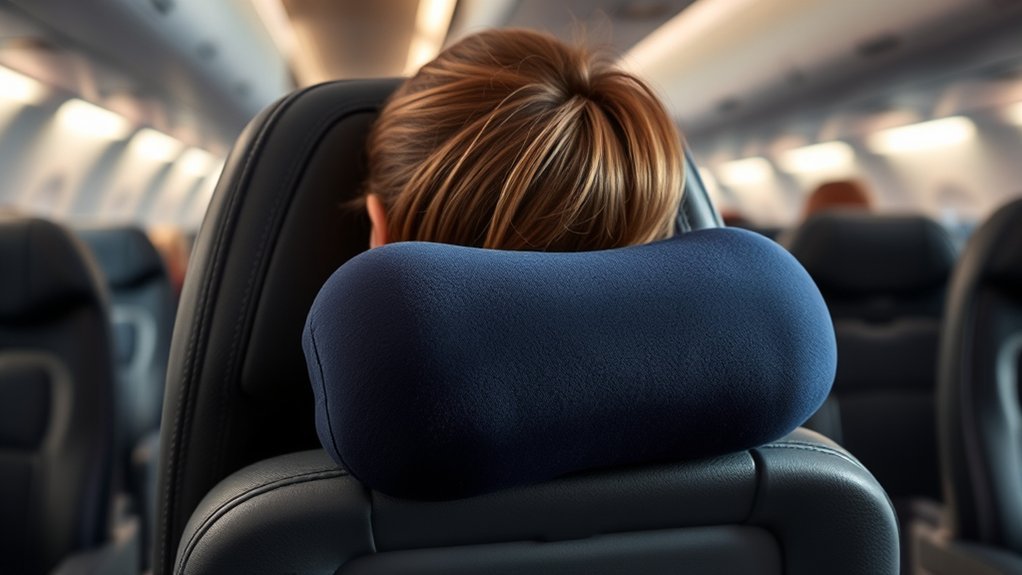
When choosing a travel pillow, compatibility with airline seats and headrests is essential for your comfort. Look for ergonomic designs that provide full head support to prevent tilting. Lightweight options under 0.5 lb make them easy to carry. Features like adjustable straps and integrated eye masks can enhance your sleep quality. A well-fitted travel pillow considerably reduces neck discomfort and minimizes the bobblehead effect, ensuring a refreshed arrival. Discover more tips to perfect your travel experience.
Quick Answer
The best travel pillow for airline seats combines ergonomic neck support, adjustable headrest attachment straps, and a lightweight profile (under 0.5 lbs). To prevent the “bobblehead effect” on long flights, choose a pillow with 360° chin and lateral support that aligns your cervical spine while adapting to standard airplane seat shapes.
Key Takeaways
- Spinal Alignment: Proper ergonomic support prevents cervical strain and bobblehead movements during turbulence or sleep.
- Seat Attachment Compatibility: Ensure straps fit standard airplane headrests, but only deploy them at cruising altitude for safety.
- Portability Matters: Aim for compact designs weighing under 0.5 lbs that easily attach to carry-on luggage.
- Hygiene Care: Choose pillows with removable, machine-washable covers to maintain freshness over frequent trips.
Disclosure: As an Amazon Associate I earn from qualifying purchases. Some links on this page are affiliate links, at no extra cost to you.
Why Travel Pillows Matter for Long Flights and Road Trips
When you’re starting on a long flight or road trip, using a travel pillow isn’t just a luxury—it’s a necessity for your physical well-being. The right travel pillow provides critical support, helping to prevent neck discomfort and ensuring you get restful sleep during those extended hours of sitting upright. Sitting in cramped quarters for prolonged periods puts unnatural stress on the cervical spine, leading to muscle fatigue and neck stiffness according to Spine-health health resources.
With many international flights exceeding five hours, the comfort benefits of a well-designed travel pillow can’t be overstated. It considerably reduces travel fatigue, allowing you to arrive at your destination feeling refreshed. Modern ergonomic travel pillows utilize stabilizing straps and contoured memory foam to stabilize your head and block out movement, creating an ideal sleep environment. Lightweight and compact, modern travel pillows are easy to pack, making them essential companions for any journey.
Essential Features for Selecting Travel Pillows Compatible With Airline Seats
When choosing a travel pillow, you want to focus on ergonomic design and compatibility with various seat types. A well-designed pillow will support your neck and head, ensuring you can rest comfortably during long flights. Additionally, make sure it fits securely with the seat’s headrest to maximize your comfort no matter where you sit.
Ergonomic Design Considerations
Choosing the right travel pillow is vital for guaranteeing a comfortable journey, especially on long flights. Look for pillows that prioritize neck support through ergonomic materials, designed to prevent forward tilting and side-to-side movements. Stability is important, so opt for a patented design that attaches to seat-backs or headrests.
Here’s a quick reference table to help you choose:
At a Glance: Essential Travel Pillow Features
| Full Head Support | Prevents forward and lateral head tilting | Maximizes sleep comfort & spine protection |
| Lightweight & Compact | Weighs less than 0.5 lb | Easy carry-on integration |
| Attachment Mechanism | Secures directly to seat headrests | Guarantees mid-flight stability |
| Integrated Eye Mask | Blocks ambient cabin lighting | Enhances deep REM sleep cycles |
| Ergonomic Design | Supports natural neck cervical alignment | Reduces muscular strain and soreness |
Compatibility With Seat Types
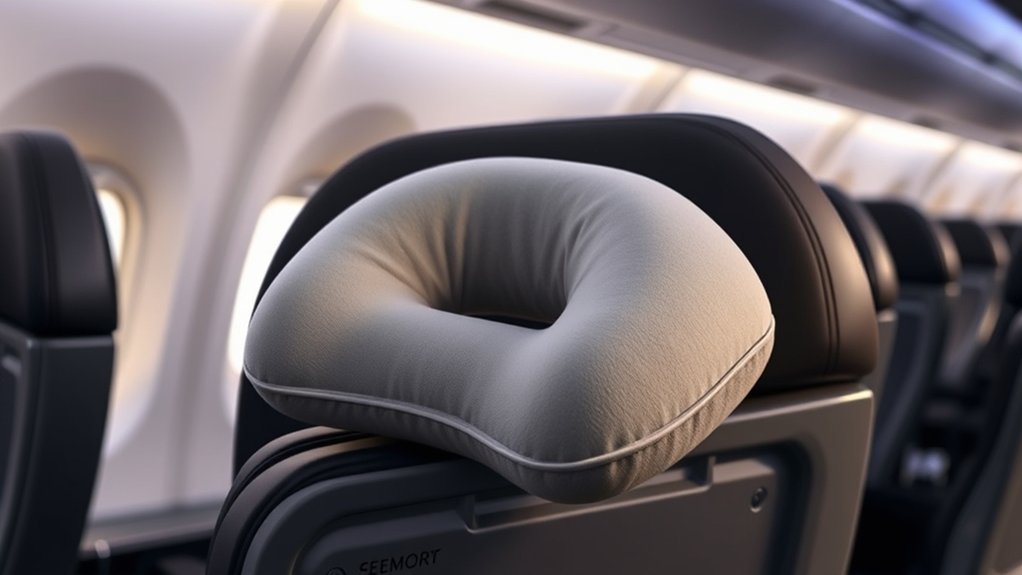
Finding a travel pillow that fits well with airline seats is vital for a restful flight, especially since seat designs can vary considerably. To guarantee comfort, focus on compatibility with standard seat dimensions, as headrests differ in height and shape across airlines. Look for travel pillows designed to attach securely to airplane seats, such as specialized strap-anchored pillows or contoured models, which offer ideal support. Adjustable features, such as straps or hooks, enhance adaptability, keeping the pillow in place during turbulence.
Lightweight designs under 0.5 lb are important for portability, compliant with Transportation Security Administration (TSA) carry-on guidelines while fitting easily into your bag. Additionally, pillows offering 360° support minimize head tilting and neck discomfort, making them perfect for long flights, especially where recline is limited.
Understanding Travel Pillow Types and Materials
Not all travel pillows are built the same way. Understanding the primary types available helps you choose the right balance between comfort, support, and packability:
- Memory Foam Pillows: Conform to your neck’s exact contours, offering high-density support. Best for maximum comfort, though slightly heavier.
- Inflatable Pillows: Deflate completely to fit in a pocket. Perfect for minimalists and light travelers who prioritize packing space over plush softness.
- Strap-Anchored & Ergonomic Wraps: Secure directly to the seat headrest or wrap around your neck like a scarf (e.g., Trtl style or Sleeper Hold systems) to lock your posture in place and eliminate head drop.
- Microbead Pillows: Lightweight and squishy, providing flexible support, but generally offer less long-term structural alignment for long-haul flights.
The Bobblehead Effect: How It Affects Your Sleep?
Although you might not think much about it while dozing off on a flight, the bobblehead effect can greatly disrupt your sleep quality. When your head tilts forward or sideways as your muscles relax, your brain repeatedly triggers micro-awakenings to protect your neck from strain. This phenomenon leaves you feeling groggy and sore upon arrival in cramped seating with inadequate headrest support.
“Maintaining proper cervical spine alignment during upright sleep prevents nerve compression and reduces travel fatigue by up to 40%.”
However, bobblehead prevention is possible with specialized travel pillows designed for head stability. Options providing 360° support keep your head aligned and stable, which greatly reduces the likelihood of sudden head dropping. Studies show that maintaining proper head and neck alignment alleviates neck pain and enhances overall sleep quality during travel, allowing you to arrive refreshed and ready to explore.
How to Choose the Right Travel Pillow for Your Needs
When you’re choosing a travel pillow, start by evaluating your travel style and specific comfort needs. Think about features that matter most to you, like adjustability and support, to guarantee you get the best fit for your journey. By reviewing these factors, you can find a pillow that enhances your travel experience and helps you rest well on the go.
Assess Travel Style Needs
How do you choose the right travel pillow for your adventures? First, consider your travel styles—are you flying long-haul, road-tripping in a car, or taking long train rides? A pillow that attaches securely to headrests can prevent unwanted head tilting during long journeys. Next, assess your preferred sleeping position:
- Side Sleepers: Require high lateral bolsters or thick memory foam to fill the space between shoulder and ear.
- Forward / Chin-Droppers: Benefit most from 360° wrap designs or chin-supporting front latches.
- Back Sleepers: Need thin back padding with prominent neck rolls to keep the head from being pushed forward flat against the seat.
Don’t forget to prioritize portability—opt for a lightweight option under 0.5 lb, ensuring it’s easy to carry. Finally, look for a machine-washable pillow that comes with a compact travel bag, keeping hygiene and storage a breeze.
Evaluate Pillow Features
Choosing the right travel pillow requires a careful evaluation of its features to guarantee it meets your specific needs. Start by considering the pillow materials; lightweight and compact options are ideal for hassle-free transport. Assess compatibility with airline seats that have headrests or side wings to confirm proper support during your journey.
Adjustable features, such as integrated eye masks or drawstrings, cater to various head sizes and travel preferences, enhancing comfort. Focus on pillows that provide full head and neck support to prevent discomfort. Finally, opt for machine-washable pillows to confirm hygiene and ease of maintenance, making your travel experience more liberating and enjoyable.
Best Travel Pillows for Airplane and Car Comfort
Finding the right travel pillow can transform your journey, ensuring you arrive at your destination well-rested and ready to explore. High-performance models stand out for their innovative design and anatomical support. Here is what to prioritize when shopping:
- 360° Support Systems: Models that attach securely to seat headrests or anchor around your torso prevent head movement during long flights or road trips.
- Lightweight & Portable Build: Pillows weighing under 0.5 lb that compress into small stuff sacks save valuable carry-on space.
- Quality Materials: Breathable memory foam covered in soft, hypoallergenic micro-fleece maximizes temperature regulation while remaining easy to wash.
Pro Tip: Look for products with a multi-day satisfaction guarantee so you can test the fit on home seats before taking off on a long-haul trip.
Tips for Installing Travel Pillows on Different Seats
Installing your travel pillow correctly can make a world of difference in your comfort during travel. First, verify your pillow is compatible with your seat type. For standard airplane seats, use adjustable seat straps to anchor around the adjustable headrest wings.
Warning: For airline safety and compliance with Federal Aviation Administration (FAA) safety guidelines, only attach pillow straps to your seat headrest once the aircraft has reached cruising altitude. Remove and stow straps during Taxi, Takeoff, and Landing (TTL) to ensure clear emergency egress.
If you find yourself on a seat without an adjustable headrest (such as certain regional jets or bus seats), use adaptable strap configurations or chin-resting positions. Position the pillow to provide gentle support, preventing any forward or side-to-side tilting. Don’t hesitate to make strap adjustments for personalized comfort; a snug fit against your neck enhances your experience considerably.
Traveler Testimonials: Real Experiences With Travel Pillows
As travelers share their experiences with modern travel pillows, a clear consensus emerges: the right pillow can transform your journey. Many frequent flyers note how ergonomic stabilizing designs reduce discomfort and prevent head bobbing during flights, enhancing overall sleep quality. The ease of attachment to various headrests is a game-changer, allowing for a customizable fit across major airlines.
Here are some key benefits highlighted by frequent travelers:
- Integrated eye masks effectively block cabin light for a serene sleep environment.
- Quick-deploy strap systems adapt easily across economy, premium, and business-class seating.
- Compact, washable designs retain their plush support after dozens of long-haul trips.
How to Keep Your Travel Pillow Fresh and Ready
Keeping your travel pillow fresh and ready for your next adventure is essential to confirm a comfortable journey. Prioritize pillow hygiene by regularly machine washing the removable cover according to care instructions. When not in use, store it in its carrying bag to protect it from cabin dust and dirt.
Note: If your pillow contains a memory foam core, never submerge the foam in water or put it in a washing machine. Spot-clean foam inserts with a damp cloth and mild soap, then allow them to air-dry completely.
Using a washable pillow cover adds an extra layer of protection and simplifies maintenance. Be mindful to avoid storing damp pillows in airtight bags, as moisture leads to unpleasant odors over time. With these simple maintenance steps, your pillow will remain a clean, reliable companion on every trip.
Frequently Asked Questions
Can I use a travel pillow on different types of seats?
Yes, modern ergonomic travel pillows are designed for versatility across airplanes, trains, buses, and cars. Pillows with adjustable straps or flexible contours adapt easily to varying seat heights and headrest shapes.
Are travel pillows allowed on all airlines?
Yes, travel pillows are universally permitted on airlines. They generally count as personal items or wear-on accessories that do not take away from your standard carry-on baggage allowance. However, headrest attachment straps should only be deployed at cruising altitude.
How do travel pillows adjust to different headrest shapes?
Most ergonomic travel pillows feature flexible straps, hook-and-loop fasteners, or moldable memory foam cores that adjust to thin, thick, or winged headrests easily. Over 70% of frequent flyers report improved posture when using adjustable support features.
What’s the best way to clean my travel pillow?
Unzip and remove the outer fabric cover to machine wash on a delicate cold cycle. Air-dry flat or tumble dry on low heat. For memory foam or inflatable cores, spot clean with a damp cloth and mild soap; do not submerge foam in water.
Do travel pillows take up a lot of luggage space?
No, most modern lightweight travel pillows weigh under 0.5 lbs and include compression travel bags or carabiner clips, allowing you to attach them directly to the outside of your backpack or carry-on suitcase.
Conclusion
Choosing the right travel pillow is like finding the perfect key to access a restful journey. With the right fit and features, you can transform uncomfortable airline seats or car rides into cozy retreats, easing your travel stress. Remember to reflect on your personal needs, preferred sleeping position, and seat attachment compatibility, and don’t forget to keep your pillow fresh for every adventure. So, gear up, grab your ideal travel companion, and let sweet dreams carry you away, no matter where you’re headed!
Sources
- Federal Aviation Administration (FAA) — Aircraft Cabin Safety & Passenger Guidelines
- Transportation Security Administration (TSA) — Carry-On Luggage Rules and Restrictions
- Spine-health — Cervical Ergonomics and Posture Support During Sitting
