
Last Updated on July 24, 2026 by Caleb Warren
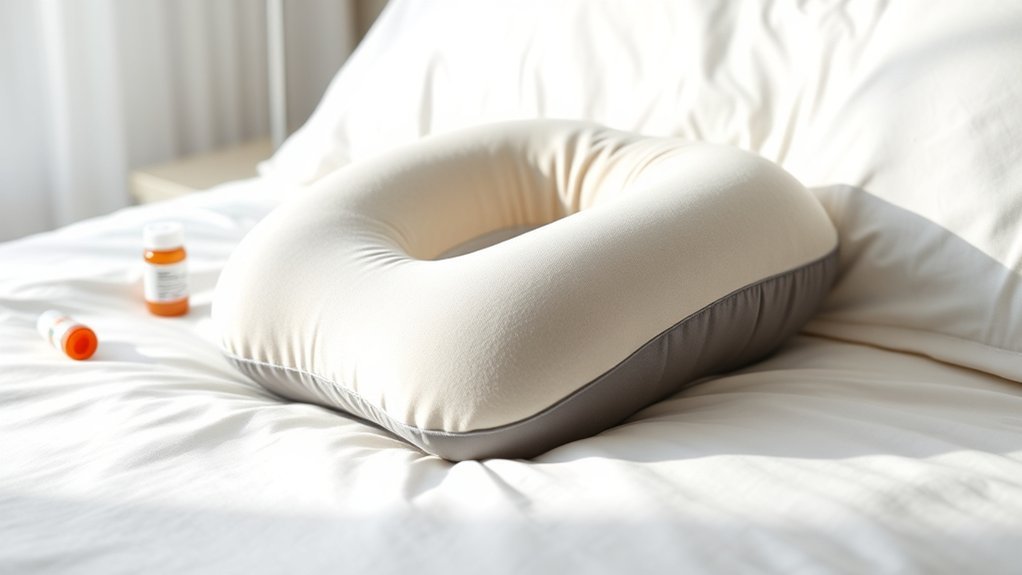
Travel pillows can harbor microscopic allergens like dust mites, fungal mold spores, and pet dander, triggering acute asthma and allergy flare-ups during transit. Opting for hypoallergenic travel pillows helps minimize this exposure, protecting your respiratory airway and promoting restorative sleep while traveling. When selecting a pillow, prioritize non-porous core materials like solid memory foam or natural latex, and guarantee the pillow features a removable, washable cover. Combining a clean travel pillow with proactive environmental controls—such as portable HEPA air purifiers and direct hotel staff communication—ensures a symptom-free trip. Below is everything you need to know about selecting, maintaining, and managing hypoallergenic bedding on the go.
Quick Answer
Hypoallergenic travel pillows protect travelers by using dense synthetic cores (like solid memory foam or latex) that resist dust mite colonization, mold growth, and dander accumulation. Paired with a zippered cover engineered with a pore size under 6 microns and washed regularly at 130°F (57°C), these pillows create an impenetrable physical barrier against common environmental asthma triggers.
Key Takeaways
- Core Material Selection: Solid viscoelastic memory foam and natural latex inherently resist dust mites far better than feather, down, or loose poly-fill.
- Micron Barrier Science: Encasements require a weave tightness of less than 6 microns to physically block microscopic dust mite feces and pet dander.
- Thermal Sanitation: Washing removable covers in hot water at minimum 130°F (57°C) is required to neutralize dust mites and denature protein allergens.
- Third-Party Verification: Look for CertiPUR-US (low VOC off-gassing) and OEKO-TEX Standard 100 (non-toxic textile) certifications.
At a Glance
| Target Allergens | Dust mites (Der p 1), mold spores, pet dander, chemical VOCs |
| Key Material Standards | CertiPUR-US (foam emissions), OEKO-TEX Standard 100 (textile testing) |
| Sanitation Requirement | Hot water cover wash at 130°F (57°C) every 1–2 weeks |
| Encasement Specification | Tight micro-porous weave (< 6 microns pore size) with full zipper lock |
Disclosure: As an Amazon Associate I earn from qualifying purchases. Some links on this page are affiliate links, at no extra cost to you.
Why Allergens in Travel Pillows Matter for Your Health
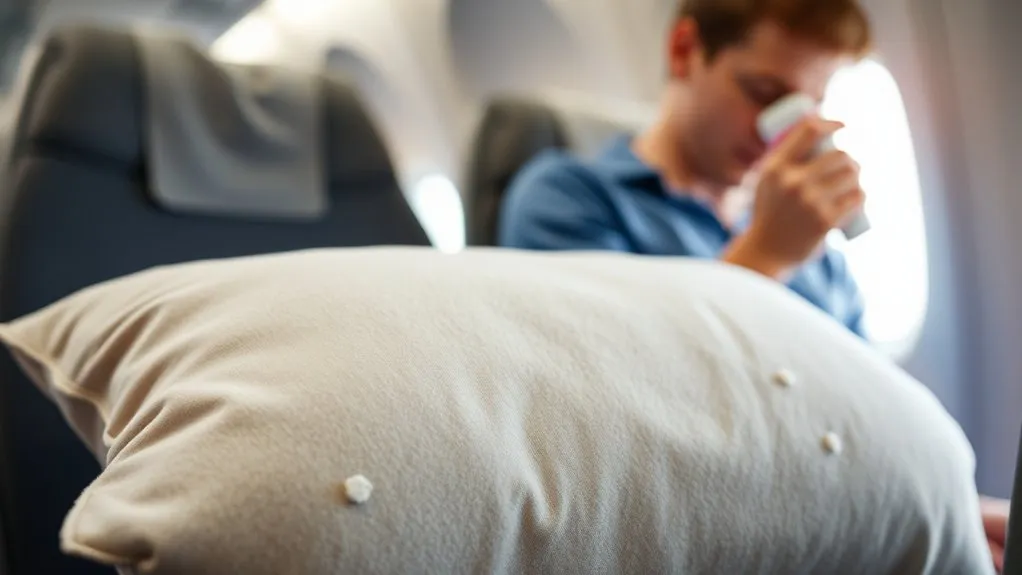
When traveling, exposure to environmental allergens can disrupt upper respiratory function, causing allergic rhinitis, nasal congestion, or severe asthma attacks. Standard hotel or transit pillows frequently harbor microscopic dust mites (Dermatophagoides pteronyssinus), fungal mold spores, and lingering pet dander. In humid environments like airplane cabins, cruise ships, or tropical destinations, ambient moisture trapped inside porous pillow fibers creates an ideal breeding ground for microbial growth.
For individuals with reactive airway conditions, selecting a purpose-built hypoallergenic pillow is a vital health defense. Materials like solid molded memory foam or high-density latex lack the open internal air pockets that allow dust mites to colonize. Combining an allergen-resistant pillow core with a tightly woven, zippered protector drastically reduces allergen inhalation, ensuring clean air delivery while resting in transit.
Medical Warning: Hypoallergenic pillows reduce localized environmental triggers, but they do not replace prescribed medical therapies. Travelers with allergic asthma should always carry rescue inhalers and preventive medications in their carry-on luggage.
Benefits of Hypoallergenic Travel Pillows for Allergy Management
Investing in a high-performance hypoallergenic travel pillow reduces continuous allergen exposure during transit and hotel stays. By blocking microscopic triggers before they reach your nasal passages, you can protect your sleep cycle and reduce daytime fatigue.
Reduces Allergen Exposure
Hypoallergenic travel pillows utilize dense, non-nested materials that prevent dust mites, mold spores, and dander from embedding within the core structure. Traditional down or loose feather pillows trap dead skin cells and ambient moisture, accelerating dust mite multiplication. Synthetic micro-polyester and viscoelastic foams create an inhospitable barrier to pest infestation.
| Feature | Hypoallergenic Travel Pillows | Traditional Down / Fiber Pillows |
|---|---|---|
| Allergen Resistance | High (Dense structure blocks mites) | Low (Traps moisture & skin flakes) |
| Washable Outer Cover | Yes (Removable zippers standard) | Rarely (Requires spot cleaning) |
| Core Fill Chemistry | Viscoelastic foam, solid latex, low-VOC poly | Natural feathers, uncertified clusters |
Enhances Sleep Quality
Allergic reactions during sleep cause nocturnal airway resistance, leading to snoring, mouth breathing, frequent awakenings, and compromised REM cycles. According to the American College of Allergy, Asthma & Immunology (ACAAI), controlling bedroom dust mite levels significantly improves objective sleep efficiency measures.
Hypoallergenic travel pillows maintain structural integrity while utilizing breathable, moisture-wicking covers like bamboo-derived rayon or organic cotton. Regulating surface temperature and humidity prevents the localized perspiration that triggers dust mite activity and mold colonization, keeping your breathing passages clear throughout the night.
Easy to Clean
Hygiene maintenance is a critical component of travel allergy control. Quality hypoallergenic pillows feature removable, machine-washable outer covers fitted with heavy-duty hidden zippers. Washing these outer covers after every trip eliminates surface dust accumulated during flight layovers or hotel handling.
Pro Tip: To kill dust mites and neutralize their protein allergens, wash pillow encasements in hot water reaching at least 130°F (57°C). If washing in cooler water, dry the cover on high heat for a minimum of 20 minutes.
How to Choose Hypoallergenic Travel Pillows?
Selecting the right hypoallergenic travel pillow requires assessing the internal fill material, cover weave density, and chemical safety certifications. The table below details what features to prioritize when evaluating options:
| Feature | Clinical & Ergonomic Benefits | Verification Considerations |
|---|---|---|
| Solid Memory Foam / Latex Core | Inhospitable to dust mites; provides cervical spine support | Check for CertiPUR-US certification to avoid off-gassing VOCs |
| Micro-Porous Encasements | Physically traps particles smaller than 6 microns | Verify zipper closure features an internal protective flap |
| Antimicrobial Shielding | Prevents bacterial odor buildup and fungal colonization | Ensure treatments are non-toxic (e.g., OEKO-TEX Standard 100) |
| Fully Sealed Seams | Prevents migration of pet dander into internal core pores | Inspect double-stitched or bound interior seam edges |
Must-Have Accessories to Enhance Allergy Management While Traveling
Managing travel allergies effectively requires a layered approach. Combining a dedicated travel pillow with specialized protective barriers and air purification equipment shields your respiratory system across all environments.
Hypoallergenic Travel Pillow Options
When selecting a hypoallergenic travel pillow, choose a shape and fill style suited to your sleeping position and packing constraints:
- Molded Viscoelastic Memory Foam: Ideal for neck-wrap support on flights; high material density prevents dust mite penetration.
- Natural Dunlop or Talalay Latex: Naturally antimicrobial and mold-resistant with high elasticity and optimal heat dissipation.
- Inflatable Cores with Washable Microfiber Sleeves: Excellent for light packing; non-porous vinyl/TPU bladders cannot harbor dust mites or dander.
Portable Air Purifiers
Hotel rooms and rental properties often suffer from stagnant HVAC circulation and accumulated carpet dust. A compact, travel-sized air purifier featuring a certified True HEPA filter (which captures 99.97% of particles down to 0.3 microns) actively removes circulating pollen, dust mite fragments, and pet dander. According to environmental health guidelines from the CDC, continuous HEPA air filtration significantly lowers indoor allergen concentrations.
Allergy-Proof Pillow Covers
If you prefer not to carry a full-sized travel pillow, packing a dedicated allergen-proof encasement offers portable protection. Slipping a certified micro-porous encasement over standard hotel pillows creates an immediate physical barrier against unknown contaminants.
Note: Feather and down pillows supplied by hotels are primary reservoirs for dust mite allergens. Always slip an allergen-proof cover over hotel bedding before use, or request synthetic, non-allergenic replacements upon arrival.
How to Talk to Hotel Staff About Your Allergy Needs?
Communicating your medical needs to hotel management before check-in prevents accidental allergen exposure. Use these guidelines when requesting lodging accommodations:
- Request Hypoallergenic Bedding: Confirm that your room will be furnished with synthetic, non-feather pillows and laundered, fragrance-free sheets.
- Inquire About Allergy-Friendly Rooms: Many modern hotels offer designated wellness rooms equipped with hard-surface flooring (avoiding wall-to-wall carpet) and dedicated HEPA air purification systems.
- Specify Unscented Cleaning Products: Ask housekeeping to avoid aerosol air fresheners, heavily fragranced room sprays, and harsh bleach chemical cleaners that trigger reactive airway inflammation.
- Request HVAC Filter Maintenance: Ask if the room’s air conditioning and heating unit filters can be inspected or cleaned prior to your arrival.
Keeping Your Travel Space Clean During Your Trip
Maintaining clean environmental surfaces prevents cross-contaminating your bedding. Implement these sanitation steps during travel:
Maintaining an isolated, clean travel zone is the most effective way to minimize allergen inhalation while sleeping on the road.
- Disinfect Contact Surfaces: Use fragrance-free disinfectant wipes on high-touch airplane controls, tray tables, hotel nightstands, and TV remotes.
- Isolate Your Pillow in Transit: Store your travel pillow in a sealed vacuum or compression bag to prevent it from gathering airborne dust in overhead bins.
- Maintain Personal Hygiene: Shower and wash your hair before bed to remove outdoor pollen and environmental dust accumulated during day trips.
Frequently Asked Questions
Can I use my home pillow while traveling for allergies?
Yes, bringing your home pillow ensures familiar comfort and known allergen resistance. However, always transport it inside a sealed, plastic protective bag to prevent it from absorbing dust mites, mold spores, or cargo contaminants during flight or vehicle travel.
Are there specific brands known for hypoallergenic travel pillows?
Yes, brands such as Tempur-Pedic, Coop Home Goods, Cabeau, and Therm-a-Rest produce specialized travel pillows made from certified low-emission memory foam and washable hypoallergenic covers engineered specifically for allergy sufferers.
How often should I replace my travel pillow?
Travel pillows should generally be replaced every 1 to 2 years. Over time, core foam materials degrade, losing structural elasticity and accumulating moisture, dead skin cells, and microscopic dust particles despite regular cover washing.
Can fabric softeners affect my travel pillow’s hypoallergenic properties?
Yes. Liquid fabric softeners and dryer sheets deposit a hydrophobic chemical film over fabric fibers. This coating reduces the breathability and moisture-wicking capacity of hypoallergenic covers and can clog micro-porous weaves designed to block dust mites.
Do travel pillows come in different firmness levels for allergy sufferers?
Yes. Hypoallergenic travel pillows are manufactured across soft, medium, and firm densities. Solid viscoelastic memory foam offers firm cervical support, while shredded adjustable memory foam or inflatable bladders allow custom loft adjustment without sacrificing allergen resistance.
Conclusion
Managing allergies and asthma during travel does not have to compromise your comfort or peace of mind. By choosing a high-density hypoallergenic travel pillow, protecting it with a certified micro-porous cover, and keeping your sleep zone clean, you can effectively block dust mites and environmental triggers wherever you go. Paired with proactive hotel communication and portable HEPA filtration, a well-maintained hypoallergenic pillow ensures restful, symptom-free sleep on every adventure.
Sources
- Asthma and Allergy Foundation of America (AAFA) — Dust Mite Allergy Management & Thermal Sanitation Guidelines
- American College of Allergy, Asthma & Immunology (ACAAI) — Indoor Environmental Control Strategies
- CertiPUR-US Standard — Polyurethane Foam Emission & Safety Testing Protocol
- Centers for Disease Control and Prevention (CDC) — Indoor Air Quality & Allergen Reduction Standard
