

Last Updated on September 11, 2026 by Daniel Globe
Nova Scotia’s main tourist season runs from June through October, when warmer weather, seasonal attractions, coastal tours, and outdoor activities are easiest to enjoy. July and August are the busiest months, while September and October suit travelers who prefer lighter crowds, cooler weather, and fall scenery. Late May can also work well, but some seasonal businesses may still be reopening.
Quick Answer
Nova Scotia’s main tourist season runs from June through October. July and August offer the warmest weather and fullest activity schedule, but also the highest demand. September often gives the best balance of comfortable weather and lighter crowds, while October is the better choice for fall color, subject to yearly conditions.
Key Takeaways
- June through October is the easiest period for road trips, outdoor attractions, coastal tours, and seasonal services.
- July and August have the warmest average temperatures, longest daylight, largest crowds, and strongest demand for rooms and rental cars.
- September offers comfortable sightseeing weather and fewer visitors, but full fall color is not guaranteed early in the month.
- October is best for autumn scenery and harvest experiences, although some attractions begin reducing hours or closing for the season.
- November through April can suit winter activities and city breaks, but road conditions and limited seasonal services require more planning.
Disclosure: As an Amazon Associate I earn from qualifying purchases. Some links on this page are affiliate links, at no extra cost to you.
When Is the Best Time to Visit Nova Scotia?
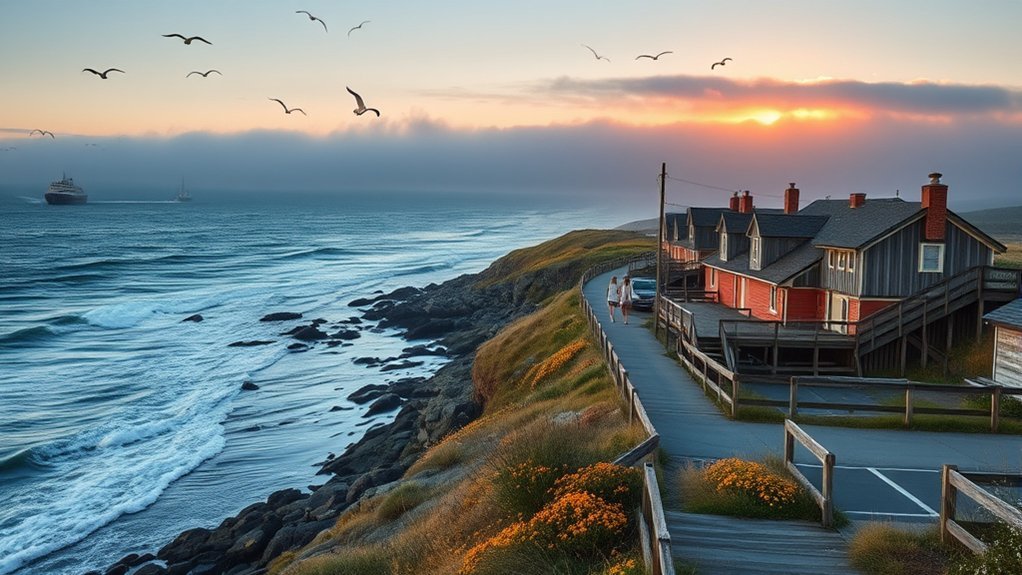
For most first-time visitors, the best time to visit Nova Scotia is from June through September. These months provide the easiest access to coastal drives, whale-watching tours, beaches, hiking trails, festivals, restaurants, and seasonal attractions. October is also rewarding if fall color matters more than warm beach weather.
Tourism Nova Scotia describes June through October as a strong period for warm-weather trips, road travel, beaches, whale watching, and attractions such as Peggy’s Cove, Lunenburg, and the Cabot Trail. May is quieter and can offer good value, but some parks, campgrounds, tours, and rural businesses may still be operating on reduced schedules.
| Travel priority | Best months | Main trade-off |
|---|---|---|
| Warm weather and beaches | July and August | Higher demand and larger crowds |
| Whale watching | June through August | Tours depend on weather and wildlife |
| Lower crowds and mild sightseeing weather | June and September | Cool evenings and changing conditions |
| Fall color and harvest activities | Late September through October | Seasonal businesses may reduce hours |
| Winter sports and quiet city breaks | January through March | Cold weather and possible road disruption |
Nova Scotia’s High Season: July and August
July and August are Nova Scotia’s busiest travel months. Beaches, coastal towns, Halifax’s waterfront, the Cabot Trail, national parks, festivals, boat tours, and outdoor dining are all active. These months also bring the strongest demand for hotels, cottages, campgrounds, rental cars, and popular tours.
Peak Weather and Peak Crowds
At Halifax Stanfield, the official 1991–2020 climate normals show an average daily high of 24.2°C, or about 76°F, in both July and August. The daily average is 19.2°C, or about 67°F. Coastal wind and fog can make shorelines feel cooler, while inland locations may feel warmer.
At Halifax Stanfield, average daily highs rise from 15.5°C in May to 24.2°C in July and August, then fall to 13.7°C in October.
Popular places such as Peggy’s Cove, Old Town Lunenburg, the Halifax waterfront, and the Skyline Trail can become busy during the middle of the day. Visit major viewpoints early in the morning or later in the afternoon, and leave extra time for parking, dining, and road traffic.
Pro Tip: Reserve your rental car before booking a rural road-trip itinerary. Public transportation is useful in Halifax and some other populated areas, but a vehicle is usually the easiest way to reach coastal communities, the Cabot Trail, Peggy’s Cove, and the Bay of Fundy.
Festival and Waterfront Season
Summer brings music, cultural events, markets, boat tours, outdoor dining, and long evenings along the Halifax waterfront and in towns across the province. Event schedules change each year, so check official calendars before building a trip around one festival.
| Experience | Why July and August work well |
|---|---|
| Music and cultural festivals | The largest selection of seasonal events |
| Halifax waterfront | Dining, entertainment, tours, and busy public spaces |
| Beaches | The warmest air and most suitable swimming conditions |
| Whale watching | Peak sightings generally occur from June through August |
Nova Scotia’s broader whale-watching season runs from late May through October, according to Tourism Nova Scotia. Tours from Digby Neck, Brier Island, Pleasant Bay, Chéticamp, and other departure points may encounter humpback, minke, fin, or pilot whales, but wildlife sightings are never guaranteed.
Best Shoulder-Season Months for Nova Scotia
May, June, September, and October can provide a better balance of weather, availability, and crowd levels. However, the experience changes quickly from one month to the next. May can still feel cool, June becomes more summer-like, September begins warmly, and October brings colder nights and shorter operating hours.
Visiting Nova Scotia in May and June
May is a quiet transition month. Halifax Stanfield’s average daily high is about 15.5°C, or 60°F, and the average low is about 4.6°C, or 40°F. June is noticeably warmer, with an average high of 20.5°C, or 69°F, and an average low of 9.8°C, or 50°F.
- Walk coastal trails and gardens as spring growth returns.
- Visit farmers’ markets and wineries as seasonal operations reopen.
- Look for lower midweek accommodation rates before peak summer demand.
- Carry a waterproof layer for fog, rain, and cool coastal wind.
- Confirm the opening date of parks, campgrounds, tours, and rural restaurants.
June is usually the safer choice for a full road trip because more seasonal services are open and daylight lasts longer. May works better for travelers who value quiet roads and do not mind adjusting plans around limited hours.
September Weather, Crowds, and Early Fall Color
September often provides one of the best combinations of comfortable weather and lighter demand. At Halifax Stanfield, the average daily high is about 20°C, or 68°F, while the average low is about 10.2°C, or 50°F.
| What September offers | Planning note |
|---|---|
| Mild daytime temperatures | Evenings can become cool quickly |
| Lower visitor numbers | Weekends can still be busy in popular areas |
| Early fall color | The strongest color often arrives later |
| Whale-watching opportunities | Tour frequency and sightings vary by port |
Early September can still feel like summer. Fall color may begin later in the month, especially inland and in Cape Breton, but timing changes with temperature, wind, rainfall, and location. Do not assume that a September trip will include full autumn color.
October Weather, Fall Color, and Seasonal Rates
October brings cooler weather and stronger autumn scenery. Halifax Stanfield’s average daily high is about 13.7°C, or 57°F, and the average low is about 4.7°C, or 40°F. Frost is possible, especially inland and overnight.
- Drive the Cabot Trail or rural routes when color conditions are favorable.
- Visit Peggy’s Cove and Lunenburg outside the busiest summer period.
- Pick apples or visit farm markets in the Annapolis Valley.
- Attend harvest activities, winery events, or Cape Breton cultural programs.
- Confirm closing dates before visiting seasonal attractions or restaurants.
Tourism Nova Scotia describes the broader leaf-viewing period as late September through late October. Peak conditions are not fixed, and coastal areas may change at a different pace from inland valleys or the Cape Breton Highlands.
Note: Fall travelers should keep their itinerary flexible. Wind and storms can strip leaves quickly, while warm weather can delay color. Check current conditions shortly before departure instead of relying on one permanent “peak week.”
What Weather Should You Expect by Season?
Nova Scotia has four distinct seasons, but weather varies between Halifax, the Annapolis Valley, the Northumberland Shore, Cape Breton, and exposed Atlantic communities. Conditions can also change within the same day. The figures below use Halifax Stanfield’s 1991–2020 climate normals as a planning reference rather than a forecast for the entire province.
| Month | Average daily high | Average daily low | Travel conditions |
|---|---|---|---|
| May | 15.5°C / 60°F | 4.6°C / 40°F | Cool, changeable, and quieter |
| June | 20.5°C / 69°F | 9.8°C / 50°F | Mild with longer daylight |
| July | 24.2°C / 76°F | 14.2°C / 58°F | Warm and busy |
| August | 24.2°C / 76°F | 14.1°C / 57°F | Warm, busy, and suitable for beaches |
| September | 20°C / 68°F | 10.2°C / 50°F | Mild days and cooler nights |
| October | 13.7°C / 57°F | 4.7°C / 40°F | Crisp, colorful, and increasingly seasonal |
| January | -1.2°C / 30°F | -10.1°C / 14°F | Cold with snow, rain, ice, or mixed conditions |
Near the ocean, fog and wind can make a mild day feel cold. Rain is possible in every season, and late-summer or fall storms can disrupt ferries, flights, coastal tours, and road trips. Check official weather alerts and 511 Nova Scotia before long drives.
Best Nova Scotia Attractions and Activities by Month
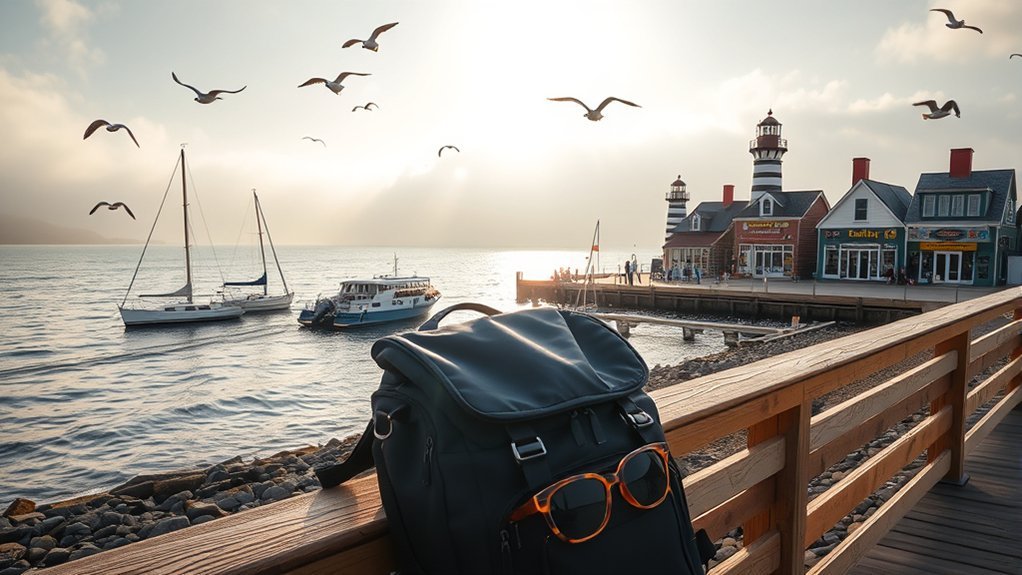
Each month offers a different version of Nova Scotia. The best itinerary depends on whether you want quiet coastal walks, warm beaches, festivals, wildlife, or autumn scenery.
- May: Explore Halifax, gardens, farmers’ markets, quiet coastal roads, and reopening parks. Confirm seasonal hours before driving long distances.
- June: Hike, kayak, tour wineries, begin whale-watching trips, and visit coastal towns before peak crowds arrive.
- July: Enjoy festivals, beaches, the Halifax waterfront, boat tours, national parks, and long daylight hours.
- August: Plan beach days, community events, paddling, hiking, stargazing, and peak-season whale tours.
- September: Drive the South Shore or Cabot Trail, hike in mild weather, and watch for early fall color.
- October: Focus on Cape Breton foliage, Annapolis Valley harvest activities, cultural events, and scenic drives.
- November through April: Build trips around Halifax, museums, food, winter hiking, skiing, snowshoeing, or quiet coastal stays while allowing for weather disruption.
2026 Planning Note: Parks Canada requires paid parking reservations for the Skyline Trail from June 26 through October 25, 2026. Review the current rules on the Cape Breton Highlands National Park website before visiting.
Best Months for Beaches, Whale Watching, and Hiking
The best months depend on the activity:
- Beaches: July and August provide the warmest air temperatures and the best general conditions for swimming and sunbathing. Northumberland Shore beaches often feel warmer than Atlantic-facing beaches.
- Whale watching: The broader season runs from late May through October, with peak sightings generally from June through August.
- Hiking: June, September, and October often provide comfortable temperatures. July and August have longer daylight but busier trailheads.
- Kayaking: Summer usually provides the widest selection of guided trips, but wind, waves, and fog can cause cancellations at any time.
- Fall scenery: Late September through October is the main viewing window, with exact timing changing each year.
Warning: Stay away from wet or dark shoreline rocks at Peggy’s Cove and other exposed coastal sites. Rocks can be slippery, waves can surge without warning, and cold water or strong currents can make rescue difficult. Follow posted barriers and review the Government of Nova Scotia’s Safe on Shore guidance.
Seasonal Hours, Transportation, and Road-Trip Planning
Many Nova Scotia itineraries depend on driving. Halifax has public transportation, taxis, rideshare services, and walkable areas, but rural attractions and coastal communities can be difficult to connect without a vehicle. Tourism Nova Scotia advises that a rental car is often the best option when traveling beyond Halifax or Sydney.
- Reserve rental cars early for July, August, and major fall-event weekends.
- Check attraction, ferry, campground, and restaurant operating dates before departure.
- Download offline maps because mobile coverage can weaken in rural areas.
- Keep fuel levels comfortable when traveling through less populated areas.
- Use 511 Nova Scotia for road conditions, closures, reduced visibility, and ferry status.
- Allow more driving time than the distance suggests because coastal roads are winding and scenic stops are frequent.
Cape Breton Highlands National Park is accessible year-round, but its main visitor-service season runs from May through October, with the fullest services in July and August. A road may remain open even when visitor centers, campgrounds, food services, or organized programs have closed for the season.
Where to Stay in Nova Scotia
Your best base depends on the part of the province you plan to explore. Halifax works well for city attractions and day trips, while the South Shore, Annapolis Valley, Northumberland Shore, and Cape Breton are better for slower regional itineraries.
- White Point Beach Resort: An oceanfront South Shore property with cottages, rooms, beach access, and year-round programming.
- Muir Halifax: A downtown waterfront hotel for travelers who want to explore Halifax on foot.
- Cabot Cape Breton: A coastal golf resort in Inverness with ocean views and accommodations suited to a Cape Breton stay.
- Pictou Lodge & Taphouse: A Northumberland Shore property with cabins, chalets, a beach, and seasonal amenities. Some accommodations operate year-round, while cottages, the pool, and food service have seasonal schedules.
Reserve early for July and August. In May, September, and October, you may find more availability, but always compare cancellation terms and confirm whether the property’s restaurant, pool, tours, or other facilities will be open during your stay.
What to Eat in Nova Scotia by Season

Nova Scotia’s food scene changes with local harvests, restaurant schedules, and regional seafood seasons. Many traditional dishes are available beyond the season listed below, so treat this as inspiration rather than a strict availability calendar.
| Season | Foods and experiences to try |
|---|---|
| Spring | Hodge Podge, greenhouse produce, farmers’ markets, and reopening wineries |
| Summer | Halifax donair, lobster, clams, berries, and Blueberry Grunt |
| Fall | Rappie Pie, apples, pumpkins, winery tastings, and harvest menus |
| Winter | Seafood chowder, stews, baked dishes, and cozy indoor dining |
In the Annapolis Valley, fall is a strong time for apple orchards, farm markets, cider, and winery visits. Acadian communities are good places to look for Rappie Pie, while Halifax is closely associated with the donair. Coastal menus may feature lobster, scallops, haddock, mussels, clams, and chowder, depending on local supply.
How to Save Money on Your Nova Scotia Trip
May, June, September, and October can be more affordable than the busiest summer weeks, but lower prices are not guaranteed during festivals, holiday weekends, or periods of strong fall demand.
- Compare total accommodation costs: Include parking, resort fees, breakfast, and cancellation terms rather than comparing only the nightly rate.
- Book essential transportation first: Rental-car availability can determine whether a rural itinerary is practical.
- Travel midweek: Hotels and popular attractions may be less busy from Monday through Thursday.
- Use markets and grocery stores: Mix restaurant meals with picnics or simple self-catered meals.
- Choose free attractions: Beaches, waterfront walks, scenic drives, public viewpoints, and many community trails cost little or nothing.
- Stay in one region longer: Reducing long-distance driving can save fuel and create a more relaxed itinerary.
- Check packages carefully: A room-and-activity package is useful only when you would purchase every included item separately.
What to Pack for Nova Scotia
Pack for changing conditions rather than one fixed forecast. Even in summer, evenings beside the ocean can feel cool.
- A light fleece, sweater, or insulated layer.
- A waterproof jacket with a hood.
- Comfortable walking shoes with useful grip.
- Sun protection and insect repellent for summer outings.
- A warmer hat and gloves for late fall or winter.
- A dry bag or waterproof phone case for boat and paddling trips.
- Offline maps, a vehicle charger, and an emergency layer for rural drives.
Check the local forecast shortly before each outdoor activity. A sunny forecast for Halifax does not guarantee the same conditions along the Bay of Fundy, the Atlantic coast, or Cape Breton.
Frequently Asked Questions
What is the best month to visit Nova Scotia?
September is often the best all-around month because daytime weather remains mild while summer demand begins to ease. Choose July or August for the warmest beach weather and largest event schedule. Choose October for fall color, harvest activities, and cooler scenic drives.
What is the prettiest town in Nova Scotia?
Beauty is subjective, but Lunenburg is one of the province’s most photographed towns because of its colorful waterfront and UNESCO-listed Old Town. Mahone Bay, Annapolis Royal, Baddeck, Wolfville, and Chester are also strong choices, depending on whether you prefer coastal views, history, gardens, or small-town dining.
Are American tourists welcome in Nova Scotia?
Yes. U.S. citizens are welcome to visit Nova Scotia. A U.S. citizen traveling with a valid U.S. passport does not need a Canadian visitor visa or electronic travel authorization. Entry remains subject to normal Canadian border requirements, so check the Government of Canada’s current document guidance before departure.
What are some quieter places to visit in Nova Scotia?
Consider Brier Island, Blue Rocks, Advocate Harbour, Isle Madame, the Eastern Shore, or smaller communities along the Northumberland Shore. Kejimkujik National Park and National Historic Site can also provide quieter paddling, hiking, and stargazing experiences than the province’s most famous coastal stops.
Do you need a rental car in Nova Scotia?
You can explore central Halifax without a car, but a rental vehicle is usually the easiest option for visiting the Cabot Trail, Peggy’s Cove, Lunenburg, the Bay of Fundy, beaches, and rural communities. Public transportation and shuttle services outside major population centers are limited.
Can you visit Nova Scotia in winter?
Yes. Winter can suit city breaks, museums, food-focused trips, skiing, snowshoeing, and quiet coastal stays. Expect fewer seasonal businesses, shorter daylight, and possible snow, ice, rain, or high winds. Check road and weather conditions before driving.
Conclusion
Nova Scotia’s best travel season depends on what you want to experience. July and August are best for warm weather, beaches, festivals, and the widest selection of activities. June and September offer a useful balance of comfortable conditions and lighter demand. October is the stronger choice for fall scenery and harvest experiences, while winter suits travelers who accept colder weather and reduced services.
Book essential transportation and peak-season lodging early, check current operating dates, pack layers, and keep coastal weather in mind. With realistic expectations and a flexible itinerary, you can enjoy Nova Scotia in every season.
Sources
- Environment and Climate Change Canada: Halifax Stanfield Climate Normals — monthly average temperatures and climate data.
- Tourism Nova Scotia: Weather and Climate — seasonal travel conditions and the recommended warm-weather travel period.
- Tourism Nova Scotia: Whale Watching — whale-watching season, peak months, locations, and commonly seen species.
- Parks Canada: Cape Breton Highlands National Park — park operations, hiking information, facilities, and 2026 Skyline Trail parking requirements.
- Government of Nova Scotia: Safe on Shore — shoreline rocks, waves, currents, cold water, and coastal-safety guidance.
- Government of Canada: Entry Requirements — passport, visa, eTA, and U.S. traveler document requirements.
