

Last Updated on July 23, 2026 by Ethan Caldwell
Taking a budget road trip before turning 21 is one of the most liberating ways to explore the country, but it comes with unique logistical hurdles like hotel age limits and rental car surcharges. By choosing scenic, cost-free driving routes, staying in 18+ friendly accommodations, and prepping your vehicle ahead of time, you can execute a memorable adventure without breaking the bank.
Quick Answer
To plan a cheap road trip under 21, select free scenic routes like Route 66 or the Blue Ridge Parkway, avoid 21+ hotel check-in restrictions by booking state park campsites or 18+ hostels, and share driving and fuel costs with friends. Pre-pack meals in a cooler and perform basic car maintenance before leaving to minimize unexpected expenses.
Key Takeaways
- Prioritize Free Scenery: Focus on scenic byways, national park overlooks, and public lands to reduce paid attraction costs.
- Bypass 21+ Check-In Rules: Reserve campsites via official park systems or search for 18+ hostels instead of traditional chain motels.
- Inspect Your Vehicle: Check tire pressure, fluid levels, and spare tires prior to departure to prevent expensive highway breakdowns.
- Limit Daily Mileage: Cap solo driving at 400–500 miles per day to avoid dangerous fatigue behind the wheel.
At a Glance
| Time Required | 3 to 7 Days (flexible) |
| Difficulty | Beginner to Intermediate |
| Tools Needed | Navigation App (Waze/Google Maps), Tire Pressure Gauge, Cooler, Emergency First-Aid Kit |
| Estimated Cost | $30 – $70 per person / day (group shared) |
Disclosure: As an Amazon Associate I earn from qualifying purchases. Some links on this page are affiliate links, at no extra cost to you.
Plan a Cheap, Fun Road Trip Route
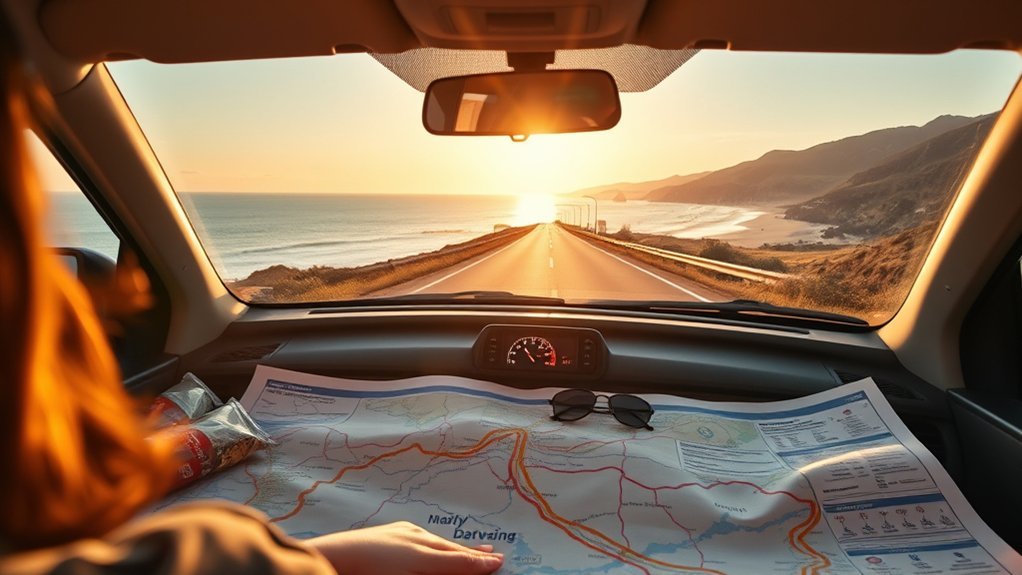
When you’re planning a cheap, fun road trip, start by choosing scenic byways like the Blue Ridge Parkway or iconic sections of Route 66. On these highways, the drive itself becomes the main event with beautiful views, historical markers, and free pull-off points. Mapping out a simple loop keeps you moving without requiring costly detours or extra fuel.
Build your itinerary around public lands and towns hosting local festivals. Traveling during off-peak shoulder seasons (early spring or late autumn) yields lower accommodation rates and quieter highways. You can track fuel expenditures in real time using resources like the AAA Gas Prices Calculator to stay within your budget. Packing picnic lunches and eating at highway rest stops or trailhead parks keeps meal costs to a minimum while giving you a chance to stretch outdoors.
Navigating Under-21 Lodging and Car Rental Rules
One of the biggest obstacles for road trippers under 21 is managing age restrictions. Many mainstream hotel chains enforce a strict 21+ check-in policy, and rental car agencies often charge heavy “Young Renter Fees” for drivers under 25—or refuse service to anyone under 21 entirely.
Pro Tip: Avoid underage hotel check-in restrictions by booking campsites through Recreation.gov or reserving beds in independent hostels via Hostelworld, both of which widely permit check-ins for adults aged 18 and older.
If you are driving your own vehicle, make sure your auto insurance policy covers long-distance travel and that your registration is up to date. If renting is your only option, look into fee-waiver memberships (such as AAA young driver fee waivers with select car rental partners) to avoid paying an extra $20–$35 per day in youth surcharges.
Best Stops for Travelers Under 21
If you’re under 21, the best stops are places that pack in scenery, culture, and outdoor recreation without relying on nightlife or age-gated venues. Aim for national parks and scenic corridors like the Great Smoky Mountains or the Pacific Coast Highway, where you can chase scenic viewpoints, hike trails, and explore visitor centers. Check the National Park Service for free entrance days and pass options that reduce entry fees across multiple parks.
In major cities, focus on youth-friendly spots that keep energy high during daylight hours: Nashville’s live street music along lower Broadway, New Orleans’ vibrant French Market, and Austin’s food truck parks all deliver plenty to experience. Stretch your budget by timing city visits around free museum hours, public parks, and outdoor community events. Group walking tours designed for younger travelers are another great way to meet people and learn local history without spending a fortune.
Pre-Trip Vehicle Maintenance Checklist
A breakdown on a remote highway can quickly ruin a tight travel budget. Conducting a basic vehicle inspection two or three days before your departure gives you time to address minor mechanical issues before they turn into major repair bills.
- Tire Pressure & Tread: Check all four tires (and the spare) using a pressure gauge. Inspect tread depth using the penny test to ensure safe traction on wet roads.
- Engine Fluids: Verify engine oil, coolant, windshield washer fluid, and brake fluid levels are full.
- Battery Health: Ensure battery terminals are clean and free of corrosion.
- Wiper Blades & Lights: Replace streaky wiper blades and confirm that all headlights, brake lights, and turn signals function properly.
Pack Smart for Road Trip Comfort
Packing smart keeps long driving stints comfortable and prevents impulse purchases at gas stations. Choose non-perishable snacks that supply steady energy: mixed nuts, granola bars, dried fruit, and whole-wheat crackers travel well and reduce unnecessary store stops.
Road Trip Packing Essentials
| Healthy Snacks | Keeps hunger down, blood sugar stable, and snack spending low |
| Comfort Items | Travel pillow, light blanket, and layered clothing ease fatigue |
| Hydration & Tech | Refillable water bottle, 12V phone charger, and portable power bank |
| Emergency Gear | First-aid kit, flashlight, jumper cables, and tire pressure gauge |
Download music playlists, audiobooks, or podcasts before leaving home, as cellular reception can fade in rural or mountainous areas. Keep a cooler stocked with ice, water bottles, and quick lunch supplies in the backseat for easy access during drive shifts.
How to Stay Safe on a Budget

Staying safe on a budget starts with smart planning rather than expensive extras. Use navigation apps like Google Maps or Waze to select well-traveled routes, monitor live traffic conditions, and bypass road hazards without wasting fuel.
Warning: Driver fatigue is a leading cause of highway accidents among young drivers. Avoid driving through late-night hours, take breaks every two hours, and strictly limit solo driving to 400–500 miles per day according to NHTSA Driver Safety Guidelines.
Whenever possible, schedule driving hours during daylight. Better visibility helps you stay alert and navigate unfamiliar highway interchanges with confidence. Always save emergency contact numbers and store offline maps on your phone so you can navigate even when mobile service cuts out.
Road Trip Tips for Solo and Group Travelers
Whether traveling solo or with a crew, clear communication keeps trips stress-free. When traveling in a group, discuss expectations regarding driving rotations, daily budgets, and music choices before leaving driveway. Use bill-splitting apps like Splitwise or Venmo to track shared costs for gas, tolls, and group groceries smoothly.
“Shared expectations on fuel costs, driving shifts, and sleep schedules make the difference between a tense car ride and a lifetime memory.”
If you are traveling solo, share your itinerary and live location tracking with a parent or trusted friend. Schedule regular daily check-ins when stopping for gas or lunch so someone always knows where you are along your route.
Frequently Asked Questions
Can You Drive 900 Miles in a Day?
While physically possible, driving 900 miles in a single day takes 14 to 16 hours behind the wheel and poses serious fatigue hazards. It is not recommended for a solo driver. If you must cover 900 miles, rotate between at least two licensed drivers, take mandatory rest breaks every two hours, stay hydrated, and plan an overnight stop if fatigue sets in.
How to Choose the Best Route?
Choose a route by balancing your total travel time, road conditions, and available attractions. Use mapping tools to compare direct highways against scenic byways, factor in toll costs, and identify free rest stops or state parks along the path that fit your schedule and budget.
What to Do in LA at Night Under 21?
Los Angeles offers plenty of non-bar evening activities for under-21 visitors. You can explore public art displays like the Urban Light installation at LACMA, walk the Santa Monica Pier, attend outdoor movie screenings in Silver Lake, view street murals in the Arts District, or drive up to the Griffith Observatory for night views of the city skyline.
Where to Travel as a 22 Year Old?
As a 22-year-old traveler, you have access to both 18+ and 21+ activities. Great budget-friendly domestic destinations include music hubs like Austin or Chicago, walkable outdoor cities like Portland, and major national parks such as Yellowstone or Yosemite where youth hostels and affordable campgrounds abound.
Conclusion
Planning a budget road trip under 21 is entirely achievable with the right strategy. By mapping out scenic routes, booking 18+ accommodations like public campgrounds or hostels, prepping your vehicle in advance, and managing daily driving hours responsibly, you can experience an incredible adventure while keeping your costs low and your travel safe. Keep your plans flexible, track your expenses as you go, and enjoy the freedom of the open road.
Sources
- National Park Service — Official guidelines on park entrance fees, passes, and public land access.
- National Highway Traffic Safety Administration (NHTSA) — Driving safety, fatigue prevention, and highway travel recommendations.
- AAA Gas Prices & Travel Resources — National fuel price averages and travel planning calculators.
- Recreation.gov — Public land reservations, camping guidelines, and national park permits.

