
Last Updated on September 10, 2026 by Daniel Globe
Paris has a mild, modified oceanic climate and four distinct seasons, so there is no single bad month to visit. The best time depends on whether you care most about comfortable weather, smaller crowds, lower prices, festivals, or holiday atmosphere. Spring and early autumn offer the strongest overall balance, while winter can be excellent for budget-focused museum trips.
Quick Answer
The best time to travel to Paris for most visitors is late April through June or September through October. These periods usually balance mild weather with long sightseeing days and somewhat lighter crowds than midsummer. For lower prices and quieter museums, consider January or February, excluding major holiday periods.
Key Takeaways
- Late April through June and September through October offer the best overall mix of comfortable weather and sightseeing conditions.
- July and August bring long days and a lively atmosphere, but major attractions can be busy and summer heatwaves are possible.
- January and February are strong choices for travelers who prioritize quieter museums and potentially lower accommodation demand over warm weather.
- Late November and December bring holiday lights and seasonal events, while the Christmas and New Year period can increase demand.
- Major events such as Roland-Garros, National Day celebrations, Paris Fashion Week, and the Montmartre harvest festival can affect crowds and availability.
Disclosure: As an Amazon Associate I earn from qualifying purchases. Some links on this page are affiliate links, at no extra cost to you.
Paris Weather by Season
According to Paris je t’aime, the official Paris tourism office, Paris has a modified oceanic climate. Rain falls throughout the year, so even a summer trip should include a light rain layer or compact umbrella.
Spring: March to May
Spring gradually becomes warmer rather than arriving all at once. Average temperatures are around 5.6°C to 12.8°C (42°F to 55°F) in March, 7.9°C to 16.6°C (46°F to 62°F) in April, and 11.1°C to 20.2°C (52°F to 68°F) in May.
As trees and gardens return to life, this is an attractive period for walking along the Seine, visiting parks, and spending time at outdoor cafés. April and May generally provide a better balance of warmth and daylight than early March, although showers remain possible.
Summer: June to August
Summer brings the longest days and warmest average temperatures. Average highs are about 23.4°C (74°F) in June and around 25.6–25.7°C (78°F) in July and August. Hotter periods and heatwaves can push temperatures significantly higher.
Long daylight hours make summer convenient for extended sightseeing, evening walks, cruises, outdoor dining, and festivals. At the same time, major landmarks and central tourist areas can become crowded, so timed reservations become especially useful.
Autumn: September to November
September remains pleasantly mild, with average temperatures around 13°C to 21.5°C (55°F to 71°F). October cools to roughly 9.9°C to 16.5°C (50°F to 62°F), while November becomes noticeably colder.
Autumn colors add another dimension to parks and river walks. September and October are particularly attractive for travelers who want comfortable sightseeing weather without relying on peak-summer heat.
Winter: December to February
Winter is chilly but generally moderate compared with colder continental destinations. Average lows are around 3–4°C (37–39°F), while average daytime highs are roughly 7.6–8.8°C (46–48°F). Frost and colder days are possible, but persistent snow is not a normal feature of a Paris winter.
December brings festive lights, decorated department stores, and seasonal attractions. January and February are quieter choices for indoor-focused trips built around museums, galleries, cafés, and restaurants.
Paris Weather Month by Month
| Month | Avg. Low | Avg. High | What to Expect |
| January | 3.2°C / 38°F | 7.6°C / 46°F | Cold, short days, generally quieter after New Year |
| February | 3.3°C / 38°F | 8.8°C / 48°F | Cool and relatively quiet |
| March | 5.6°C / 42°F | 12.8°C / 55°F | Changeable early-spring weather |
| April | 7.9°C / 46°F | 16.6°C / 62°F | Mild days, spring gardens, occasional showers |
| May | 11.1°C / 52°F | 20.2°C / 68°F | Comfortable walking weather and blooming parks |
| June | 14.2°C / 58°F | 23.4°C / 74°F | Long days, warm evenings, increasing visitor demand |
| July | 16.2°C / 61°F | 25.7°C / 78°F | Warm, busy and festival-filled; heatwaves possible |
| August | 16°C / 61°F | 25.6°C / 78°F | Warm; major sights remain active while some neighborhood businesses take holidays |
| September | 13°C / 55°F | 21.5°C / 71°F | Mild weather and an active cultural calendar |
| October | 9.9°C / 50°F | 16.5°C / 62°F | Cooler, colorful and comfortable for walking |
| November | 6.2°C / 43°F | 11.1°C / 52°F | Cooler, darker and generally calmer |
| December | 3.8°C / 39°F | 8°C / 46°F | Cold weather with holiday lights and seasonal demand |
Note: Climate averages describe typical conditions, not a forecast. Paris can experience rain in any month and occasional summer heatwaves, so check the short-range forecast shortly before departure.
Peak Tourist Seasons
Summer in Paris
From June through August, Paris attracts large numbers of leisure travelers, including families traveling during school holidays. Major sites such as the Eiffel Tower, Louvre Museum, and Notre-Dame Cathedral can become especially busy.
The appeal is easy to understand. Summer provides long daylight hours, busy café terraces, outdoor cultural events, riverfront activity, and more time for sightseeing after dinner. The trade-off is greater competition for popular time slots, accommodation, and restaurant reservations.
Visitors should also be prepared for hot spells and sudden showers. On very warm days, schedule exposed outdoor sights for morning or evening and use museums, covered passages, churches, and shaded parks during the hottest part of the afternoon.
Festive Holiday Period in Winter
Late November through early January brings another high-interest period, particularly around Christmas and New Year. Paris is decorated with seasonal lights, department-store displays, markets, and temporary holiday attractions.
Specific winter installations change from year to year, so check current official listings rather than assuming a particular ice rink or market will return in the same location.
Planning Ahead Is Essential
Higher-demand periods can mean longer lines at famous attractions and fewer choices for conveniently located accommodation. Hotel and vacation-rental prices are dynamic and vary by dates, events, and booking demand, so there is no single fixed “peak-season” price.
Reserve must-see timed attractions and high-priority restaurants once your travel dates are firm. This matters most if you have limited days in Paris and cannot easily return to an attraction at another time.
Pro Tip: Book the attractions that require a specific time first, then build flexible neighborhood walks, parks, markets, and cafés around those fixed reservations.
Off-Peak Travel Times
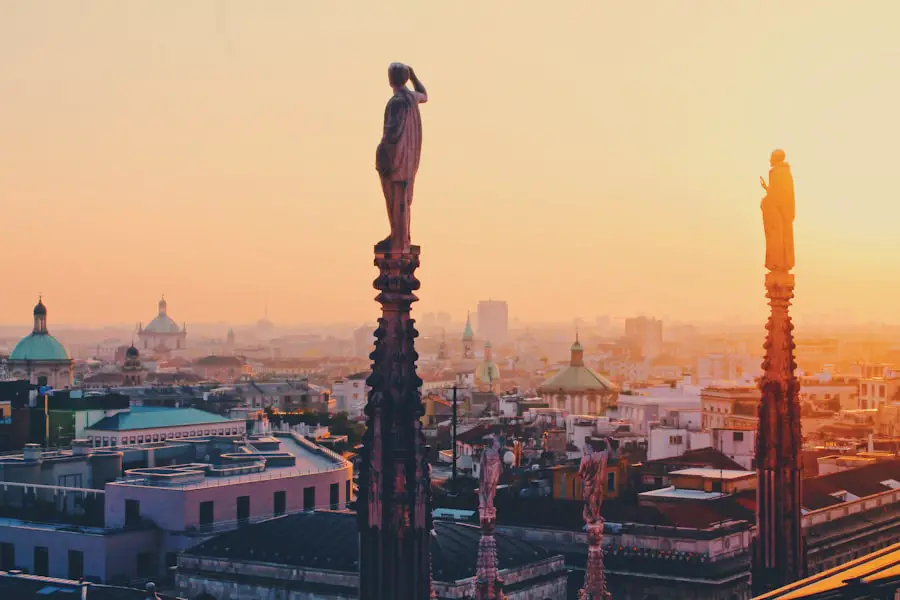
Travelers seeking a calmer Paris experience should look closely at January and February, plus parts of March and November. These periods generally avoid the strongest summer and Christmas/New Year demand, although individual events can still create busy dates.
Museums can feel more relaxed during quieter periods, making it easier to spend time with art and history instead of rushing between crowded galleries. The Musée d’Orsay, for example, publishes its current ticket and free-admission rules online.
Late autumn can also work well for travelers who do not mind cool weather. By November, outdoor sightseeing requires warmer clothing, but cafés, museums, covered passages, and cultural attractions remain part of everyday Paris life.
Quieter travel periods can encourage a slower experience of neighborhoods such as Le Marais, Montmartre, Canal Saint-Martin, and Belleville. Instead of moving only between headline attractions, visitors have more reason to spend time in local cafés, food shops, markets, and smaller museums.
Special Events and Festivals
Events can make a particular week the best time to visit Paris for one traveler and the wrong time for another. They create memorable experiences but can also increase demand for accommodation and transportation around major venues.
Major Paris Events in 2026
| Event | 2026 Date | Planning Impact |
| Roland-Garros | May 18–June 7 | Major international tennis event in southwest Paris |
| Nuit Blanche | June 6 | All-night contemporary art programming around Paris and Greater Paris |
| National Day celebrations | July 13–14 | In 2026, Eiffel Tower fireworks were exceptionally held July 13; the military parade remained July 14 |
| Paris Fashion Week Womenswear | September 28–October 6 | Fashion events and increased activity around show venues |
| Fête des Vendanges de Montmartre | October 7–11 | Music, food, culture and celebrations around Montmartre |
France’s National Day remains July 14 and includes the major military parade in Paris. The fireworks schedule should always be verified for the year of travel: in 2026, the traditional Eiffel Tower display was exceptionally moved to July 13.
Nuit Blanche also deserves a date check. Older Paris travel information may place the event in autumn, but the 2026 edition took place on June 6. Because annual event schedules can change, official calendars are more reliable than assuming last year’s date will repeat.
Food, music, art, fashion, and neighborhood festivals take place throughout the year. Rather than relying on older references to events such as the former Fête de la Gastronomie branding, check the current Paris cultural calendar for confirmed programs during your exact dates.
Note: Event dates above are verified for 2026. If you are planning a later trip, confirm the new year’s dates before booking flights or hotels around a particular festival.
Budget-Friendly Travel Times
January and February are often attractive to budget-conscious travelers because they fall outside the warm-weather sightseeing season and, once the New Year period has passed, usually face lower leisure demand than spring and summer.
March and November can also provide value depending on the exact week. Airfare and accommodation prices change constantly, however, so compare several nearby dates instead of assuming that every winter date is automatically cheap.
Weekday stays may sometimes cost less than high-demand weekends, although major business events, trade shows, concerts, fashion events, or holidays can reverse that pattern.
Use Museum Free-Admission Rules Carefully
Free museum days can reduce sightseeing costs, but each institution has its own policy. The Musée d’Orsay offers free admission to everyone on the first Sunday of the month, with a reservation required.
The Louvre follows a different policy: it currently offers free admission for all on the first Friday of the month after 6 p.m., except in July and August, and on July 14. Always confirm current rules before building your itinerary around free admission.
Dining can also be easier on the budget when travelers make lunch their main restaurant meal. Fixed-price lunch menus at some bistros can offer better value than an elaborate dinner.
Markets such as Marché Bastille and Marché des Enfants Rouges can also fit into a lower-cost food plan while giving visitors a look at everyday Parisian shopping and dining.
Best Times for Sightseeing
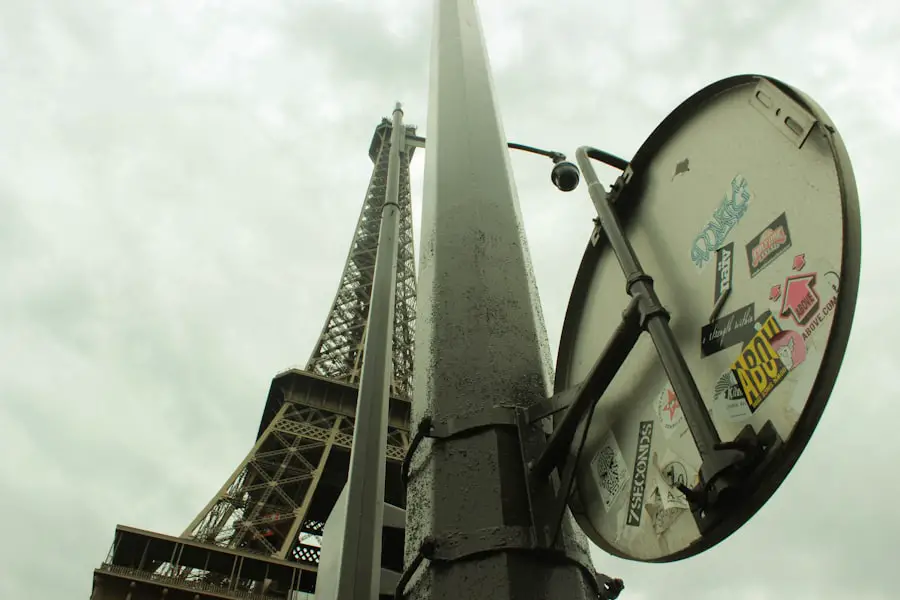
For travelers who plan to spend much of each day walking, April through June and September through October provide some of the most comfortable combinations of temperature and daylight.
Spring works especially well for gardens, river walks, outdoor cafés, and landmarks such as the Eiffel Tower and Sacré-Cœur. May becomes warmer but also more popular, so it should not be treated as a secret low-crowd month.
September keeps much of summer’s warmth without being as hot as a heatwave-prone midsummer day. October is cooler but adds autumn color to parks such as Parc des Buttes-Chaumont and routes along the Seine.
Summer remains excellent for travelers who value long evenings and outdoor activity more than low crowd levels. Visit high-priority attractions early, use timed tickets where available, and save flexible neighborhood exploration for the middle of the day.
For most first-time visitors, the strongest compromise is not the hottest month or the quietest month—it is a shoulder-season trip with comfortable walking weather and enough daylight to explore.
Tips for Navigating Crowds
Crowds in Paris are easier to manage when the itinerary combines advance reservations with flexible sightseeing. Rather than visiting every famous attraction at the same popular hour, spread major sights across mornings and evenings.
- Reserve timed attractions: Book must-see museums, towers, and special exhibitions through their official ticket systems when reservations are offered.
- Start early: Opening time can be one of the easiest periods for high-priority attractions.
- Use evenings: Long summer daylight makes later sightseeing particularly useful.
- Mix famous and local areas: Pair central monuments with Canal Saint-Martin, Belleville, neighborhood markets, parks, or covered passages.
- Check closures: Museum closing days, public holidays, special events, and temporary closures can change a carefully planned itinerary.
- Avoid overbooking: Leave enough time to cross the city and deal with queues, weather, or transit disruptions.
Paris Month by Month
January
January is cold and has short daylight hours, but after the New Year period it can suit travelers focused on museums, cafés, indoor attractions, and lower-demand dates.
February
February remains cold and relatively quiet. It is a useful choice for travelers who place value and museum time ahead of gardens and long outdoor evenings.
March
March is a transition month. Temperatures start rising, days become longer, and spring begins to appear, but weather remains unpredictable enough that layers and rain protection are important.
April
April is one of the more attractive months for first-time visitors. Gardens become greener, average temperatures improve, and walking becomes more comfortable, although Easter and school-holiday periods can increase demand.
May
May combines mild temperatures with blooming parks and active café terraces. It is excellent for sightseeing but no longer a reliably quiet month, especially around major events and public holidays.
June
June offers long days, warmer evenings, outdoor events, and very good sightseeing weather. It is also a high-interest travel period, so popular hotels and attractions deserve advance planning.
July
July is lively, warm, and packed with summer activity. National Day celebrations are a major draw. Crowds and hot weather are the main trade-offs.
August
August remains a major tourism month around famous sights. Some independent neighborhood restaurants, bakeries, and shops may close for summer holidays, so check individual businesses rather than assuming everything—or nothing—is open.
September
September is one of the strongest overall choices. Weather usually remains mild, the cultural calendar becomes active, and outdoor sightseeing is still comfortable.
October
October brings cooler temperatures, autumn color, and events such as the Fête des Vendanges de Montmartre. Rain layers and a light jacket become more important.
November
November is cooler, darker, and generally less appealing for travelers seeking long outdoor days, but it works well for museums, restaurants, galleries, and a slower city break.
December
December appeals to travelers who value holiday atmosphere more than mild weather. Lights, decorated shopping districts, seasonal events, and Christmas markets create a distinctive experience, particularly later in the month.
Best Time to Visit Paris by Travel Style
| Your Priority | Best Period to Consider | Why |
| Best overall balance | Late April–June; September–October | Comfortable weather and strong sightseeing conditions |
| Lower-demand city break | January–February | Good for museums and indoor attractions |
| Long evenings | June–July | Long daylight and outdoor activity |
| Spring gardens | April–May | Blooming parks and milder temperatures |
| Autumn scenery | October | Fall color and cool walking weather |
| Holiday atmosphere | Late November–December | Lights, decorations and seasonal events |
| Major summer events | June–July | Tennis, music, art and National Day programming |
How Far Ahead Should You Plan?
There is no universal booking deadline because hotel rates, train fares, flights, attraction rules, and event demand change constantly. The safest approach is to reserve the least flexible parts of your trip first.
For spring, summer, September, major holidays, or trips built around a major event, secure accommodation once your dates are firm. Then reserve any attraction that would seriously disappoint you if it sold out.
For January, February, or November travel, you may have more flexibility, but special exhibitions, concerts, sporting events, and popular restaurants can still require advance reservations.
Pro Tip: Before paying a nonrefundable hotel rate, check whether a major sporting event, fashion week, trade show, public holiday, or festival overlaps your dates. A single event can change availability even during an otherwise moderate travel period.
Choosing the Right Time to Visit
Selecting the right time to visit Paris ultimately depends on your priorities. Travelers who value long evenings, festivals, and outdoor activity may happily accept the crowds and warmer weather of summer. Those who prefer quieter galleries, cafés, and indoor cultural attractions may find winter more rewarding.
Spring and early autumn remain the most balanced choices for many visitors because they combine comfortable walking conditions with active parks, neighborhoods, museums, and cultural calendars. September is especially useful for travelers who want mild weather after the height of summer, while April and May appeal to visitors interested in gardens and spring scenery.
Budget-focused travelers should compare January, February, March, and November dates while avoiding the assumption that every winter week is automatically inexpensive. Christmas, New Year, major events, and school holidays can change demand quickly.
Special events can also determine the perfect travel dates. A tennis fan may prefer late May or early June, a fashion-focused visitor may choose Fashion Week, while travelers drawn to Montmartre’s culture may prefer the October harvest festival.
When planning your Paris trip, you can also learn more about the site at TakeTravelInfo. If you are preparing for an international flight, the guides to best carry-on luggage for international travel and noise-canceling earbuds for your next flight can help with the practical side of the journey.
Frequently Asked Questions
What is the best time to travel to Paris?
For most visitors, late April through June and September through October offer the best balance of mild weather and good sightseeing conditions. January and February are better choices if your priorities are quieter museums and lower-demand travel dates.
What is the weather like during the best time to visit Paris?
April through June generally warms from mild spring conditions into pleasant early-summer weather. September averages about 13°C to 21.5°C (55°F to 71°F), while October averages roughly 9.9°C to 16.5°C (50°F to 62°F). Rain is possible throughout the year.
When is Paris busiest?
Demand is high through much of the warm-weather sightseeing season, particularly around summer vacations and major events. Christmas and New Year also create busy periods. Crowd levels vary by attraction, day of the week, school holidays, and special events.
When is the quietest time to visit Paris?
January and February, particularly after the New Year holiday period, are among the best months to consider for a quieter city break. November can also be calmer, although weather is cooler and daylight is shorter.
What major events can affect the best time to travel to Paris?
Major events include Roland-Garros in late spring, summer festivals and National Day celebrations, Paris Fashion Week, and the Fête des Vendanges de Montmartre in October. Nuit Blanche is another major cultural event, but its date should be checked each year rather than assumed from older guides.
What is the cheapest time to visit Paris?
January and February are good periods to compare if price is your main concern, followed by some dates in March and November. There is no guaranteed cheapest month because airfare and hotel rates respond to holidays, events, weekdays, weekends, and booking demand.
Is August a good time to visit Paris?
August can be a good choice if you enjoy warm weather and summer sightseeing. Major attractions remain active, but some independent neighborhood restaurants and shops may close for holidays. Check any specific local business that matters to your itinerary.
How early should I book Paris attractions?
Book high-priority timed attractions as soon as your itinerary is firm, especially during spring, summer, September, holidays, and major event periods. Availability varies by attraction, so use each attraction’s official website for current reservation rules.
Sources
- Paris je t’aime — Paris Weather and Climate — monthly temperature and rainfall averages and seasonal travel guidance.
- Musée du Louvre — Hours and Admission — current Louvre admission and free-entry rules.
- Musée d’Orsay — Admission Rates — current admission and first-Sunday free-entry policy.
- City of Paris — Nuit Blanche 2026 — official 2026 event date and program.
- Fédération de la Haute Couture et de la Mode — Paris Fashion Week — official Paris Fashion Week calendar.
- Roland-Garros — 2026 Tournament Schedule — official tournament dates.

