

Last Updated on July 27, 2026 by Daniel Globe
Southeast Asia is a vibrant tapestry of cultures, landscapes, and experiences that beckons travelers from around the globe. Comprising countries such as Thailand, Vietnam, Indonesia, Malaysia, Singapore, and the Philippines, this region is renowned for its rich history, diverse ecosystems, and warm hospitality. The allure of Southeast Asia lies not only in its breathtaking natural beauty—from pristine beaches to lush jungles—but also in its bustling cities that blend modernity with tradition.
Quick Answer
The best time to visit most of Southeast Asia (Thailand, Vietnam, Cambodia, Laos, Myanmar, and the Philippines) is during the dry season from November to February, when temperatures are pleasant and rainfall is minimal. However, if you are traveling to Indonesia (including Bali), the optimal dry season runs from April to October.
Key Takeaways
- Mainland vs. Maritime Divide: Mainland countries (Thailand, Vietnam) are dry from November to February, while Maritime regions (Bali, Indonesia) are driest from April to October.
- Weather Patterns: The region primarily experiences three tropical climatic phases: the dry season, the hot season, and the monsoon/wet season.
- Budget Travel: The wet season (May to October) brings heavy downpours but offers lower accommodation costs, fewer crowds, and lush green scenery.
- Cultural Highlights: Top annual events include Songkran in Thailand (April), Tet in Vietnam (Jan/Feb), and Nyepi in Bali (March).
Each country offers a unique flavor, making it a melting pot of languages, cuisines, and customs. The region’s geographical diversity contributes significantly to its appeal. From the towering peaks of northern Thailand to the idyllic islands of Indonesia, Southeast Asia is a paradise for nature lovers and adventure seekers alike. The cultural heritage is equally compelling, with ancient temples like Angkor Wat in Cambodia and the historic city of Bagan in Myanmar standing as testaments to the region’s storied past. As travelers navigate through vibrant markets, savor street food delicacies, and engage with local communities, they find themselves immersed in a world that is both enchanting and enlightening.
Disclosure: As an Amazon Associate I earn from qualifying purchases. Some links on this page are affiliate links, at no extra cost to you.
Weather Patterns in Southeast Asia
Understanding the weather patterns in Southeast Asia is crucial for any traveler planning a visit. The region experiences a tropical climate characterized by high humidity and temperatures that typically range from 25°C to 35°C (77°F to 95°F) throughout the year. However, climate behavior splits significantly across two major geographical sub-regions: Mainland Southeast Asia and Maritime Southeast Asia.
Generally, Southeast Asia operates on three main seasonal phases rather than temperate quarterly cycles:
- The Cool & Dry Season (November to February): Marked by lower humidity, clear skies, and minimal rainfall. This is peak tourist season across Indochina.
- The Hot Season (March to May): Temperatures peak across the mainland, frequently exceeding 38°C (100°F) before the monsoon rains arrive.
- The Wet / Monsoon Season (May to October): Heavy monsoonal rains sweep across northern and central areas, bringing short, intense downpours that transform the landscape into a lush green paradise.
Pro Tip: Don’t assume rain during monsoon season means continuous all-day downpours. In places like Thailand and Cambodia, wet season weather usually consists of predictable 1–2 hour torrential afternoon bursts, leaving the rest of the day clear for sightseeing.
Best Time to Visit Southeast Asia
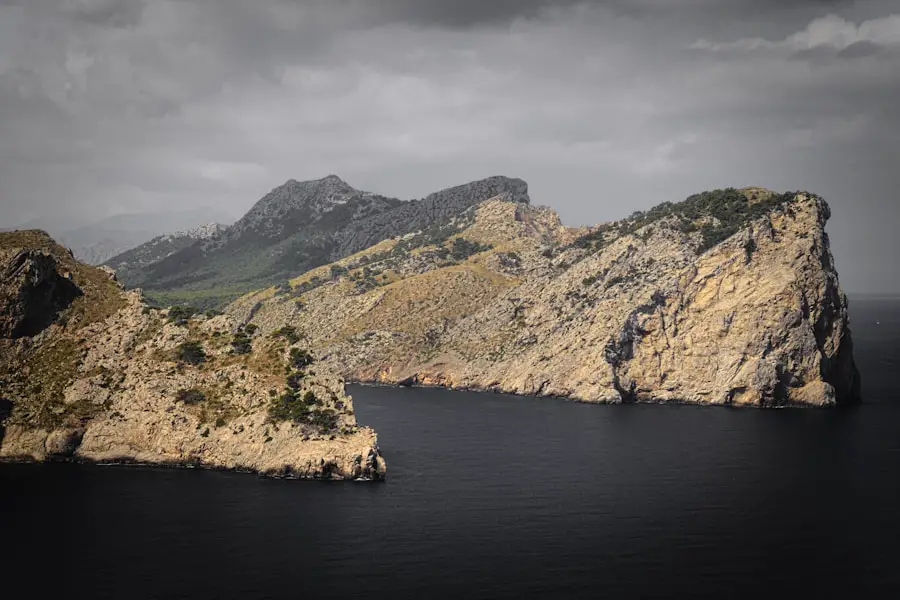
Determining the best time to visit Southeast Asia largely depends on individual preferences and the specific countries on your itinerary. For many travelers, the dry season is ideal due to its favorable weather conditions. Countries like Thailand, Vietnam, Laos, and Cambodia see an influx of tourists during this time, particularly around major holidays such as Christmas and New Year’s.
The pleasant temperatures make it perfect for exploring bustling cities like Bangkok or Hanoi without the discomfort of excessive heat or rain. However, visiting during the wet season can also offer unique advantages. While rain may deter some travelers, it often means fewer crowds at popular tourist sites and significantly lower accommodation prices.
Note: Indonesia (including Bali and Lombok) follows an inverted weather pattern compared to Thailand and Vietnam. Bali’s dry season runs from April to October, making it an ideal summer getaway when Indochina experiences its rainy season.
Travel Tips for Each Tropical Season
At a Glance: Season-by-Season Travel Overview
| Season Phase | Travel Tips & Key Recommendations |
| Cool & Dry Season (Nov – Feb) |
Book hotels and flights months in advance due to high demand. Pack lightweight breathable clothes for daytime and a light jacket for cooler evenings in highland regions like Sapa or Chiang Rai. |
| Hot Season (Mar – May) |
Stay hydrated, use high-SPF sunscreen, and schedule outdoor temple tours in early mornings. Head south to coastal island destinations or participate in Songkran water celebrations. |
| Monsoon / Wet Season (Jun – Oct) |
Pack a compact umbrella, high-quality rain poncho, and waterproof footwear. Maintain flexible schedules for island ferry transfers, which can be canceled due to rough seas. |
| Maritime Dry Season (Apr – Oct / Bali) |
Ideal window for visiting Indonesia, Komodo Island, and East Malaysia (Borneo). Great conditions for scuba diving, volcano trekking, and surfing. |
Traveling in Southeast Asia requires adaptability to its diverse weather conditions across different seasons. During the dry season, it is advisable to stay hydrated and wear lightweight clothing to combat the heat. Sunscreen is essential as UV rays can be intense.
Warning: Northern Southeast Asia (Chiang Mai, Laos, Shan State) experiences an annual “burning season” (agricultural slash-and-burn) between February and April. Air quality (PM2.5) can reach hazardous levels. Travelers with respiratory issues should plan accordingly or visit coastal islands during these months.
In contrast, during the wet season, packing waterproof gear such as ponchos or dry bags is wise. Embracing indoor attractions like historical museums, cooking classes, or cultural centers can provide enriching experiences while waiting for brief downpours to subside.
Popular Festivals and Events
Southeast Asia is home to a plethora of vibrant festivals that reflect its rich cultural heritage and traditions. Timing your trip to coincide with these events provides an unmatched cultural experience:
- Songkran (Thailand): Celebrated in mid-April, this water festival marks the Thai New Year. Nationwide water fights symbolize cleansing and renewal, accompanied by traditional temple merit-making rituals.
- Tet Nguyen Dan (Vietnam): Celebrated in late January or early February as the Vietnamese Lunar New Year. Families gather for feasting on traditional foods like Banh Chung (square sticky rice cake) and decorating streets with peach blossoms.
- Nyepi Day (Bali, Indonesia): Observed in March, the Balinese “Day of Silence” involves 24 hours of total stillness, fasting, and meditation where lights, traffic, and even the airport shut down completely. The day prior features lively parades of giant Ogoh-Ogoh (demonic effigies).
- Loy Krathong & Yi Peng (Thailand): Held during the full moon of November, thousands of illuminated floating baskets are released onto rivers while paper lanterns fill the night sky in Chiang Mai.
“Attending local cultural festivals like Songkran or Loy Krathong transforms a standard vacation into a deep, unforgettable immersion into Southeast Asian heritage.”
Packing Tips for Different Seasons
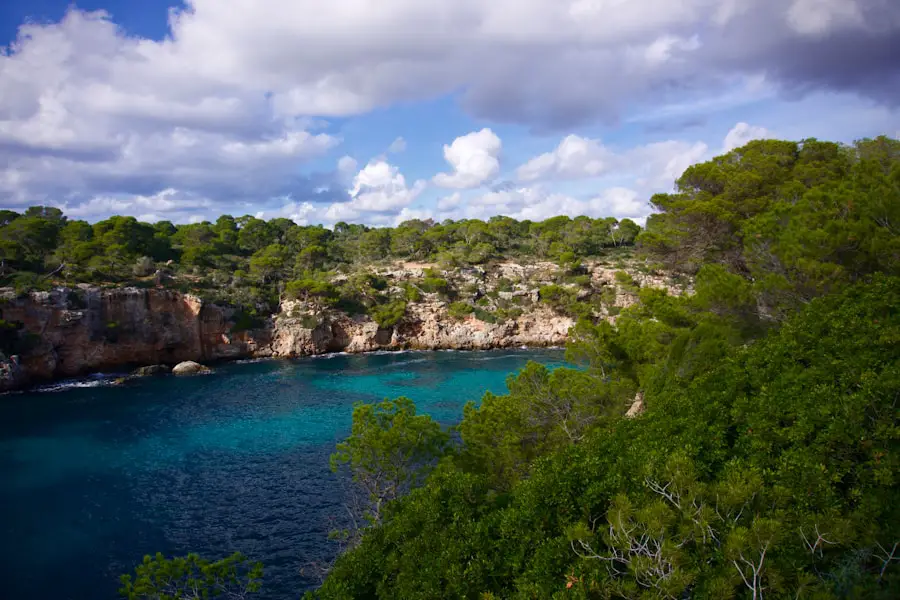
Packing appropriately for Southeast Asia’s varying seasons can enhance a traveler’s comfort significantly:
- Dry & Hot Seasons: Lightweight clothing made from breathable natural fabrics like linen or moisture-wicking synthetic materials. Bring comfortable walking sandals, UV-blocking sunglasses, and a wide-brimmed hat.
- Wet Season: Pack quick-drying clothing and water-resistant footwear. A durable waterproof cover for your backpack or dry bag for electronics is essential during monsoon downpours.
- Temple Modesty Attire: Regardless of season, visiting sacred sites (like Grand Palace in Bangkok or Angkor Wat in Cambodia) requires long pants or knee-length skirts and covered shoulders.
- Health Essentials: Pack high-DEET or Picaridin mosquito repellent, oral rehydration salts, and a basic medical kit with anti-diarrheal medication.
Recommended Activities for Each Season
Each climatic phase in Southeast Asia opens up distinct travel experiences:
- Dry Season Activities: Ideal for long-distance trekking in national parks such as Khao Sok (Thailand) or Mount Rinjani (Indonesia). Beach lovers can enjoy island hopping, snorkeling, and diving in clear coastal waters.
- Monsoon Season Activities: Perfect time to witness rushing waterfalls at peak volume (such as Kuang Si Falls in Laos or Ban Gioc in Vietnam). Lush foliage makes photography exceptional, while indoor culinary workshops and spa retreats flourish.
- Cool Season Activities: Excellent for exploring outdoor night markets, motorbiking loops (like the Ha Giang Loop in Vietnam or Mae Hong Son Loop in Thailand), and wildlife watching.
Making the Most of Your Trip to Southeast Asia
Traveling through Southeast Asia is an enriching experience that offers something for every traveler—from ancient UNESCO ruins and world-class street food to tropical beach retreats. By understanding the region’s weather patterns and planning around seasonal microclimates, you can maximize comfort and avoid unexpected weather disruptions.
If you are planning your itinerary, consider investing in the best travel guidebook to help you navigate logistics effectively. You can read our advice on how to choose the best travel guidebook for your next trip. Golf enthusiasts bringing equipment along can check out recommendations for the best golf travel bags, and digital nomads needing portable tech can view our roundup of the best lightweight laptop for travel.
With careful planning and an adventurous spirit, you can truly make the most of your journey through this dynamic corner of the world.
Frequently Asked Questions
What is the best time to travel to Southeast Asia?
The best overall time for mainland countries like Thailand, Vietnam, Cambodia, and Laos is during the dry season between November and February. However, for Indonesia and Bali, the dry season occurs from April to October.
What are the weather conditions during the best time to travel to Southeast Asia?
During the peak dry season, humidity drops and rainfall is minimal. Daytime temperatures are warm and pleasant (typically 26°C to 31°C / 78°F to 88°F), making outdoor exploration comfortable.
Are there any specific months to avoid when traveling to Southeast Asia?
Peak monsoon months (September and October for Indochina; January and February for Bali) bring heavy downpours and potential localized flooding. Additionally, February to April brings smoky burning season conditions to Northern Thailand and Laos.
What are the peak tourist seasons in Southeast Asia?
Peak tourist season occurs from December through February, coinciding with European winter holidays and ideal dry weather. Expect higher hotel rates and busier tourist attractions during this timeframe.
Are there any specific events or festivals to consider when planning a trip to Southeast Asia?
Key cultural events include Thailand’s Songkran water festival in April, Lunar New Year (Tet) in Vietnam (Jan/Feb), Nyepi in Bali (March), and Loy Krathong in Thailand (November).
Sources
- National Geographic Travel — Regional weather and optimal seasonal timing guides.
- UN Tourism (UNWTO) — Southeast Asia tourism trends and seasonal travel statistics.
- ASEAN Specialized Meteorological Centre (ASMC) — Official regional climate, monsoon tracking, and haze weather updates.
- Tourism Authority of Thailand (TAT) — Songkran and seasonal cultural festival schedules.

