
Last Updated on July 30, 2026 by Mason Reed
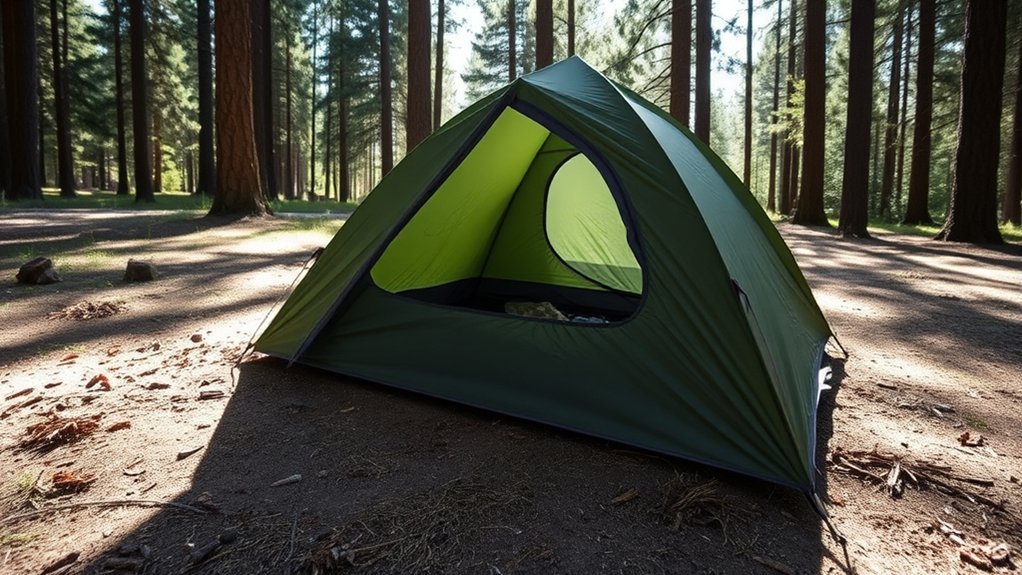
A tent footprint is a fitted groundsheet placed beneath your tent to protect the floor from rough ground, dirt, and moisture. It can be a smart add-on for frequent camping, rocky campsites, or tents with thin floors, but it is not essential for every trip. The key is choosing the right size and using it correctly.
Quick Answer
A tent footprint is a fitted groundsheet placed under a tent floor. It mainly protects against abrasion, punctures, mud, and ground moisture. It is useful on rough or wet sites and with thin tent floors, but it is optional on smooth established campsites and does not replace a warm sleeping pad or careful site selection.
Key Takeaways
- A footprint protects the tent floor from abrasion, punctures, mud, and some ground moisture.
- It should fit inside the tent floor’s perimeter. Exposed edges can catch rain and channel water underneath.
- A footprint adds little useful insulation. Choose a sleeping pad with a suitable R-value for warmth.
- Model-specific footprints are easiest to attach, while a correctly trimmed Tyvek, tarp, or lightweight groundsheet can be a practical DIY option.
- A footprint is most valuable on rough terrain, during frequent use, or under lightweight tent floors; it may be unnecessary on smooth, established sites.
At a Glance
| Time Required | About 5–10 minutes to inspect the site and position the footprint; longer if making a DIY version |
| Difficulty | Easy |
| Tools Needed | Tent, footprint or groundsheet, stakes; scissors and a marker for a DIY footprint |
| Cost | DIY groundsheets are usually the lower-cost option; model-specific footprints vary by tent size, material, and brand |
Disclosure: As an Amazon Associate I earn from qualifying purchases. Some links on this page are affiliate links, at no extra cost to you.
What Is a Tent Footprint?
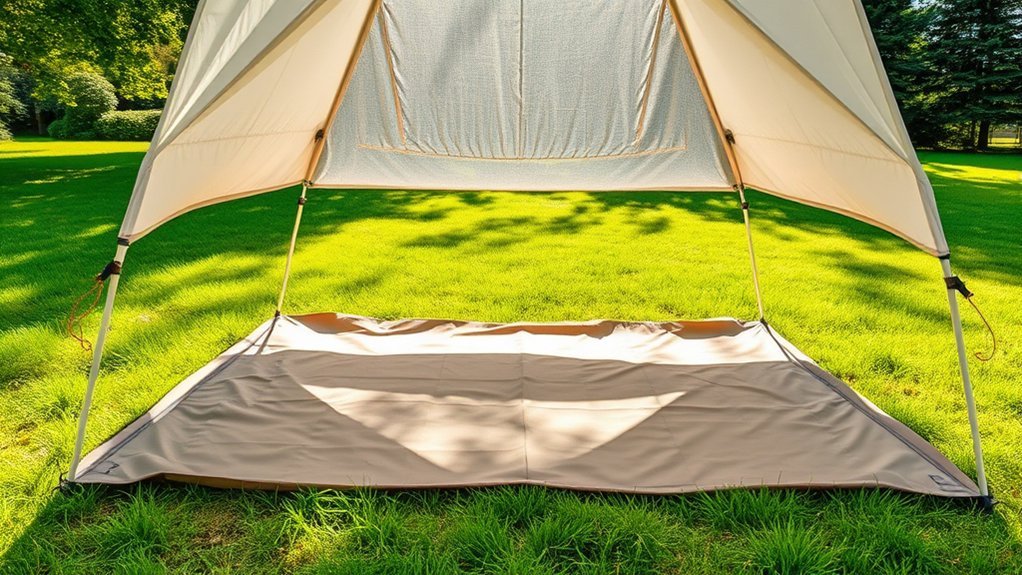
A tent footprint, also called a groundsheet or ground cloth, is a piece of fabric placed between the ground and the tent floor. A commercial footprint is normally cut for a specific tent model and may include corner webbing, buckles, or grommets that connect to the poles or stakes. Universal and DIY versions can also work when they are trimmed or folded to fit.
The main job of a footprint is to reduce rubbing, punctures, and dirt on the tent floor. Outdoor retailers and tent manufacturers commonly describe footprints as protective barriers made from waterproof or water-resistant nylon, polyester, polyurethane-coated fabric, or plastic sheeting. A footprint can also keep the underside cleaner, which makes packing and post-trip care easier.
Do You Need a Tent Footprint?
A tent footprint is useful, but it is not automatically required. Your decision should depend on the tent floor, terrain, weather, trip length, and how much extra weight or bulk you are willing to carry.
When a Footprint Is Worth Carrying
- Rough or abrasive ground: Gravel, gritty rock, roots, sticks, and compacted dirt can wear thin tent fabric.
- Lightweight or expensive tents: An extra sacrificial layer can protect a floor that would be costly or inconvenient to repair.
- Frequent camping: Repeated setup on varied surfaces increases cumulative wear.
- Wet or muddy conditions: A correctly fitted groundsheet can reduce direct contact with damp soil and keep the tent floor cleaner.
- Fast-fly pitching: Some compatible tents use a model-specific footprint with the rainfly, poles, and stakes so the inner tent can be left behind.
- Floorless shelters: A separate groundsheet can create a cleaner sleeping area, although it does not turn a tarp into a sealed bathtub-floor tent.
When You Can Skip It
- You camp only occasionally on smooth, established tent pads or soft grass.
- Your tent has a robust floor and the manufacturer does not recommend a separate footprint.
- You are reducing backpack weight and accept the added risk of floor wear.
- The groundsheet would be redundant because your shelter already includes a durable removable floor.
Note: A footprint reduces risk; it does not make a poor campsite safe. Follow Leave No Trace guidance by using established or durable surfaces and avoiding fragile vegetation and living soil.
Benefits of Using a Tent Footprint
Protects the Tent Floor From Abrasion
The clearest benefit is physical protection. A footprint takes much of the rubbing from dirt, grit, small rocks, and twigs that would otherwise contact the tent floor. This does not make the tent puncture-proof, but it can reduce wear and help extend the floor’s service life.
Adds a Replaceable Sacrificial Layer

A footprint is generally easier to clean, patch, or replace than an entire tent floor. That makes it a practical investment for campers who use lightweight tents, camp often, or set up on rough surfaces. It can reduce the chance that a small abrasion becomes a leak or tear later.
Keeps Packing Cleaner and Easier
When the ground is muddy or damp, the footprint separates much of that mess from the sewn-in tent floor. During breakdown, you can pack the tent body first, then shake, wipe, or fold the dirty groundsheet separately. This keeps grit away from coated fabrics and reduces cleanup at home.
Can Simplify Tent Placement
A model-specific footprint shows the tent’s floor shape and orientation before the tent body is pitched. Color-coded corners or attachment points can make alignment easier. However, you should still inspect the site, remove only loose debris that could cause damage, and check for drainage, overhead hazards, and local camping rules.
Does a Tent Footprint Add Waterproofing?

A waterproof footprint can provide a second moisture barrier and reduce direct contact between the tent floor and wet soil. Manufacturers such as NEMO describe this as useful in wet conditions. Still, a footprint should be treated as backup protection—not a cure for a leaking, damaged, or poorly coated tent floor.
Fit matters more than extra coverage. The groundsheet should remain inside the floor perimeter. If material sticks out, rain running off the fly or tent walls can collect on it and move beneath the tent. REI’s tent setup guidance recommends folding a generic tarp under so no edge extends past the floor.
Warning: Never leave a tarp or DIY footprint extending beyond the tent floor. The exposed edge can catch rain and channel water underneath, creating the exact problem the footprint is meant to reduce.
Does a Tent Footprint Add Warmth?
A thin groundsheet may create a very small thermal break, but it does not provide meaningful cold-ground insulation. Do not rely on it to make a three-season sleep system suitable for winter or snow camping.
For warmth, use a sleeping pad with an R-value suited to the expected temperature. Sleeping-pad R-value measures resistance to heat loss through the ground; higher values provide more insulation. Your sleeping bag, pad, clothing, humidity, wind, and ground temperature all affect comfort.
Use a footprint to protect the tent floor. Use a properly rated sleeping pad to protect your warmth.
How to Choose the Right Tent Footprint
1. Choose the Correct Size
The best option is a footprint listed as compatible with your exact tent model and capacity. Tent floors may taper or have non-rectangular corners, so length and width alone do not always guarantee a match. A universal or DIY footprint should be trimmed or folded so every edge sits under the floor.
2. Compare Materials and Durability
Common materials include polyurethane-coated nylon or polyester, Tyvek, lightweight plastic film, and general-purpose tarps. Heavier fabrics usually resist abrasion better but add more pack weight. Very light groundsheets save weight but can be harder to handle in wind and may need replacement sooner.
3. Check Attachments and Orientation
Model-specific footprints may use grommets, webbing, buckles, or color-coded corners. These features can help hold the footprint in place and may be required for a fast-fly setup. Check the tent manufacturer’s instructions before assuming that a footprint from another model will connect correctly.
4. Balance Weight, Cost, and Use
Car campers may prefer a durable, easy-to-clean footprint. Backpackers may choose a lighter DIY sheet or skip it on smooth sites. The best value is not always the least expensive option; it is the one that fits correctly and matches how often and where you camp.
How to Use a Tent Footprint Correctly
- Choose a durable campsite. Use an established tent pad or a surface allowed by local rules. Avoid depressions where water can collect.
- Inspect the ground. Remove loose sticks, pine cones, and small sharp stones without scraping away vegetation or organic ground cover.
- Lay out the footprint. Match its door end, tapered end, labels, colors, or attachment points to the tent.
- Confirm the fit. Make sure the footprint does not extend beyond the tent floor. Fold excess material underneath if needed.
- Pitch the tent over it. Attach footprint corners only as the manufacturer directs. Stake the tent and guylines for the conditions.
- Check after rain begins. Confirm that no exposed edge is collecting runoff and that water is not pooling beneath the shelter.
- Pack it separately if dirty. Dry the tent and footprint as soon as practical before long-term storage.
Pro Tip: On a windy day, place a few smooth objects near the corners of a loose DIY groundsheet while you position the tent. Remove them as soon as the tent or stakes hold the sheet in place; do not place sharp rocks where they can damage the fabric.
How to Make a DIY Tent Footprint
A DIY footprint can work well when a model-specific version is unavailable, too heavy, or too expensive for your needs. REI lists Tyvek or a tarp as possible alternatives, and lightweight plastic groundsheets are also sold for backpacking shelters.
- Pitch the tent on a clean, dry surface.
- Slide the groundsheet material beneath the tent floor.
- Trace the floor shape with a marker, staying about 1–2 inches inside the outer edge.
- Remove the tent and cut along the marked line with scissors.
- Place the cut sheet under the tent and confirm that no material is visible beyond the floor.
- Mark the door or head end so setup is faster on future trips.
Do not make holes or add grommets unless the material can handle the stress. A simple loose groundsheet is often enough for floor protection, but it may not support a manufacturer’s fast-fly configuration.
Common Tent Footprint Mistakes
- Using a footprint that is too large: Exposed material can collect runoff.
- Skipping site inspection: A footprint can still be punctured by sharp debris.
- Assuming it fixes a leaking tent: Damaged coatings, seams, and floor fabric still need proper repair.
- Depending on it for warmth: Ground insulation comes mainly from the sleeping pad.
- Forcing incompatible attachments: This can stress webbing, buckles, poles, or fabric.
- Packing it wet for storage: Trapped moisture can encourage odors, mildew, and coating damage.
- Camping on fragile ground: A footprint does not prevent trampling or make sensitive vegetation an acceptable campsite.
Cleaning and Maintaining a Tent Footprint
Shake off loose soil after each trip. For light cleaning, use a soft sponge and warm—not hot—water. When deeper cleaning is needed, follow the manufacturer’s instructions and use a cleaner made for waterproof outdoor gear. Avoid bleach, harsh household detergents, dry cleaning, and machine drying unless the manufacturer specifically allows them.
Air-dry the footprint completely before storage. Store it in a cool, dry place away from prolonged heat and direct sunlight. Inspect the material, seams, webbing, and grommets for tears or delamination. Small damage can often be patched with a repair product that is compatible with the footprint material.
Big Agnes footprint care guidance, for example, calls for warm water, gentle cleaning, thorough rinsing, complete air-drying, and no machine washing or drying.
Other Uses for a Tent Footprint
A clean footprint can serve as a gear-sorting mat, picnic groundsheet, vestibule liner, or floor for a compatible tarp shelter. Some model-specific footprints also enable a fast-fly pitch with the rainfly and poles. Keep expectations realistic: a small fitted footprint is not a full rain tarp, emergency shelter, or insulated sleeping pad, and using it for dirty tasks may make it less suitable beneath your tent later.
Frequently Asked Questions
Can I make my own tent footprint?
Yes. Tyvek, a lightweight tarp, or purpose-made plastic groundsheet can work. Pitch the tent, trace the floor shape, and cut the material slightly smaller so it stays fully beneath the tent. Mark the door end for easier setup.
How do I choose the right size footprint?
Choose the footprint made for your exact tent model when possible. A universal or DIY version should match the floor shape but sit slightly inside its perimeter. It should never extend beyond the tent floor.
Are tent footprints compatible with all tent types?
No. A loose groundsheet can protect many tent floors, but model-specific attachment points and fast-fly systems are not universal. Match the tent model, floor shape, and hardware before buying.
Can I use a footprint for other outdoor activities?
Yes. It can serve as a clean mat for gear, changing clothes, picnics, or a compatible floorless shelter. Avoid damaging or heavily soiling it if you still need it to protect your tent floor.
How do I clean and maintain my tent footprint?
Brush or shake off debris, sponge it with warm water, and use a waterproof-gear cleaner only when needed. Rinse well, air-dry completely, and store it in a cool, dry place. Follow the manufacturer’s care label for the exact material.
Does a tent footprint make a tent warmer?
Only slightly, if at all. Most footprints are too thin to provide meaningful insulation. Use a sleeping pad with an R-value appropriate for the expected temperature.
Which side of a tent footprint faces up?
Follow the manufacturer’s markings or instructions because coatings and attachment systems differ. For a plain DIY sheet, orientation usually matters less than keeping the entire sheet beneath the tent floor.
Conclusion
A tent footprint is a useful protective layer, not a cure-all. It can reduce abrasion, keep the floor cleaner, add a backup moisture barrier, and make packing easier. It is most worthwhile for rough ground, wet conditions, frequent use, and lightweight tent floors. Choose one that fits inside the floor perimeter, keep it dry and clean, and rely on a properly rated sleeping pad—not the footprint—for warmth.
Sources
- REI Co-op: What Is a Tent Footprint? — footprint purpose, materials, sizing, and when one is useful
- REI Co-op: How to Set Up a Tent — campsite preparation, DIY groundsheet options, and correct footprint fit
- NEMO Equipment: Should I Get a Footprint for My Tent? — abrasion protection, moisture barrier, and weight tradeoffs
- REI Co-op: Sleeping Pad Buying Guide — R-value and insulation from cold ground
- Big Agnes: Footprint Product and Care Guidance — fast-fly compatibility, setup, cleaning, drying, and storage
- Leave No Trace: Travel and Camp on Durable Surfaces — low-impact campsite selection
