
Last Updated on August 2, 2026 by Caleb Warren
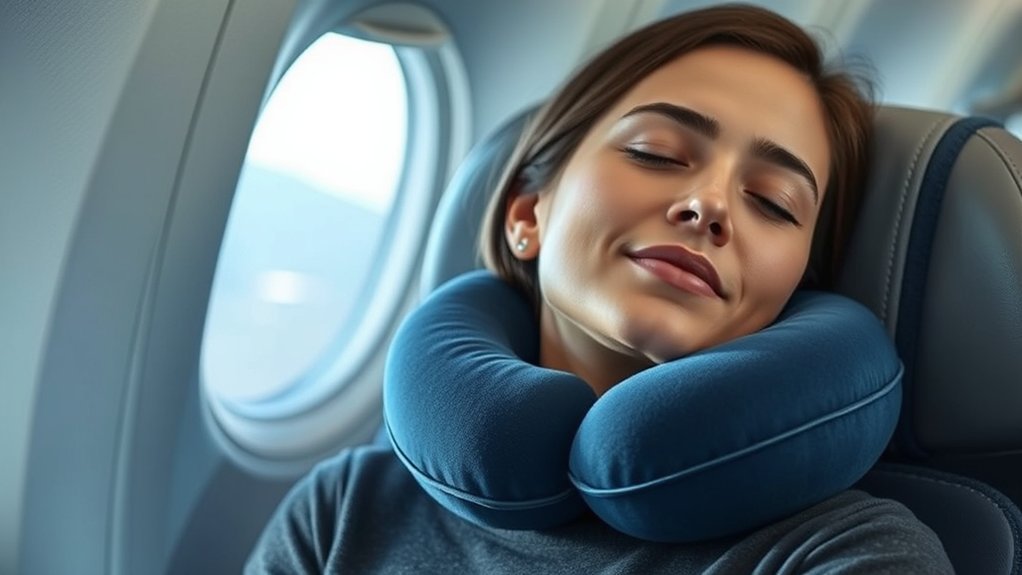
Travel pillows are your single best line of defense against severe neck pain and muscle stiffness during long journeys. By filling the gap between your neck and the seat back, a well-designed travel pillow maintains neutral cervical spine alignment, preventing painful muscle strain and head bobbing. Whether you choose contouring memory foam, adjustable wraps, or ultra-compact inflatables, selecting the right support model transforms exhausting trips into restful travel experiences.
Quick Answer
A high-quality travel pillow relieves neck pain by supporting the weight of your head (10–12 lbs) and keeping the cervical spine in a neutral position while sitting upright. Memory foam pillows offer the best pressure relief, while wrap-around designs prevent forward chin drop and lateral neck flexion during long flights or road trips.
Key Takeaways
- Spinal Neutrality is Key: Preventing lateral tilt and forward chin-drop eliminates strain on the trapezius and levator scapulae muscles.
- Material Selection: Visco-elastic memory foam provides superior contouring, whereas inflatable pillows excel in luggage portability.
- Custom Fit Matters: Adjustable toggles, velcro straps, and internal rib structures allow precise tightness matching your neck size.
- Proper Maintenance: Wash removable covers frequently, but never submerge memory foam cores in water to preserve foam density.
At a Glance: Travel Pillow Selection & Setup
| Setup Time | 1–2 minutes before transit departure |
| Key Features | Memory foam core, seat-tether straps, machine-washable cover, compact pouch |
| Target Neck Angle | 0° lateral tilt, 105°–110° seat recline angle |
| Average Cost Range | $25 to $79 depending on ergonomics and core materials |
Disclosure: As an Amazon Associate I earn from qualifying purchases. Some links on this page are affiliate links, at no extra cost to you.
How Travel Pillows Relieve Neck Pain During Travel
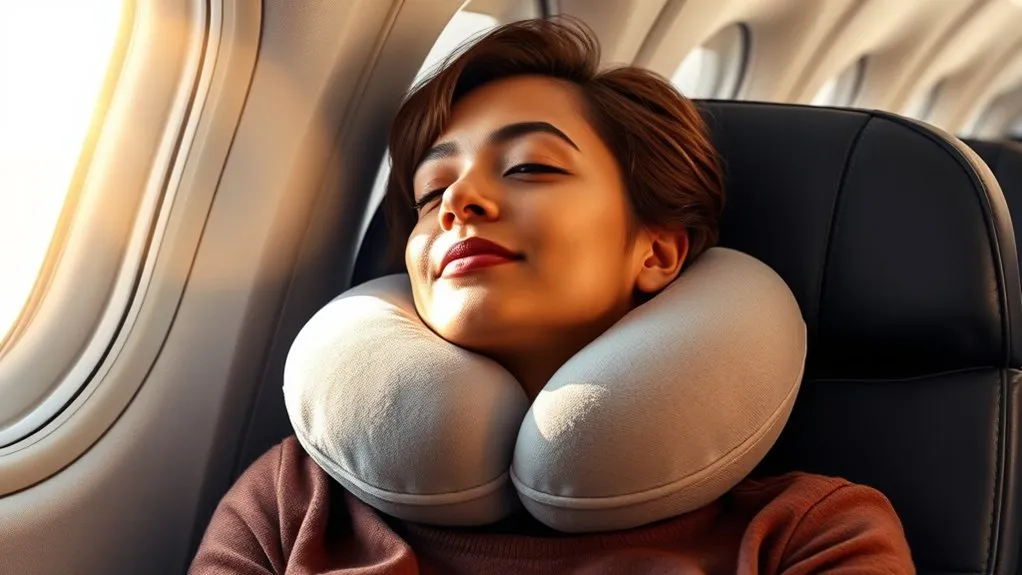
When you sit in an airplane or vehicle seat upright at a 90-degree angle, your head—weighing roughly 10 to 12 pounds—exerts significant gravitational force on your neck muscles. As you fall asleep, muscle tone drops, leading to severe lateral tilting or forward chin-dropping (head bobbing). Clinical guidance on preventing neck strain from prolonged sitting points to sustained poor posture and lack of support as the main drivers of this kind of travel-related soreness, since the neck is left to carry the full weight of the head without assistance.
Specially engineered travel pillows combat this strain by bridging the anatomical void between your jawline, shoulders, and the seat back. By providing continuous 360-degree support, they keep your head in a neutral position aligned with your spinal column. Modern ergonomic designs feature contouring shapes and internal bracing matrices that distribute head pressure evenly across the neck and shoulders, markedly lowering the risk of waking up with stiffness or nerve compression.
Maintaining neutral cervical spine alignment while sleeping upright reduces muscle fatigue and helps prevent micro-trauma to the neck’s facet joints.
What Type of Travel Pillow Suits You Best?
Selecting the ideal travel pillow requires matching your physical sleeping habits with the right materials. Whether you favor the dense cushioning of visco-elastic foam or lightweight inflatable units for minimalist packing, understanding material differences is essential for effective pain relief.
Pillow Types Overview
Different pillow styles serve specific travel habits and neck configurations:
- Memory Foam Pillows: Mold directly to the contours of your chin and neck in response to body heat, providing maximum support and vibration dampening.
- Inflatable Pillows: Deflate into pocket-sized pouches, allowing you to manually adjust firmness by adding or releasing air.
- Microbead Pillows: Filled with tiny polystyrene beads that shift dynamically with movement, offering soft adaptable support (though they lose resilience over time).
- Wrap-Around & Internal Support Scarf Pillows: Utilize an internal structural rib cage wrapped in fleece to brace the head like a neck collar, reducing head bobbing.
- Classic U-Shaped Pillows: Deliver traditional lateral support to stop side-to-side leaning, ideal for back sleepers in semi-reclined seats.
Personal Comfort Preferences
Your ideal choice depends on your primary sleeping posture during transit:
- Side Sleepers: Require taller lateral bolsters or structured wraps that hold the head upright when leaning against the plane wall or window.
- Back Sleepers: Benefit from flat-backed memory foam designs that do not push the head forward while supporting the lower jaw.
- Forward Sleepers: May prefer specialized chest-supported or tray-table inflatable pillows that let you rest your face forward comfortably.
Pro Tip: Recline your seat slightly (105°–110°) if flight conditions allow. Reclining transfers a portion of your head’s weight onto the seat back, reducing the burden on your travel pillow and neck muscles.
Essential Features for Choosing the Best Travel Pillow
When comparing travel pillows for chronic neck pain prevention, look beyond basic aesthetics and evaluate these critical design features:
| Feature | Importance & Functional Benefit |
| Ergonomic Contour | Prevents chin drop and maintains neural spinal curvature. |
| Portability & Compression | Compresses to 50% or smaller to fit easily inside carry-on luggage. |
| Adjustable Closure | Drawstrings, toggles, or velcro to customize circumference and snugness. |
| Washable Cover | Removable zip cover allows machine washing for hygiene after long flights. |
| Breathable Fabric | Hypoallergenic fleece, bamboo, or meshed covers prevent overheating during sleep. |
| Packed Size | Most compressible pillows fit under standard carry-on personal-item limits, so check your airline’s under-seat dimensions before flying. |
Using Your Travel Pillow for Comfort
Simply buying a high-end pillow is not enough—how you position and secure it directly impacts how well it relieves pain. Proper adjustment keeps your neck stabilized throughout turbulence and sudden movements.
Proper Neck Positioning
Follow these positioning techniques based on pillow type:
| Pillow Type | Positioning Technique | Primary Ergonomic Benefit |
| Internal Support / Scarf | Position internal rib frame under jawline on your leaning side; wrap fleece snugly like a scarf. | Prevents extreme lateral neck bending when leaning sideways. |
| U-Shaped Foam | Place opening towards back if your chin tends to drop forward; place opening in front for standard support. | Prevents forward head bobbing when worn backward. |
| Seat-Tethered Bolster | Attach adjustable straps around seat headrest wings; adjust length until neck is cradled securely. | Locks head against headrest and stops forward slippage. |
Adjusting Pillow Tightness
A loose travel pillow lets your head slip into strained positions, rendering its support useless. Wrap or fasten the pillow so it sits snugly against your chin and neck without obstructing breathing or circulation. You should feel comfortable jaw support when your neck relaxes. If you shift from a window-leaning posture to leaning back, readjust the straps to maintain continuous, stable support.
Experimenting With Techniques
Every airplane seat and car headrest is shaped slightly differently. Try shifting the pillow slightly off-center to find what feels best for your body. Many travelers find turning standard U-shaped memory foam pillows 180 degrees (so the bulkier cushion rests directly under the chin) completely solves forward head bobbing.
Warning: Never tighten neck toggles or velcro wraps to the point where they exert pressure on your carotid artery or windpipe. Ensure you can easily slide two fingers between the pillow cover and your neck.
Note: If you use a CPAP machine or have had recent neck surgery, check with your doctor before relying on a snug wrap-style pillow, since some designs restrict jaw movement in ways that can interfere with mask seals or post-surgical healing.
Travel Pillow Maintenance Tips for Longevity
Proper maintenance keeps your pillow hygienic and ensures it retains its supportive structure over time, according to guidance from Sleep Foundation’s travel pillow research:
- Cover Hygiene: Remove and machine-wash outer fabric covers in warm water with mild detergent after every major trip to eliminate accumulated oils, sweat, and airport germs.
- Memory Foam Care: Never submerge visco-elastic memory foam in water or put it in a washing machine. Water breaks down the cell structure of open-cell polyurethane foam. Spot clean with a damp cloth and warm water, then air dry completely.
- Inflatable Maintenance: Fully deflate inflatable air bladders before folding them away. Storing them partially inflated creates stress creases that lead to leaks along the seams.
- Storage Environment: Store your pillow in a breathable mesh bag in a cool, dry place away from direct sunlight. Storing memory foam tightly compressed inside travel sacks long-term can permanently reduce its elasticity.
Pro Tip: Test any new travel pillow at home for an hour or two — reading in a chair or watching TV — before your trip. This lets you find the right tightness and catch any fit issues while you can still exchange it.
Recommended Travel Pillows for Neck Pain Relief
These well-reviewed travel pillows earn high marks for relieving cervical pain during long trips. Prices fluctuate by retailer and season, so treat these as general ranges rather than fixed figures:
- Trtl Travel Pillow (~$44–$55): Features an internal ergonomic rib structure wrapped in soft fleece. It holds the head in a neutral upright position when leaning, making it a strong option for side sleepers. The adjustable-height Trtl Pillow Plus runs closer to $75.
- Cabeau Evolution S3 (~$50): Made from dense memory foam with raised side supports and seat-headrest tether straps that prevent forward head slump.
- Sleep Number U-Neck Pillow (~$25): A budget-friendly, U-shaped down-alternative pillow with 4-inch loft and a machine-washable cover — a solid entry point for occasional travelers.
- Ostrichpillow Go (~$60): Offers 360-degree ergonomic neck bracing with solid memory foam and a customizable hook-and-loop closure.
Note: If you suffer from chronic cervical radiculopathy, herniated discs, or recent neck injuries, consult your orthopedic specialist or physical therapist for tailored travel advice before embarking on long flights.
Frequently Asked Questions
Can travel pillows be used in cars as well as planes?
Yes, travel pillows work exceptionally well in cars, train seats, and long-distance buses. They support passenger neck alignment during road trips, absorbing vibration and preventing muscle strain caused by sleeping against vehicle windows.
Are there travel pillows specifically designed for side sleepers?
Yes, specialized wrap pillows and high-bolster asymmetrical memory foam designs are tailored for side sleepers. They fill the space between shoulder and head, preventing sharp lateral neck bending.
How long can I use a travel pillow before it needs replacing?
With regular travel, high-density memory foam travel pillows typically last between 2 to 3 years. Replace your pillow if the foam fails to spring back, feels lumpy, or no longer holds your head upright firmly.
Can I use a travel pillow for neck pain at home?
Yes, travel pillows offer comfortable neck support while sitting upright in armchairs, reading on the sofa, or watching TV. However, they should not replace a dedicated ergonomic bed pillow for sleeping lying down overnight.
What are the best materials for hypoallergenic travel pillows?
Look for memory foam cores paired with hypoallergenic bamboo, micro-fleece, or organic cotton covers. These fabrics resist dust mites, wick away moisture, and prevent skin irritation during long trips.
Will a travel pillow fit airline carry-on rules?
Most compressible travel pillows are small enough to clip onto a carry-on bag or fit inside it without counting toward a separate personal item, but policies vary by airline. Check your carrier’s current carry-on guidelines if you’re traveling with a bulkier U-shaped or inflatable style.
Conclusion
A well-selected travel pillow is a vital investment in your physical comfort and health while traveling. By supporting neutral spinal alignment, preventing head bobbing, and stabilizing your cervical vertebrae, the right pillow turns grueling long-haul flights into restful journeys. Focus on choosing ergonomic materials suited to your sleeping position, maintain proper fit and cleanliness, and arrive at your destination refreshed, relaxed, and free of unnecessary neck pain.
Sources
- Cleveland Clinic — Clinical guidance on neck pain causes, prevention, and posture during prolonged sitting.
- Sleep Foundation — Hands-on testing methodology and ergonomic analysis of travel pillow materials and cervical posture support.
- National Center for Biotechnology Information (NCBI) — Biomechanical study on upright seating posture and cervical muscle fatigue.
- Trtl Travel — Manufacturer information on internal support matrix engineering for upright sleep.

