
Last Updated on July 30, 2026 by Mason Reed
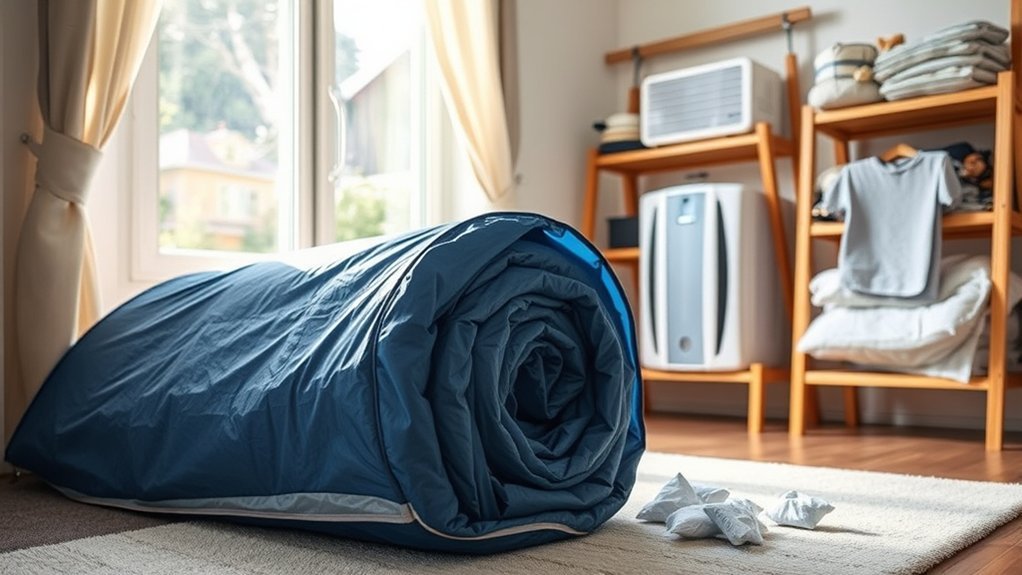
Preventing mold, mildew, and musty odors starts with one rule: never leave a tent packed while damp. After each trip, unpack it promptly, remove dirt, and dry the tent body, rainfly, footprint, seams, and storage bags completely. Store everything loosely in a cool, dry indoor location where heat and humidity cannot damage the fabric or waterproof coatings.
Quick Answer
To prevent tent mold, unpack the tent as soon as possible after each trip, clean off dirt, and air-dry every component completely in a shaded, well-ventilated area. For long-term storage, use a loose mesh or cotton bag and keep the tent in a stable, cool, dry indoor space.
Key Takeaways
- A tent must be completely dry before long-term storage; even hidden moisture in seams, pockets, and the rainfly can cause problems.
- Unpack a wet tent immediately after reaching home, even when you cannot clean it until later.
- Dry tents with airflow in shade or indirect sunlight rather than leaving them in strong sun for an extended period.
- Use only mild, tent-compatible cleaners and follow the care instructions for your tent’s fabric and waterproof coating.
- Store the tent loosely in a breathable bag, not compressed in its trail stuff sack.
- Investigate sticky, flaky, or sour-smelling fabric because the waterproof coating may be breaking down.
At a Glance
| Time Required | About 10–20 minutes to unpack and inspect, plus several hours or longer for complete air-drying |
| Difficulty | Easy |
| Tools Needed | Soft brush, nonabrasive cloth or sponge, water, manufacturer-approved soap or gear cleaner, drying line or rack, and a breathable storage bag |
| Cost | Low; supplies already on hand may be enough, while a technical cleaner or storage bag adds a modest cost |
Disclosure: As an Amazon Associate I earn from qualifying purchases. Some links on this page are affiliate links, at no extra cost to you.
Why Tent Mold and Mildew Prevention Matters
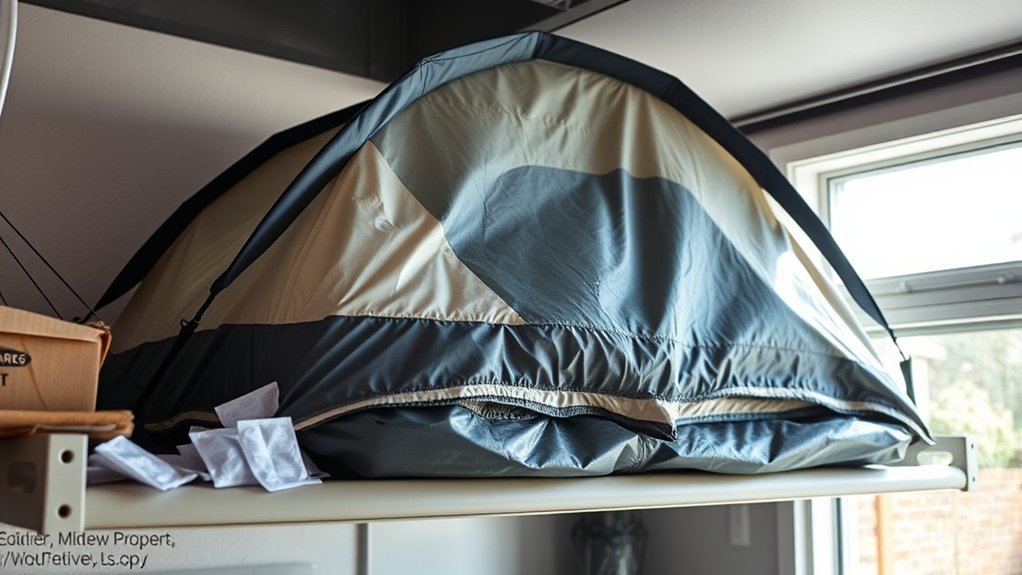
Mold grows where moisture remains available. A damp tent stored in a dark bag gives spores time to grow on dirt, plant residue, food residue, and fabric surfaces. Early warning signs include a musty smell, fuzzy growth, or black, green, brown, white, or orange spots.
Moisture can cause more than an unpleasant odor. It may also contribute to the breakdown of polyurethane waterproof coatings and seam tape. According to REI’s tent-storage guidance, tents stored damp can develop mildew and may become flaky, tacky, or smelly as their waterproof coatings deteriorate.
The safest storage treatment is not a spray or fragrance. It is complete drying followed by loose storage in a cool, dry place.
Visible or musty-smelling mold should be addressed rather than ignored. The Centers for Disease Control and Prevention notes that mold exposure can cause nasal, throat, eye, skin, or breathing symptoms in sensitive people. Handle a moldy tent outdoors when possible, and avoid breathing directly over affected fabric.
Common Causes of Mold and Mildew Growth in Tents
Mold problems usually begin with trapped moisture rather than the storage bag alone. Common causes include:
- Packing the tent wet: Rain, dew, frost, condensation, or wet ground can leave moisture on the tent body, rainfly, and floor.
- Ignoring hidden damp areas: Pole sleeves, gear pockets, folded seams, stake loops, guylines, and the underside of the rainfly often dry more slowly than open panels.
- Storing the tent while dirty: Mud, leaves, sunscreen, food residue, tree sap, and body oils can hold moisture and make cleaning more difficult later.
- Compressing it for months: A small trail stuff sack restricts airflow and keeps fabric and seam tape under pressure.
- Using a damp storage area: Basements, sheds, garages, or closets with recurring condensation can expose the tent to high humidity.
- Leaving it in excessive heat: Hot attics and vehicle trunks can accelerate damage to coatings, seam tape, elastic, and adhesives.
- Storing a damp footprint with a dry tent: Moisture can transfer from the footprint or storage sack back to the tent fabric.
Warning: Do not assume a tent is dry because the outer panels feel dry. Check the floor corners, seams, pockets, rainfly underside, footprint, guylines, and storage bags before putting the tent away.
Check the Care Label and Tent Material First
Cleaning instructions are not identical for every tent. Before soaking, scrubbing, deodorizing, waterproofing, or treating mold, read the care label and the manufacturer’s instructions.
Synthetic Backpacking and Camping Tents
Most lightweight tents use nylon or polyester fabric with polyurethane, silicone, or other waterproof treatments. These materials can be damaged by aggressive scrubbing, bleach, solvents, washing-machine agitation, high heat, and long soaking times.
NEMO’s tent-care instructions recommend hand cleaning, complete air-drying, and loose storage in a breathable sack. They also warn against machine washing and machine drying.
Canvas and Cotton Tents
Canvas and cotton tents absorb more water and can take much longer to dry. They may require a different cleaner, brush, waterproofing treatment, and drying process than coated synthetic tents. Follow the tent maker’s instructions rather than applying advice intended for nylon backpacking tents.
Tents With Lights or Attached Electronics
Disconnect removable lighting, batteries, or controllers before cleaning. Do not submerge electrical components. Spot-clean around fixed wiring according to the manufacturer’s instructions.
What to Do If You Packed Your Tent Wet
Sometimes weather or travel plans make it impossible to dry a tent before leaving camp. Packing it wet for the trip home does not automatically ruin it, but leaving it packed afterward can.
- Unpack it immediately: Open the tent bag as soon as you reach a safe drying location.
- Separate every component: Remove the rainfly, footprint, poles, stakes, guylines, and storage sacks.
- Shake out debris: Remove leaves, grass, sand, and loose mud before they dry onto the fabric.
- Rinse contaminants when necessary: Rinse off heavy mud, salt spray, bird droppings, or other residue using clean water and the manufacturer-approved method.
- Spread or pitch the tent: Create space around each panel so air can reach both sides.
- Turn components during drying: Flip the footprint and rainfly, open doors and vents, and expose pockets and seams.
- Pack only after a final inspection: Touch the floor corners, seam folds, webbing, and storage bags to confirm that no moisture remains.
Coleman’s tent-care guidance similarly advises setting up a wet-packed tent to dry as soon as possible.
Pro Tip: When you arrive home late, drape the tent body and rainfly separately over chairs, a drying rack, or a clean railing. Proper pitching can wait until the next day, but the wet fabric should not remain sealed in its bag overnight.
Proper Tent Drying Techniques

Airflow is the most important part of drying. Set up or hang the tent in a clean, shaded, well-ventilated location. Extended exposure to strong sunlight can weaken tent fabric, so use shade or indirect sunlight for the main drying period. REI recommends drying a cleaned tent completely in a cool, shaded area.
Step-by-Step Drying Process
- Open the tent fully: Unzip doors, vents, windows, and gear pockets.
- Remove the rainfly: Dry it separately so its underside receives airflow.
- Lift the floor from the ground: Pitch the tent on a dry surface or hang it so moisture cannot remain trapped underneath.
- Turn the fabric: Flip or rotate loose components so both sides dry evenly.
- Wipe pooled water: Use a clean, absorbent towel on floor corners or coated surfaces where water collects.
- Dry guylines and webbing: These thicker materials can remain damp after the main panels feel dry.
- Dry the bags: Turn the tent sack, pole sack, and stake bag inside out if they became wet.
- Inspect before storage: Check seams, folds, pole sleeves, pockets, and the footprint by touch.
Indoor drying is suitable when the room has good air circulation. A fan can improve airflow, and a dehumidifier can help when the room is humid. Keep the tent away from heaters, fireplaces, clothes dryers, and other concentrated heat sources.
Note: Drying time varies with fabric thickness, humidity, airflow, and how wet the tent became. Do not rely on a fixed number of hours; store the tent only after every component is dry.
Cleaning Your Tent to Prevent Mold and Mildew
A tent does not need a deep wash after every trip. Routine care usually begins with shaking out debris, brushing away dried dirt, and spot-cleaning soiled areas.
Routine Spot Cleaning
- Pitch the tent or spread it on a clean surface.
- Shake out sand, leaves, and loose dirt.
- Use a soft brush or dry cloth around corners, pockets, zippers, and seams.
- Apply a small amount of manufacturer-approved mild soap or technical gear cleaner with a nonabrasive cloth or sponge.
- Rinse away all cleaner residue.
- Air-dry the tent completely before storage.
REI recommends cold-to-lukewarm water, a small amount of mild soap for spot cleaning, or a cleaner designed for outdoor gear. A product such as Revivex Pro Cleaner may be suitable when its directions match the tent manufacturer’s care instructions.
Deep Cleaning
Deep cleaning may be appropriate after exposure to heavy mud, salt, smoke, body oils, bird droppings, or widespread grime. Some manufacturers permit careful hand soaking, while others allow only spot cleaning. Follow the tent’s instructions for water temperature, cleaner quantity, and soak time.
Do not scrub the underside of a coated rainfly aggressively. Excessive friction can damage or remove the waterproof coating. Rinse thoroughly and support wet fabric while moving it so the weight of the water does not strain seams or mesh.
Warning: Do not machine wash, machine dry, iron, dry-clean, pressure-wash, or apply household mold sprays unless the tent manufacturer expressly allows the method. Never mix bleach with ammonia, acids, or other cleaners.
How to Remove Mold and Musty Odors
Small, recent mold spots and musty odors may improve with careful cleaning. Deeply embedded growth, permanent staining, and damaged coatings can be harder or impossible to restore fully.
- Work outside: Choose a dry, ventilated area and keep the tent away from living spaces while cleaning.
- Protect yourself: Wear gloves, and avoid brushing dry mold aggressively because this can release particles into the air.
- Check the care instructions: Confirm which cleaners and soaking methods are safe for the fabric and coating.
- Remove loose dirt: Wipe or gently brush the affected area without grinding debris into the fabric.
- Wash with a tent-safe cleaner: Start with the mildest manufacturer-approved method.
- Rinse as directed: Remove cleaner residue unless the chosen product specifically says not to rinse.
- Treat lingering odor separately: A tent-compatible odor eliminator may help after cleaning.
- Dry completely: Use airflow in shade or indirect sunlight.
- Inspect waterproofing: Test for sticky coating, peeling seam tape, leaks, or delamination before the next trip.
GEAR AID’s mold and tent-odor instructions distinguish between cleaning visible contamination and treating odor. Its guidance also warns against scrubbing the coated underside of a rainfly.
Should You Use Bleach?
Do not apply bleach merely because it is commonly recommended for household mold. Bleach may discolor tent fabric or harm coatings, seam tape, thread, or water-repellent treatments. Use it only when the tent manufacturer gives a specific dilution and application method for that model and fabric.
Should You Use Essential Oils or Fragrance Sprays?
Essential oils, air fresheners, and perfume sprays do not remove the moisture or contamination causing an odor. They may also leave residue or stain fabric. Clean the source of the smell instead, and do not apply an oil directly to the tent unless the manufacturer confirms that it is compatible.
Is the Smell Mold or Waterproof-Coating Damage?
Not every unpleasant tent odor comes from active mold. Older polyurethane coatings can break down through hydrolysis, especially after long exposure to moisture or heat.
Signs More Consistent With Mold or Mildew
- Musty or earthy smell
- Fuzzy, powdery, or spotty surface growth
- Black, green, brown, white, or orange marks that appeared after damp storage
- Growth concentrated around dirty, folded, or poorly ventilated areas
Signs More Consistent With Coating Breakdown
- Sticky or gummy fabric
- Flaking or peeling on the coated side
- Seam tape lifting or turning brittle
- A sour, chemical, fishy, or vomit-like odor that returns after cleaning
- Waterproofing that fails even though the fabric is clean
A damaged coating may require stripping and recoating, professional repair, or tent replacement. Before relying on the shelter in rain or remote conditions, perform a controlled hose test and inspect all seams and coated panels.
Warning: Replace or professionally assess a tent with widespread fabric weakness, extensive delamination, failing seams, severe mold, or waterproofing you cannot restore. An unreliable shelter can become a safety problem in cold, wet, or remote conditions.
How to Store Your Tent Properly

Once the tent is clean and completely dry, choose storage conditions that reduce heat, moisture, compression, and pest exposure.
Ideal Storage Conditions
- Cool: Use a location with a stable indoor temperature rather than an attic, vehicle trunk, or space next to a heater.
- Dry: Avoid rooms with leaks, condensation, damp floors, or recurring high humidity.
- Dark: Keep the tent away from direct sunlight during storage.
- Clean: Store it off dirty floors and away from oil, fuel, solvents, paint, and household chemicals.
- Pest-resistant: Use a clean shelf or container system that discourages rodents and insects without sealing damp fabric inside.
There is no universal 50°F–70°F storage requirement. A stable, cool, dry indoor location is more important than achieving an exact number.
Moisture Management Techniques
Start by controlling the room rather than placing chemicals against the tent. If the storage space is often humid, improve ventilation, repair leaks, or use a dehumidifier. A basic hygrometer can help you identify recurring humidity problems.
Silica-gel packets or a moisture absorber may be used as supplemental protection in the storage area, but they do not make a damp tent safe to pack. Keep liquid-collecting moisture absorbers upright in a separate tray where they cannot spill onto the fabric, poles, or storage bag.
Tent Packing Methods
- Confirm that every component is dry.
- Remove grit and debris.
- Loosen the fabric: Do not leave the tent tightly compressed for months.
- Use a breathable bag: A large mesh sack, cotton storage bag, or clean pillowcase works well for many tents.
- Avoid airtight plastic: Plastic can trap residual moisture and makes inspection difficult.
- Store poles thoughtfully: Clean and dry them first. Follow the manufacturer’s guidance for folding or partially assembling shock-corded poles.
- Keep stakes dry: Brush off soil and allow metal stakes to dry before placing them in their sack.
- Store the footprint separately when needed: A footprint that is slightly damp or dirty should never be rolled against the tent body.
REI recommends storing a tent loosely in a mesh bag or pillowcase rather than leaving it compressed in its stuff sack. NEMO similarly recommends a breathable storage sack for long-term storage.
Pro Tip: Keep the compact trail stuff sack with the stored tent, but place both inside a larger breathable bag. This keeps the original parts together without leaving the tent compressed.
Regular Tent Inspections
Inspect the tent before and after each trip. Also check it during long storage periods, particularly after humid weather, a plumbing leak, or a change in the storage room.
There is no single inspection interval that fits every home. A tent in a climate-controlled closet may need only an occasional seasonal check, while gear stored in a humid garage or basement should be examined more frequently.
What to Check
- Musty or unusual odors
- Black, green, brown, white, or orange spots
- Damp fabric, storage bags, or guylines
- Sticky or flaking waterproof coatings
- Peeling seam tape
- Corroded stakes or damaged pole sections
- Grit in zipper teeth
- Rodent or insect damage
- Tears, pinholes, stretched mesh, or loose stitching
Address problems before the next trip. Cleaning, seam sealing, patching, or replacing a weak component at home is easier than discovering the failure during a storm.
Post-Trip Tent Storage Checklist
- Unpack the tent promptly.
- Separate the body, rainfly, footprint, poles, stakes, and bags.
- Shake out leaves, sand, and dirt.
- Spot-clean contamination with an approved cleaner.
- Rinse cleaner residue as directed.
- Dry both sides of every fabric component.
- Check seams, pockets, webbing, and guylines for hidden moisture.
- Clean and dry poles and stakes.
- Inspect coatings, seam tape, mesh, zippers, and stitching.
- Store the tent loosely in a breathable bag.
- Choose a cool, dry indoor location away from sunlight and chemicals.
- Recheck the tent periodically if the storage space is humid.
Frequently Asked Questions
Can I use a regular plastic bag for tent storage?
An airtight plastic bag is a poor choice for long-term storage because it can trap residual moisture. Store a completely dry tent loosely in a large mesh sack, cotton bag, or clean pillowcase. A plastic bin may be used for pest protection only when the tent is fully dry and the bin is kept in a dry location.
How often should I inspect my stored tent?
Inspect it before and after each trip and occasionally during long storage. Check more often when the tent is kept in a humid garage, basement, shed, or other space where temperature and moisture change frequently.
What is the best temperature for tent storage?
Tent manufacturers generally recommend a cool, dry, stable location rather than a universal temperature range. Avoid hot attics, vehicle trunks, damp basements, heaters, and direct sunlight. A climate-controlled indoor closet is usually a better choice.
Can I use essential oils to prevent tent odors?
Essential oils do not remove moisture, mold, dirt, or deteriorating waterproof coatings. They may leave oily residue or stains. Clean the source of the odor and use only a tent-compatible deodorizer approved for the fabric.
Should I store my tent indoors or outdoors?
Indoor storage is normally safer because it limits exposure to rain, condensation, sunlight, pests, and large temperature swings. Choose a dry closet or gear room rather than a damp basement, hot attic, outdoor shed, or vehicle.
What should I do if I packed my tent wet?
Unpack it as soon as you reach home. Separate the rainfly, tent body, footprint, and storage sacks; remove debris; rinse off mud or salt when necessary; and spread or pitch every component in a shaded area with strong airflow until completely dry.
Can a moldy tent be saved?
Small, recent spots and mild odors may improve with manufacturer-approved cleaning and complete drying. A tent with widespread growth, weak fabric, persistent odor, peeling seam tape, or failing waterproof coatings may require professional repair or replacement.
Should I store my tent folded or stuffed?
Either method can work when the tent is clean, completely dry, and stored loosely. Avoid leaving it tightly compressed. Some manufacturers recommend varying fold lines to reduce repeated creasing, so check the care instructions for your tent.
Conclusion
The most effective way to prevent tent mold, mildew, and odors is to remove moisture before storage. Unpack wet gear promptly, clean it with a tent-compatible method, and dry every component with plenty of airflow. Once dry, store the tent loosely in a breathable bag in a cool, stable indoor location.
Regular inspections also help you catch mold, peeling seam tape, damaged coatings, and hidden moisture before the tent fails. When a smell remains after cleaning, check for sticky or flaking waterproof material rather than covering the odor with fragrance. Proper care protects both the tent fabric and its ability to keep you sheltered in bad weather.
Sources
- REI Co-op: How to Store a Tent — complete drying, loose storage, and suitable storage locations
- REI Co-op: How to Clean a Tent — cleaning supplies, rinsing, drying, mildew, and coating care
- NEMO Equipment: Cleaning, Repairing, and Storing Your Tent — hand washing, indirect drying, and breathable storage
- Coleman: Tent Care and Cleaning Guide — wet-pack recovery, ventilation, machine-washing warning, and storage
- GEAR AID: How to Remove Mold, Mildew, and Tent Odors — tent-safe cleaning, deodorizing, and coating precautions
- Centers for Disease Control and Prevention: Mold — mold identification, moisture control, and possible health effects

