
Last Updated on July 29, 2026 by Mason Reed
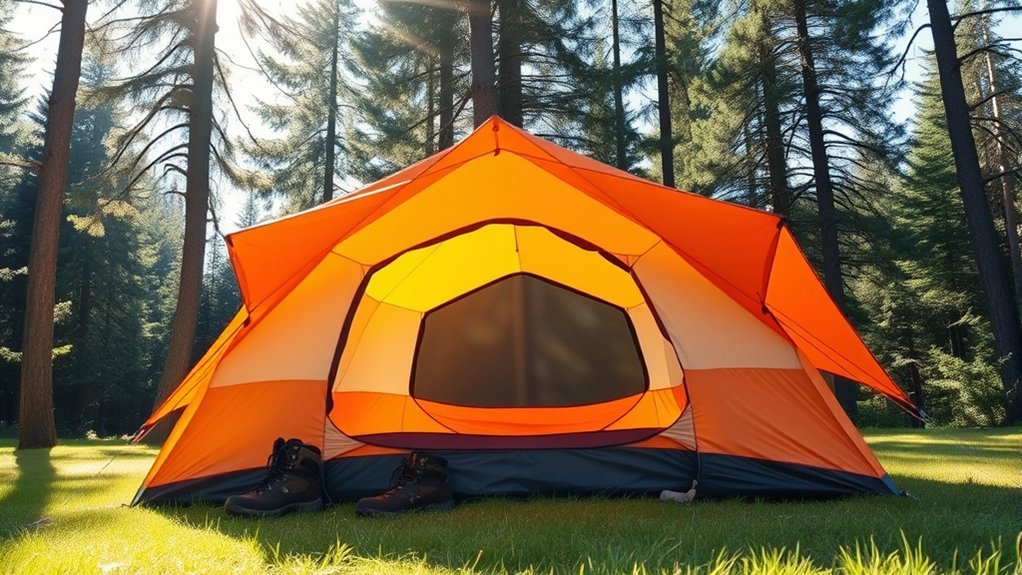
Moisture can stay hidden in a tent floor, rainfly, seams, and stuff sack even when the fabric feels mostly dry. After every camping trip, unpack your shelter promptly and give each part enough moving air to dry completely. The safest method is a shaded, breezy setup or a well-ventilated indoor space—not hours of intense direct sun.
Quick Answer
After every trip, unpack the tent and dry the body, rainfly, and footprint completely before long-term storage. Pitch or hang them in a shaded, breezy place, open every door and vent, and turn damp panels as needed. Use a fan indoors if conditions are wet, but avoid heaters, dryers, and prolonged direct sun.
Key Takeaways
- Air out your tent after every trip, even when it did not rain; dew and condensation can leave fabric damp.
- Dry until every seam, corner, floor panel, rainfly, and footprint feels completely dry—not for a fixed number of hours.
- Choose shade and moving air. Brief mild sun can help, but prolonged UV exposure can weaken tent fabric.
- For long-term storage, use a roomy, breathable bag in a cool, dry place instead of leaving the tent tightly compressed.
- Use only cleaning products and methods allowed by your tent manufacturer, especially when treating mold, mildew, or coating odors.
At a Glance
| Time Required | Usually several hours; overnight or longer in cool, humid, or still air |
| Difficulty | Easy |
| Tools Needed | Microfiber towel or sponge, soft brush, drying line or clean surface, and an optional fan |
| Cost | $0 for routine drying; cleaner cost varies if treatment is needed |
Disclosure: As an Amazon Associate I earn from qualifying purchases. Some links on this page are affiliate links, at no extra cost to you.
Why Airing Out Your Tent Is Essential
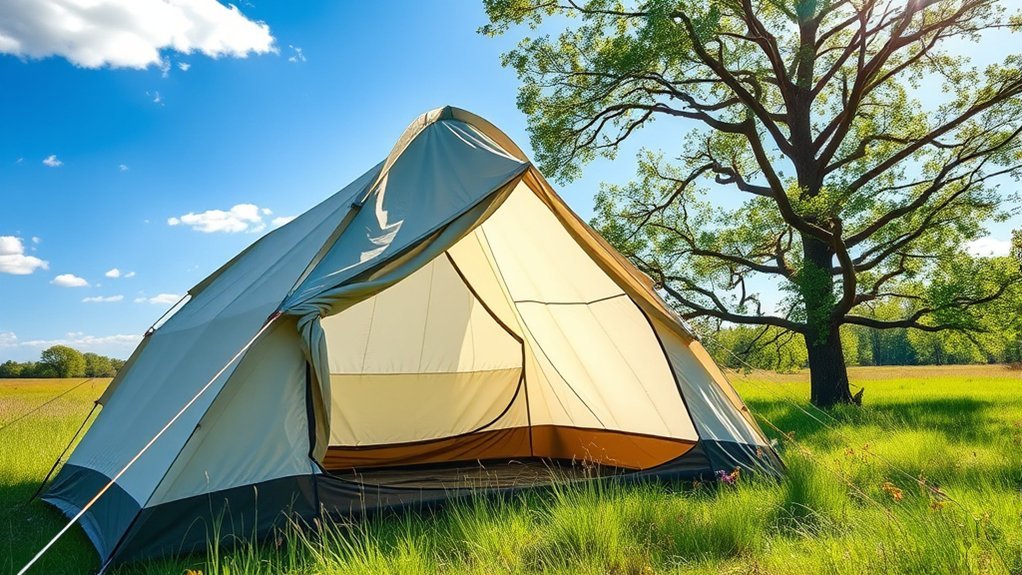
Airing out a tent protects more than its smell. Damp fabric can support mildew, stain the material, and speed the breakdown of some polyurethane waterproof coatings. A tent may also hold moisture from dew, ground condensation, humid air, or your breath even when the trip was dry.
The goal is not to bake the tent in the sun. According to MSR tent-care guidance, UV exposure can weaken nylon fibers over time. Set the shelter up in shade or gentle morning light, create as much airflow as possible, and move it out of strong sun once the moisture is gone.
The correct drying time is “until every part is completely dry,” not a universal two-hour, four-hour, or six-hour rule.
When to Air Out Your Tent
Air out your tent as soon as practical after each trip. Pay special attention after rain, heavy dew, snow, humid weather, or a night with visible condensation. The same rule applies before seasonal or long-term storage.
- After rain, dew, or condensation: Unpack the tent when you get home, even if the outside dried at camp. The floor, rainfly, pole sleeves, and folded seams may still be damp.
- After every normal trip: Shake out dirt and let the shelter breathe. Body moisture and cool ground can create dampness that is easy to miss.
- Before long-term storage: Confirm that the tent body, rainfly, footprint, guylines, poles, stakes, and storage bag are clean and dry.
- After cleaning or repairs: Allow cleaners, seam sealers, patches, and waterproofing treatments to cure for the full time listed on their labels before packing.
Note: Packing a wet tent for the trip home is sometimes unavoidable. That is temporary transport, not storage. Unpack and dry it at the first safe opportunity.
Step-by-Step Guide to Airing Out Your Tent
1. Unpack and Separate Every Part
Remove the tent from its stuff sack right away. Separate the tent body, rainfly, footprint, poles, stakes, guylines, and loose accessories. Take out bedding, clothing, and gear so they cannot trap moisture against the floor.
2. Remove Dirt and Standing Water
Shake out leaves, sand, and dry dirt. Use a soft brush for stubborn debris. Blot puddles and wet panels with a clean microfiber towel rather than rubbing hard, which can grind grit into the fabric or coating.
3. Pitch or Hang the Tent
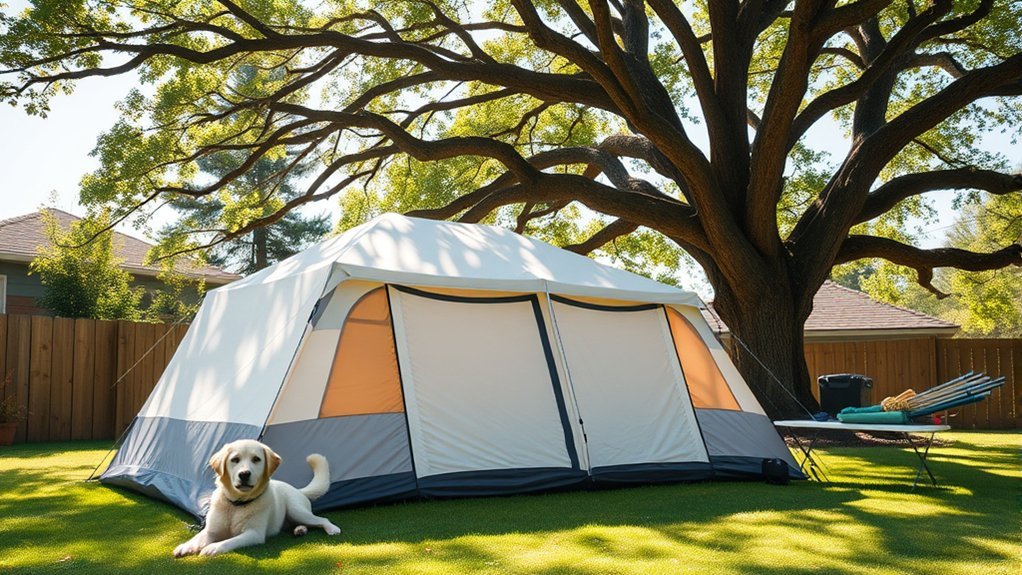
Pitch the tent in a shaded, breezy area when space allows. Open all doors, vents, windows, and vestibules. If you cannot pitch it, drape each fabric part loosely over a clean drying rack or line. Avoid sharp edges, dirty concrete, and surfaces that can transfer oil or chemicals.
4. Dry the Rainfly and Footprint Separately
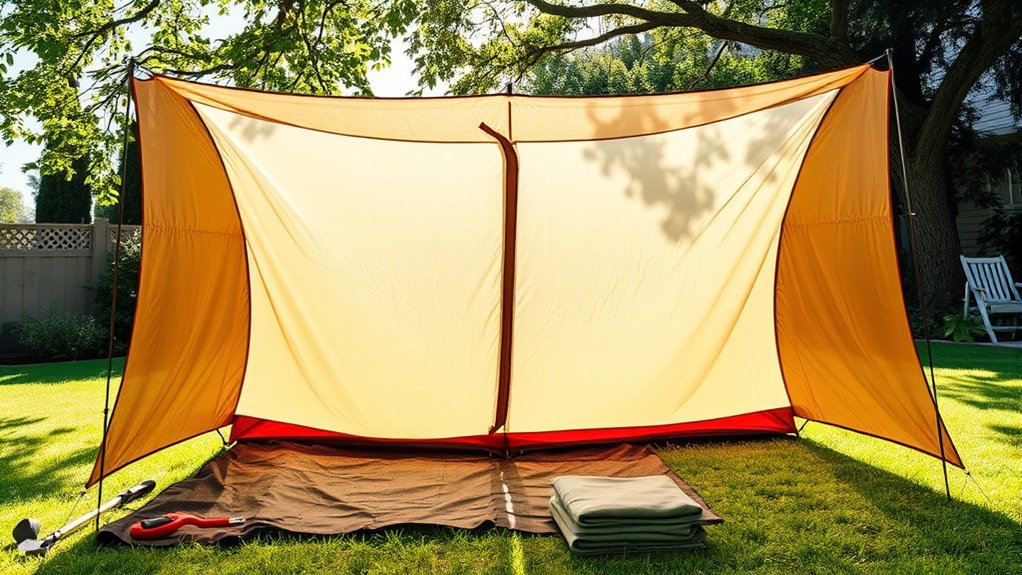
The rainfly and footprint often stay wet longer than mesh and upper tent panels. Turn them over at least once so both coated and uncoated sides receive air. Do not leave wet layers stacked together.
5. Increase Airflow Indoors
When outdoor conditions are rainy or humid, use a garage, covered porch, spare room, or other ventilated space. Place a fan several feet away and aim it across—not directly into—a fully soaked panel. Keep cords, plugs, and the fan base away from wet areas.
Warning: Do not use a clothes dryer, hair dryer, space heater, open flame, or other concentrated heat source. Heat can damage fabric, seam tape, mesh, and waterproof coatings, and electrical devices create added risk around wet gear.
6. Check Hidden Damp Spots
Run clean, dry fingers along seams, corners, pole sleeves, zipper flaps, bathtub-floor edges, and the underside of the rainfly. Unfold any creases and check the storage sack too. If a section feels cool, clammy, or tacky from moisture, keep drying it.
7. Inspect Before Storage
Before putting the tent away, check for bent poles, damaged shock cord, missing stakes, zipper grit, small tears, loose seam tape, peeling coating, and mildew spots. Repairing minor problems now makes the next setup easier.
Sunlight and Airflow
Moving air is the safest drying tool. Mild, brief sunlight may speed evaporation, but prolonged direct sun is not necessary and can shorten fabric life. A shaded site with open doors and a steady breeze is often better than a hot, still backyard.
Pro Tip: Clip or stake the rainfly so it forms a loose curve instead of lying flat. Air can then reach both surfaces, and water cannot pool in low spots.
Clean and Dry Essentials
Routine airing usually requires no soap. Brush off dry debris, wipe away water, and let the fabric dry. If the tent is dirty, follow the model-specific care label or manual. Big Agnes recommends warm—not hot—water and a tent-specific wash for its tents. Other brands may give different instructions, so manufacturer guidance should come first.
Recommended Drying Time for Your Tent
A fixed drying time cannot guarantee a dry tent. A lightly damp shelter may dry in a few hours in warm, low-humidity air, while a soaked tent in cool or humid weather may need overnight or longer. Thick seams, folded hems, footprints, and coated floors usually take the longest.
Ideal Drying Conditions
The best conditions combine low humidity, steady airflow, moderate temperature, and protection from prolonged UV exposure. Open the tent fully, separate the rainfly and footprint, and turn or reposition them as needed. Dryness—not the clock—is the finish line.
Humidity Impact on Drying
| Conditions | Likely Drying Window | Best Approach |
|---|---|---|
| Warm, dry, breezy | Often a few hours | Pitch in shade, open vents, and turn the fly and footprint |
| Mild or partly humid | Several hours to overnight | Add a fan or move gear to a covered, ventilated area |
| Cool, wet, or very humid | Overnight or longer | Dry indoors in stages and recheck seams and corners |
These are planning ranges, not guarantees. Keep drying until all parts pass the touch test and no folded area holds moisture.
Effective Storage Practices After Airing Out
Once the tent is completely dry, store it in a way that limits compression, heat, humidity, and UV exposure.
- Use breathable long-term storage: Place the dry tent loosely in a large cotton, mesh, or similarly breathable bag. A clean pillowcase can work. The compact stuff sack is best for travel rather than months of storage.
- Choose a cool, dry location: An indoor closet or under-bed space is usually safer than a damp basement, hot attic, shed, or vehicle trunk.
- Avoid permanent creases: Fold or roll the tent differently from time to time, or store it loosely stuffed if the manufacturer allows it.
- Keep components dry: Wipe poles and stakes before storage. Let dirty or salty hardware dry fully to reduce corrosion.
- Reduce pole-cord strain: For shock-corded poles, fold sections from the middle toward the ends so tension is distributed more evenly.
MSR and NEMO both advise cool, dry, loose storage away from direct sunlight.
Common Causes of Odor in Tents
Different smells point to different problems, so identify the likely cause before choosing a cleaner.
- Musty or earthy odor: Often linked to trapped moisture, mildew, or dirt left in storage.
- Food, smoke, pet, or body odor: Usually sits on the fabric or in debris and may improve with careful cleaning.
- Sharp, sour, fishy, or vomit-like chemical odor: May come from a degrading polyurethane coating, especially when the fabric also feels sticky, tacky, or flaky.
- Stale storage-bag odor: The tent may be dry while the sack, footprint, or accessory bag remains damp or dirty.
Moisture-related coating breakdown is called hydrolysis. REI notes that prolonged damp storage can damage polyurethane coatings. If a coated surface is peeling, sticky, or no longer waterproof, ordinary deodorizing may not solve the underlying damage.
Cleaning Methods to Remove Stubborn Odors
Start with the gentlest method and check the tent maker’s instructions before soaking the shelter or applying any product.
- Air and dry first: Many mild odors fade after debris is removed and the tent is dried completely in moving air.
- Spot clean: Use lukewarm water, a soft nonabrasive sponge, and a cleaner approved for tents or technical fabrics. Rinse away residue and air-dry fully.
- Use a gear odor treatment when allowed: For persistent organic odors, follow the label for a product such as Revivex Odor Eliminator. This is the current name of the product formerly sold as MiraZyme.
- Treat visible mold carefully: Clean outdoors or in a well-ventilated area, avoid breathing disturbed spores, and follow both the tent manufacturer’s instructions and the cleaner label. Severe mold staining or coating damage may be permanent.
- Contact the manufacturer for coating failure: If the fabric is tacky, peeling, or chemically smelly, ask whether the coating can be stripped and reapplied or whether replacement is the safer option.
Warning: Do not assume that vinegar, bleach, lemon juice, salt, baking soda, household detergent, or a long hot-water soak is safe for your tent. These treatments can discolor fabric, leave residue, or damage coatings and seam tape. Use them only when the tent manufacturer specifically approves the method.
Preventative Measures for Maintaining Freshness
- Use a footprint correctly: Keep it fully under the tent floor so it does not collect rainwater.
- Ventilate while camping: Open high and low vents when weather allows to reduce condensation.
- Keep food and wet gear out: Store muddy shoes and soaked clothing in the vestibule or another protected area instead of against the tent floor.
- Shake out grit: Sand and dirt can abrade coatings when the tent is folded and compressed.
- Dry after every trip: Do not rely on how the outer fabric looked at the campsite; inspect folded and coated areas at home.
- Store loosely and indoors: Keep the dry shelter in a breathable bag in a stable, cool, dry place.
- Check it before the next season: Pitch the tent, inspect seams and zippers, and confirm that no stale odor or dampness developed in storage.
Note: This guidance fits most synthetic backpacking and car-camping tents. Cotton-canvas, polycotton, rooftop, inflatable, and specialty shelters may require different cleaning, seasoning, or storage steps. Follow the manufacturer’s manual for your exact model.
Frequently Asked Questions
Can I air out my tent indoors?
Yes. Pitch it in a garage or room with enough space, or drape each part loosely over clean supports. Open doors and vents, protect the floor from drips, and use a fan for cross-ventilation. Keep electrical equipment and cords away from wet fabric.
What should I do if my tent smells musty?
Unpack it, remove dirt, and dry it completely first. If the smell remains, spot clean or use a tent-safe odor treatment according to the manufacturer and product label. Check closely for mildew, sticky coating, peeling seam tape, or flaking waterproof material.
Is it okay to use a fan while airing out a tent?
Yes. A fan can improve airflow, especially indoors. Put it on a stable, dry surface, keep plugs and cords away from water, and aim the airflow across the tent rather than placing the fan against wet fabric.
How often should I air out my tent?
Air it out after every trip and before long-term storage. Do this even in dry weather because condensation, ground moisture, and body vapor can leave hidden areas damp.
Can I store my tent wet if it is cold outside?
No. Cold weather may slow mildew, but it does not make damp long-term storage safe. You may pack a wet tent temporarily for transport, but unpack and dry it completely as soon as practical.
Should I dry my tent in direct sunlight?
Brief mild sun is usually less concerning than prolonged exposure, but shade and airflow are safer for routine drying. Move the tent out of strong sun once it is dry because UV light can weaken synthetic fabric over time.
How can I tell whether my tent is fully dry?
Check seams, corners, floor edges, pole sleeves, zipper flaps, the underside of the rainfly, and both sides of the footprint. The material should not feel cool, clammy, or damp, and no moisture should appear when folded areas are opened.
Conclusion
Airing out your tent is a simple habit, but the details matter. Unpack it promptly, separate every part, remove water and grit, and use shade plus steady airflow until the fabric is completely dry. Then inspect the shelter and store it loosely in a cool, dry place. This routine prevents avoidable odors and moisture damage while keeping your tent ready for the next trip.
Sources
- MSR: Tent Care Tips for a Longer Tent Life — drying, UV exposure, and loose storage guidance
- MSR Support: How to Keep a Tent Clean and Dry — cool, dry, breathable long-term storage
- Big Agnes: How to Wash Your Tent — water temperature, cleaner choice, and drying guidance
- NEMO Equipment: Storing Your Adventure Equipment — loose storage away from UV light
- GEAR AID: How to Remove Mold, Mildew, and Tent Odors — tent-safe cleaning and odor treatment
- REI Co-op: How to Clean, Waterproof, and Care for a Tent — mildew, moisture, and polyurethane coating care
