
Last Updated on July 29, 2026 by Mason Reed
Frozen tent zippers usually result from moisture, snow, condensation, or grit collecting around the teeth and slider and then freezing. A clean, dry zipper and careful handling are more effective than forcing it open or coating it with household oil. The steps below cover prevention, safe thawing, cleaning, lubrication, troubleshooting, and winter tent setup.
Quick Answer
To prevent tent zippers from freezing, brush away snow and grit, keep the zipper as dry as possible, and apply a thin layer of manufacturer-approved zipper lubricant after cleaning. If ice forms, stop pulling, warm the zipper gently with your hands or a warm dry cloth, and move the slider only after the ice softens.
Key Takeaways
- Moisture and debris cause most cold-weather zipper problems; cold alone is rarely the only factor.
- Use a soft brush, lukewarm water, and a zipper-specific cleaner or lubricant approved for your tent.
- Never force a frozen slider or use a flame, boiling water, household oil, or chemical de-icer.
- Keep the vestibule clear, the tent properly tensioned, and snow away from the door and ventilation openings.
- Stop field repairs if teeth are missing, the zipper tape is torn, or the track repeatedly separates behind the slider.
At a Glance
| Time Required | About 10–20 minutes for routine cleaning and lubrication |
| Difficulty | Easy, provided the zipper is not torn or mechanically damaged |
| Tools Needed | Soft toothbrush, clean cloth, lukewarm water, and zipper-specific cleaner or lubricant |
| Cost | Approximately $0–$15, depending on the supplies you already own |
Disclosure: As an Amazon Associate I earn from qualifying purchases. Some links on this page are affiliate links, at no extra cost to you.
Understanding Why Tent Zipper Maintenance Matters
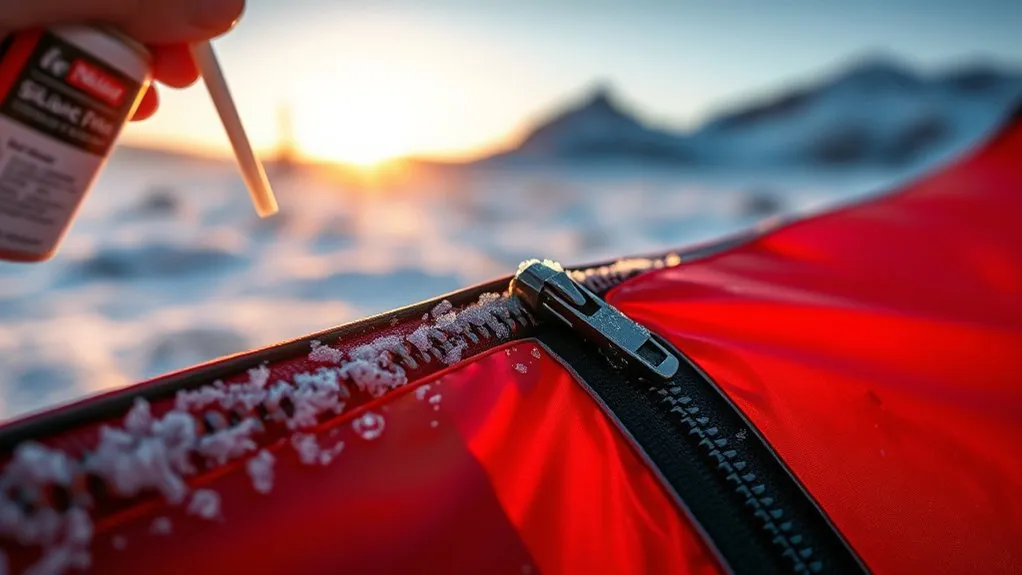
A zipper consists of two rows of elements or coils attached to fabric tape and a slider that joins or separates them. The slider, elements, tape, and stops all need to remain aligned for the zipper to work smoothly.
In winter, water from falling snow, wet gloves, condensation, or melting frost can collect around these parts. When the moisture freezes again, it can lock the slider to the track. Fine sand, mud, and grit make the problem worse by increasing friction and trapping additional moisture.
A tent zipper usually freezes because moisture has reached the slider and track—not simply because the air is cold.
Regular maintenance also helps prevent ordinary sticking. Before a winter trip, inspect the complete zipper while the tent is pitched. Look for:
- Grit or dried mud between the zipper elements
- Fabric caught near the slider or rubbing against the track
- Loose stitching where the zipper tape joins the tent
- Bent, missing, or distorted elements
- A slider that moves but allows the track to separate behind it
- Excess door tension that makes the zipper difficult to close
Pro Tip: Test the zipper with the tent fully pitched. A zipper that works while the tent is loose on the floor may bind after the shelter is tensioned.
Choosing the Right Zipper Lubricant for Cold Weather
The safest default is a product made specifically for outdoor-gear zippers. Check both the lubricant label and your tent manufacturer’s instructions before applying it. This is especially important for coated, water-resistant, or specialized zippers.
| Lubricant Type | Best Use | Important Caution |
|---|---|---|
| Zipper-specific cleaner and lubricant | Best general choice for routine cleaning and lubrication | Follow the product directions and wipe away excess liquid |
| Zipper-specific wax | Heavy-duty zippers when the tent or zipper maker permits wax | Too much wax can collect grit; apply a thin layer only |
| Silicone product labeled for zippers | Only when approved for the zipper and surrounding tent material | Avoid generic aerosol overspray because it may mark fabric or coatings |
| Graphite pencil | Possible short-term field option on compatible exposed teeth | Not a universal manufacturer-approved treatment; avoid coated zipper surfaces |
A current example is GEAR AID Zipper Cleaner and Lubricant, which is designed to remove debris and lubricate zippers on outdoor equipment. Product names and formulas can change, so always read the current instructions rather than relying on an old brand name.
Warning: Do not use cooking oil, motor oil, petroleum grease, scented lip balm, or a general-purpose household spray. These products may stain the tent, attract grit, damage some materials, or become sticky in cold conditions.
Note: Some water-resistant zippers have a surface coating. Do not scrub that surface aggressively or apply an unapproved solvent, wax, or spray.
How to Clean Your Tent Zippers
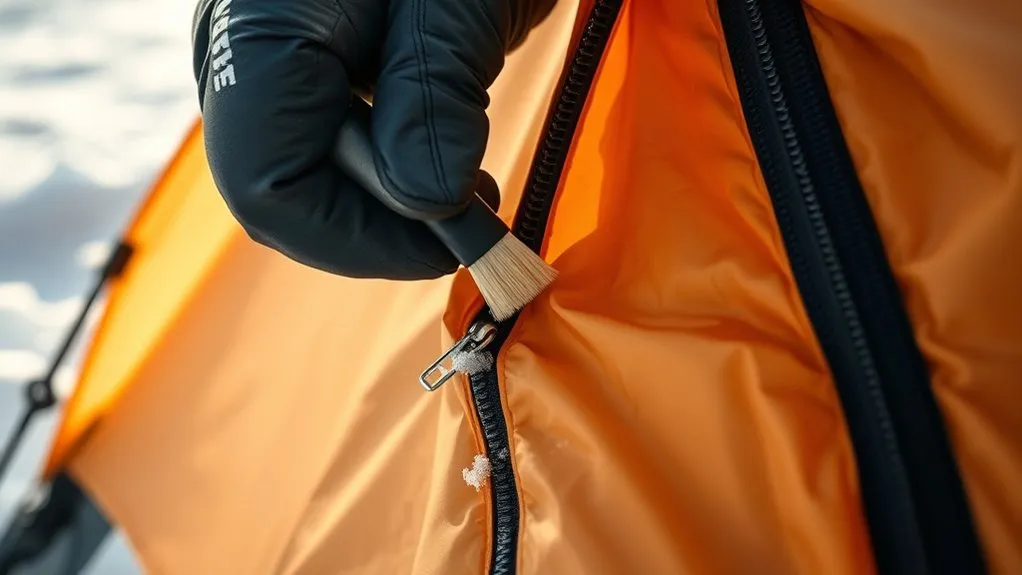
Clean the zipper before adding lubricant. Applying lubricant over dirt can trap abrasive particles around the slider and zipper track. Tent manufacturer Hilleberg specifically recommends using a small brush to remove sand and grit from tent zippers, while general tent-care guidance also supports gentle brushing and rinsing rather than forcing a dirty slider.
- Pitch or spread out the tent. Remove tension from the door if the zipper is difficult to move.
- Open the zipper carefully. If it is already jammed, do not force it. Stabilize the track and move the slider backward slightly.
- Brush away dry debris. Use a soft toothbrush or the brush supplied with a zipper-care product. Work along both sides of the track.
- Rinse stubborn dirt. Use lukewarm water and a clean cloth. For heavier soil, use only a cleaner approved by the tent manufacturer. Do not apply vinegar, bleach, stain remover, or harsh detergent.
- Let the zipper dry completely. Pitch or hang the tent in a shaded, ventilated area. Moisture left around the slider can freeze on the next cold night.
- Apply a thin layer of zipper lubricant. Treat only the area directed by the product label. Move the slider gently several times, then wipe away excess product.
For broader tent cleaning, follow the shelter manufacturer’s manual. Guidance differs by fabric and coating, but machine washing, machine drying, and harsh cleaning chemicals can damage many tents. The Hilleberg tent-cleaning guide and REI tent-care guide both emphasize gentle handling.
Techniques for Unsticking a Frozen Tent Zipper
Before warming the zipper, confirm that ice is actually the problem. Visible frost, a rigid slider, or a track bonded by ice points to freezing. Fabric trapped inside the slider, a gritty feel, or a track that separates behind the slider suggests a different problem.
Warm the Zipper Safely
- Stop pulling. Continuing to tug can bend the slider, tear the zipper tape, or damage the tent door.
- Support the track. Hold the zipper tape close to the slider so pulling force does not transfer to the tent fabric.
- Brush away loose snow. Remove snow from the zipper, storm flap, and surrounding door fabric.
- Use gentle body heat. Cup the slider in your hands or hold a warm, dry cloth against it. Give the heat time to soften the ice.
- Move backward first. Ease the slider a few millimeters toward the direction it came from. A small backward movement can release pressure.
- Wiggle rather than yank. Use short, controlled movements while keeping the track aligned.
- Dry the zipper. Blot away melted moisture so it does not refreeze.
Warning: Never use a stove flame, lighter, candle flame, boiling water, chemical de-icer, or a high-heat dryer on a tent zipper. Heat can melt zipper parts, damage waterproof coatings, weaken fabric, or create more water that quickly refreezes.
Apply Lubricant After the Zipper Is Clean and Dry
Lubricant does not melt a solid layer of ice. Thaw and dry the zipper first. Once it moves freely, apply a small amount of zipper-specific product according to its label. Work the slider gently over the treated area and remove excess product so dirt has less material to cling to.
There is no universal “every few months” schedule. Clean and lubricate the zipper when:
- the slider begins to feel rough or resistant,
- the tent has been exposed to sand, mud, salt, or heavy dust,
- you have completed an extended wet or winter trip,
- the zipper has been cleaned with water, or
- the tent manufacturer specifies a maintenance interval.
Is the Zipper Frozen, Jammed, Misaligned, or Worn?
| Symptom | Likely Cause | Best Response |
|---|---|---|
| Visible frost or a slider bonded to the track | Frozen moisture | Warm gently, move backward first, and dry the track |
| Slider stops suddenly and fabric is visible inside it | Fabric snag | Back up the slider while easing the fabric away without pulling it |
| Rough or sandy movement | Grit or dried mud | Brush, rinse, dry, and then lubricate if approved |
| Track separates immediately behind the slider | Worn slider, poor alignment, or excess door tension | Reduce tent tension and restart the slider; arrange repair if separation continues |
| Missing teeth, torn tape, or damaged stops | Mechanical damage | Stop using force and contact the tent maker or a qualified repair service |
Note: Squeezing a worn slider with pliers is sometimes suggested as a field repair, but overtightening can jam or crack it. Use that technique only when the manufacturer provides instructions and you understand the risk.
Selecting the Best Stakes and Anchors for Winter Camping
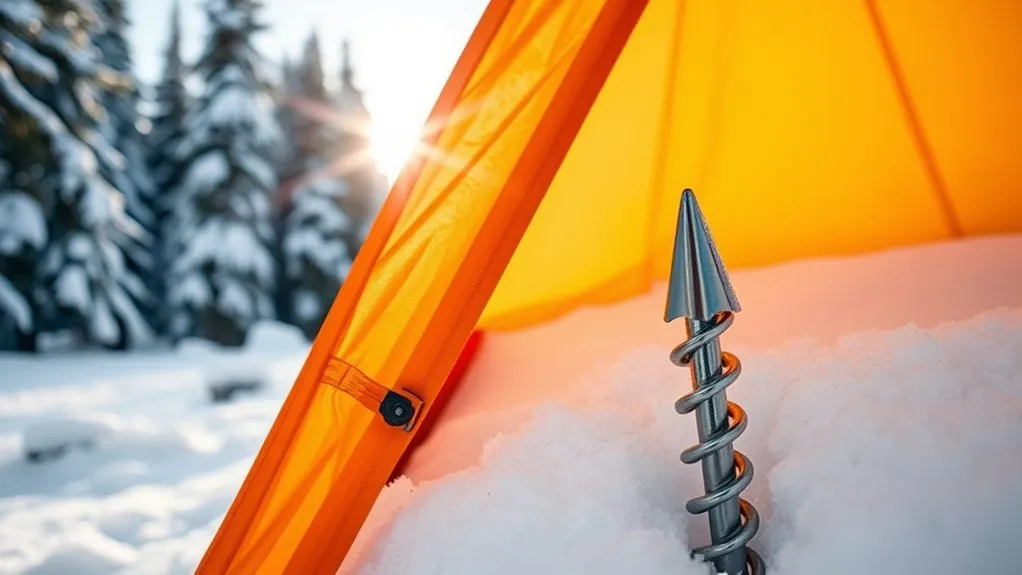
Anchoring affects zipper performance because an uneven or overtightened pitch can distort the tent door. The right anchor depends on whether you are camping on deep snow, compact snow, frozen soil, or mixed ground. Material alone does not determine whether a stake will work.
- Deep or soft snow: Use broad snow stakes or bury a suitable anchor horizontally as a deadman. Hilleberg notes that purpose-built snow pegs can be buried sideways for a deadman-style anchor.
- Compacted snow: Use a snow stake with enough surface area to resist pulling out. Pack the snow firmly around it and allow the snow to settle before adding full tension.
- Frozen soil: Do not hammer a lightweight summer stake until it bends. Use a stake or anchoring method designed for the surface and follow local land rules.
- Mixed ground: Carry more than one anchor type when conditions may change between exposed soil and snow-covered areas.
- Door area: Route guylines so they do not cross the entrance or force campers to step over them while handling the zipper.
Warning: Do not place loose plastic or spare fabric beneath a stake as an “insulator.” It can weaken the anchor, tear, disappear under snow, or become litter.
Preparing the Ground and Tent Entrance
Prepare a level platform before pitching the tent. On snow, compact the sleeping and vestibule area with skis, snowshoes, or boots, then allow the packed snow to firm before setting the shelter. Keep the entrance slightly higher than nearby depressions where melted snow can collect.
Clear loose snow from the zipper path and storm flap. A flap pressed against the zipper by heavy snow can trap moisture and add sideways pressure to the slider. Keep the tent fabric reasonably taut, but do not overtighten the door panel. If the door zipper becomes hard to close, adjust the nearest stake or guyline before pulling harder.
Position the entrance away from drifting snow when the campsite and wind direction allow. Maintain ventilation and clear blocked vents after snowfall. The National Park Service winter-safety guidance warns that snow may need to be removed from tent or shelter vents to preserve airflow.
Pro Tip: Keep a small brush and absorbent cloth in the vestibule. Brush snow from the door before opening it, then blot moisture from the slider before closing the tent for the night.
Regular Zipper Care and Maintenance Checklist
Before the Trip
- Pitch the tent and operate every zipper through its full range.
- Inspect the slider, track, stops, tape, stitching, and nearby fabric.
- Brush out dirt and rinse stubborn deposits.
- Let the tent and zipper dry completely.
- Apply only an approved zipper product and remove the excess.
- Pack a soft brush, cloth, small zipper-care product, and basic repair supplies.
During the Trip
- Brush snow and ice from the door before moving the slider.
- Use one hand to guide the slider and the other to reduce tension on the track.
- Keep loose door fabric, gloves, sleeping bags, and clothing away from the slider.
- Do not step on the zipper or leave it buried in the snow.
- Dry visible moisture before nighttime temperatures drop.
- Maintain safe ventilation to reduce condensation inside the shelter.
After the Trip
- Pitch or hang the tent until every zipper and fabric panel is dry.
- Remove mud, sand, salt, and plant debris.
- Check whether the track separates or the slider feels loose.
- Arrange repair before the next trip if the tape, teeth, coil, or stops are damaged.
- Store the tent dry and away from excessive heat, moisture, and direct sunlight.
Preventing Zipper Trouble Throughout Your Winter Camp
Zipper care works best as part of a complete winter routine. Use a shelter designed for the conditions, inspect it before leaving home, and carry the equipment needed to clear snow and make basic repairs. Check the weather, campsite rules, avalanche concerns, and seasonal facility status before the trip.
Inside the tent, manage condensation by using the shelter’s ventilation system and keeping wet clothing away from the door. Outside, remove accumulating snow before it pushes the fly or storm flap against the zipper. Keep an emergency exit accessible and avoid placing packs, snow walls, cooking equipment, or guylines where they block the door.
A frozen zipper can become more than an inconvenience if it prevents a quick exit. Open and close each door before settling in for the night, and confirm that everyone sharing the tent knows how the zipper works.
Frequently Asked Questions
Can I use regular oil on tent zippers?
No. Cooking oil, motor oil, grease, and similar household products can attract dirt, stain tent fabric, smell, become sticky, or conflict with the zipper manufacturer’s care instructions. Use a product made for outdoor-gear zippers.
How often should I lubricate my tent zippers?
Lubricate them when the manufacturer recommends it, after a thorough cleaning, or when a clean zipper begins to feel rough. Exposure to sand, salt, mud, or heavy winter moisture may require more frequent care than occasional dry-weather camping.
Are specific zipper-care brands recommended?
GEAR AID sells current zipper cleaners and lubricants intended for tents and other outdoor equipment. However, there is no single product that is correct for every zipper. Check your tent manual and the product label, especially for coated or water-resistant zippers.
What materials are best for cleaning tent zippers?
Use a soft toothbrush, the brush supplied with a zipper-care product, a nonabrasive cloth, and lukewarm water. Use tent cleaner or mild non-detergent soap only when the tent manufacturer permits it. Avoid vinegar, bleach, harsh detergent, and stiff wire brushes.
Do temperature fluctuations affect zipper performance?
Yes. Warming can melt snow or frost around the zipper, and a later temperature drop can freeze that moisture again. Remove snow, control condensation, and dry the slider and track before temperatures fall.
Can I use a graphite pencil on a frozen zipper?
Graphite may provide temporary dry lubrication on some exposed zipper teeth, but it is not a universal solution and should not be applied blindly to coated zippers. Thaw, clean, and dry the zipper first, and use a manufacturer-approved product when available.
Can I pour hot water over a frozen tent zipper?
No. Hot water can damage coatings or zipper materials and leaves additional moisture that may refreeze. Warm the area gradually with your hands or a warm, dry cloth, then blot away melted moisture.
What should I do if the zipper separates behind the slider?
Reduce tension on the tent door, move the slider back to the point where the track is properly joined, and try again slowly. If separation continues after the zipper is clean and aligned, the slider or track may be worn and should be repaired or replaced.
Conclusion
To keep tent zippers from freezing, focus on moisture control, gentle cleaning, correct door tension, and a thin application of an approved zipper-care product. Brush snow away before operating the door, dry the slider before temperatures drop, and never force a frozen mechanism. If the zipper has missing elements, torn tape, or repeated separation, arrange a proper repair instead of relying on more lubricant.
Sources
- YKK Americas: The Structure of a Zipper — identifies the primary components of a zipper.
- Hilleberg: How to Clean a Tent — supports gentle tent cleaning and brushing grit from zippers.
- REI Co-op: How to Care for a Tent — supports careful zipper handling and avoiding force.
- GEAR AID: Zipper Cleaner and Lubricant — current product information for cleaning and lubricating outdoor-gear zippers.
- Hilleberg: Tent Pegs and Snow Anchors — supports snow-peg and deadman-style anchoring guidance.
- National Park Service: Winter Safety — supports maintaining shelter ventilation and clearing snow-blocked vents.

