

Last Updated on July 29, 2026 by Mason Reed
Packing for a tent camping trip is easier when you organize gear by purpose: shelter, sleep, water, food, clothing, lighting, safety, hygiene, and comfort. The exact list depends on the campsite, weather, trip length, group size, and whether you are car camping or carrying everything in a backpack. Check local rules before you pack.
Quick Answer
Tent camping essentials include a weather-ready tent, sleep system, safe drinking water, food and storage supplies, layered clothing, lighting, first aid, navigation, hygiene items, and emergency gear. Add cooking and comfort equipment for car camping, then confirm the campground’s fire, wildlife, water, and waste rules before leaving.
Key Takeaways
- Build your checklist around shelter, sleep, water, food, clothing, navigation, first aid, lighting, hygiene, and emergency needs.
- Choose a sleeping bag and insulated pad for the forecast overnight low rather than relying on one universal temperature rating.
- Keep fuel-burning stoves, grills, heaters, and lanterns outside tents and other enclosed spaces.
- Store food, garbage, cookware, and scented products according to the campground’s wildlife rules.
- Carry offline navigation and emergency backups because phone service and battery power may fail.
At a Glance
| Time Required | About 30–60 minutes to customize the list, inspect gear, and pack for a basic weekend trip |
| Difficulty | Easy, but the list must be adjusted for weather, location, group needs, and campsite facilities |
| Tools Needed | Packing checklist, weather forecast, campground rules, reservation details, gear instructions, and offline map |
| Cost | Varies widely; renting or borrowing major gear can reduce the cost of a first trip |
Disclosure: As an Amazon Associate I earn from qualifying purchases. Some links on this page are affiliate links, at no extra cost to you.
Tent Camping Essentials Checklist
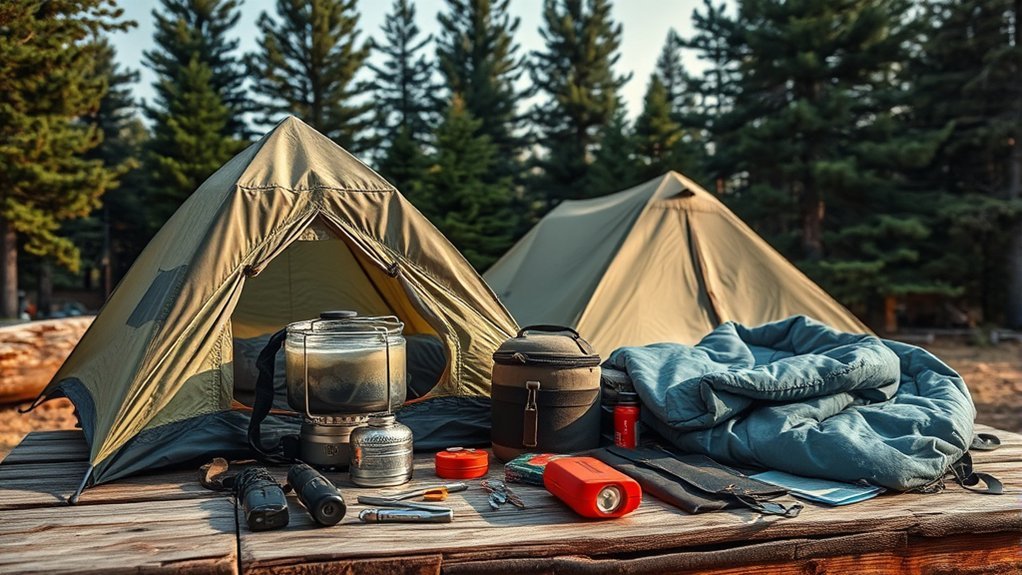
The right camping gear protects you from weather, helps you sleep, and gives you a backup when something does not go as planned. The National Park Service camping checklist includes shelter, water, illumination, first aid, food, clothing, navigation, and personal supplies. Use the checklist below as a starting point, then remove or add items based on your destination.
| Category | Essential Items |
|---|---|
| Shelter | Tent, rainfly, poles, stakes, guylines, footprint or correctly sized groundsheet, mallet, and repair supplies |
| Sleep | Temperature-appropriate sleeping bag, insulated pad or mattress, pillow, sleep clothing, and optional liner |
| Water | Filled water containers and, where necessary, a suitable filter, disinfectant, or equipment and fuel for boiling |
| Food and cooking | Meals, snacks, stove and fuel if permitted, cookware, utensils, cooler, thermometer, food-storage system, and cleanup supplies |
| Clothing | Base layers, insulating layer, rain shell, sleep clothing, hat, sturdy footwear, and extra socks |
| Safety | First aid, medications, headlamp, spare power, whistle, sun protection, insect repellent, emergency shelter, and trip plan |
| Navigation | Downloaded map, physical map, route information, compass where appropriate, and campground directions |
| Hygiene and waste | Toiletries, handwashing supplies, toilet paper, trash bags, quick-dry towel, and any required human-waste kit |
| Optional comfort | Camp chairs, tablecloth, doormat, hammock where allowed, battery fan, games, and camera |
Check the Campsite Before You Pack
Review the campground’s official page or contact the managing agency. Confirm your reservation or permit, check-in time, vehicle rules, maximum tent size, potable-water availability, toilet facilities, food-storage requirements, quiet hours, pet rules, and current closures.
Check the full forecast, not just the daytime high. Pay attention to the overnight low, rain, wind, lightning, heat, flooding, and wildfire conditions. Pack for a reasonable change in conditions rather than the most comfortable part of the day.
Pro Tip: Set up your tent at home before the trip. Confirm that the poles, rainfly, stakes, guylines, and repair pieces are present, and learn how the rainfly vents and doors work before you must pitch it in wind or darkness.
Shelter and Tent Setup
Choose a tent with enough sleeping space for the group and room for any gear that must remain protected. A tent advertised for four people may be a close fit for four adults, so car campers often prefer extra capacity. Backpackers usually accept a tighter fit to reduce weight.
Pack every pole section, stake, guyline, and clip. Bring the rainfly even when the forecast looks dry. Use a footprint made for the tent or trim a groundsheet so no material extends beyond the tent floor, where it could collect runoff. Useful repair items include duct tape, fabric repair tape, spare cord, a pole sleeve, a few extra stakes, and a small multi-tool.
At the campsite, use an established, durable tent area. Avoid low spots where water may collect, exposed ridges in strong wind, and standing dead trees or damaged limbs that could fall. Keep the tent a safe distance from fires, stoves, and food-storage areas as required by local rules.
Navigation, Emergency Gear, and First Aid
Carry a headlamp or flashlight, first-aid kit, necessary medications, whistle, emergency shelter, and navigation backup. The NPS Ten Essentials also include extra clothing, sun protection, food, water, fire supplies where appropriate, and repair tools.
Download maps before leaving service, but also bring a physical map when a navigation error could put you at risk. Learn the route between the campsite, trailheads, ranger station, storm shelter, and nearest medical help. Leave a trip plan with a trusted person that includes your location, vehicle information, companions, route, and expected return time.
A first-aid kit should match the group and activities. Common supplies include adhesive bandages, gauze, medical tape, antiseptic wipes, blister care, tweezers, gloves, pain relievers, allergy medication, and personal prescriptions. Check expiration dates and learn how to use what you carry.
Sleeping Essentials
A comfortable sleep system has three main parts: a sleeping bag or quilt, an insulated sleeping pad or mattress, and dry sleep clothing. Warmth depends on the complete system, not the sleeping bag alone.
Sleeping Bag Recommendations
Choose a sleeping bag with a tested comfort rating at or below the expected overnight low, with extra margin if you sleep cold. ISO 23537-1:2022 covers thermal testing and labeling for adult recreational sleeping bags. Check whether a product label lists comfort, limit, and extreme values rather than treating one number as a guarantee.
Down insulation usually offers a high warmth-to-weight ratio and packs small. Synthetic insulation is often easier to dry and can retain more insulating ability when damp. Either type can work for car camping when it matches the weather and is kept dry.
A liner can keep the bag cleaner and may add some warmth, but the amount varies. Do not use a liner to compensate for a bag or pad that is unsuitable for the forecast. Pack dry base layers, socks reserved for sleeping, and a camp pillow or inflatable pillow for additional comfort.
Air Mattress and Sleeping Pad Benefits
Air mattresses can provide excellent cushioning for car camping, but softness and thickness do not prove that a mattress will insulate you from cold ground. Choose a camping mattress or pad with a stated R-value. ASTM F3340-22 provides a standardized method for measuring the thermal resistance of camping mattresses.
| Feature | Why It Matters | Best Use |
|---|---|---|
| Cushioning | Reduces pressure from hard or uneven ground | Car camping and comfort-focused trips |
| Adjustable firmness | Allows the sleeper to fine-tune support | Personal comfort preferences |
| R-value | Compares resistance to heat loss through the mattress | Matching the pad to ground temperature and season |
| Packed size and weight | Determines whether the mattress is practical to carry | Backpacking and limited vehicle storage |
| Inflation method | Affects setup time and whether a pump or batteries are needed | Quick camp setup and family trips |
Lighting and Fire Safety
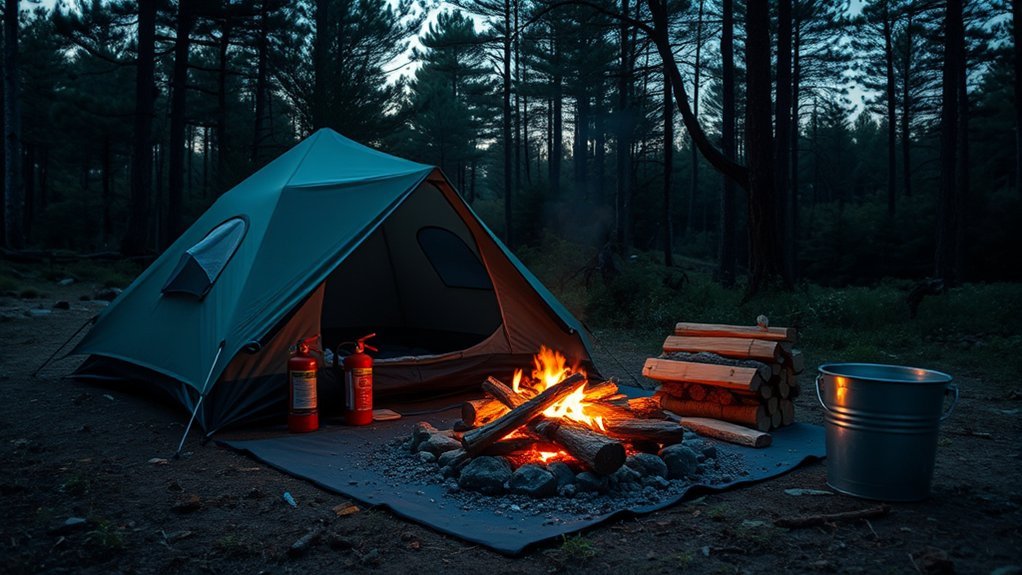
Reliable lighting helps with cooking, tent setup, nighttime bathroom trips, and emergencies. Fire equipment is optional because many trips do not need a campfire, and fires may be prohibited during dry or windy conditions.
Essential Lighting Equipment
A headlamp is often the most useful personal light because it keeps both hands free. Pack one for each camper when practical, plus spare batteries or a suitable charging method. A battery-powered lantern can provide broad light around a table without introducing an open flame.
Gas-fueled lanterns are for outdoor use only. Keep them away from tents, dry grass, fuel containers, and anything else that can burn.
Warning: Never use a charcoal grill, camp stove, fuel-burning lantern, or fuel-burning heater inside a tent, vehicle, camper, or other enclosed shelter. These devices can produce carbon monoxide, an odorless gas that can cause sudden illness or death.
Fire Safety Guidelines
Check fire restrictions immediately before the trip and again when you arrive. Use only an approved fire ring or location, and never start a fire when fires are prohibited. Keep the fire small, supervised, and clear of tents, branches, dry vegetation, and equipment.
| Guideline | Why It Matters | Action |
|---|---|---|
| Check restrictions | Conditions and rules can change quickly | Check the land manager’s alerts before lighting anything |
| Use local or approved wood | Moving firewood can spread invasive insects and diseases | Buy or gather wood where you burn it, or use certified heat-treated wood when required |
| Keep water and a tool nearby | You must be able to control and extinguish the fire | Keep ample water and a shovel or stirring tool within reach |
| Supervise continuously | Wind and sparks can spread fire quickly | Assign a responsible adult and never leave the fire unattended |
| Drown, stir, and feel | Hidden embers can remain hot after flames disappear | Add water, stir all ashes and embers, add more water, and confirm the area is cold |
The U.S. Forest Service advises campers to drown, stir, and feel the extinguished fire to confirm it is dead out. If it is too hot to touch safely, it is too hot to leave.
Firestarter Tools Needed
Where fires are allowed, pack a dependable ignition source such as a lighter or waterproof matches. A ferro rod can serve as a backup, but it requires suitable tinder and practice. Commercial fire starters or dry homemade wax-and-cotton starters can help ignite damp kindling.
Store ignition tools in a dry, organized place. Carry backups separately so one wet bag does not disable every option. Never use gasoline or another highly volatile liquid to start or revive a campfire.
Cooking, Dining, and Food Safety
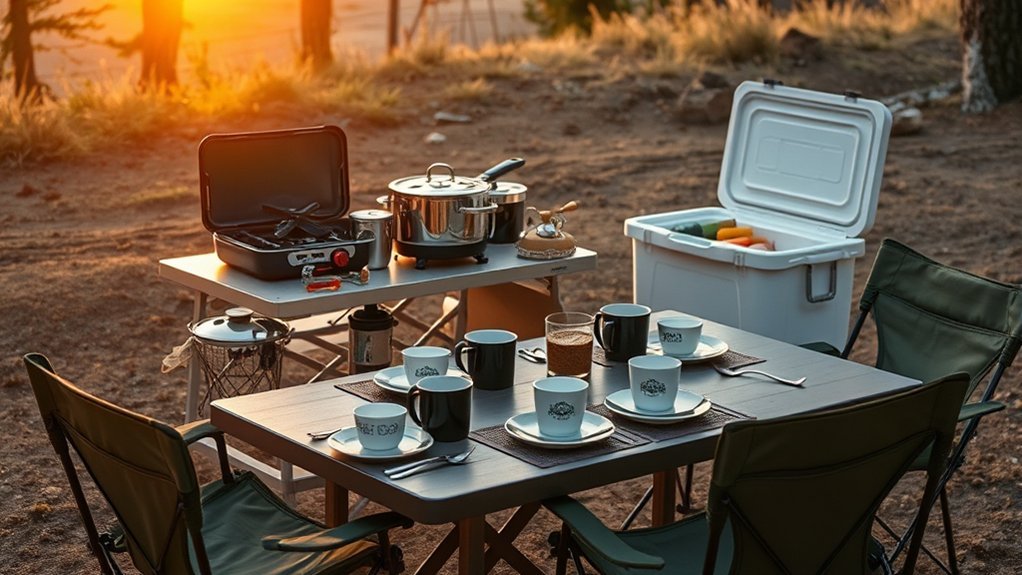
A simple camp kitchen may include a stove, approved fuel, lighter, pots, frying pan, heat-safe utensils, cutting board, knife, reusable plates and bowls, cups, eating utensils, aluminum foil, paper towels, trash bags, and a multi-tool with a bottle or can opener. Confirm that the stove is allowed and test it outdoors before the trip.
Plan meals that match the available cooking equipment and cleanup facilities. Bring enough fuel for the menu and a little extra for delays. Keep the cooking area organized so raw ingredients, clean dishes, fuel, and trash do not mix.
Cooler and Food Safety
Keep perishable food at 40°F/4°C or below. Start with cold or frozen food, use enough ice or frozen packs, limit how often the cooler is opened, and place a refrigerator or cooler thermometer inside. Separate raw meat and poultry from cooked or ready-to-eat foods to prevent leakage and cross-contamination.
Use a second cooler for frequently accessed drinks when space allows. This helps the food cooler remain closed and cold. Pack shelf-stable foods as backups in case ice runs low or cooking plans change.
Water and Hydration
Confirm whether the campground has potable water and whether seasonal shutoffs or advisories are in effect. Bring enough containers to transport and store water for drinking, cooking, handwashing, and dishwashing.
Do not assume that clear water from a stream, lake, or spring is safe. According to the CDC’s backcountry water-treatment guidance, boiling is the best way to kill germs. When boiling is not practical, filtering followed by disinfection is the next-best option. Follow the filter and disinfectant instructions because treatment methods do not remove every hazard.
Note: Boiling, filtering, or disinfecting cannot make water contaminated with fuel, toxic chemicals, or radioactive material safe. Use a different water source if chemical contamination is suspected.
Food Storage and Wildlife Safety
Store food, drinks, garbage, cookware, coolers, toothpaste, soap, sunscreen, and other scented products according to the campground’s rules. Depending on the location, that may mean a provided food locker, a locked hard-sided vehicle, or an approved bear-resistant container.
Do not store food or scented products in the tent. Clean dishes promptly, wipe tables, collect crumbs, and secure trash before leaving camp or going to sleep. Never feed wildlife, including birds and small mammals.
Warning: Food-storage rules are location-specific. Do not assume that hanging a bag or locking food in a vehicle is legal or effective everywhere. Follow the managing agency’s current instructions.
Campsite Comfort and Amenities
Comfort items are useful after shelter, water, food, clothing, and safety needs are covered. Check the campsite listing before packing bulky furniture because many developed sites already provide a picnic table and fire ring.
Essential Comfort Items
Foldable chairs provide a comfortable place to eat, relax, or sit around an approved fire. A tablecloth can cover a rough picnic table and make cleanup easier. A doormat or small ground cloth at the tent entrance helps keep dirt and mud out of the sleeping area.
A battery-powered fan can improve comfort in warm weather but does not make dangerously hot conditions safe. Pack enough batteries or power capacity and keep the fan protected from rain.
A hammock can provide a comfortable place to read or rest where hammocks are allowed. Use wide, tree-friendly straps, avoid damaged trees, and follow restrictions intended to protect vegetation. Do not attach a hammock to signs, structures, or trees too small to support it safely.
Relaxation Opportunities
| Option | Use |
|---|---|
| Hammock | Resting where site rules and suitable anchor points permit |
| Foldable chairs | Portable seating for meals and relaxation |
| Picnic table | Meal preparation, dining, games, and group activities |
| Approved fire ring | A designated location for a fire when current rules allow one |
| Battery-powered fan | Air movement during mild warm-weather camping |
| Games or books | Weather-resistant entertainment without relying on a signal |
Dining Area Enhancements
Set up a designated dining and cooking area away from the tent when campground rules or wildlife conditions require separation. Keep the table organized with one area for clean equipment, one for food preparation, and one for items awaiting washing.
Use reusable plates, bowls, cups, and utensils when you can wash and store them properly. Bring a small basin or container for washing, a scraper for food residue, and a bag or sealed container for packing out scraps.
Clothing and Personal Items
Pack layers that can be added or removed as temperature, wind, and activity change. A typical system includes a moisture-managing base layer, an insulating middle layer, and a windproof or waterproof outer shell.
Bring dry sleep clothing and extra socks. Wet socks can increase discomfort and friction, so change them when practical and allow footwear to dry. Add a warm hat, sun hat, gloves, or thermal layer when the forecast calls for them.
Quick-dry clothing is useful because cotton and other slow-drying materials can remain damp. Pack sturdy footwear appropriate for the terrain rather than choosing footwear only for the campground surface.
Sun and Insect Protection
Pack sunscreen, sunglasses, a hat, and protective clothing. For mosquitoes and ticks, use an EPA-registered insect repellent with a protection time suited to the activity. Follow the label, especially for children.
Long sleeves, long pants, and closed footwear reduce exposed skin. Products containing permethrin may be used on clothing and camping gear only as directed by the label; do not apply permethrin products directly to skin. Check yourself, children, pets, and clothing for ticks after spending time in brush, tall grass, or wooded areas.
Commonly Forgotten Items
Small items often cause the most inconvenience because they are separated from the larger gear they support. Review the following list before closing the vehicle or backpack:
- Tent stakes, guylines, pole repair sleeve, mallet, and footprint
- Stove fuel, lighter, waterproof matches, and can opener
- Eating utensils, cooking utensils, pot holder, and cutting board
- Cooler thermometer, ice, and separate bags for raw food
- Water bottles, treatment supplies, and a backup water container
- Headlamp, spare batteries, charging cables, and power bank
- Medications, allergy supplies, blister care, and first-aid instructions
- Toilet paper, handwashing supplies, trash bags, dishwashing supplies, and quick-dry towels
- Rain shell, warm layer, sleep clothing, and extra socks
- Reservation confirmation, permit, offline map, physical map, and emergency contact details
Pro Tip: Pack related systems together. Keep the stove, fuel, lighter, cookware, and utensils in one kitchen bin; keep tent parts in the tent bag; and keep the headlamp beside the first-aid and emergency gear.
Fire-Starting Essentials and Backups
Campfires are optional. A camp stove is usually a more controlled way to cook, although stoves can also be restricted during severe fire conditions. Check current rules for both fires and flame-producing equipment.
Where a fire is permitted, carry a lighter or waterproof matches, dry tinder or an approved fire starter, and a backup ignition method. A ferro rod works in damp conditions but still requires dry or prepared tinder and practiced technique.
Keep fire starters dry and separate from liquid fuel. Buy or gather firewood where you will burn it, or use certified heat-treated wood if local rules allow transported firewood. The USDA APHIS firewood guidance explains how moving untreated wood can spread invasive pests.
Hygiene and Comfort Items
Pack a toothbrush, toothpaste, handwashing supplies, hand sanitizer, toilet paper, menstrual products where needed, quick-dry towel, and a small amount of biodegradable soap. Include any campground-specific waste bags or portable toilet system required for the area.
Biodegradable soap should not be used directly in a lake, stream, or spring. Under the National Park Service Leave No Trace guidance, washing should take place at least 200 feet from natural water, using only a small amount of soap. Strain food particles from dishwater, pack them out, and scatter the remaining water where permitted.
Use provided toilets whenever possible. Where no toilet exists, follow the land manager’s human-waste rules; required methods can vary by soil, elevation, desert environment, river corridor, and local regulation. Pack out toilet paper and hygiene products when instructed.
For sleep comfort, bring a small camp pillow or fill a soft stuff sack with clean clothing. Extra socks, a dry towel, and a clean base layer can make a wet trip much more manageable without adding bulky furniture.
Technology and Power Needs
Technology can improve navigation, communication, and photography, but it should not be your only safety system.
- Phone charger: Pack the correct wall or vehicle adapter only if the campsite or vehicle provides a suitable power source.
- Portable power bank: Charge it before departure and protect it from water, excessive heat, and freezing temperatures.
- Charging cables: Verify that each device has the correct cable rather than assuming one connector fits everything.
- Offline maps: Download campground directions, trail maps, and emergency information before losing service.
- Navigation backup: Carry a physical map and compass where route-finding consequences are serious, and know how to use them.
A dedicated GPS device can be useful, especially when it supports offline maps or satellite communication, but it still requires charged batteries and user knowledge. Keep a headlamp separate from your phone so navigation or photography does not consume your only light source.
Car Camping vs. Backpacking Essentials
Car campers can carry larger tents, full-size air mattresses, coolers, chairs, fans, heavy cookware, extra water, and organized storage bins. Weight matters less, but every fuel-burning device must still remain outdoors, and food-storage rules still apply.
Backpackers must prioritize weight, packed size, water treatment, calorie-dense food, navigation, emergency shelter, and a sleep system suited to the route. Every item must be carried, so bulky comfort gear is usually replaced by lighter equipment with more than one use.
| Consideration | Car Camping | Backpacking |
|---|---|---|
| Shelter | Larger tent and more interior space | Lower weight and compact packed size |
| Sleeping surface | Thicker camping mattress or cot where appropriate | Lightweight insulated pad with suitable R-value |
| Food | Cooler meals and larger cookware | Compact, calorie-dense food and lightweight stove system |
| Water | Large containers carried by vehicle | Route-based capacity plus dependable treatment |
| Comfort | Chairs, table accessories, fan, games, and larger pillow | Minimal items with multiple uses |
Final Pre-Departure Check
Complete a final check after everything is packed. Do not rely on remembering that an item is “probably in the bin.” Physically confirm the critical systems:
- Reservation, permit, directions, alerts, and campground rules
- Tent body, poles, rainfly, stakes, guylines, and ground protection
- Sleeping bag, insulated pad or mattress, pillow, and dry sleep clothing
- Water supply and treatment backup
- Food, safe storage, cooler ice, thermometer, stove, fuel, and utensils
- First aid, medications, headlamps, batteries, navigation, and whistle
- Weather layers, rain protection, sun protection, and insect repellent
- Toiletries, handwashing supplies, trash bags, and waste equipment
- Trip plan left with a trusted contact
A complete camping checklist is not the longest possible gear list. It is the shortest list that safely covers the actual weather, location, people, activities, and emergencies you could reasonably face.
Frequently Asked Questions
How do I choose the right tent for my trip?
Choose a tent that fits your group, sleeping pads, weather, campsite dimensions, and transportation method. Car campers may prefer extra capacity, while backpackers usually prioritize lower weight. Confirm that the tent includes a rainfly, complete pole set, stakes, guylines, and suitable ventilation.
What should I do if it rains while camping?
Keep the rainfly properly attached, tension guylines, close exposed openings, and keep gear away from tent walls. Wear a rain shell and avoid touching or moving electrical equipment with wet hands. Leave low areas if water begins collecting, and follow evacuation or severe-weather instructions from the campground.
Are there wildlife safety tips I should know?
Keep a clean campsite, never feed wildlife, and secure food, garbage, cookware, coolers, and scented items according to local rules. Do not store them in the tent. If you encounter a bear, remain calm and do not run; follow the park’s current guidance for the species, behavior, and location.
How can I prevent insect bites while camping?
Use an EPA-registered insect repellent according to its label, wear long sleeves and pants, keep tent screens closed, and check for ticks after time in brush or tall grass. Permethrin products may be used on clothing and gear as labeled but should not be applied directly to skin.
What are the best practices for campfire safety?
Check restrictions, use an approved location, keep the fire small, supervise it continuously, and keep ample water nearby. Extinguish it by adding water, stirring all embers and ashes, adding more water, and confirming that everything is cold before leaving or sleeping.
Can I cook inside my tent when it is raining?
No. Do not operate a camp stove, charcoal grill, fuel-burning lantern, or fuel-burning heater inside a tent or enclosed shelter. Carbon monoxide, fire, burns, and fuel spills can become deadly quickly. Use an approved outdoor cooking area or change the meal plan.
Do I need to treat water from a clear mountain stream?
Yes, unless the managing authority has confirmed that the source is potable. Clear water can still contain disease-causing organisms. Boil uncertain water or use an appropriate filter followed by disinfection, following CDC and product instructions.
Sources
- National Park Service: What to Bring Camping — shelter, water, food, lighting, first aid, and basic camping equipment
- National Park Service: Ten Essentials — navigation, emergency, clothing, illumination, and safety systems
- CDC: Water Treatment When Hiking or Camping — boiling, filtering, and disinfecting uncertain water
- FoodSafety.gov: Outdoor Food-Safety Steps — cooler temperature and food separation
- CDC: Carbon Monoxide Prevention — prohibition on fuel-burning camping equipment inside tents and enclosed spaces
- National Park Service: Bear-Safe Food Storage — securing food, garbage, cookware, and scented items
Conclusion
A useful tent camping checklist starts with safety and basic needs, then adds comfort. Confirm the campsite rules and forecast, pack a complete shelter and sleep system, carry safe water and food-storage supplies, and prepare for darkness, injury, weather changes, and loss of phone service. Check each critical item before departure, and you can spend less time solving avoidable problems and more time enjoying the campsite.
