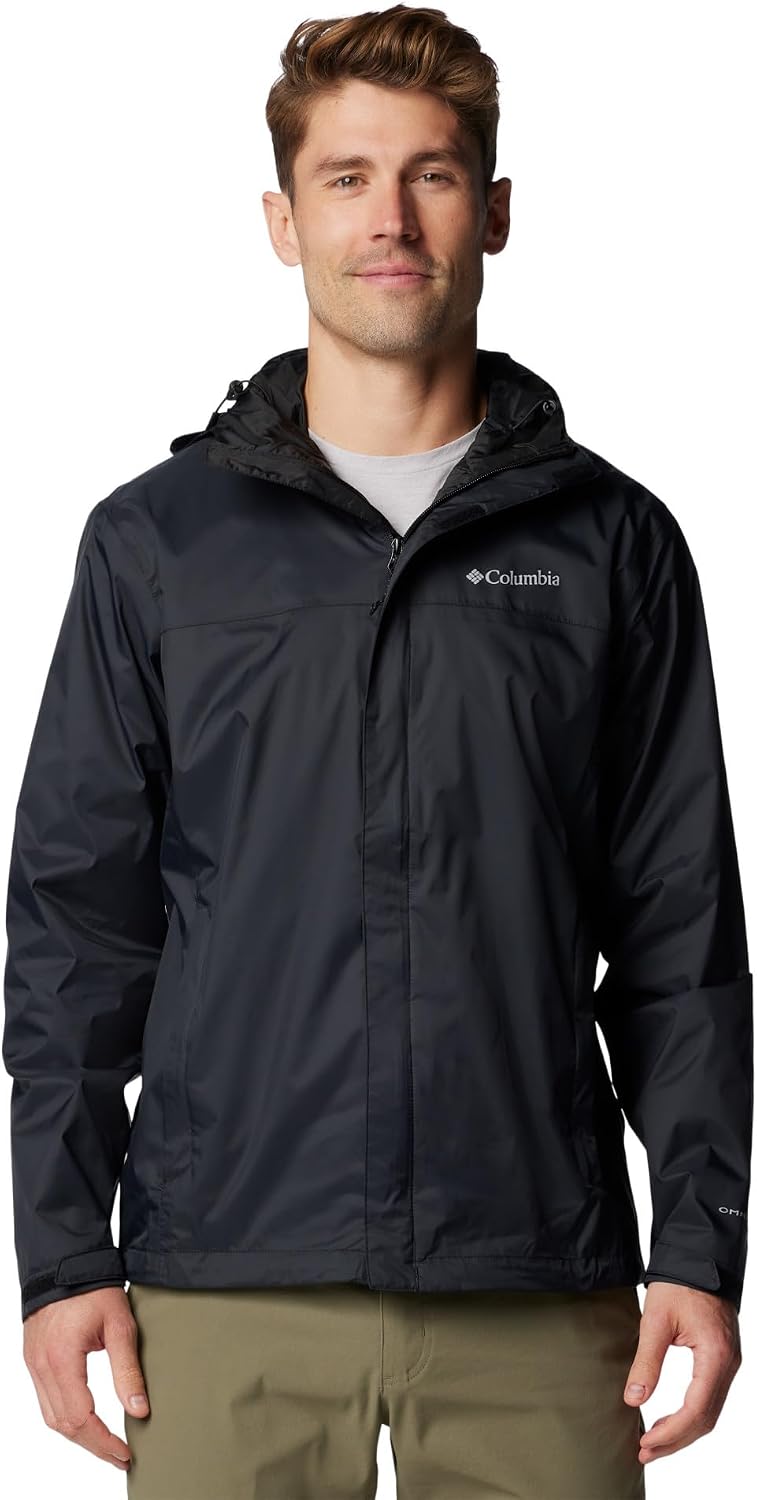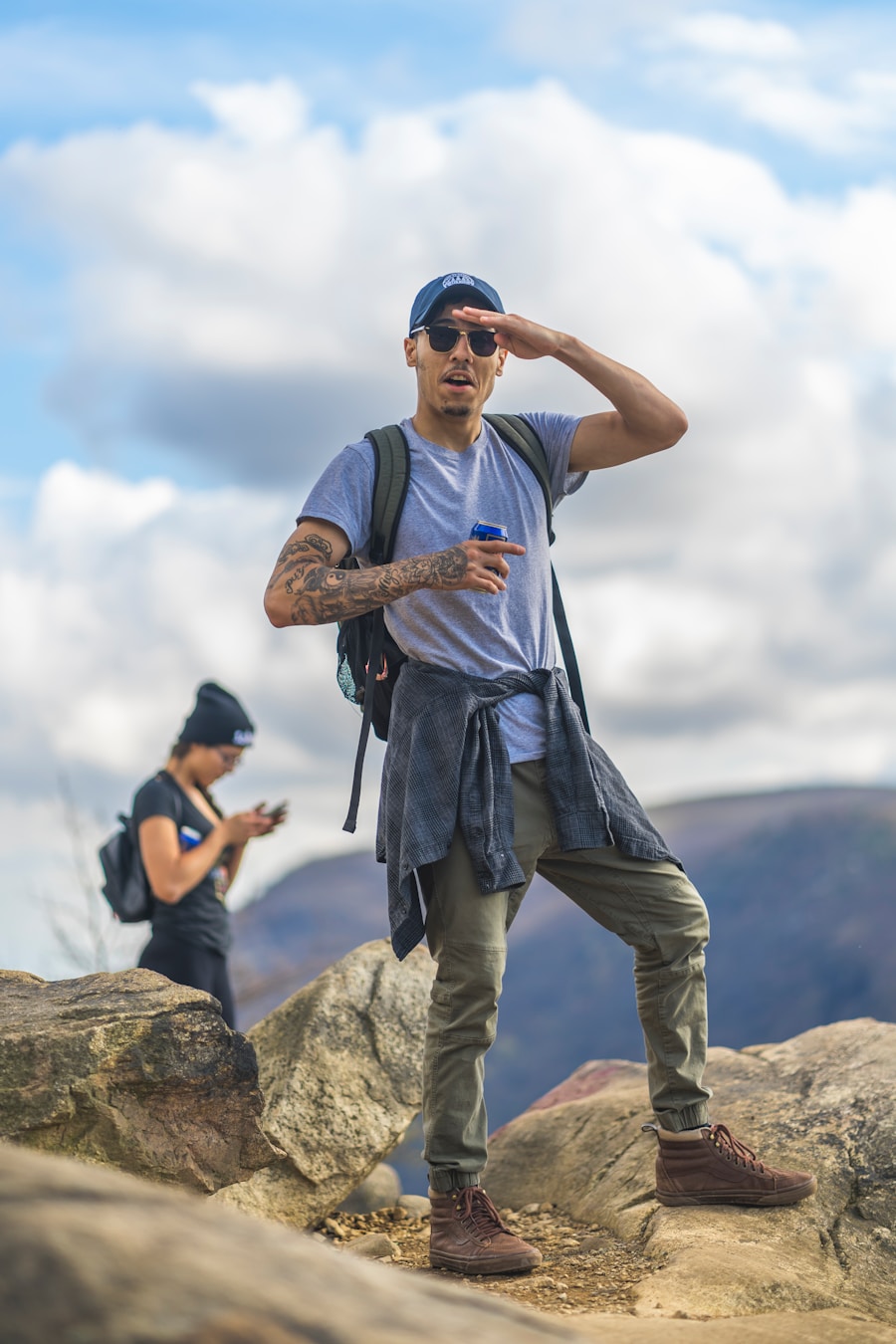
Last Updated on September 10, 2026 by Daniel Globe
Summer hiking is much more comfortable when your clothing manages sweat, protects your skin, and gives you room to adapt when the weather changes. You do not need a closet full of technical gear, but lightweight, quick-drying layers, trail-appropriate footwear, good socks, sun protection, and enough water can make a major difference on hot days.
Quick Answer
For summer hiking, wear a lightweight moisture-managing shirt, breathable shorts or hiking pants, wool or synthetic hiking socks, and trail shoes or boots suited to the terrain. Add a wide-brimmed hat, UV-protective sunglasses, sunscreen, water, and a light rain or wind layer for changing conditions.
Key Takeaways
- Choose lightweight synthetic or merino-wool clothing that handles moisture and dries reasonably quickly.
- Use shorts for maximum airflow or lightweight pants when you need more protection from sun, brush, insects, or rough terrain.
- Match footwear to the trail, your pack weight, and your feet rather than choosing by brand alone.
- Protect yourself from UV exposure with a wide-brimmed hat, UV-blocking sunglasses, UPF clothing when useful, and sunscreen on exposed skin.
- Carry layers even in summer, and know the warning signs of heat exhaustion and heat stroke.
Disclosure: As an Amazon Associate I earn from qualifying purchases. Some links on this page are affiliate links, at no extra cost to you.
What to Wear Hiking in Summer: Head-to-Toe Checklist
A good summer hiking outfit is a system rather than a single piece of clothing. Start with the conditions you expect, then adjust for the trail, elevation, humidity, sun exposure, and length of the hike.
- Shirt: Lightweight synthetic or merino wool T-shirt, button-up hiking shirt, or long-sleeve sun shirt.
- Bottoms: Breathable hiking shorts, lightweight pants, or convertible pants.
- Underwear: Comfortable, quick-drying underwear that does not bunch or create friction under your pack or clothing.
- Socks: Synthetic or wool hiking socks that fit smoothly without wrinkles.
- Footwear: Trail runners, hiking shoes, or hiking boots with traction and support appropriate for the route.
- Sun protection: Wide-brimmed hat, UV-protective sunglasses, sunscreen, and sun-protective clothing when needed.
- Weather layer: Packable rain shell or wind layer, especially in mountains or other areas where weather can change quickly.
- Hydration: Water bottles or a hydration reservoir with enough capacity for the route and weather.
Note: Check the forecast, trail conditions, elevation, water availability, and park alerts before choosing your final outfit. Summer at a trailhead can feel very different from conditions several thousand feet higher.
Choosing the Right Fabrics for Summer Hiking
Summer hiking clothing should help move moisture away from your skin, dry without staying waterlogged for hours, and remain comfortable as you move. Polyester, nylon, and blended technical fabrics are common choices because they can be lightweight, durable, and quick drying.
Lightweight merino wool is another useful option. It can manage moisture well and remains comfortable across a range of temperatures, which is helpful when a warm afternoon turns into a cool evening or when you gain elevation.
Cotton deserves a more nuanced explanation than the familiar “never wear cotton” rule. Cotton absorbs a large amount of moisture and dries slowly. A damp cotton shirt may feel tolerable during a short walk in hot, dry weather, but wet cotton can become uncomfortable, contribute to chafing, and provide little insulation if temperatures fall or wind picks up. For hikes with changing weather, synthetic or wool layers are usually the more dependable choice.
The National Park Service advises hikers in changeable environments to use wool or synthetic layers and notes that cotton tends to remain wet. See the National Park Service layering guidance.
Pro Tip: Do not judge a summer hiking shirt only by how thin it feels. Check whether it dries quickly, moves comfortably under backpack straps, and protects the areas of your skin that will be exposed for hours.
Lightweight and Breathable Clothing Options
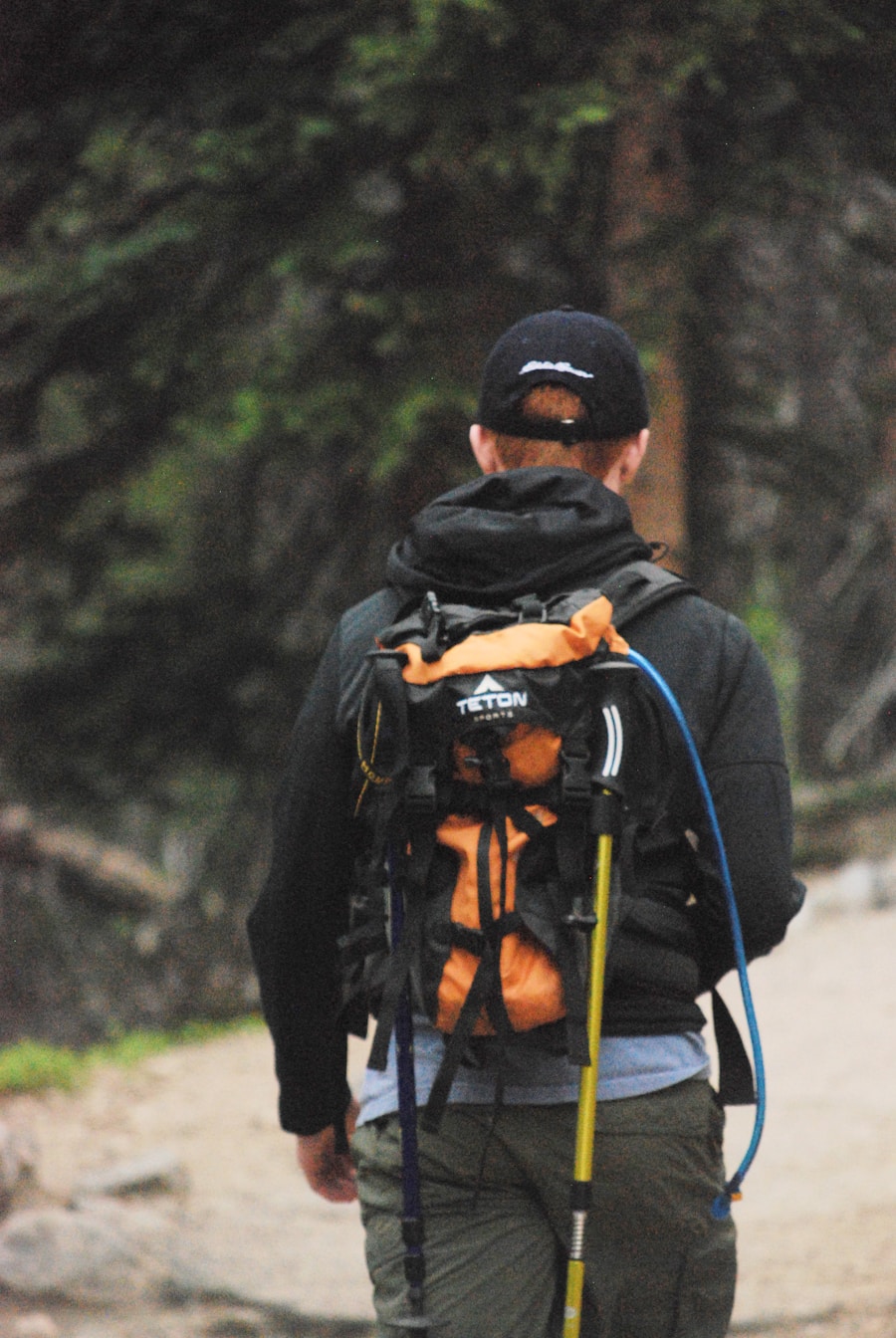
For hot-weather hiking, a lightweight shirt that allows air to circulate can be far more comfortable than a heavy everyday T-shirt. Look for flat or low-profile seams around the shoulders and underarms so backpack straps do not rub the same spot for hours.
Short-Sleeve Shirts vs. Long-Sleeve Sun Shirts
A short-sleeve shirt gives your arms maximum airflow, but it also leaves more skin exposed to ultraviolet radiation. A lightweight long-sleeve sun shirt can reduce direct sun exposure and may be a better choice for exposed trails, desert hiking, high elevations, or long days outside.
The American Academy of Dermatology recommends lightweight long sleeves and pants when practical and notes that clothing with an ultraviolet protection factor, or UPF, provides more predictable UV protection. Its current guidance also recommends a wide-brimmed hat, sunglasses with UV protection, and sunscreen on uncovered skin. See the AAD sun-protection recommendations.
Shorts, Pants, or Convertible Pants?
Shorts work well when maximum ventilation matters and the trail is clear of brush. Lightweight hiking pants provide more coverage from sun, ticks, mosquitoes, scratchy vegetation, and rocks. Convertible pants offer both options in one garment and can be useful when you start early in cool weather and finish in afternoon heat.
Stretch matters as much as weight. Pants or shorts should let you step over logs, climb rocks, and bend your knees without pulling tightly across the hips or thighs.
Footwear: Finding the Right Balance of Support and Ventilation
| Footwear Type | Best For | Summer Trade-Off |
| Trail runner | Maintained trails, faster hiking, light packs | Light and flexible, but usually offers less underfoot and ankle protection than a boot. |
| Hiking shoe | Day hikes and light-to-moderate terrain | Good balance of traction, protection, weight, and ventilation. |
| Light hiking boot | Rocky trails, uneven terrain, heavier packs | More protection and structure but generally warmer and heavier. |
| Waterproof shoe or boot | Persistent rain, wet vegetation, mud, or cool wet conditions | Helps block outside water but usually feels warmer and less ventilated than comparable non-waterproof footwear. |
Footwear should be chosen for the individual trail rather than by brand reputation alone. The National Park Service recommends proper walking shoes and sturdy traction suited to the surface, with more supportive footwear for rough terrain. See the NPS Hike Smart guidance.
For a maintained summer trail with a light daypack, many hikers are comfortable in trail runners or low-cut hiking shoes. Rockier terrain, off-trail travel, or a heavier pack may justify a more structured hiking boot.
Waterproof footwear is not automatically the best summer option. A waterproof membrane can be useful in persistent wet conditions, but it also reduces airflow. In hot, dry weather, breathable non-waterproof shoes may feel more comfortable and can dry more quickly if they get wet.
Do Not Forget Your Socks
Good socks are part of the footwear system. Choose wool or synthetic hiking socks that fit smoothly and manage moisture. The National Park Service specifically recommends wool or synthetic socks for longer hikes. Avoid wrinkles inside the shoe, and stop to address a hot spot before it turns into a blister.
Fit matters as much as shoe type. Your heel should feel secure, your toes should not strike the front of the shoe on descents, and the shoe should have enough room to remain comfortable after hours of walking.
Accessories: Sun Protection, Hydration, and Insect Defense
Summer accessories are not just decorative extras. They can reduce UV exposure, help you stay hydrated, and protect you from biting insects.
Sun Protection
A wide-brimmed hat shades more of your ears, face, and neck than a standard baseball cap. Sunglasses should provide UV protection; dark lenses alone do not prove that the glasses block ultraviolet radiation.
The American Academy of Dermatology recommends broad-spectrum, water-resistant sunscreen with an SPF of 30 or higher on skin not covered by clothing. Reapply it about every two hours and after swimming or heavy sweating, following the product instructions. UPF-rated shirts and pants can add another physical barrier against sunlight.
Sun protection works best as a system: clothing, shade, a wide-brimmed hat, UV-protective sunglasses, and sunscreen on the skin that remains exposed.
Hydration
Carry enough water for the route, weather, and your own needs. A hydration reservoir can make frequent sipping convenient, while bottles make it easy to see how much water remains. Neither method is inherently better if you actually drink often enough.
The National Park Service advises hikers to bring plenty of water in hot weather and to drink before they feel thirsty. Longer or unusually sweaty outings may also call for food or drinks that replace electrolytes. See the NPS heat-illness guidance.
Ticks and Mosquitoes
On brushy or insect-heavy trails, lightweight long sleeves and long pants provide extra physical coverage. The U.S. Environmental Protection Agency advises using an EPA-registered insect repellent when needed and following the label directions. For tick-prone areas, staying near the center of the trail and reducing contact with tall grass and brush can also help.
See the EPA insect-repellent guidance and its tick-bite prevention advice.
Layering for Variable Weather Conditions
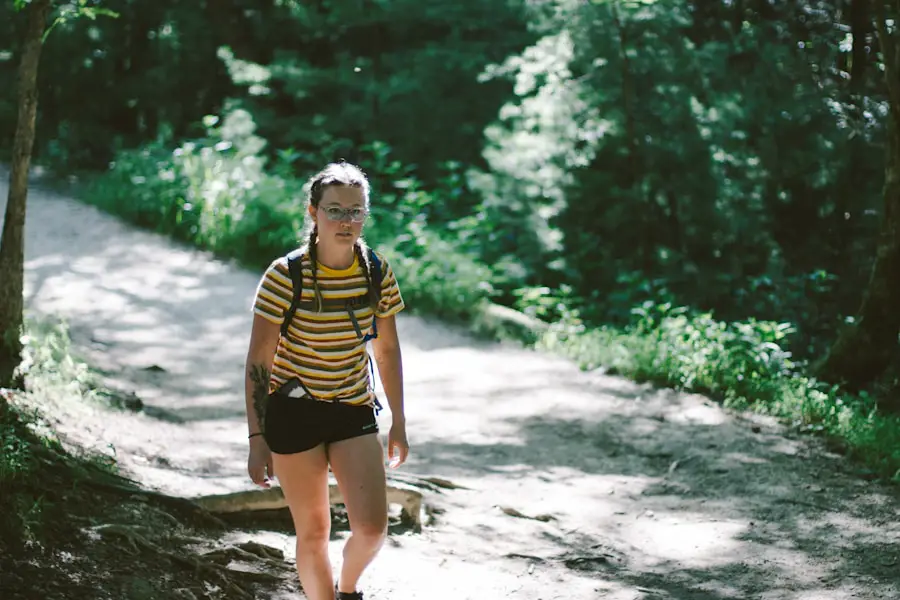
Summer weather can change quickly, especially in mountains, exposed terrain, and coastal areas. A hot trailhead does not guarantee warm conditions at the summit, after sunset, or when a storm moves in.
Base Layer
Your shirt is usually the base layer in summer. Choose a fabric that remains comfortable when damp and does not create friction beneath your backpack straps.
Light Insulating Layer
A lightweight fleece or other thin insulating layer can be useful for cool mornings, high elevations, windy ridges, or unexpected delays. You may never wear it on a hot low-elevation hike, but conditions should determine what belongs in your pack.
Rain and Wind Layer
A lightweight shell protects against rain and wind. It does not have to be worn throughout the hike; carrying it lets you respond when conditions change. The National Park Service recommends preparing for sudden weather changes and carrying clothing appropriate for the most extreme conditions reasonably expected on the route.
Pro Tip: Keep your rain shell and emergency layer near the top of your pack instead of burying them under food and other gear. Fast access matters when wind or rain arrives suddenly.
Adjust Your Clothing for Heat, Humidity, and Elevation
Hot and Dry Conditions
In strong direct sun, lightweight long sleeves, a broad-brimmed hat, and loose clothing can reduce UV exposure while still allowing airflow. Carry more water when the route has no reliable water source.
Hot and Humid Conditions
High humidity slows the evaporation of sweat, making it harder for your body to shed heat. Choose loose, lightweight clothing and expect garments to stay damp longer than they would in dry air. The National Park Service specifically identifies high humidity as a heat-illness risk because sweat does not evaporate as readily.
High Elevation and Exposed Ridges
Expect greater swings in temperature and wind. Bring an insulating layer and shell even if the lower trail is warm. Sun exposure can also be intense, so do not let a cool breeze fool you into skipping sun protection.
What Not to Wear on a Summer Hike
- Brand-new shoes on a long hike: Test fit and comfort before committing to a full day on the trail.
- Heavy denim: It is bulky, holds water, and dries slowly.
- Thick cotton socks: Damp socks and friction can make foot discomfort worse.
- Flip-flops or loose casual sandals on rugged trails: They offer little protection or traction for uneven terrain.
- Clothing that restricts movement: Tight seams or waistbands become much more noticeable after hours of walking.
- A heavy waterproof jacket worn continuously in hot weather: Use a shell when conditions call for it rather than trapping unnecessary heat.
Tips for Staying Cool and Comfortable on the Trails
One of the easiest ways to reduce heat exposure is to hike during a cooler part of the day. On very hot days, an early start can be safer and more comfortable than beginning near midday. The National Park Service recommends planning strenuous summer activity around cooler hours when possible.
Pace yourself instead of treating the first mile like a race. Rest in shade when available, drink regularly, and adjust your layers before you become extremely hot or soaked with sweat.
A wet bandana or cooling towel can feel refreshing, but it does not replace hydration, rest, or appropriate action when someone is developing heat illness.
Choose shaded trails when extreme heat is forecast, and check park alerts or trail closures before leaving. Do not assume a creek or spring shown on a map will contain safe, drinkable water unless the managing agency confirms the source and you have an appropriate treatment plan.
Warning: Heavy sweating, weakness, headache, dizziness, nausea, or unusual fatigue can occur with heat exhaustion. Confusion, collapse, loss of consciousness, or very hot skin can signal heat stroke. Heat stroke is a medical emergency: call 911 or local emergency services, move the person to a cooler place, and begin cooling while help is on the way. Do not continue hiking and hope the symptoms pass.
For current symptoms and emergency guidance, review the CDC guidance on heat illness.
Enjoying Summer Hiking in Style
The best summer hiking outfit is the one that matches your trail rather than simply looking technical. Breathable shirts and bottoms can manage heat and moisture, good socks and properly fitted footwear protect your feet, and sun protection becomes increasingly important as your time outdoors grows.
Layering still matters in summer. A lightweight insulating piece and a compact weather shell give you options when the temperature drops, the wind rises, or rain arrives. On exposed or insect-heavy routes, lightweight long sleeves and pants may be more useful than the coolest possible shorts-and-T-shirt combination.
Most importantly, clothing is only one part of hot-weather safety. Check conditions, carry adequate water, pace the hike for the weather, and be willing to turn around when heat or storms make the original plan unsafe. A comfortable hiking outfit should help you pay more attention to the trail and less attention to your clothes.
When planning what to wear hiking in summer, it can also help to think about a few other pieces of trip gear. A charged phone can be useful for navigation and emergency communication, so see these portable phone charger recommendations. For your feet, these merino wool travel socks may also be useful for travel and outdoor use. And if fishing is part of your trip, this guide to the best travel fishing pole covers portable options for outdoor excursions.
Love travel? Join Our Facebook Community
Frequently Asked Questions
What should I wear for hiking in the summer?
Wear a lightweight synthetic or merino shirt, breathable hiking shorts or pants, wool or synthetic socks, and trail shoes or boots appropriate for the route. Add sun protection, water, and a packable rain or wind layer when conditions could change.
What type of shirt is best for summer hiking?
A lightweight, moisture-managing synthetic or merino shirt is a dependable choice. A short-sleeve shirt maximizes exposed airflow, while a lightweight long-sleeve sun shirt offers more protection from UV exposure, brush, and insects.
What kind of pants are suitable for summer hiking?
Choose lightweight hiking pants with enough stretch for climbing and stepping over obstacles. Quick-drying pants are especially useful in humid or wet conditions. Shorts provide more airflow, while pants give more protection from sun, brush, mosquitoes, and ticks.
What footwear is recommended for summer hiking?
Trail runners or hiking shoes can work well on maintained terrain with lighter loads. More structured hiking boots may be preferable for rocky or uneven routes or heavier packs. Choose footwear based on fit, traction, terrain, and protection rather than brand alone.
Should I wear a hat and sunglasses while hiking in the summer?
Yes. A wide-brimmed hat can shade your face, ears, and neck, while sunglasses labeled for UV protection help protect your eyes. Use these together with protective clothing, shade when available, and sunscreen on uncovered skin.
What other accessories should I consider for summer hiking?
Useful additions include sunscreen, an EPA-registered insect repellent when insects are a concern, a lightweight backpack, water bottles or a hydration reservoir, a compact rain shell, a basic first-aid kit, and navigation and emergency essentials appropriate for the route.
Is cotton okay for summer hiking?
Cotton is not automatically dangerous in every hot-weather situation, but it absorbs a lot of moisture and dries slowly. That can increase discomfort and chafing and becomes more concerning if temperatures drop. Synthetic or merino clothing is generally more versatile for changing trail conditions.
Are waterproof hiking boots good for summer?
They can be useful in persistent rain, mud, or wet vegetation, but waterproof footwear is generally warmer and less ventilated than comparable non-waterproof footwear. For hot, dry trails, breathable hiking shoes or trail runners may feel more comfortable.
Sources
- U.S. National Park Service — Beat the Heat — hot-weather clothing, hydration, activity timing, and heat-illness prevention.
- U.S. National Park Service — Hike Smart — footwear, socks, weather preparation, water, and hiking essentials.
- American Academy of Dermatology — Practice Safe Sun — UPF clothing, hats, sunglasses, SPF 30+ sunscreen, and reapplication.
- Centers for Disease Control and Prevention — Heat Illnesses — heat-exhaustion and heat-stroke symptoms and response.
- U.S. Environmental Protection Agency — Insect Repellents — EPA-registered repellents and protection from mosquitoes and ticks.