
Last Updated on September 10, 2026 by Daniel Globe
Hiking in 80-degree weather can be comfortable, but the best outfit depends on more than the number on the thermometer. Humidity, direct sun, elevation, trail difficulty, wind, and how hard you are hiking all affect how much heat your body must handle. A good hot-weather hiking outfit should help sweat evaporate, protect exposed skin, prevent chafing, and still provide enough protection for the terrain.
Quick Answer
For hiking in 80-degree weather, wear a loose, lightweight moisture-wicking shirt, breathable shorts or lightweight hiking pants, moisture-wicking socks, and supportive closed-toe trail shoes. Add a wide-brimmed hat, UV400 sunglasses, broad-spectrum SPF 30+ sunscreen, and enough water for the route and conditions.
Key Takeaways
- Choose loose, lightweight, quick-drying clothing that allows heat and moisture to escape.
- Light colors can be more comfortable in direct sun, while UPF-rated clothing provides more predictable UV protection.
- For most hiking trails, breathable closed-toe hiking shoes or trail-running shoes are safer than open sandals.
- Use a wide-brimmed hat, UV400 or 100% UV-protective sunglasses, and broad-spectrum, water-resistant SPF 30+ sunscreen.
- Do not judge heat risk by air temperature alone. Check humidity, the forecast, heat alerts, UV levels, trail exposure, and your planned effort.
- Know the signs of heat illness and shorten, postpone, or turn around from a hike when conditions become unsafe.
An 80°F day is not automatically a mild hiking day: humidity slows sweat evaporation, and strong sunshine can increase heat stress beyond what the air temperature alone suggests.
Disclosure: As an Amazon Associate I earn from qualifying purchases. Some links on this page are affiliate links, at no extra cost to you.
What to Wear Hiking in 80-Degree Weather
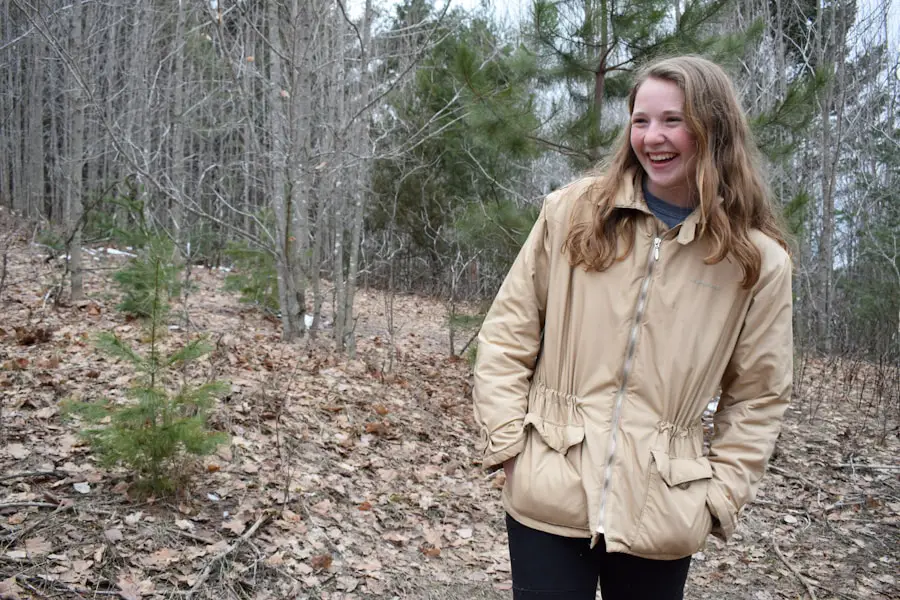
A practical outfit for a typical warm-weather day hike is simple:
- Top: A loose synthetic or lightweight merino-blend hiking shirt, sun shirt, or sun hoodie.
- Bottom: Lightweight hiking shorts or breathable quick-drying pants.
- Underwear: Moisture-wicking synthetic or wool-blend underwear that does not hold sweat against the skin.
- Socks: Synthetic or wool-blend hiking socks that fit smoothly without bunching.
- Footwear: Breathable closed-toe hiking shoes or trail-running shoes with traction appropriate for the trail.
- Sun protection: A wide-brimmed hat, UV400 sunglasses, and SPF 30+ sunscreen on exposed skin.
- Pack: Water, food, navigation, first aid, emergency supplies, and weather protection appropriate for the route.
The CDC recommends lightweight, light-colored, loose-fitting clothing in hot conditions. These features help the body release heat instead of trapping it under heavy or restrictive clothing.
Lightweight and Breathable Fabrics for Hot Weather Hiking
Fabric choice has a major effect on comfort in warm conditions. Polyester and nylon are common hiking fabrics because they can move moisture away from the skin and usually dry faster than a typical cotton T-shirt. Lightweight merino wool and merino blends can also work well, particularly when odor control and multi-day comfort matter.
Fit is just as important as fiber. A loose shirt creates more room for air movement and is generally more comfortable than a tight garment when you are hiking under strong sun.
For exposed trails, a lightweight long-sleeve sun shirt may actually be more practical than a tank top. It reduces the amount of skin that needs sunscreen and provides a physical barrier from direct sunlight. Look for a garment with a stated UPF rating when predictable UV protection matters rather than assuming every hiking shirt provides the same protection.
Pro Tip: Pack for the trail’s exposure, not just the trailhead temperature. An open ridge with no shade can feel much hotter than a wooded trail on the same 80°F day.
Should You Avoid Cotton?
Cotton absorbs moisture and can remain wet for a long time, which often makes it uncomfortable during sweaty hiking and can increase rubbing and chafing. The National Park Service recommends wicking fabrics rather than cotton for hot, humid hiking conditions.
A casual cotton shirt may be acceptable for a short, easy walk near developed areas, but quick-drying hiking fabrics are usually a better choice for longer, steeper, or more remote routes.
Shorts or Pants for an 80-Degree Hike?
Both can work. Lightweight shorts provide maximum airflow and are comfortable on maintained trails with limited brush. Lightweight hiking pants provide more protection from sun, rocks, scratchy vegetation, mosquitoes, and ticks.
Choose shorts when airflow is the priority and trail exposure is low. Choose loose, quick-drying pants when sun, brush, insects, scrambling, or rough terrain are bigger concerns.
In tick habitat, covering more skin can also reduce exposure. The CDC recommends EPA-registered repellent and allows 0.5% permethrin products to be used on clothing and gear according to label directions. Permethrin should not be applied directly to skin.
Prevent Chafing in Hot Weather
Sweat, repeated movement, and damp fabric can cause painful rubbing around the thighs, waist, underarms, feet, or backpack straps. Wear well-fitting moisture-wicking layers, avoid bulky seams in high-friction areas, and change out of soaked clothing when practical.
For people who commonly chafe, an anti-chafing product applied before the hike can provide additional protection.
Choosing the Right Footwear for Hot Weather Hiking
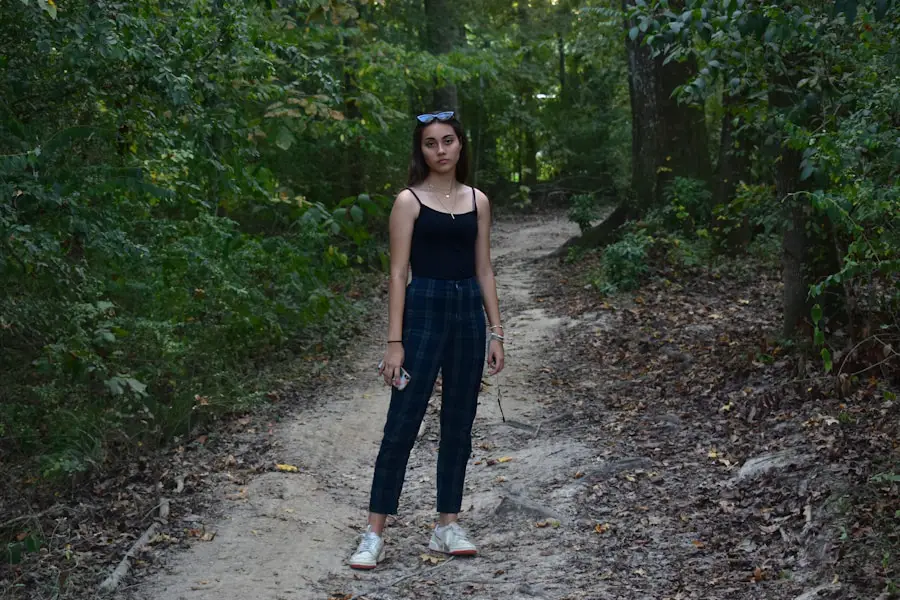
Your footwear should match the terrain first and the temperature second. For most summer day hikes, breathable hiking shoes or trail-running shoes provide a useful balance of airflow, traction, foot protection, and low weight.
Mesh panels can improve ventilation, but do not sacrifice tread or stability simply to get a cooler shoe. Rocky, steep, muddy, or loose trails demand more traction and protection than a smooth maintained path.
Fit is essential. Try hiking shoes with the socks you intend to wear, make sure your heel is secure, and leave enough space in the toe box that your toes are not jammed against the front during descents.
Open hiking sandals can be comfortable on appropriate easy terrain, around camp, or during certain water-oriented activities, but they expose the toes to rocks, roots, sharp vegetation, and debris. The National Park Service advises that open-toed shoes and flip-flops are generally not ideal hiking footwear.
What About Waterproof Hiking Shoes?
Waterproof shoes can be useful on wet trails, but waterproof membranes often reduce ventilation compared with highly breathable non-waterproof footwear. In hot, dry weather, many hikers prefer shoes that breathe and dry quickly. In persistent rain, cold water, mud, or wet vegetation, waterproof footwear may be worth the tradeoff.
Do Not Forget Your Socks
Wear socks made for active use rather than thick everyday cotton socks. Synthetic and wool-blend hiking socks help manage moisture and reduce the chance of damp fabric bunching against the foot. Carrying a dry spare pair can be useful on longer hikes.
Sun Protection: Hats, Sunglasses, Clothing, and Sunscreen
| Item | What to Look For | Main Benefit |
|---|---|---|
| Sunscreen | Broad spectrum, SPF 30+, water resistant | Protects exposed skin from UVA and UVB radiation |
| Hat | Wide brim; UPF rating when available | Shades the scalp, face, ears, and neck |
| Sunglasses | UV400 or 100% UV protection | Reduces UV exposure to the eyes |
| Sun shirt | Loose, lightweight and preferably UPF rated | Covers skin while remaining suitable for active use |
Sun protection and heat protection overlap, but they are not the same thing. UV radiation can cause sunburn and contribute to long-term skin and eye damage. Heat exhaustion, by contrast, results from heat stress and excessive loss of water and salt, usually through sweating.
A wide-brimmed hat is useful because it shades more of the face, ears, and neck than a standard baseball cap. Lightweight sun-protective clothing can cover additional skin without requiring a heavy layer.
For sunglasses, look for UV400 or 100% UV protection. The FDA notes that these labels indicate more than 99% blocking of UVA and UVB radiation. Dark lenses alone do not prove that glasses provide UV protection.
Polarized lenses can reduce glare from water, pale rock, roads, and other reflective surfaces, but polarization should be treated as a comfort and visibility feature rather than a substitute for proper UV protection.
For exposed skin, the American Academy of Dermatology recommends broad-spectrum, water-resistant sunscreen with SPF 30 or higher. Apply it before sun exposure and reapply approximately every two hours, as well as according to the product’s water-resistance directions after swimming or heavy sweating.
Note: The EPA UV Index describes daily UV intensity, while temperature describes heat. You can have strong UV exposure on a day that does not feel extremely hot, so check both sun and heat conditions before a long exposed hike.
Hydration Packs and Water-Resistant Gear
Staying hydrated becomes increasingly important as temperature, sun exposure, elevation, and exertion increase. A hydration reservoir makes it easy to sip while moving, while bottles make it easier to see exactly how much water remains. Either system can work as long as it holds enough for the route and anticipated conditions.
There is no single water quantity that fits every hiker or every trail. Duration, heat, humidity, body size, elevation, pace, available water sources, and individual health needs all change fluid requirements. Before leaving, determine whether reliable water is available on the route and whether it needs treatment.
During prolonged strenuous activity with heavy sweating, electrolytes may also be useful because sweat contains both water and salts. For ordinary shorter hikes, water plus normal food may be sufficient. Do not assume that every trail mix is automatically an electrolyte replacement; the sodium and mineral content varies widely.
Do You Need a Rain Jacket at 80°F?
A light rain shell can still be useful when storms are possible, but hot-weather rain gear involves a tradeoff: the more completely a shell blocks rain, the harder it may be for body heat and sweat vapor to escape.
Choose the lightest weather protection appropriate for the forecast and look for ventilation features such as pit zips, adjustable cuffs, or large pockets designed to vent. In warm conditions, remove the shell as soon as conditions allow rather than continuing to hike in a sealed layer unnecessarily.
Keep items that must stay dry—such as a phone, map, first-aid supplies, or spare clothing—in a pack liner, dry bag, or waterproof pouch.
Layering for Hot Weather Hiking
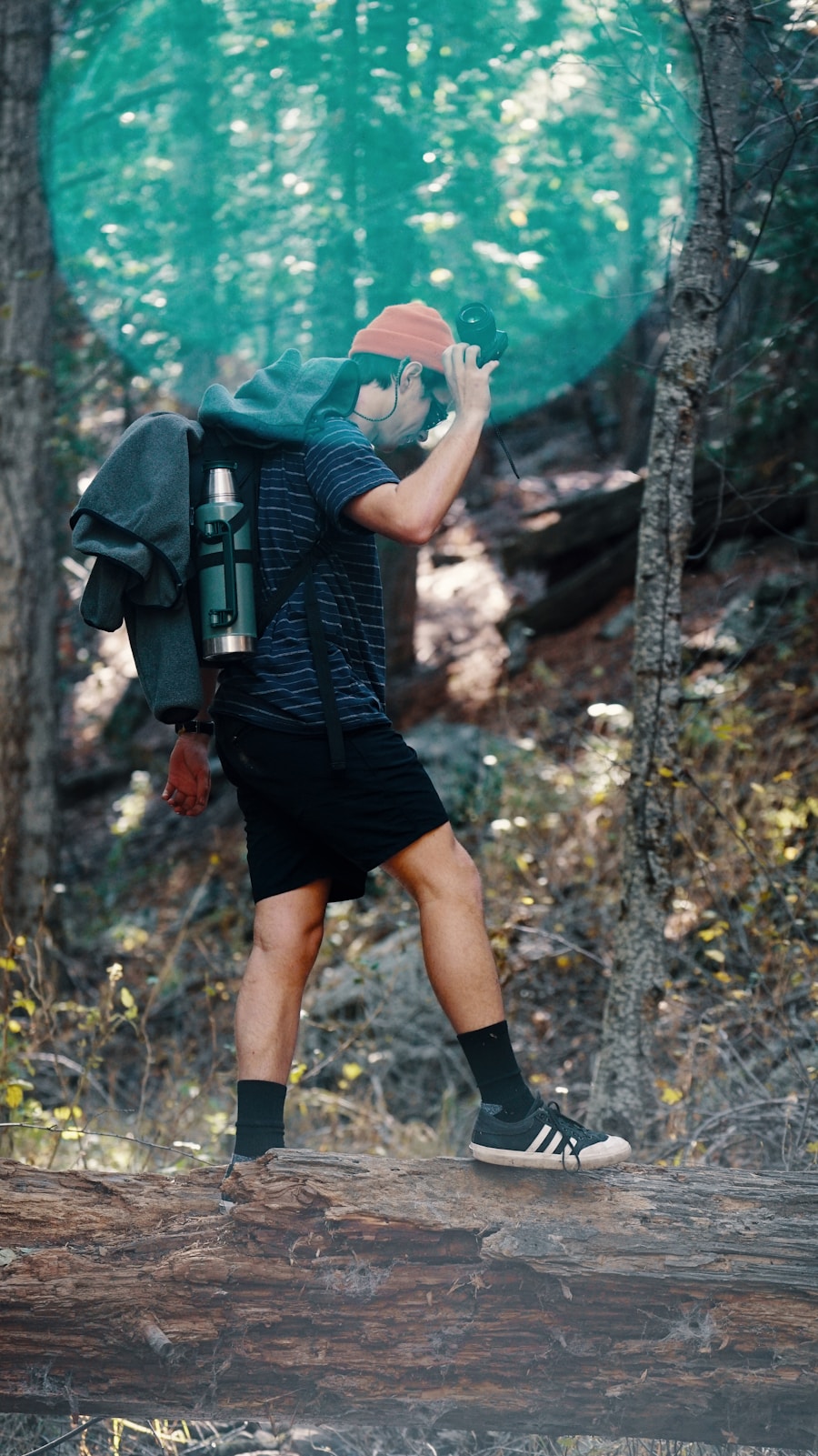
Layering still makes sense in warm weather, but the layers should be light and easy to remove. Temperatures can be cooler at dawn, on windy ridges, at higher elevations, after rain, or when you stop moving.
Start with a moisture-managing shirt next to the skin. A lightweight long-sleeve sun shirt can double as both your main hiking layer and UV protection. Depending on the route, a thin wind layer or rain shell can stay in the pack until conditions change.
Avoid packing several heavy layers simply because “layering” is standard outdoor advice. In 80-degree weather, every extra layer should have a clear purpose.
Light Colors and Loose Fits
Light-colored, loose-fitting garments are a practical default in strong heat. Dark fabric exposed to direct sunlight can absorb more solar energy, while loose clothing allows more air circulation around the skin.
The goal is not to expose as much skin as possible. In strong sun, a loose long-sleeve shirt and lightweight pants can provide an effective balance of airflow, shade, UV protection, and insect protection.
Accessories for Hot Weather Hiking
A few small accessories can make a warm hike more comfortable without adding much pack weight.
- Bandana or neck gaiter: Useful for sweat, dust, sun coverage, or temporary cooling when wet.
- Cooling towel: Can provide relief as water evaporates from the fabric, although evaporative cooling is generally less effective in very humid air.
- Wide-brimmed hat: Provides useful shade over the face, ears, and neck.
- Sunglasses: Choose UV400 or 100% UV protection; polarization is optional for glare control.
- Insect repellent: Useful where mosquitoes or ticks are active.
- Trekking poles: Optional, but they can improve stability on steep or uneven terrain.
If you use permethrin-treated clothing or apply permethrin to gear yourself, follow the product label exactly and never apply clothing-treatment permethrin directly to skin. The CDC recommends 0.5% permethrin products for treating appropriate clothing and gear.
Check the Heat, Humidity, and UV Before You Hike
An air temperature of 80°F does not tell you the whole story. Humidity can slow sweat evaporation, making it harder for the body to cool itself. Direct sunlight, a strenuous climb, a heavy backpack, low wind, and limited shade can add more heat stress.
The National Weather Service Heat Index combines air temperature and relative humidity to estimate how hot conditions feel. NWS also uses tools such as HeatRisk and Wet Bulb Globe Temperature; WBGT is particularly useful when evaluating high levels of outdoor physical activity.
Before leaving the trailhead, check:
- The hourly temperature forecast
- Humidity and heat-related alerts
- Expected cloud cover and direct-sun exposure
- The UV Index
- Thunderstorm or rain risk
- Trail closures and park alerts
- Reliable water availability
- Whether the route provides shade or exposed ridgelines
On unusually hot days, starting earlier, selecting a shaded route, reducing mileage, slowing your pace, and taking more breaks can be more effective safety measures than simply changing shirts.
Know the Warning Signs of Heat Illness
Clothing helps manage heat, but it cannot make every hot-weather hike safe. Pay attention to how you and your hiking partners are feeling throughout the day.
Heat exhaustion can include heavy sweating, weakness, dizziness, headache, nausea, thirst, irritability, or elevated body temperature. Stop exertion, move to a cooler or shaded place, cool the person, and replace fluids as appropriate.
Warning: Confusion, altered mental status, slurred speech, loss of consciousness, seizures, or a very high body temperature can signal heat stroke. Heat stroke is a medical emergency. Call 911, move the person to a cooler area, remove unnecessary outer clothing, and begin rapid cooling while emergency help is on the way.
The CDC identifies heat stroke as the most serious heat-related illness and warns that delayed treatment can result in permanent disability or death.
Packing Essentials for Hot Weather Hiking
Clothing is only part of preparing for a warm-weather hike. Carry the equipment needed to handle changing weather, navigation problems, minor injuries, and an unexpectedly longer day.
Hot-Weather Day-Hike Checklist
- Enough drinking water for the route, plus an appropriate reserve
- Food and salty snacks appropriate for the trip length
- Broad-spectrum SPF 30+ sunscreen
- Wide-brimmed hat
- UV400 or 100% UV-protective sunglasses
- Navigation tools appropriate for the route
- First-aid kit, including blister supplies
- Phone or emergency communication device where appropriate
- Lightweight rain or wind protection when conditions call for it
- Extra socks on long or wet routes
- Headlamp, even when you expect to finish before dark
- Emergency shelter such as a lightweight emergency blanket where appropriate
- Insect protection when mosquitoes or ticks are active
For longer outings, plan food that is easy to eat and does not require unnecessary preparation in the heat. A backpacking stove may be appropriate for an overnight or multi-day trip where cooking is part of the plan, but it is not a routine requirement for an ordinary hot-weather day hike. Always follow local fire restrictions and land-management rules.
Pro Tip: Turnaround decisions are part of good hiking preparation. If the route is hotter, more exposed, or slower than expected, shortening the hike is often safer than trying to compensate by pushing harder or rationing water.
If your warm-weather hiking plans are part of a larger seasonal trip, the existing guide to the best time to travel to Alaska in summer or fall explains how seasonal conditions can affect outdoor travel in Alaska.
Frequently Asked Questions
What should I wear for hiking in 80-degree weather?
Wear a loose, lightweight moisture-wicking shirt, breathable hiking shorts or quick-drying pants, moisture-wicking socks, and supportive closed-toe trail shoes. Add a wide-brimmed hat, UV-protective sunglasses, and sunscreen. On exposed trails, a lightweight long-sleeve UPF shirt can provide useful sun protection without requiring a heavy layer.
What type of shirt is best for hiking in 80-degree weather?
A loose, lightweight synthetic hiking shirt or lightweight merino-blend shirt works well. For exposed terrain, consider a long-sleeve sun shirt with a stated UPF rating. The fit should allow airflow and should not remain heavily soaked with sweat.
What kind of pants are suitable for hiking in 80-degree weather?
Choose lightweight, loose, quick-drying hiking pants when you want protection from sun, brush, insects, or rough terrain. Shorts offer more airflow on maintained trails. Convertible hiking pants can provide both options during the same trip.
What type of footwear is recommended for hiking in 80-degree weather?
For most trails, breathable closed-toe hiking shoes or trail-running shoes are a good warm-weather choice. Select the tread, cushioning, support, and protection according to the terrain. Open sandals are better reserved for routes and activities where exposed toes do not create an unnecessary injury risk.
What accessories should I consider for hiking in 80-degree weather?
Bring a wide-brimmed hat, UV400 or 100% UV-protective sunglasses, SPF 30+ sunscreen, water, navigation, first aid, and appropriate emergency equipment. A cooling towel, neck gaiter, trekking poles, extra socks, and insect protection may also be useful depending on the route.
Is 80 degrees too hot for hiking?
Not necessarily. Many people can hike comfortably at 80°F, but temperature alone does not determine risk. High humidity, direct sun, strenuous climbing, limited shade, poor acclimatization, and local heat alerts can make an 80°F hike much more demanding. Check the forecast and choose a route appropriate for the conditions and your abilities.
Should I wear shorts or long pants when hiking in hot weather?
Shorts provide more airflow, while lightweight pants provide more protection from UV, insects, brush, rocks, and scratches. On exposed or overgrown trails, loose quick-drying pants are often worth the small increase in coverage.
Sources
- National Park Service — Hiking Safety — hot-weather hiking, hydration, pacing, sun protection, and footwear guidance.
- CDC/NIOSH — Heat-Related Illnesses — heat exhaustion, heat-stroke symptoms, and emergency first aid.
- National Weather Service — Heat Forecast Tools — Heat Index, HeatRisk, humidity, and outdoor heat assessment.
- American Academy of Dermatology — How to Apply Sunscreen — SPF, broad-spectrum protection, water resistance, and reapplication.
- U.S. Food and Drug Administration — Sun and Sunglasses Safety — UV400 and 100% UV-protection guidance.
- CDC — Preventing Tick Bites — clothing, repellent, and permethrin-treated gear recommendations.

