

Last Updated on July 28, 2026 by Daniel Globe
Alaska changes quickly between summer and fall, so the best time to visit depends on what you want to experience. June through August offers the longest days, the widest choice of tours, and the most reliable access to parks and cruises. Late August and September bring fall color, darker nights, fewer visitors in many places, and a chance to see the northern lights.
Quick Answer
For a first Alaska trip, June through August is usually best because tours, cruises, park buses, and visitor services are fully operating. Choose late August or September for fall colors, darker nights, possible northern lights, and lighter crowds—but expect cooler weather and fewer seasonal services.
Key Takeaways
- June through August offers the longest daylight, broadest tour availability, and easiest access for most first-time visitors.
- Late August through September can combine fall color, wildlife activity, fewer visitors, and dark enough skies for possible aurora viewing.
- Alaska’s weather varies sharply by region; coastal areas are usually cooler and wetter than Interior Alaska.
- Seasonal buses, cruises, lodges, restaurants, and guided tours begin reducing service after Labor Day or by mid-September.
- Wildlife and northern-lights sightings are never guaranteed, so build flexibility into your itinerary.
Disclosure: As an Amazon Associate I earn from qualifying purchases. Some links on this page are affiliate links, at no extra cost to you.
Alaska in Summer vs. Fall at a Glance
| Factor | Summer: June–August | Fall: Late August–October |
| Weather | Mildest overall, though rain and cold spells remain possible | Cooler, wetter in some coastal areas, with frost or early snow possible inland |
| Daylight | Very long days, especially near the June solstice | Rapidly shortening days and increasingly dark nights |
| Tour availability | Widest choice of cruises, buses, rail trips, fishing, and guided excursions | Good in late August and early September, then increasingly limited |
| Crowds | Highest in popular ports, parks, and wildlife-viewing areas | Often lighter, though aurora destinations and special events can stay busy |
| Scenery | Green forests, wildflowers, open water, glaciers, and the midnight sun | Gold birch and aspen, red tundra, fresh snow on peaks, and darker skies |
| Northern lights | Usually not visible because the sky remains too bright | Possible from late August, with better darkness as fall progresses |
| Best for | First trips, cruises, families, hiking, fishing, and maximum flexibility | Photography, fall color, aurora chances, quieter travel, and repeat visitors |
Weather and Daylight in Summer and Fall
Alaska covers an enormous area, so a single statewide temperature range is not useful. Conditions in rainy Southeast Alaska can be very different from those in Anchorage, Fairbanks, Denali, or the Arctic. Mountains and coastal winds can also produce rapid local changes.
Summer Weather: May Through August
Alaska’s broader summer travel season runs from May through September, while June, July, and August form the busiest core. July is usually the warmest month. According to Travel Alaska’s monthly weather guide, typical July temperatures are about 52–66°F in Anchorage and 52–63°F in Juneau. Fairbanks has an average July high near 75°F, although Interior Alaska can occasionally become much hotter.
Coastal regions generally stay cooler. The Inside Passage often has daytime summer highs in the low to mid-60s, and rain or mist can occur at any time. A warm afternoon should never be treated as a guarantee of warm conditions on a boat, glacier tour, mountain trail, or exposed viewpoint.
Daylight is summer’s greatest advantage. Around the June solstice, Anchorage receives about 19 hours between sunrise and sunset, while Fairbanks receives roughly 22 hours. Communities north of the Arctic Circle experience the midnight sun. Long daylight allows travelers to schedule hikes, drives, fishing trips, and photography late into the evening.
Fall Weather: Late August Through October
Alaska’s fall arrives earlier than it does in most of the Lower 48. In Interior and northern Alaska, tundra and deciduous trees may begin changing color during August. By September, nights are longer, mornings are colder, and frost or snow may occur at higher elevations and inland locations.
September can still offer pleasant hiking and sightseeing, but conditions are less predictable. Rain and low clouds are common concerns along the coast, while Interior Alaska can shift quickly from mild afternoons to freezing nights. October feels more like early winter in many inland and northern areas, and visitor services become limited.
Note: Alaska’s seasons do not follow one statewide calendar. Fall color may be fading in Denali while Southeast Alaska remains green, and snow can arrive inland while coastal communities are still experiencing rain.
Regional Weather Differences
- Interior Alaska and Fairbanks: Warmest summer afternoons, large day-to-night temperature swings, early fall color, and the strongest late-summer overlap with aurora viewing.
- Southcentral Alaska and Anchorage: Moderate coastal-influenced weather, convenient road access, long summer days, and changing birch colors in late August and September.
- Inside Passage and Southeast Alaska: Cooler temperatures, lush temperate rainforest, frequent clouds or rain, and outstanding cruise and marine-wildlife opportunities.
- Arctic Alaska: Continuous summer daylight in some communities, rapidly shortening days in fall, limited road access, and weather that can change abruptly.
Wildlife Viewing Opportunities
Summer provides the broadest range of Alaska wildlife experiences. Bears may gather near salmon streams, whales feed in coastal waters, seabirds nest near cliffs and islands, and moose, caribou, mountain goats, sea lions, seals, puffins, and porpoises may be seen in suitable habitats. Wildlife sightings still depend on location, weather, food sources, and luck.
Late summer and fall bring different behavior. Moose enter their fall rut, caribou movements become more noticeable in some regions, and bears feed heavily before winter. Migrating birds gather along wetlands and coastlines. In Denali, animals can stand out clearly against red and gold tundra, although shorter operating seasons can limit transportation into the park.
Alaska does have introduced elk populations on a small number of islands, but elk are not a practical statewide focus for most first-time trips. Travelers are more likely to plan around bears, moose, caribou, whales, salmon, and seabirds.
Warning: Never approach or follow wildlife. National Park Service guidance for Alaska recommends staying at least 300 yards from bears and at least 25 yards from other animals, dens, and nests. Follow the rules for the specific park or viewing area, keep food secured, make noise on trails, carry accessible bear spray where permitted, and never run from a bear. Review the National Park Service wildlife-safety guidance before entering bear country.
Pro Tip: Bring binoculars or a zoom lens and book a guided wildlife trip when seeing a specific species is a major goal. Guides know current animal activity and can reduce the temptation to approach too closely.
Outdoor Activities and Adventures
Summer offers the greatest selection of outdoor activities. Popular options include hiking, kayaking, rafting, glacier cruises, flightseeing, cycling, fishing, camping, wildlife tours, and scenic rail journeys. Most cruise itineraries operate from May through September, with the greatest number of sailings and shore excursions available from June through August.
Fall hiking can be excellent because of cooler temperatures, colorful tundra, and fewer insects. Late August and early September are especially attractive for photographers. However, muddy trails, shorter daylight, freezing nights, and reduced transportation must be considered before planning a remote trip.
Summer Activities
- Inside Passage and glacier cruises
- Denali wildlife and sightseeing bus trips
- Hiking in national parks and state recreation areas
- Fishing for salmon and other species during locally open seasons
- Kayaking, rafting, and paddleboarding
- Whale-watching and marine-wildlife tours
- Scenic rail journeys between Southcentral and Interior Alaska
- Camping and backcountry trips with long daylight
Fall Activities
- Fall-color drives and tundra photography
- Cool-weather hiking near road-accessible communities
- Wildlife viewing during seasonal movement and feeding
- Berry-country scenery and harvest events
- Northern-lights tours beginning in late August
- Late-season cruises and coastal sightseeing where schedules permit
2026 Denali access note: The Denali Park Road is closed at Mile 43 because of the Pretty Rocks Landslide. Summer buses and visitor services still operate, but historic itineraries beyond the closure are unavailable by road. Check the current Denali conditions page before booking transportation or lodging.
Scenic Landscapes and Natural Beauty
| Alaska Region | Summer Landscape | Fall Landscape |
| Interior and Denali | Green tundra, wildflowers, broad mountain views, and extremely long days | Red tundra, gold birch, fresh snow on high peaks, and darkening skies |
| Southcentral | Green forests, accessible glaciers, coastal mountains, lakes, and open trails | Yellow birch and aspen, misty valleys, and snow returning to mountain ridges |
| Inside Passage | Temperate rainforest, fjords, glaciers, waterfalls, and marine scenery | Moody clouds, fall accents, strong waterfalls, and quieter ports |
| Arctic | Midnight sun, expansive tundra, wetlands, and migratory birds | Very early tundra color, colder weather, migrating wildlife, and rapid loss of daylight |
Summer landscapes are dominated by green forests, wildflowers, open waterways, waterfalls, and snow-covered mountain ranges under long hours of light. Lakes and rivers reflect the surrounding peaks, while coastal routes provide views of glaciers, fjords, and marine wildlife.
Fall transforms Alaska much earlier than many visitors expect. In Denali and Interior Alaska, higher elevations may begin changing color in mid-August, followed by lowland tundra and birch. Peak color can arrive around late August or early September rather than during October.
The combination of red tundra, yellow birch, blue-gray mountains, and early snow creates excellent photographic contrast. Shorter days also produce softer sunrise and sunset light at more convenient hours than during midsummer.
In much of Alaska, the most recognizable fall scenery arrives in August and September—not during the late-October peak familiar to many Lower 48 travelers.
Crowds and Tourism
June, July, and August are the busiest months at major cruise ports, roadside attractions, national parks, and well-known wildlife-viewing sites. School vacations and the full seasonal operating schedule bring high demand for rental cars, lodging, tours, and campground reservations.
High visitation does not make a summer trip a poor choice. It means travelers should reserve limited-capacity experiences early and plan popular stops for mornings, evenings, or less crowded weekdays when possible.
Visitor numbers often decline after Labor Day. Trails, scenic roads, and some attractions may feel quieter, but the tradeoff is reduced service. A smaller number of open hotels, restaurants, buses, or tours can concentrate travelers into the options that remain. Fairbanks can also stay busy during strong aurora periods and special events.
Availability and Cost of Accommodations
Summer lodging should be booked well ahead in popular areas such as Denali, Seward, Homer, Juneau, and smaller cruise ports. Rental cars, cabins, and campgrounds can also sell out during peak dates.
Late August and September may bring lower room rates or more flexible cancellation terms, but savings are not guaranteed. Remote communities have limited inventory, and businesses that remain open may still charge high rates. Aurora demand can raise prices around Fairbanks, while coastal lodging may close or reduce staffing after the cruise season.
Travelers should compare the full trip cost rather than the room price alone. A cheaper fall hotel can be offset by fewer tour departures, a more expensive rental car, added cold-weather equipment, or an extra night needed to accommodate weather delays.
Pro Tip: Reserve lodging and transportation with flexible cancellation policies. Recheck rates before the cancellation deadline, but confirm that the tours, park buses, ferries, and restaurants you need will still be operating on your dates.
Local Festivals and Events
Summer offers the largest calendar of community events. Recurring examples include Fairbanks’ Midnight Sun Festival, the Sitka Music Festival, and the Alaska Scottish Highland Games in Palmer. Farmers’ markets, solstice celebrations, fishing events, cultural gatherings, and outdoor concerts also take place across the state.
Late summer and fall bring the Alaska State Fair, harvest celebrations, local Oktoberfest events, and Alaska Day activities in Southeast communities. Event dates, venues, and schedules change from year to year, so confirm details with the official organizer before booking flights or lodging.
Northern Lights Viewing Opportunities
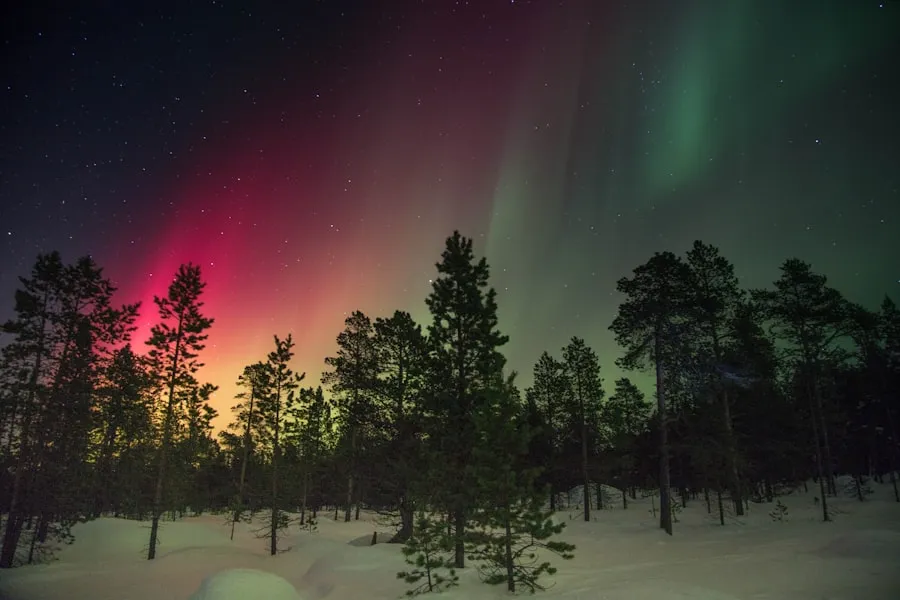
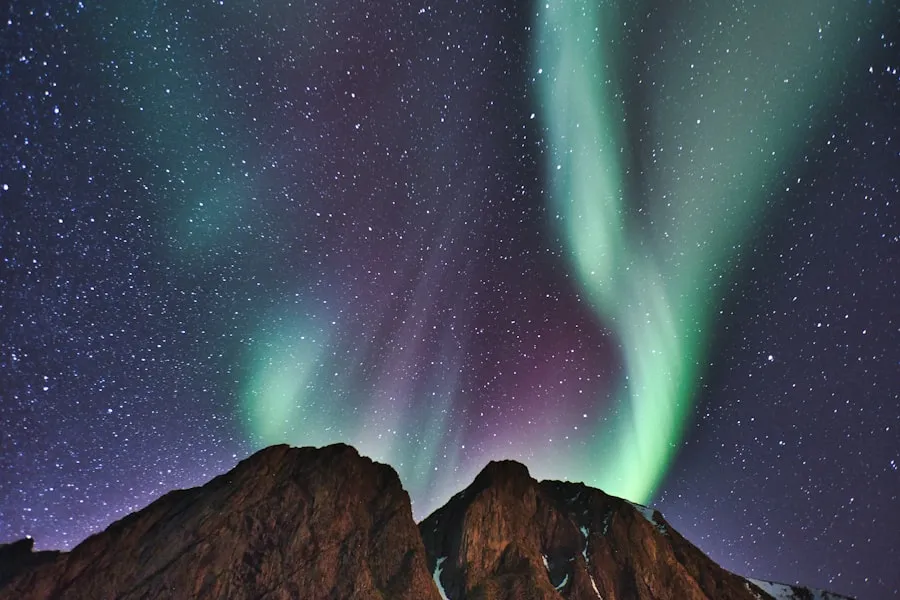
The aurora borealis occurs throughout the year, but it cannot normally be seen when the sky remains bright. This is why June and July are poor aurora months in most Alaska destinations even when geomagnetic activity is occurring overhead.
The University of Alaska Fairbanks Geophysical Institute describes Fairbanks’ practical aurora-viewing season as roughly August 21 through April 21. Late August and September provide a useful overlap: many summer activities may still be available during the day, while the night can become dark enough for an aurora display.
Seeing the northern lights still requires several conditions to align:
- A sufficiently dark sky
- Clear or partly clear weather
- Enough geomagnetic activity
- A location away from bright city lights
- Patience to remain outside during late-night viewing hours
Fairbanks and other Interior locations are popular because they sit near the auroral oval and often have clearer inland skies than coastal Southeast Alaska. However, clouds can block even a strong display, so no tour operator can guarantee a sighting.
Pro Tip: Allow at least three nights in an aurora destination when the lights are a major goal. Check both the aurora forecast and the local cloud forecast, and be prepared to stay awake between roughly 10 p.m. and 2 a.m.
Month-by-Month Alaska Travel Guide
| Month | What to Expect |
| May | Long daylight, fewer visitors, relatively dry conditions in many regions, and seasonal businesses reopening. Some tours do not begin until mid- or late May. |
| June | Maximum daylight, broad tour availability, active wildlife, and comfortable travel conditions. Mosquitoes can be noticeable in wet inland areas. |
| July | Warmest average conditions, peak tourism, strong cruise and activity schedules, and high demand for lodging and rental cars. |
| August | Good activity availability, cooler evenings, increasing rain in some regions, early fall color inland, and possible aurora viewing late in the month. |
| September | Fall scenery, darker nights, aurora chances, cooler weather, and lighter crowds. Many seasonal services close after Labor Day or by mid-month. |
| October | Longer aurora-viewing nights, possible snow and ice, few conventional summer tours, and limited services outside larger communities. |
Which Season Is Best for Your Alaska Trip?
Choose June or July If You Want:
- The widest choice of cruises and guided tours
- Maximum daylight for long sightseeing days
- Full park, rail, and visitor-center schedules
- The simplest timing for a first Alaska vacation
- Warmer average conditions for families or casual outdoor activities
Choose August If You Want:
- A balance between summer activities and cooler temperatures
- Late-month fall color in Interior Alaska
- A possible aurora opportunity near the end of the month
- Wildlife feeding and migration activity
- More schedule flexibility than later in fall
Choose September If You Want:
- Fall colors and dramatic mountain scenery
- Darker nights and better aurora potential
- Fewer visitors in many popular areas
- Cool-weather hiking and photography
- A shoulder-season trip with some summer services still operating
Choose October If You Want:
- An aurora-focused stay in or near a larger community
- Cold-weather scenery without planning a deep-winter trip
- A quiet city-based visit rather than a full summer sightseeing circuit
What to Pack for Summer and Fall
Layers are necessary in every Alaska season. A sunny afternoon can turn into a cold, windy, or rainy evening, especially near glaciers, on boats, and at higher elevations.
Summer Packing Essentials
- Waterproof hooded rain shell
- Fleece, wool, or lightweight insulated layer
- Quick-drying shirts and pants
- Sturdy water-resistant walking or hiking shoes
- Warm hat and light gloves for boats and glacier areas
- Sunglasses and sunscreen
- Sleep mask for very long daylight
- Binoculars
- EPA-registered insect repellent
The Centers for Disease Control and Prevention recommends using an EPA-registered repellent rather than relying on an untested natural product.
Fall Packing Essentials
- Waterproof shell and rain pants
- Warm fleece or insulated jacket
- Base layers for freezing mornings
- Warm hat, gloves, and wool socks
- Waterproof footwear with reliable traction
- Headlamp for dark evenings
- Portable battery pack for cold-weather photography
- Thermos or insulated bottle for aurora outings
Travelers carrying cigars who need protection from moisture and temperature changes can also review this guide to choosing the best travel humidor.
Alaska Travel Safety and Seasonal Planning
- Check operating dates: Confirm each cruise, ferry, train, park bus, lodge, restaurant, and guided tour separately.
- Review current conditions: Road closures, wildfire smoke, flooding, snow, and landslides can affect an itinerary.
- Download offline maps: Mobile service is limited or absent in many rural and park areas.
- Carry emergency layers: Keep rain protection, warm clothing, water, and food available during long drives.
- Respect wildlife: Use binoculars, secure food, carry bear spray where appropriate, and follow local distance rules.
- Allow weather buffers: Build spare time around flightseeing, ferries, small-plane flights, and remote excursions.
- Tell someone your plans: Share routes and return times before hiking or traveling away from established roads.
Warning: Do not treat a summer forecast as proof that cold-weather gear is unnecessary. Hypothermia can become a risk when wind, rain, sweat, or cold water lowers body temperature, even when the air does not feel extremely cold.
Frequently Asked Questions
What is the best time to travel to Alaska?
June through August is usually best for a first trip because the widest range of cruises, tours, park buses, rail services, and seasonal businesses is operating. Late August and September may be better for travelers who prioritize fall color, fewer crowds, cooler weather, or northern-lights opportunities.
What is Alaska’s summer weather like?
Summer weather varies by region. July temperatures are commonly in the 50s and 60s around Anchorage and Juneau, while Fairbanks has an average July high near 75°F and can occasionally become hotter. Rain, wind, and sudden temperature changes remain possible throughout the state.
What are the most popular summer activities in Alaska?
Popular summer activities include cruises, wildlife tours, hiking, fishing, kayaking, rafting, glacier sightseeing, scenic rail travel, flightseeing, camping, and road trips. June through August offers the largest selection of scheduled departures.
Which Alaska festivals take place during summer?
Recurring summer events include the Midnight Sun Festival in Fairbanks, the Sitka Music Festival, and the Alaska Scottish Highland Games in Palmer. Dates and schedules change annually, so verify them with the official organizer before booking travel.
Can you see the northern lights during Alaska’s summer?
The aurora occurs year-round, but Alaska’s bright skies usually prevent viewing in June and July. Darkness returns in late August, creating possible viewing opportunities. Around Fairbanks, the practical aurora season is roughly August 21 through April 21.
Is September a good month to visit Alaska?
September can be excellent for fall color, cooler hiking weather, photography, wildlife activity, and aurora viewing. The main disadvantage is that tours, park buses, hotels, restaurants, and visitor services begin closing or reducing hours, especially after Labor Day and by mid-month.
Is Alaska cheaper in fall?
Some hotels and tours reduce rates after peak summer, but fall is not automatically cheap. Limited lodging, rental-car availability, special events, and aurora demand can keep prices high. Compare the complete itinerary and confirm that every required service will be operating.
Sources
- Travel Alaska — Alaska Weather by Month — regional temperatures, seasonal conditions, and monthly travel guidance
- University of Alaska Fairbanks Geophysical Institute — Aurora Forecast — practical aurora season and current viewing forecasts
- National Park Service — Denali Operating Hours and Seasons — park buses, visitor services, and seasonal operating periods
- National Park Service — Denali Current Conditions — current road access and Pretty Rocks Landslide closure information
- Alaska Department of Fish and Game — Traveling in Bear Country — bear awareness, clean-camp practices, and encounter prevention
- Centers for Disease Control and Prevention — Preventing Mosquito Bites — insect-repellent and bite-prevention recommendations

