
Last Updated on September 11, 2026 by Daniel Globe
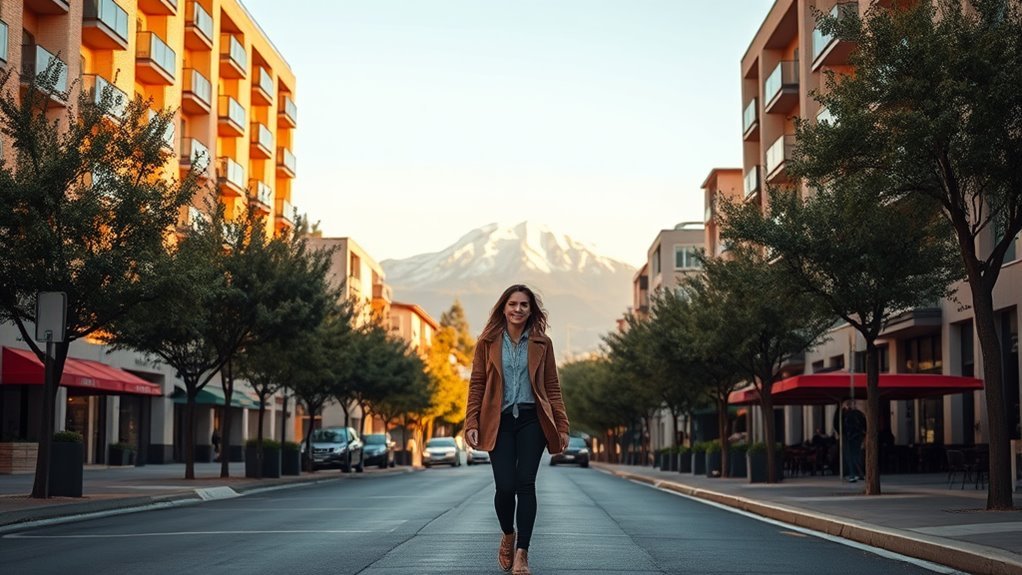
If you’re traveling solo as a woman in Santiago, Providencia is usually the most practical place to stay. It combines hotels, restaurants, active commercial streets, and convenient Metro connections without placing you deep inside the busiest part of downtown. Las Condes, Vitacura, Ñuñoa, Lastarria, and Barrio Italia can also work well, but the safest choice depends on your exact hotel location, arrival plans, and nighttime routine.
Quick Answer
For most solo female travelers, Providencia is Santiago’s most practical base because it combines Metro access, hotels, restaurants, and active streets. Las Condes and Vitacura suit travelers who prefer quieter, upscale areas and do not mind using rides. No neighborhood is crime-free, so choose a well-reviewed hotel on a well-lit route and stay alert.
Key Takeaways
- Providencia offers the best overall balance of transport, dining, accommodation, and walkability for many first-time visitors.
- Las Condes and Vitacura feel more residential and upscale, but longer distances often make taxis, buses, or app-booked rides necessary.
- Lastarria and Barrio Italia offer culture and restaurants, although you still need to guard against phone theft, pickpocketing, and distraction scams.
- Bellavista and the central tourist district need greater caution at night, especially after bars close or street activity drops.
- Check current travel advice before departure because demonstrations, crime patterns, and transport conditions can change.
Disclosure: As an Amazon Associate I earn from qualifying purchases. Some links on this page are affiliate links, at no extra cost to you.
What Is the Safest Area in Santiago?

Santiago does not have an official neighborhood ranking that identifies one area as universally safest. Crime can occur in affluent, residential, tourist, and commercial districts, so it is better to compare neighborhoods by their transport access, street activity, accommodation options, and nighttime convenience.
For most first-time solo female travelers, Providencia is the strongest all-around choice. It has a large selection of hotels and restaurants, useful Metro stations, active main roads, and straightforward connections to other parts of Santiago. Chile’s official tourism website also describes Providencia as a neighborhood commonly chosen by visitors for accommodation.
Las Condes and Vitacura can suit travelers who want quieter surroundings and modern services. Ñuñoa offers a more residential atmosphere, while Lastarria and Barrio Italia appeal to travelers who prioritize culture, cafés, and walkable daytime activities.
Before booking, review the latest U.S. travel advisory for Chile, the Government of Canada’s Chile advice, or the guidance issued by your own government.
| Area | Best for | Main limitation |
|---|---|---|
| Providencia | First visits, Metro access, dining, and convenient sightseeing | Busy commercial areas still attract opportunistic theft |
| Las Condes | Modern hotels, business travel, shopping, and quieter evenings | Some sections are spread out and less convenient on foot |
| Vitacura | Upscale dining, parks, and a quieter residential setting | Limited Metro access means greater reliance on buses or rides |
| Ñuñoa | A more local atmosphere, restaurants, and residential streets | The experience varies considerably by exact location |
| Lastarria | Museums, cafés, architecture, and central sightseeing | Known tourist area where pickpocketing and phone theft require caution |
| Barrio Italia | Design shops, restaurants, galleries, and a relaxed daytime visit | Some quieter streets are less suitable for unfamiliar late-night walks |
A neighborhood name can guide your search, but the hotel’s exact street, reception hours, nearby transport, and nighttime route often matter more.
Why Providencia Is Often the Best Base
Providencia works well when you want to explore independently without spending much of the day arranging transportation. The area has restaurants, supermarkets, shopping centers, offices, hotels, parks, and several Metro stations.
Staying near a busy avenue such as Avenida Providencia or Nueva Providencia can give you easier access to transport and more street activity. However, you should still check whether your hotel entrance sits on a well-lit street and whether the walk from the nearest station remains active in the evening.
For green space, Providencia has options such as Parque de las Esculturas and Parque Bustamante. Parque Bicentenario, which the original article associated with this area, is actually in Vitacura.
Providencia also places you close to Cerro San Cristóbal, Costanera Center, restaurants, and transport connections. This combination makes daily planning easier, especially when you do not know Santiago well.
The neighborhood is not immune to theft. Keep your phone away from the street edge, do not leave a bag hanging from a restaurant chair, and avoid placing valuables on an outdoor table.
Las Condes and Vitacura: Comfortable but Less Walkable
Las Condes and Vitacura offer modern hotels, restaurants, shopping, offices, medical services, and quieter residential streets. They may appeal to you if comfort and a calmer atmosphere matter more than being within walking distance of every attraction.
Neither area should be treated as crime-free. Current UK travel guidance notes that carjackings can occur in affluent parts of Santiago, so keep vehicle doors locked, avoid leaving anything visible inside a car, and stay aware when a gate or garage door is opening.
Safety and Affluence
Las Condes contains major business areas, modern accommodation, shopping centers, and the U.S. Embassy. It also has useful Metro access in several sections, particularly along Line 1.
Vitacura has upscale restaurants, galleries, residential streets, and Parque Bicentenario. It has less direct Metro coverage, so your experience will depend more heavily on buses, taxis, or app-booked rides.
Quiet streets can feel comfortable during the day but may offer little foot traffic late at night. Arrange a ride when the walk to your accommodation is long, unfamiliar, or poorly lit.
Limited Walkability
Las Condes and Vitacura cover large areas, and attractions are not always grouped together. A hotel may appear close to a restaurant or shopping center on a map while still requiring a long walk across wide roads or office districts.
| Tip | Why it matters |
|---|---|
| Check the exact hotel entrance | The front door may be on a quieter side street |
| Map the nighttime route | A daytime business district can become quiet after offices close |
| Keep an app-booked ride available | Long distances may not be comfortable to walk alone at night |
| Group nearby activities | This reduces unnecessary cross-city travel |
| Stay near suitable transport | Metro or frequent bus access makes daily movement easier |
Choose these areas when you are comfortable combining short walks with public transport or booked rides.
Best Walkable Neighborhoods in Santiago
Providencia, Ñuñoa, Lastarria, and Barrio Italia are among Santiago’s more practical neighborhoods for travelers who want cafés, restaurants, shops, or attractions within walking distance.
Providencia offers the most complete combination of pedestrian activity, accommodation, shops, and Metro access. Ñuñoa can provide a calmer residential experience, especially near active commercial areas and Metro stations.
Lastarria is compact and convenient for museums, cafés, cultural spaces, and central attractions. However, the U.S. State Department lists Barrio Lastarria among tourist locations where pickpocketing and muggings occur frequently. Keep your phone secured and avoid placing a bag on the back of a chair.
Barrio Italia is known for design stores, antiques, galleries, cafés, and restaurants. The Santa Isabel Metro station on Line 5 provides one way to reach the area, although your accommodation may be several blocks from the neighborhood’s busiest streets.
Note: Walkability does not automatically mean lower crime. Busy tourist streets, crowded trains, restaurant patios, and station entrances can create opportunities for pickpocketing and phone snatching.
Lastarria and Barrio Italia as Alternatives

Lastarria and Barrio Italia can work well when you want character, food, and cultural activities rather than a large business district. Neither neighborhood has a meaningful official numerical safety rating, so claims such as “7/10 for safety” should not guide your booking.
Instead, compare recent hotel reviews, the route from the nearest Metro station, reception hours, lighting around the entrance, and the amount of nighttime activity on the surrounding streets.
Lastarria’s Walkable Appeal
Lastarria has boutique shops, restaurants, bars, museums, and cultural venues in a compact central location. Bellas Artes and Universidad Católica Metro stations provide useful connections.
The neighborhood’s popularity also attracts opportunistic theft. Carry a crossbody bag with closed zippers, keep your phone away when standing near the curb, and do not leave valuables unattended in cafés.
Lastarria can be convenient for daytime sightseeing and early-evening dining. Later at night, use a booked ride if the route back to your hotel becomes quiet or unfamiliar.
Barrio Italia’s Relaxed Charm
Barrio Italia offers colorful buildings, antique shops, design stores, galleries, cafés, and restaurants. It generally feels less dominated by major tourist attractions than Lastarria, which may appeal to travelers seeking a more local atmosphere.
You can use the area for:
- Browsing independent design and antique stores.
- Visiting cafés, galleries, and restaurants.
- Combining a daytime visit with nearby Providencia or Ñuñoa.
Some side streets become quiet after businesses close. Stay on active routes, check your return transportation before dinner, and avoid walking while focused on your phone.
How to Choose a Hotel Location
The exact accommodation can matter as much as the broader neighborhood. Before booking, open the map and examine the final few blocks between the hotel and the transport, restaurants, or attractions you expect to use.
- Look for 24-hour reception: This gives you a staffed place to enter if you return late or need assistance.
- Read recent security reviews: Search reviews for mentions of the entrance, surrounding streets, theft, taxis, and nighttime noise.
- Check controlled access: A staffed entrance, key-card lift, or locked lobby adds a useful layer of security.
- Map the nighttime route: Street View and recent guest photos can reveal underpasses, construction, empty office blocks, or isolated station exits.
- Stay near transport, but not blindly: A Metro station is useful, although the busiest entrances and crowded platforms require extra attention to bags and phones.
- Confirm late-arrival arrangements: Ask whether the hotel can arrange an official taxi or recognized transfer from the airport.
Pro Tip: Save your hotel’s name, street address, phone number, and map pin offline. Santiago has long streets and similarly named roads, so the exact pin helps prevent confusion during a late arrival.
Current Safety Picture in Santiago
Many women visit Santiago independently, but current government guidance calls for active precautions rather than assuming the city is low-risk. As of July 2026, the United States advises travelers to exercise increased caution in Chile because of crime and civil unrest. Canada advises a high degree of caution.
Commonly reported risks include pickpocketing, bag snatching, phone theft, muggings, theft from vehicles, distraction scams, and fraudulent transport charges. These incidents can occur in tourist areas, hotels, restaurants, airports, bus terminals, shopping centers, and the Santiago Metro.
Demonstrations can begin with little notice in central Santiago and may disrupt buses or Metro services. Avoid protest gatherings, do not stop to take close-up photos, and follow instructions from local authorities.
Keep a copy of your passport with you and secure the original in your accommodation unless local circumstances require otherwise. Store backup copies of your travel documents and insurance information online.
Santiago Areas That Need Extra Caution at Night
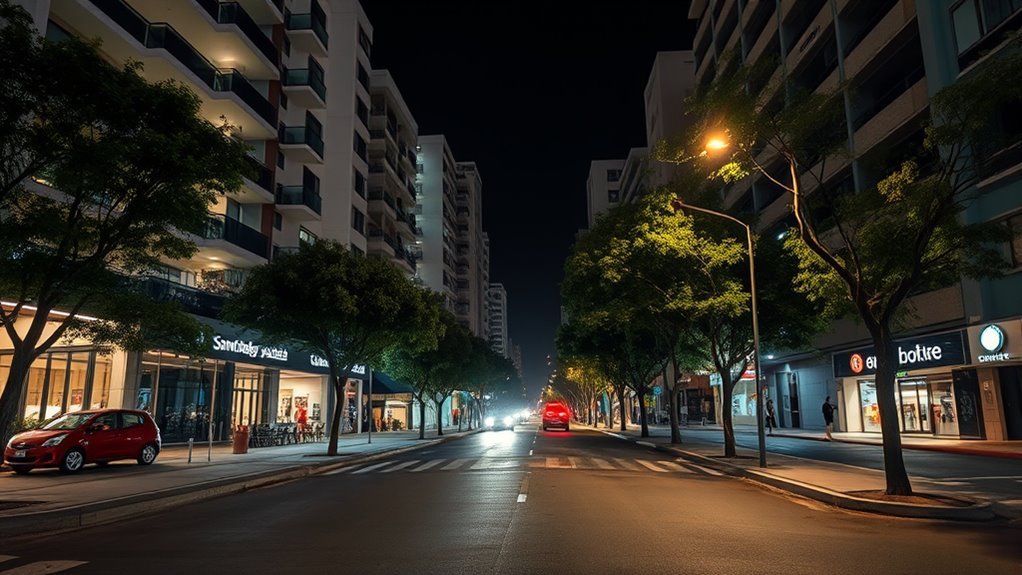
It is more accurate to identify higher-risk situations than to label entire Santiago municipalities as forbidden. Conditions can change from one street to the next, and a busy area at 7 p.m. may become quiet several hours later.
Bellavista is one of Santiago’s main nightlife districts. It has restaurants, bars, music venues, street art, and cultural attractions, but solo travelers should arrange their return ride, stay aware around closing time, and avoid walking into quiet side streets.
Central Santiago, including areas around Plaza de Armas, Cerro Santa Lucía, and major tourist sites, requires close attention to phones and bags. Demonstrations also occur more frequently in central parts of the city.
Transport terminals and Estación Central require extra caution because crowded arrival halls, platforms, pavements, and luggage-handling areas create opportunities for distraction theft. Keep important items with you rather than in an external luggage pocket.
Recoleta contains attractions and busy commercial areas, but unfamiliar or quiet streets are not ideal for solo late-night walking. This does not justify the original article’s unsupported blanket allegation about “gang activity.” Use a booked ride when you do not know the route.
Warning: UK travel guidance reports drink-spiking incidents in Bellavista and the Suecia nightlife area. Keep your drink in sight, do not accept an unattended drink, avoid becoming separated from trusted companions, and arrange your journey back before you start drinking.
How to Get Around Santiago Safely
Santiago’s public transport system combines buses, Metro, and MetroTren Nos. The official Red Movilidad website provides system information, while the bip! card is the standard payment method for public transport.
- Protect your phone: Check directions before leaving a building when possible. Avoid holding your phone loosely beside a road, open vehicle window, train door, or station entrance.
- Keep bags closed: Carry a handbag or backpack in front of you on crowded trains and escalators.
- Avoid distraction traps: Be cautious when someone spills liquid on you, urgently points to your clothing, or crowds you while another person moves behind you.
- Use app-booked or official rides: Verify the vehicle registration, driver details, and destination before entering. Do not accept a substitute vehicle.
- Book late-night taxis: Current UK advice recommends booking taxis rather than hailing one from the street late at night.
- Plan for disruption: Demonstrations can interrupt Metro and bus service. Keep enough battery and funds for an alternative ride.
When using an ATM, choose one inside a bank, hotel, or shopping center. Shield the keypad, inspect the card slot, and put your cash away before leaving the machine.
Arriving at Santiago Airport Safely
Transportation scams are an important concern at Santiago’s international airport. Do not accept a ride from someone who approaches you in the arrivals hall, even if the person wears an official-looking badge or carries a printed price list.
Santiago Airport has an official transportation center after customs where passengers can arrange authorized taxis, transfers, or buses.
- Follow the airport signs to the official transportation counters.
- Confirm the full fare and payment method before entering the vehicle.
- Check every digit on a card terminal before approving the charge.
- Do not let a driver stand beside you while you use an ATM.
- Send the vehicle details and estimated arrival time to a trusted contact.
For a late arrival, asking your hotel to arrange a recognized transfer can reduce uncertainty and help the driver find the correct entrance.
Night Safety Tips for Solo Women
You do not have to return before sunset, but nighttime travel needs more planning. Choose active routes, arrange transportation before leaving a restaurant or bar, and avoid changing your destination after entering a vehicle.
- Tell someone where you are going and when you expect to return.
- Use your phone’s trip-sharing feature when taking a booked ride.
- Sit in the rear seat and keep the door accessible.
- Do not display expensive jewelry, large amounts of cash, or your passport.
- Walk toward a hotel, restaurant, staffed shop, or security desk if you think someone is following you.
- Ask hotel reception to call or verify transportation when you are unsure.
- Keep one payment method and a small amount of emergency cash separate from your main wallet.
If a street feels wrong, change direction early. Cross toward an active business, enter a staffed building, or order a ride from inside rather than waiting alone on the pavement.
What to Do if Something Goes Wrong
Chile’s main emergency numbers are:
- Police: 133
- Ambulance: 131
- Fire: 132
- Domestic violence support: 149
If someone attempts to rob you, do not physically resist over a phone, bag, or wallet. Move to a staffed location when it is safe, contact the police, notify your accommodation, and block stolen bank cards or mobile accounts.
If your passport is stolen, contact your embassy or consulate and obtain a police report. Keep digital copies of your passport identification page, insurance policy, and important booking details somewhere you can access without your main phone.
If you suspect drink spiking, tell venue staff or a trusted person immediately, move to a secure place, and seek urgent medical assistance. Do not leave alone with someone you have just met.
Frequently Asked Questions
Is Santiago, Chile safe for solo female travelers?
Many women visit Santiago independently, but the city requires normal big-city precautions plus awareness of increasing theft and civil unrest. Choose suitable accommodation, secure your phone and bag, avoid demonstrations, use recognized transportation, and check current government advice before departure.
What is the safest area to stay in Santiago, Chile?
There is no official universal ranking. Providencia is usually the most practical recommendation because it offers hotels, restaurants, active streets, and convenient Metro connections. Las Condes and Vitacura may suit travelers who prefer quieter surroundings and are comfortable relying more on booked rides.
Does safety advice about São Paulo apply to Santiago?
No. São Paulo is in Brazil and has different transport systems, neighborhoods, laws, and crime patterns. Use Chile-specific government guidance when planning a trip to Santiago rather than applying a general conclusion about another South American city.
Is Chile safe for Americans right now?
As of July 2026, the U.S. Department of State lists Chile at Level 2 and advises travelers to exercise increased caution because of crime and civil unrest. Americans should review the advisory again shortly before departure because conditions and guidance can change.
Is Bellavista safe for a woman traveling alone at night?
Bellavista is a popular nightlife and cultural area, but it needs stronger nighttime precautions. Arrange your return ride, avoid quiet side streets, keep your drink in sight, and remain alert when bars close. It may not be the best accommodation base if you expect to walk home alone late at night.
Can a solo female traveler use the Santiago Metro?
Yes. The Metro is a practical way to move around Santiago. Keep your bag closed and in front of you in crowds, secure your phone near doors and platforms, and check for service changes caused by demonstrations or other disruptions.
Conclusion
Providencia is usually the most practical Santiago base for a solo female traveler because it combines accommodation, restaurants, active streets, and useful Metro connections. Las Condes and Vitacura offer quieter alternatives, while Ñuñoa, Lastarria, and Barrio Italia provide different balances of local atmosphere, culture, and walkability.
No district guarantees safety. Choose the exact hotel carefully, protect your phone and bag, avoid demonstrations, arrange reliable nighttime transportation, and use Santiago Airport’s official transport services. With realistic precautions and current information, you can explore Santiago independently without treating every unfamiliar area as dangerous.
Sources
- U.S. Department of State: Chile Travel Advisory — current advisory level, crime, demonstrations, tourist theft locations, and emergency numbers.
- UK Foreign Travel Advice: Chile Safety and Security — theft methods, muggings, drink spiking, taxis, airport scams, protests, and vehicle crime.
- Government of Canada: Chile Travel Advice — national risk level, petty crime, distraction theft, and common theft locations.
- Chile Travel: Neighborhoods of Santiago — official tourism descriptions of Providencia, Lastarria, Barrio Italia, and central Santiago.
- Red Movilidad — official information about Santiago’s integrated bus, Metro, and MetroTren Nos system.
- Santiago Airport Official Transportation — authorized airport taxis, transfers, buses, and transport-counter instructions.
