
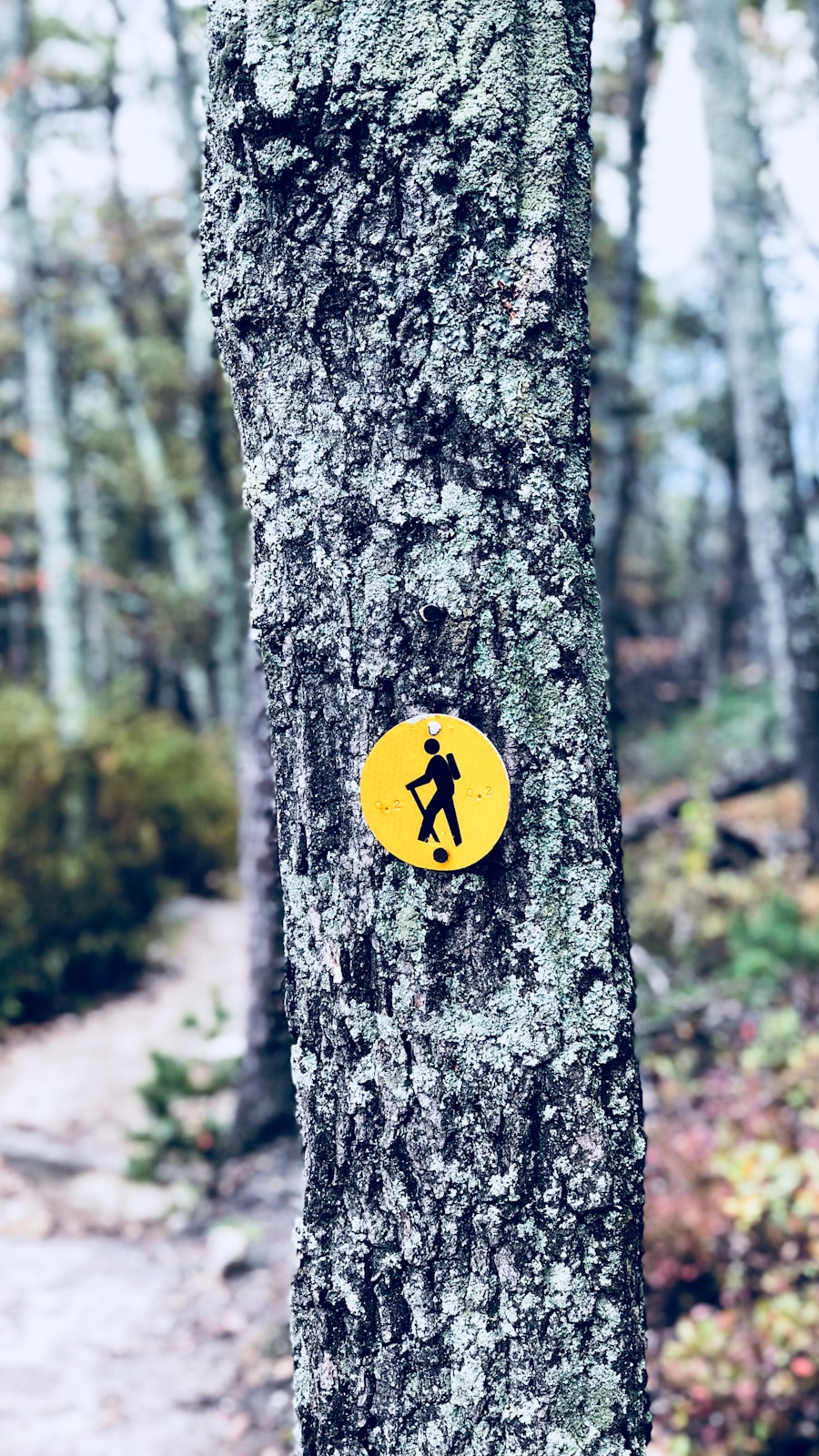
Hiking alone offers a unique opportunity for self-discovery and personal growth. When you venture into nature without the company of others, you create a space for introspection and reflection. The solitude allows you to connect deeply with your thoughts, free from the distractions of daily life.
Many solo hikers report experiencing a heightened sense of awareness and mindfulness, as they become attuned to the sounds of rustling leaves, the chirping of birds, and the gentle flow of nearby streams. This immersive experience can lead to a profound appreciation for the natural world and a greater understanding of oneself. Moreover, hiking alone fosters independence and self-reliance.
Navigating trails, making decisions about your pace, and managing your own safety can boost confidence and resilience. Each step taken in solitude reinforces the idea that you are capable of handling challenges on your own. This empowerment can extend beyond the trail, influencing other areas of life where self-sufficiency is required.
Additionally, solo hiking allows for complete control over your itinerary; you can choose when to stop, where to explore, and how long to linger in a particular spot without needing to accommodate anyone else’s preferences.
Key Takeaways
- Hiking alone allows for personal reflection and self-discovery in nature
- Solo hiking provides a sense of independence and freedom to explore at your own pace
- Hiking alone can lead to a deeper connection with nature and wildlife
- Solo hiking allows for uninterrupted solitude and a break from the demands of daily life
- Hiking alone can boost confidence and self-reliance in challenging situations
- The risks of hiking alone include getting lost or injured without immediate help
- Solo hikers are more vulnerable to wildlife encounters and potential attacks
- Hiking alone increases the risk of encountering dangerous weather conditions without support
- Solo hikers may face limited access to resources and assistance in case of emergencies
- The psychological impact of being alone in the wilderness can lead to anxiety and fear
- Safety precautions for hiking alone include informing someone of your itinerary and expected return time
- Solo hikers should carry a fully charged phone, map, compass, and emergency whistle
- It is important to stay on marked trails and avoid risky or unfamiliar terrain
- Solo hikers should be prepared with first aid supplies and basic survival skills
- Checking weather forecasts and trail conditions before heading out is crucial for safety
- Choosing the right trail for solo hiking involves considering the level of difficulty and distance
- Solo hikers should opt for well-traveled and well-maintained trails with clear markers
- It is important to research the trail’s terrain, elevation, and potential hazards beforehand
- Solo hikers should consider their own physical abilities and experience when selecting a trail
- Choosing a trail with reliable cell phone reception and nearby access to help is advisable
- Essential gear for solo hiking includes a reliable backpack, water, and high-energy snacks
- Hikers should carry a first aid kit, emergency shelter, and extra clothing layers for changing weather
- Navigation tools such as a map, compass, or GPS device are essential for solo hikers
- Carrying a multi-tool, headlamp, and fire-starting supplies can be crucial in emergency situations
- It is important to pack enough water and a water purification method for longer hikes
- Communication and emergency plans for solo hiking involve sharing your itinerary with a trusted contact
- Solo hikers should establish a check-in system with a designated person at specific intervals
- Carrying a personal locator beacon or satellite messenger can provide a lifeline in emergencies
- Knowing the emergency contact information for local authorities and rescue services is crucial
- It is important to have a clear plan for signaling for help and staying calm in emergency situations
- Mental and physical preparedness for solo hiking involves physical conditioning and training for the hike
- Solo hikers should practice basic survival skills and familiarize themselves with the trail’s terrain
- It is important to mentally prepare for the challenges of solo hiking and potential isolation
- Developing a positive mindset and confidence in one’s abilities is crucial for solo hiking
- Solo hikers should be aware of their own limitations and know when to turn back or seek help
- Tips for enjoying solo hiking include embracing the solitude and connecting with nature
- Solo hikers should take time to appreciate the surroundings and practice mindfulness in nature
- It is important to stay present and aware of the surroundings while hiking alone
- Embracing the freedom to explore at your own pace and take breaks as needed can enhance the experience
- Solo hikers should prioritize safety and be prepared for unexpected challenges while enjoying the journey
The Risks of Hiking Alone
While the allure of solo hiking is undeniable, it is essential to acknowledge the inherent risks involved. One of the most significant dangers is the potential for accidents or injuries. When hiking alone, there is no one to assist you in case of a fall, sprain, or other mishap.
The isolation can exacerbate the severity of an injury, as it may take longer to receive help or even to reach a safe location. This risk is particularly pronounced in remote areas where cell service is unreliable or nonexistent. Another concern is the psychological aspect of being alone in nature.
For some individuals, solitude can lead to feelings of anxiety or fear, especially in unfamiliar environments. The vastness of the wilderness can evoke a sense of vulnerability, making it easy to feel overwhelmed by the surroundings. Additionally, there is always the possibility of encountering wildlife or other hikers with ill intentions.
While most people are friendly and respectful, the unpredictability of human behavior adds another layer of risk when hiking solo.
Safety Precautions for Hiking Alone
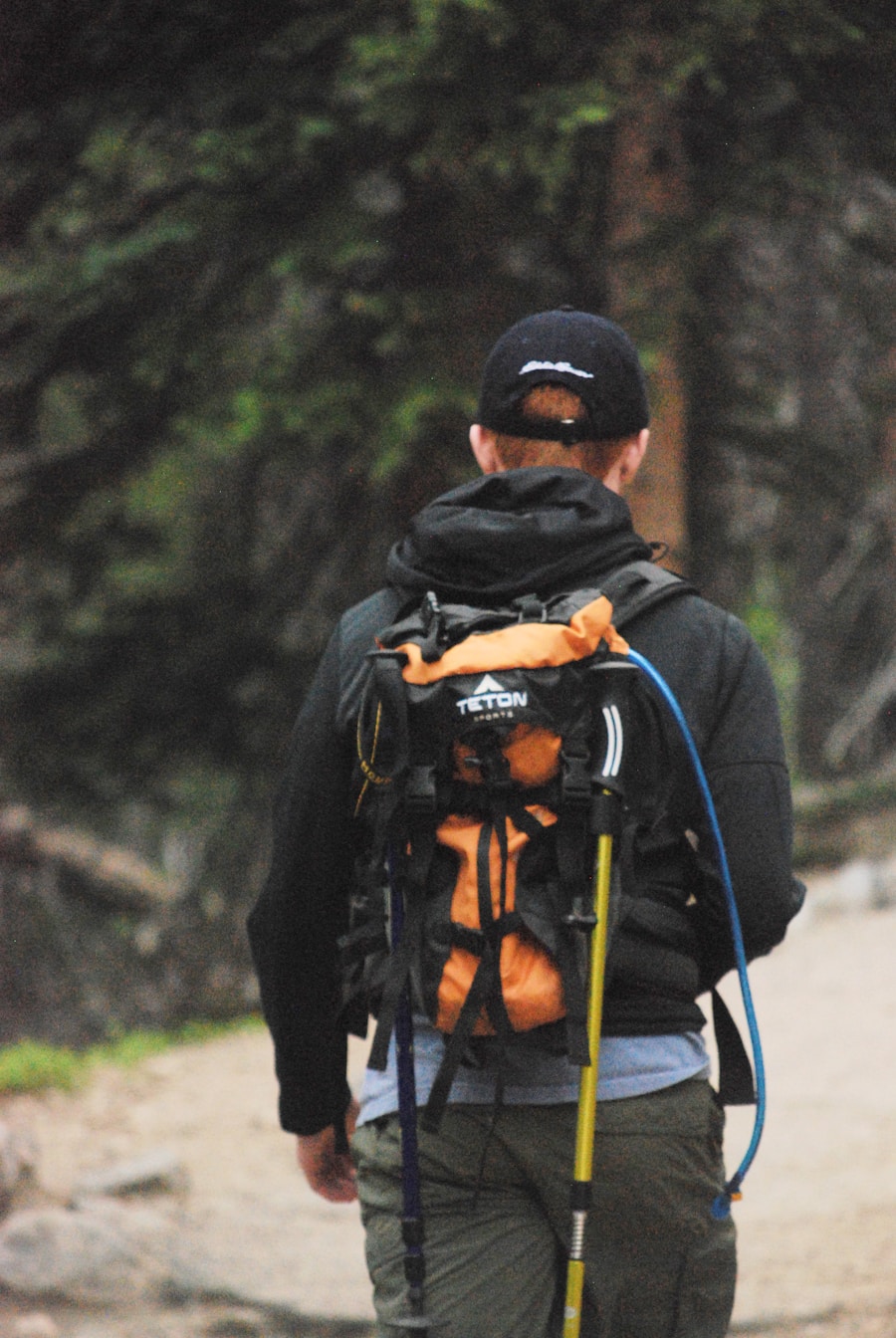
To mitigate the risks associated with solo hiking, it is crucial to implement safety precautions before setting out on your adventure. First and foremost, informing someone about your hiking plans is essential. Share details such as your intended route, estimated return time, and any specific landmarks you plan to visit.
This way, if you do not return as expected, someone will know where to look for you. Additionally, consider carrying a personal locator beacon (PLB) or satellite messenger device that can send distress signals in case of emergencies. Another vital precaution is to familiarize yourself with the trail and its conditions before embarking on your hike.
Researching the terrain, weather forecasts, and any potential hazards can help you prepare adequately.
It’s also wise to carry a map and compass or a GPS device, even if you are familiar with the area. Being aware of your surroundings and having a clear understanding of your route can significantly reduce the likelihood of getting lost or encountering unexpected challenges.Choosing the Right Trail for Solo Hiking
| Trail Name | Difficulty Level | Distance (miles) | Elevation Gain (feet) |
|---|---|---|---|
| Pacific Crest Trail | Hard | 2,650 | 57,000 |
| Appalachian Trail | Hard | 2,190 | 464,500 |
| John Muir Trail | Moderate | 211 | 46,000 |
| Long Trail | Moderate | 272 | 69,000 |
Selecting an appropriate trail is a critical step in ensuring a safe and enjoyable solo hiking experience. Beginners should opt for well-marked paths that are frequented by other hikers. These trails often have established safety measures in place and provide opportunities for social interaction if needed.
Popular trails also tend to have better cell service and access to help in case of emergencies. For those with more experience, consider trails that match your skill level while still offering a sense of adventure. Researching local hiking forums or websites can provide insights into trail conditions and recommendations from fellow hikers.
Additionally, pay attention to factors such as elevation gain, distance, and estimated time to complete the hike. It’s essential to choose a trail that aligns with your physical capabilities and comfort level, allowing you to enjoy the journey without overexerting yourself.
Products Worth Considering

Size : 8x12 in (20x30 cm),Funny metal signs.A variety of modern and retro style art designs,home decor patterns show your personality and taste,and bring you unlimited fun

Hiking Apparel design. Hikers who attempt to complete the entire Appalachian trail in a single season are called "thru-hikers", those who traverse the trail during a series of separate trips are known as "section-hikers"

Waterproof, tear-resistant, 1:55,000 scale with a compact 4"x7" folded size for your pocket
Essential Gear for Solo Hiking
Equipping yourself with the right gear is paramount when hiking alone. A sturdy pair of hiking boots is essential for providing support and traction on various terrains. Investing in high-quality footwear can prevent blisters and injuries that could hinder your ability to navigate the trail safely.
Additionally, wearing moisture-wicking clothing helps regulate body temperature and keeps you comfortable throughout your hike. A well-stocked backpack is another critical component of solo hiking gear. Essential items include water bottles or hydration systems to stay hydrated, snacks for energy replenishment, a first aid kit for minor injuries, and a multi-tool for various tasks that may arise on the trail.
A lightweight emergency blanket can provide warmth if needed, while a headlamp or flashlight ensures visibility during low-light conditions. Finally, don’t forget sun protection; sunscreen and sunglasses are vital for safeguarding against harmful UV rays.
Products Worth Considering

1.【Perfect Gift Ideas】 Are you looking for an unique and cool gift for men you loved? This 216pcs survival first aid kit is a nice choice. It’s a multipurpose tool box which has equipped with 216pcs survival gear and first aid supplies. Perfect gifts for dad husband craftsman. Cool gadgets gift for men who like camping hiking outdoor activities. Good Christmas stocking
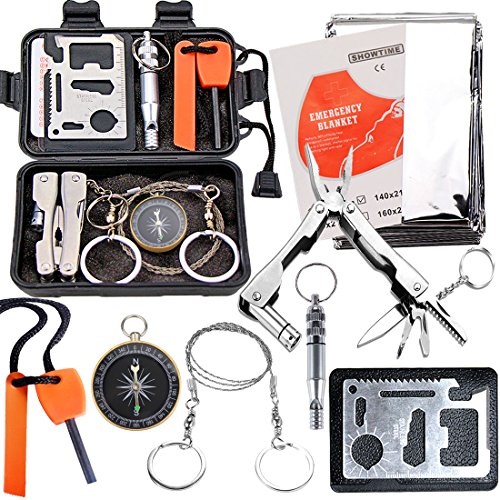
[6 in 1 Waterproof Case]: Stainless Steel Versatile Tool Card, Fire Starter, Compass, Wire Saw, Emergency Whistle, Multifunctional Pliers,Emergency Blanket. One case can meet your different needs. The box size is 5''X 3.5''X1.6'', weight is 6.8oz.

Emergency Survival Kit: A survivalist or outdoor enthusiast would need a portable, sturdy case that includes a flint stone, metal flashlight, compass, tungsten pen, mini key-chain flashlight, blanket, 11-function metal card, whistle, wire saw, and paracord bracelet
Communication and Emergency Plans
Products Worth Considering

Compact, lightweight satellite communicator enables two-way messaging and interactive SOS globally (Active satellite subscription required. Some jurisdictions regulate or prohibit the use of satellite communication devices.).Special Feature:Bluetooth.Water Resistant: Yes

Explore with confidence with a Certified Refurbished ZOLEO Satellite Communicator. With a recycled Iridium modem and a 1-year limited warranty, the refurbished ZOLEO device ensures reliable global messaging and SOS alerts no matter where adventure takes you

Small, rugged, lightweight satellite communicator enables two way text messaging using the 100 percentage global Iridium network (satellite subscription required).Special Feature:Bluetooth.
Staying Connected in Remote Areas
Consider carrying a fully charged phone with emergency contacts saved in case you need assistance. In areas with limited cell service, having a backup communication method like a satellite phone or two-way radio can be invaluable.
Emergency Planning and Navigation
In addition to communication devices, having an emergency plan can make all the difference in critical situations. Familiarize yourself with local emergency services and their contact information before heading out on your hike. Knowing how to reach help quickly can alleviate some anxiety associated with solo hiking.
Basic Navigation Skills
Furthermore, practice basic navigation skills so that you can find your way back if you become disoriented or lost.
Mental and Physical Preparedness for Solo Hiking
Mental preparation is just as important as physical readiness when it comes to solo hiking. Before embarking on your journey, take time to visualize your hike and mentally rehearse how you will handle various scenarios that may arise. This mental exercise can help build confidence and reduce anxiety about being alone in nature.
Additionally, practicing mindfulness techniques such as deep breathing or meditation can enhance your ability to remain calm and focused during challenging moments on the trail. Physical preparedness involves not only training for endurance but also ensuring that you are in good health before setting out on a solo hike. Engaging in regular cardiovascular exercise can improve stamina and overall fitness levels, making it easier to tackle longer or more strenuous trails.
It’s also wise to familiarize yourself with basic first aid techniques so that you are equipped to handle minor injuries or health issues that may arise during your hike.
Tips for Enjoying Solo Hiking
To fully embrace the experience of solo hiking, consider incorporating practices that enhance enjoyment and connection with nature. One effective approach is to set intentions for your hike before you begin. Whether it’s seeking tranquility, adventure, or personal reflection, having a clear purpose can guide your experience and make it more meaningful.
Additionally, take time to engage with your surroundings actively. Pause frequently to observe wildlife, listen to the sounds of nature, or simply soak in the beauty around you. Bringing along a journal or sketchbook can provide an outlet for creativity during breaks on the trail; documenting your thoughts or capturing scenes through art can deepen your connection with the environment.
Lastly, allow yourself to be flexible with your plans. While having an itinerary is important for safety reasons, being open to spontaneous detours or extended breaks can lead to unexpected discoveries and enrich your overall experience. Embrace the freedom that comes with solo hiking; it’s an opportunity not just for physical exploration but also for personal growth and rejuvenation in nature’s embrace.
When considering whether hiking alone is safe, it is important to take into account various factors such as location, experience, and preparedness. One related article that provides valuable insight into backpacking essentials is the best ultralight tent for backpacking. Having a reliable and lightweight tent can make a significant difference in your safety and comfort while hiking alone. It is crucial to invest in high-quality gear that will enhance your overall hiking experience and ensure that you are well-prepared for any unexpected situations that may arise.
Love travel? Join Our Facebook Community For More Tips.
FAQs
Is it safe to hike alone?
Hiking alone can be safe if proper precautions are taken. It’s important to be prepared, stay aware of your surroundings, and let someone know your plans.
What are some safety tips for hiking alone?
Some safety tips for hiking alone include: informing someone of your plans, staying on marked trails, bringing a map and compass, packing essential supplies, and being aware of wildlife.
What should I do if I encounter a dangerous situation while hiking alone?
If you encounter a dangerous situation while hiking alone, it’s important to stay calm and assess the situation. If possible, try to remove yourself from the danger and seek help if needed.
Are there specific trails or locations that are safer for solo hiking?
Some trails and locations may be considered safer for solo hiking due to their popularity, well-marked paths, and accessibility to help if needed. It’s important to research and choose a trail that aligns with your hiking experience and comfort level.
What are the benefits of hiking alone?
Hiking alone can provide a sense of solitude, self-reliance, and personal growth. It allows for introspection and the opportunity to connect with nature on a deeper level.
