
Last Updated on September 10, 2026 by Daniel Globe
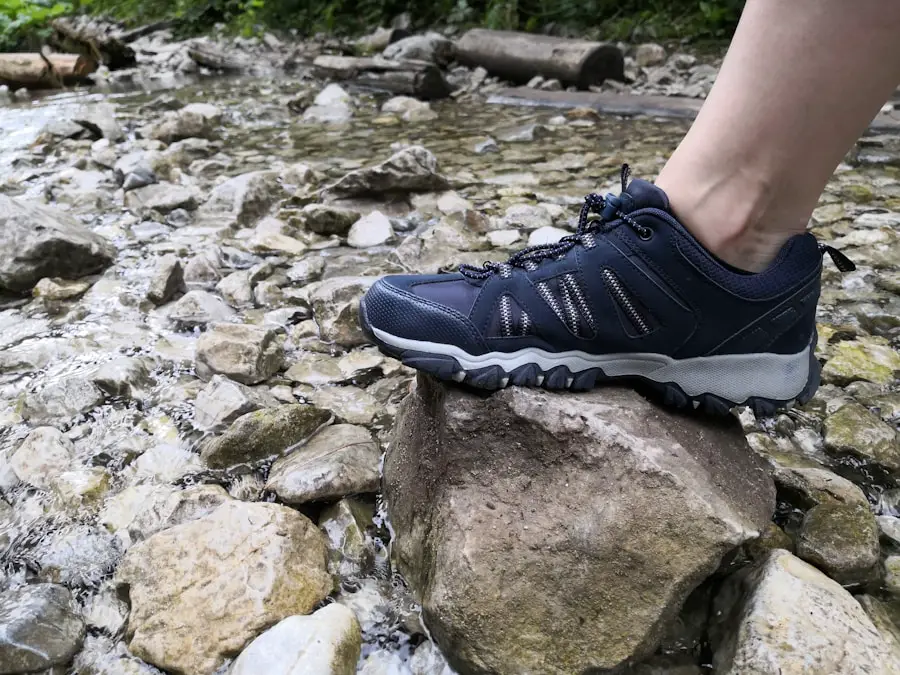
Hiking shoes can be excellent walking shoes when your route includes dirt, gravel, uneven trails, wet ground, or other surfaces where extra grip and underfoot protection are useful. They are built differently from most dedicated walking shoes, however, so the best choice depends on where you walk, how far you go, the weather, and what feels comfortable on your feet.
Quick Answer
Yes, hiking shoes are good for walking, especially on trails, gravel, uneven paths, and mixed terrain. Their durable soles, traction, and underfoot protection can be useful away from pavement. For long walks mainly on sidewalks or smooth roads, a lighter and more flexible walking shoe may feel more comfortable and efficient.
Key Takeaways
- Hiking shoes work especially well for walking on dirt, gravel, roots, rocks, mild slopes, and mixed surfaces.
- Most hiking shoes are low-cut, so they should not be confused with mid- or high-cut hiking boots that cover the ankle.
- Dedicated walking shoes are usually lighter and more flexible, which can make them more comfortable for long pavement or indoor walks.
- Fit matters more than the label on the shoe. Look for a secure heel, enough toe room, suitable width, and no persistent pressure points.
- Waterproof hiking shoes are useful in wet conditions, but non-waterproof models can feel cooler and more breathable in warm, dry weather.
Note: A hiking shoe is generally low-cut at or below the ankle. Hiking boots usually have a higher collar and are the category more commonly associated with ankle coverage and additional support. Current REI hiking-footwear guidance makes this distinction when comparing hiking shoes, day-hiking boots, backpacking boots, and trail-running shoes.
Disclosure: As an Amazon Associate I earn from qualifying purchases. Some links on this page are affiliate links, at no extra cost to you.
Hiking Shoes vs. Walking Shoes
Both types of footwear are designed to help you move comfortably, but their priorities are different. Hiking shoes normally emphasize traction, durability, protection, and stability on changing terrain. Walking shoes typically put more emphasis on cushioning, lower weight, smooth heel-to-toe movement, and flexibility on predictable surfaces.
| Feature | Hiking Shoes | Walking Shoes |
| Best surface | Trails, gravel, dirt, uneven paths, mixed terrain | Sidewalks, roads, tracks, malls, smooth paths |
| Traction | Usually deeper, more aggressive tread for loose or uneven ground | Usually smoother tread suited to predictable surfaces |
| Flexibility | Moderate; some models are fairly stiff | Often more flexible for repeated walking strides |
| Weight | Usually moderate, depending on construction | Often lighter |
| Protection | More protection from rocks, roots, mud, and trail debris | Less trail-specific protection |
| Waterproof options | Common, but not universal | Less common in standard walking models |
The American Hiking Society recommends considering traction, support, protection, and fit when choosing footwear for a hike. Those same factors explain why hiking shoes can work well for everyday walking when the route includes rougher ground.
For mixed terrain, the best walking shoe is not necessarily the lightest one; it is the shoe that gives you the right balance of fit, grip, protection, flexibility, and comfort for the surfaces you actually use.
The Benefits of Hiking Shoes for Walking
Superior Traction on Uneven Ground
One of the biggest advantages of hiking shoes is their trail-oriented outsole. Compared with many walking shoes, hiking footwear usually has deeper tread patterns designed to maintain grip on dirt, gravel, loose surfaces, rocks, and other changing terrain.
This makes hiking shoes especially useful when your regular walks include unpaved park paths, forest trails, gravel roads, mild hills, or wet ground. The National Park Service also stresses the importance of sturdy footwear with useful tread when walking on uneven trails.
More Underfoot Structure and Protection
Hiking shoes often use firmer midsoles, protective toe areas, and tougher upper materials than ordinary walking shoes. That extra structure can help isolate the foot from sharp stones, roots, and uneven ground.
A stiffer shoe is not automatically better for every person, however. The ideal level of structure depends on the individual foot, walking surface, distance, and comfort. The American Academy of Orthopaedic Surgeons recommends choosing footwear that matches both the shape of the foot and the activity being performed.
Durability for Outdoor Use
Hiking shoes are designed to handle abrasion, dirt, trail debris, and repeated outdoor use. Reinforced uppers, protective overlays, toe guards, and durable rubber outsoles can make them a practical choice for walkers who regularly move between sidewalks and trails.
Comfort on Mixed Terrain
Modern hiking shoes can still offer substantial cushioning, padded tongues, supportive heel counters, and comfortable collars. A well-fitted pair can therefore be comfortable for long walks, provided the stiffness, weight, and tread suit the route.
The Drawbacks of Hiking Shoes for Walking
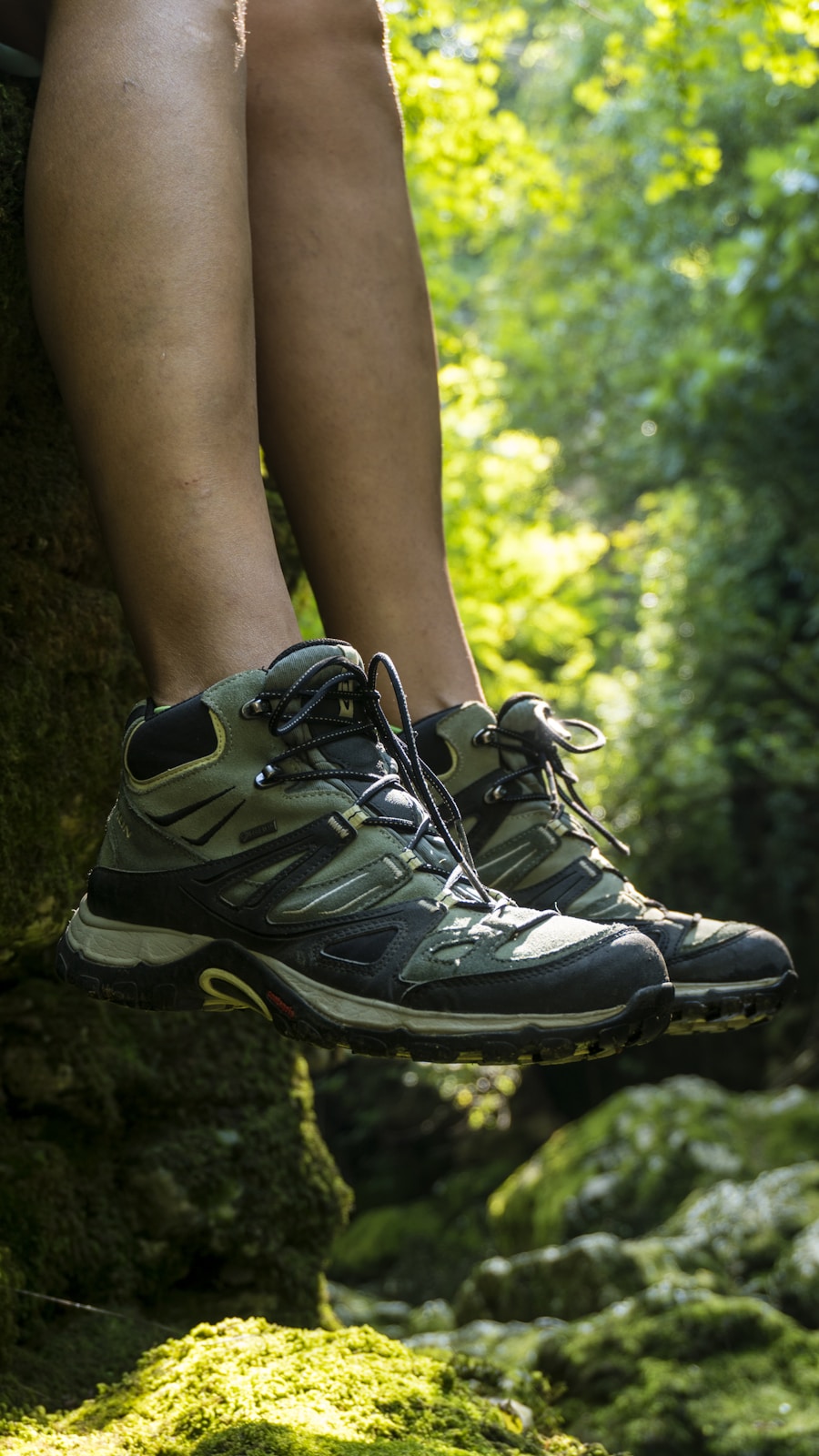
Hiking shoes are versatile, but they are not automatically the best option for every walk. One possible disadvantage is weight. Rugged models can be heavier than dedicated walking shoes because of their tougher uppers, protective features, and substantial outsoles.
That additional weight may become noticeable during long walks entirely on flat pavement, where the extra protection offers little benefit. A lighter shoe may feel less tiring for repeated daily walking on sidewalks, indoor surfaces, or smooth paths.
Stiffness can also be a drawback. Firmer midsoles help protect the foot on rough terrain, but a shoe that feels reassuring on rocks may feel unnecessarily rigid during several miles of pavement walking. Deep outsole lugs can also feel less smooth on hard surfaces than a flatter walking-shoe tread.
Breathability varies by model. Waterproof hiking shoes can be valuable in rain, mud, or wet vegetation, but waterproof membranes usually reduce ventilation compared with highly breathable mesh footwear. In hot, dry weather, a non-waterproof hiking shoe may be more comfortable.
Note: Waterproof does not automatically mean better. Choose waterproof hiking shoes when keeping outside moisture out is important. Choose breathable non-waterproof footwear when heat management and faster drying matter more.
When Hiking Shoes Are Better Than Walking Shoes
Hiking shoes are especially practical when a normal walk regularly includes more than smooth pavement. They are worth considering when you:
- Walk on dirt, gravel, forest paths, or rocky park trails.
- Encounter roots, loose stones, mud, or uneven ground.
- Want more toe and underfoot protection from trail debris.
- Walk in rainy or wet environments where a waterproof model would be useful.
- Frequently switch between sidewalks and natural-surface trails.
- Prefer a firmer, more structured feel underfoot.
Current REI guidance lists low-cut hiking shoes as suitable for many day hikes and for groomed, paved, or urban trails, particularly on light to moderate terrain.
When Walking Shoes May Be Better
A dedicated walking shoe may be the better choice when nearly all of your mileage is on concrete, asphalt, treadmills, indoor floors, or other smooth surfaces. These shoes are often lighter and more flexible, and many are designed specifically around the repetitive heel-to-toe motion of walking.
That does not mean hiking shoes are harmful on pavement. It simply means their extra tread and protection may be unnecessary. If you walk several miles on sidewalks every day, compare how your hiking shoes feel against a lighter walking or athletic shoe rather than choosing based on category alone.
Considerations for Choosing Hiking Shoes for Walking
| Consideration | What to Look For |
| Fit | A secure heel, enough toe room, correct width, and no pinching, numbness, or persistent hot spots. |
| Support and structure | Enough underfoot stability for your terrain without feeling excessively stiff during normal walking. |
| Traction | More aggressive tread for dirt and loose terrain; a less aggressive outsole may feel smoother for pavement-heavy walking. |
| Waterproofing | Useful for persistent rain, puddles, mud, and wet vegetation; optional in warm or dry conditions. |
| Weight | Lighter models generally feel more natural for frequent walking, while heavier shoes may offer more protection. |
| Durability | Look for construction suited to how often you use rough trails rather than buying the heaviest model available. |
Start With Fit
Fit is more important than brand, price, or the amount of technology advertised on the shoe. Your heel should feel secure, while the front of the shoe should leave enough room for your toes to move without hitting the end.
AAOS advises choosing footwear according to the foot’s shape and intended activity and notes that shoe sizing varies between brands. REI also recommends trying hiking footwear with the socks you intend to wear and accounting for the fact that feet may swell later in the day.
Pro Tip: Try hiking shoes later in the day with your normal walking or hiking socks. Walk on both flat ground and an incline if possible. Your heel should stay controlled, and your toes should not strike the front when walking downhill.
Match the Shoe to Your Usual Terrain
If most of your walking happens on maintained paths and sidewalks, you probably do not need the stiffest or most heavily lugged hiking shoe. A lighter hiking model can give you useful grip without feeling like a backpacking boot.
For rocky, muddy, or more technical terrain, look for stronger outsole traction, more underfoot protection, and a secure heel. For genuinely rugged routes or heavier backpacking loads, a hiking boot rather than a low-cut hiking shoe may be more appropriate.
Warning: Deep hiking-shoe tread is not a substitute for dedicated traction equipment on hard-packed snow or ice. The National Park Service recommends appropriate traction devices when icy trail conditions require them.
Tips for Breaking in Hiking Shoes for Walking
Many modern hiking shoes are relatively flexible and may feel comfortable almost immediately. Stiffer footwear, particularly leather or more structured hiking boots, can require a longer adjustment period.
The safest approach is gradual. The REI break-in guide recommends starting indoors, moving to short local walks, and increasing distance only when the footwear continues to feel comfortable.
- Wear the same socks and insoles you expect to use on longer walks.
- Walk around the house first and check for obvious pressure points.
- Take a short walk around the neighborhood.
- Increase distance gradually.
- Before a long hike, test the footwear on terrain similar to the planned route.
Do not expect break-in to correct the wrong size or shape. Persistent pinching, numbness, major heel slippage, or toes repeatedly hitting the front are signs that another size, width, lacing setup, or shoe model may be needed.
Warning: Do not buy hiking shoes on the assumption that painful tight spots will eventually stretch enough to become comfortable. A break-in period can soften some materials, but it cannot turn a fundamentally poor fit into the correct fit.
Alternatives to Hiking Shoes for Walking
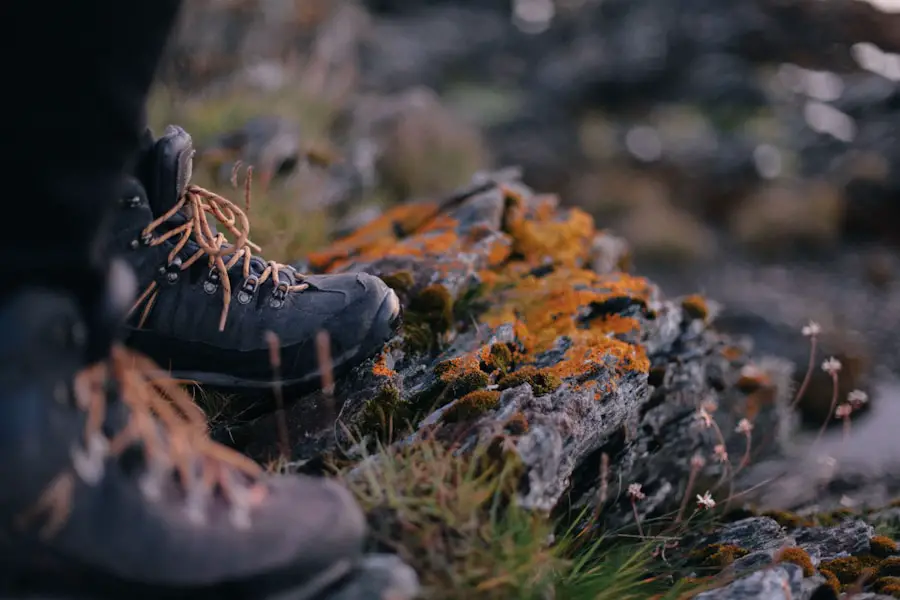
Hiking shoes are only one option. Depending on your route and walking style, another category may suit you better.
Trail-Running Shoes
Trail-running shoes are generally lighter and more flexible than hiking shoes while still providing trail-oriented traction. They can be an excellent option for walkers who like a soft, agile feel or who move quickly over maintained trails.
The tradeoff is usually less upper protection and, depending on the model, less underfoot structure than a more traditional hiking shoe.
Walking or Athletic Shoes
For long distances on concrete, sidewalks, tracks, and indoor surfaces, a comfortable walking or athletic shoe may feel smoother and lighter. AAOS notes that people who regularly walk long distances may prefer a softer sole with cushioning.
Multi-Sport Shoes
Multi-sport or outdoor crossover shoes sit between conventional walking shoes and rugged hiking footwear. They can work well for travelers and casual walkers who regularly move between city streets, park paths, and easy trails but do not need highly technical hiking footwear.
How to Properly Care for Hiking Shoes Used for Walking
Regular cleaning helps hiking shoes maintain traction and can extend their useful life. Dirt, grit, and mud should not simply be left on the footwear after repeated outdoor walks.
After use, remove loose debris with a soft brush. If deeper cleaning is needed, follow the footwear manufacturer’s instructions and use a cleaner appropriate for the upper material or waterproof membrane.
The REI footwear-care guide advises against putting hiking footwear in a washing machine and recommends drying it naturally at normal temperatures. High heat can weaken adhesives and prematurely age leather and other materials.
- Remove dirt and stones from the outsole after muddy walks.
- Remove insoles when shoes are very wet and let them dry separately.
- Air-dry footwear at normal room temperature.
- Avoid radiators, fireplaces, heaters, dryers, and other direct heat sources.
- Use cleaners and waterproofing treatments that are compatible with the shoe material.
- Check laces, insoles, tread, seams, and upper materials for wear.
- Store shoes in a dry, ventilated area with moderate temperatures.
Stuffing damp shoes loosely with newspaper can help absorb moisture during drying, but replace the paper when it becomes wet. Do not store damp hiking shoes in a sealed bag, hot car trunk, or other poorly ventilated location.
Are Hiking Shoes Suitable for Walking?
Yes. Hiking shoes are suitable for walking, and for many people they are an excellent choice. Their strongest advantages appear when the route includes trails, gravel, dirt, uneven surfaces, or weather that calls for more protection than a typical walking shoe provides.
For someone who walks almost entirely on flat pavement, however, a lighter walking or athletic shoe may provide a smoother stride and less unnecessary weight. There is no need to wear rugged hiking footwear simply because it appears more protective.
The right choice is the shoe that fits your foot, matches your usual terrain, and remains comfortable over the distance you actually walk. Traction, cushioning, width, heel security, flexibility, weather protection, and weight should all be considered together.
If you are considering hiking shoes for travel and regularly expect wet conditions, you may also find our guide to the best waterproof sneakers for travel useful. Waterproof sneakers can offer another balance of everyday comfort and weather protection for trips that involve long periods of walking.
Love travel? Join Our Facebook Community
Frequently Asked Questions
What are hiking shoes?
Hiking shoes are typically low-cut outdoor shoes designed for walking on trails and mixed terrain. Compared with ordinary walking shoes, they commonly offer more aggressive outsole traction, tougher upper materials, and additional protection from rocks, roots, dirt, and trail debris.
Are hiking shoes good for walking?
Yes. Hiking shoes are particularly good for walking on dirt, gravel, trails, uneven paths, and mixed surfaces. They can also be used on pavement, although a lighter and more flexible walking shoe may feel better when nearly all of your mileage is on smooth, hard surfaces.
What are the benefits of using hiking shoes for walking?
Hiking shoes can provide strong trail traction, durable construction, underfoot protection, and better resistance to rocks, roots, mud, and debris. Some models are waterproof. Most hiking shoes are low-cut, however, so ankle coverage should not be assumed unless you choose a mid- or high-cut hiking boot.
Can hiking shoes be used for everyday walking?
Yes. Many people comfortably use hiking shoes for everyday walking, especially when their routes include parks, gravel, dirt, or uneven ground. For long daily walks entirely on concrete or indoors, compare them with lighter walking shoes because aggressive tread and added stiffness may be unnecessary.
How do I choose the right hiking shoes for walking?
Start with fit. Your heel should feel secure, your toes should have room to move, and the shoe should not pinch or create numbness. Then match the outsole, cushioning, stiffness, waterproofing, and weight to the surfaces and weather conditions you encounter most often.
Are hiking shoes good for walking on concrete?
They can be, especially if the shoes fit well and have comfortable cushioning. However, a stiff hiking shoe with deep lugs may feel heavier or less smooth during long pavement-only walks. A lighter hiking shoe, trail-running shoe, or dedicated walking shoe may be more comfortable for heavy concrete use.
Are waterproof hiking shoes better for walking?
Waterproof hiking shoes are useful in rain, mud, puddles, and wet vegetation, but they are not automatically better. In warm and dry conditions, a breathable non-waterproof shoe can feel cooler and may dry faster after becoming wet.
Do hiking shoes need to be broken in?
Some lightweight hiking shoes need little break-in, while stiffer footwear may take longer to soften and feel natural. Start with short walks and increase distance gradually. Persistent pinching, numbness, or major heel movement is more likely a fit issue than something that should simply be endured until the shoe breaks in.
Sources
- REI Co-op — How to Choose Hiking Boots and Shoes — hiking-shoe versus boot construction, terrain, fit, waterproofing, flexibility, and current footwear categories.
- American Academy of Orthopaedic Surgeons — Shoes: Finding the Right Fit — shoe fit, toe room, heel stability, cushioning, shanks, insoles, and activity-specific footwear selection.
- American Hiking Society — The Ten Essentials of Hiking — appropriate hiking footwear, traction, support, protection, and fit.
- National Park Service — Hike Smart — footwear recommendations based on hiking surfaces and trail conditions.
- REI Co-op — How to Break In Hiking Boots — gradual break-in procedure and why break-in cannot correct poor fit.
- REI Co-op — How to Clean Hiking Boots — cleaning, air-drying, storage, and avoidance of washing machines and direct heat.

