
Last Updated on September 10, 2026 by Daniel Globe
Hiking shoes can feel comfortable on city sidewalks and concrete floors, especially if you already own a well-fitting pair. However, footwear designed for trails and footwear designed for pavement solve different problems. The best choice depends on how far you walk, how much time you spend on concrete, whether you also use trails, and which shoe feels comfortable on your feet.
Quick Answer
Yes, hiking shoes can be good for walking on concrete if they fit well and have enough cushioning, but they are usually not the best choice for long, pavement-only walks. A lightweight walking or road shoe is often more comfortable because it is lighter, smoother underfoot, and designed for repetitive movement on hard, even surfaces.
Key Takeaways
- Hiking shoes are safe to use on concrete when they fit properly, but their trail-focused stiffness, weight, and tread may be unnecessary for pavement-only walking.
- For long walks on concrete, prioritize comfortable cushioning, a secure fit, appropriate flexibility, low weight, and an outsole that grips pavement.
- A walking or road-running shoe is often a better choice when nearly all of your walking is on sidewalks, roads, malls, airports, or indoor concrete floors.
- A lightweight hiking shoe can make sense when one pair must handle both pavement and dirt or rocky trails.
- There is no universal amount of cushioning or arch support that is best for everyone. Comfort, foot shape, work requirements, and activity all matter.
Disclosure: As an Amazon Associate I earn from qualifying purchases. Some links on this page are affiliate links, at no extra cost to you.
Are Hiking Shoes Good for Walking on Concrete?
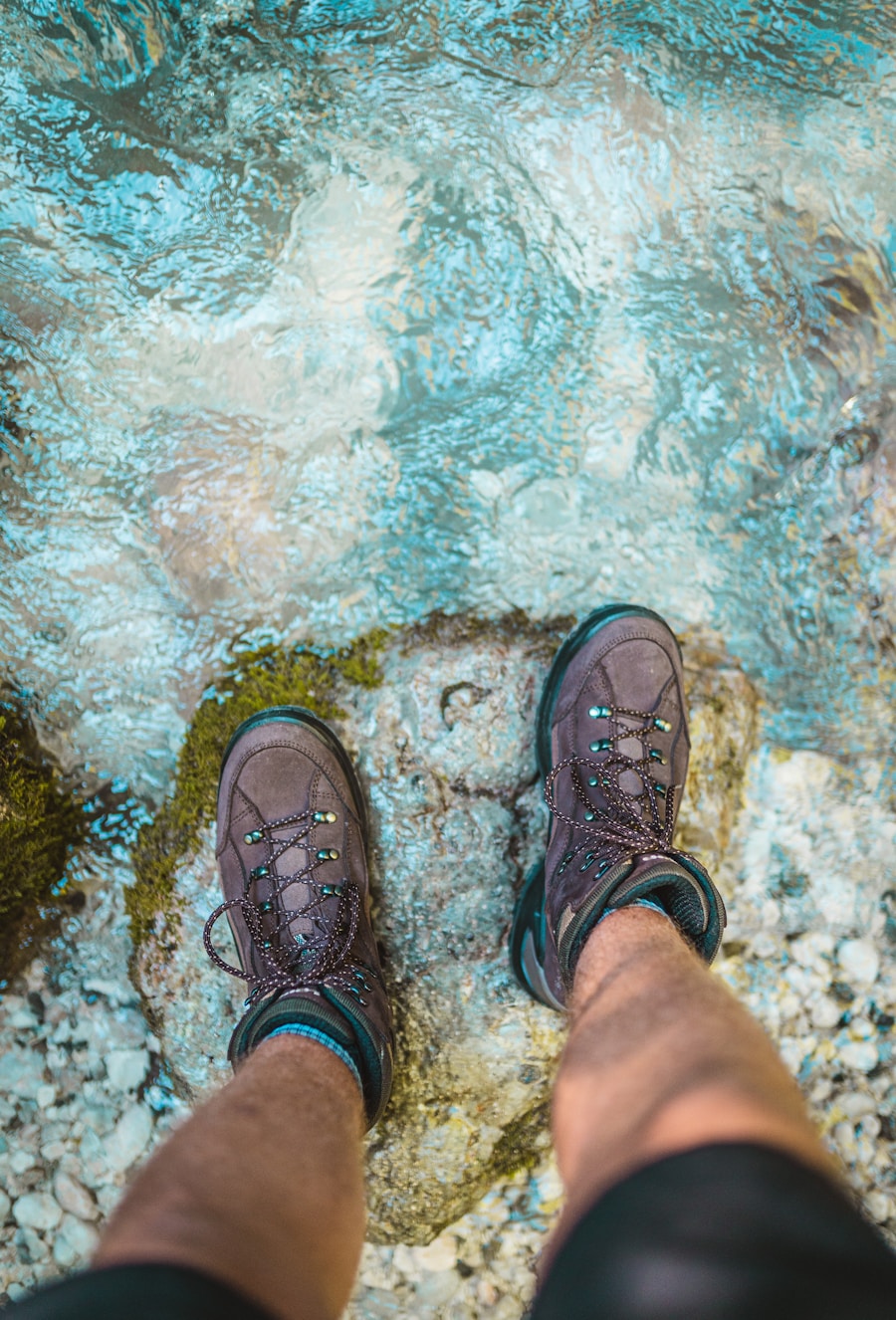
Hiking shoes are perfectly usable on concrete, and a comfortable pair may serve you well for commuting, sightseeing, travel, or short stretches of pavement between trails. They generally provide a secure upper, durable construction, underfoot protection, and traction intended for outdoor terrain.
The trade-off is that many of those trail features provide little benefit on a smooth sidewalk. Hiking footwear may use a firmer platform, heavier upper, protective toe structure, and more aggressive tread than you need for pavement. A purpose-built walking or road shoe usually puts more emphasis on low weight, repetitive forward motion, cushioning, and smooth transitions.
The American Orthopaedic Foot & Ankle Society’s FootCareMD footwear guidance recommends matching a shoe to its activity. It describes walking shoes as having a shock-absorbing heel and appropriate forefoot flex, while hiking footwear places additional emphasis on traction and durability.
Pro Tip: If most of your route is concrete but you occasionally walk maintained trails, look for a lightweight, low-cut hiking shoe or road-to-trail shoe rather than a heavy hiking boot with deep lugs.
Hiking Shoes vs. Walking Shoes on Concrete
The biggest difference is not whether one category is universally “better.” It is what each shoe is designed to do.
| Feature | Typical Hiking Shoe | Typical Walking/Road Shoe |
| Best surface | Dirt, gravel, rocks, uneven trails and mixed terrain | Concrete, asphalt, sidewalks and other smooth surfaces |
| Outsole | Usually more textured or lugged for loose terrain | Usually smoother and optimized for hard-surface contact |
| Underfoot feel | Often firmer and more protective, although cushioning varies by model | Often lighter, smoother and more cushioned for repetitive pavement use |
| Weight | Usually moderate; rugged models can be heavy | Usually lighter |
| Protection | More protection from rocks, roots and trail debris | Less trail protection but generally sufficient for city walking |
| Best choice when… | Your day mixes concrete with trails or rough outdoor surfaces | Most or all of your walking is on pavement |
Current terrain guidance from Brooks similarly distinguishes pavement-oriented footwear with smoother outsoles and cushioned midsoles from trail footwear with more aggressive lugs and additional protection.
Impact of Concrete Walking on Feet
Concrete is a hard surface with very little give compared with grass, soil, or many trail surfaces. That does not mean concrete automatically damages healthy feet, but long periods of walking or standing on hard surfaces can contribute to fatigue and discomfort, particularly when footwear is uncomfortable, worn out, or poorly matched to the task.
The American Academy of Orthopaedic Surgeons lists standing for long periods on hard surfaces among several risk factors for plantar fasciitis. Other factors include increased activity, foot anatomy, tight calf muscles, age, and body weight. This is an important distinction: concrete exposure can be one factor, but it is not the sole cause of heel pain.
For workers who spend many hours on their feet, the issue also goes beyond the shoe. The National Institute for Occupational Safety and Health reports that prolonged standing is associated with fatigue, muscle discomfort, leg swelling, and low-back complaints. NIOSH also emphasizes movement and changes in posture rather than treating footwear as the only solution.
For hard-surface comfort, the goal is not simply the softest or most supportive shoe. Current evidence favors matching cushioning and stability to whether you spend most of your time walking, standing, or doing a mixture of both.
Benefits of Using Hiking Shoes for Concrete Walking
Hiking shoes can still be a practical concrete-walking option, especially when your day includes more than pavement. Their advantages depend on the specific model rather than the “hiking” label alone.
| Potential Benefit | Why It Can Help |
| 1. Cushioning | Some hiking shoes use well-cushioned midsoles that make hard surfaces more comfortable. Cushioning level varies considerably between models. |
| 2. Foot support | A secure heel, stable platform and properly shaped insole can help the shoe feel controlled underfoot. More support is not automatically better for every person. |
| 3. Stability and traction | Hiking outsoles are useful when a concrete route also includes gravel, dirt, curbs, wet grass or uneven outdoor surfaces. |
| 4. Durability | Trail footwear commonly uses sturdy uppers and protective construction intended for demanding outdoor conditions. |
| 5. Comfort | A hiking shoe that matches your foot shape may be more comfortable than a poorly fitting walking shoe. Personal fit matters more than the category name. |
| 6. Protection from debris | Toe protection and stronger uppers can be useful for outdoor jobs, travel, construction-adjacent areas, and routes that move between developed and natural surfaces. |
A 2026 systematic review of footwear used by people in prolonged-standing occupations found that footwear characteristics involve real trade-offs. Softer soles tended to reduce impact and fatigue, while harder soles could provide more stability but potentially increase localized pressure or discomfort. The review concluded that footwear should be matched to the activity rather than selected according to one universal rule.
Drawbacks of Using Hiking Shoes for Concrete Walking
The biggest disadvantage is that trail-oriented features can become unnecessary baggage when every step is on a flat sidewalk.
Extra Weight
Rugged hiking shoes and especially hiking boots can weigh more than walking or road shoes. A few ounces may not matter during a short errand, but heavier footwear can feel more tiring during a full day of sightseeing, commuting, or walking for exercise.
More Stiffness Than You Need
Hiking footwear may use firmer midsoles, protective plates, substantial heel counters, or stiff uppers to handle uneven terrain. That protection is valuable around rocks and roots, but some people find a more flexible pavement-oriented shoe smoother and easier for repeated walking on flat ground.
Aggressive Trail Lugs
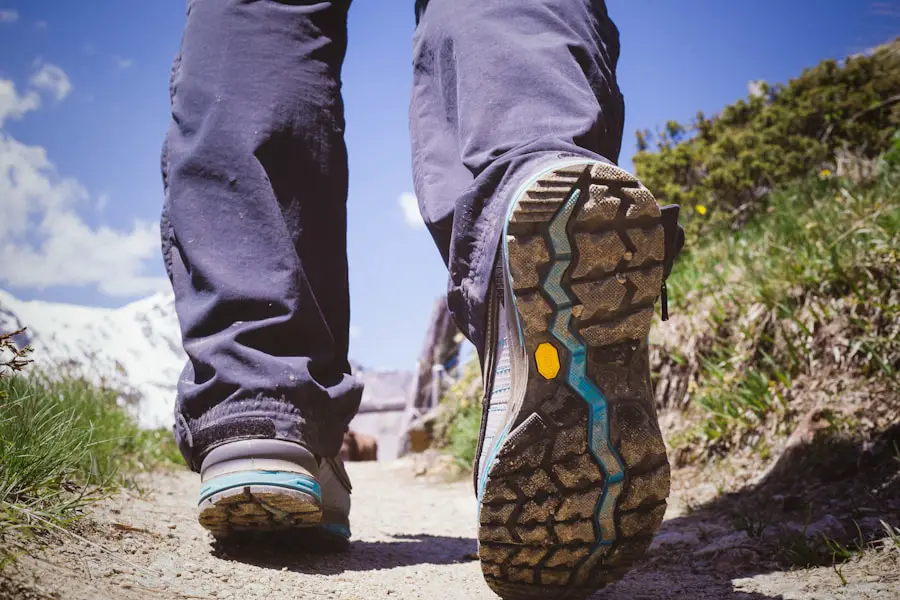
Deep lugs are designed to bite into dirt, mud, gravel, and other trail surfaces. They are not automatically better on concrete. On pavement, a smoother outsole with suitable rubber can provide a more natural contact area and a less “toothy” feel underfoot.
Heat and Breathability
Breathability depends on the individual shoe. Lightweight mesh hiking shoes can ventilate well, while waterproof models and heavier boots may retain more warmth. If you mainly walk on hot city pavement, a breathable non-waterproof upper may be more comfortable unless weather protection is genuinely necessary.
Note: Waterproofing is not an automatic advantage for concrete walking. Choose it for rain, snow, wet grass, or muddy mixed routes—not simply because the shoe is marketed for hiking.
Tips for Choosing the Right Footwear for Concrete Walking
Whether you choose hiking shoes, walking shoes, or road-running shoes, fit should come first. A technically advanced shoe will still be uncomfortable if it is too narrow, too short, loose at the heel, or shaped differently from your foot.
1. Leave Enough Toe Room
FootCareMD recommends checking shoe fit while standing and leaving about 3/8 to 1/2 inch between the longest toe and the end of the shoe. Your toes should have enough width and depth to sit naturally without rubbing the upper.
2. Keep the Heel Secure
The heel should feel comfortably held rather than sliding up and down with every step. Excessive movement can create friction and blisters, while an overly tight heel can create pressure.
3. Choose Cushioning You Can Walk in for Hours
Cushioning can improve comfort on hard surfaces, but “maximum softness” is not a requirement for everyone. A 2026 systematic review of occupational footwear found that softer soles can favor extended walking while firmer soles may provide useful stability for tasks dominated by standing.
This helps explain why two people doing different jobs on the same concrete floor may prefer different shoes.
4. Check Where the Shoe Flexes
For ordinary walking, the shoe should allow comfortable movement as your foot rolls forward. FootCareMD specifically describes walking footwear as flexing around the ball of the foot. A shoe that feels excessively stiff on a store floor is unlikely to become ideal simply because you use it longer.
5. Think About Weight
If you routinely walk several miles on pavement, a lighter shoe can reduce the amount of footwear you repeatedly lift with each step. This is one reason lightweight walking or road shoes often feel less cumbersome during long urban days.
6. Match the Outsole to Your Route
Deep trail lugs make sense for loose ground. For mostly concrete, choose an outsole that feels stable and secure on pavement rather than assuming that the most aggressive tread is automatically the safest.
7. Try Shoes When Your Feet Are at Their Largest
Feet can become somewhat larger during the day. FootCareMD recommends fitting shoes later in the day and testing them while standing and walking instead of relying only on the number printed on the box.
8. Wear the Socks or Insoles You Normally Use
A shoe that fits perfectly with a thin sock may become cramped with a thick hiking sock or an added insole. Test the complete setup you expect to use.
Pro Tip: Judge a shoe by how your feet feel after walking in it, not by the amount of foam, arch height, tread depth, or technology listed on the box. A comfortable fit that matches your activity is more useful than choosing the most extreme feature in any category.
Walking on Concrete All Day: Standing and Walking Are Not the Same
A person who walks several miles during a shift has different footwear demands from someone who stands at a workstation for most of the day. This distinction is often missed in footwear advice.
The 2026 systematic review in Safety and Health at Work found that softer soles can be useful for predominantly walking tasks because of their cushioning, while harder soles may offer more stability for predominantly standing tasks. Neither extreme is ideal in every situation.
Workplace conditions matter too. NIOSH notes that changing position and moving during the workday can help address discomfort associated with prolonged standing. When possible, alternating between standing, walking, sitting, or leaning can matter in addition to footwear.
Warning: If your job requires protective footwear such as safety-toe, slip-resistant, electrical-hazard, or other occupational shoes, do not substitute ordinary hiking or walking shoes unless they meet your employer’s required safety standard.
When Hiking Shoes Make Sense on Concrete
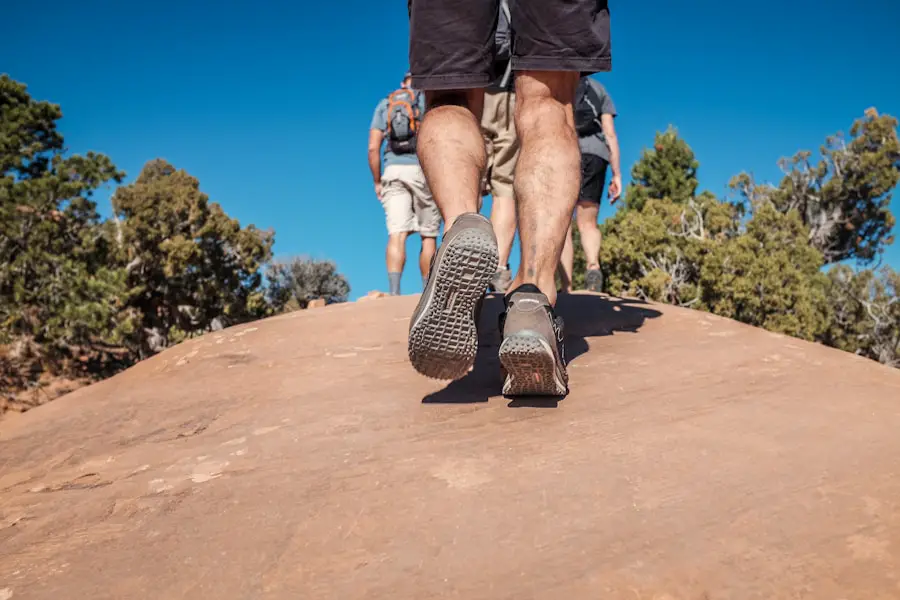
Hiking shoes are a strong choice when your day crosses several types of terrain. Examples include traveling in a city and hiking nearby trails, walking from pavement onto gravel paths, working outdoors on mixed surfaces, or carrying one versatile pair on a trip.
In those situations, a lightweight hiking shoe can provide a useful middle ground. You get more trail protection and traction than a typical road shoe without necessarily carrying the weight and stiffness of a traditional hiking boot.
Hiking footwear may also make sense simply because a particular pair fits your feet exceptionally well. Shoe categories are useful guides, not rules. A comfortable hiking shoe is a better walking shoe for you than a poorly fitting model labeled specifically for walking.
Alternatives to Hiking Shoes for Concrete Walking
If most of your walking takes place on hard, even surfaces, several other footwear types may be more efficient.
Walking Shoes
Dedicated walking shoes are an obvious choice for sidewalks, indoor floors, paved paths, and everyday errands. Look for a comfortable heel, adequate forefoot flexibility, secure fit, and enough cushioning for the distances you cover.
Road-Running Shoes
You do not need to run to benefit from a comfortable road-running shoe. These shoes are generally designed for repetitive movement on asphalt and concrete and often combine low weight with substantial midsole cushioning.
Trail-Running or Hybrid Shoes
Trail-running shoes can be a useful compromise for people who regularly move between pavement and moderate trails. They are usually lighter and more flexible than traditional hiking footwear while offering more trail traction and protection than many road shoes.
For routes dominated by pavement, a hybrid design with moderate rather than extremely deep lugs often makes more sense.
Work Shoes
If you spend an entire work shift on concrete, choose footwear around the job as well as your feet. Slip resistance, toe protection, electrical-hazard requirements, contamination resistance, or other workplace rules may take priority over recreational footwear features.
Finding the Best Footwear for Your Needs
The best shoe for concrete walking is the one that fits your foot, matches your activity, and remains comfortable for the amount of time you actually spend on hard surfaces. Hiking shoes can work well, particularly for mixed terrain, but their extra trail protection is often unnecessary when pavement is your only surface.
For long pavement-only walks, lightweight walking or road-running shoes are usually the more purpose-specific starting point. For pavement plus trails, a lightweight hiking shoe or hybrid trail shoe can provide a better balance.
Pay attention to how your feet respond. Persistent heel pain, numbness, swelling, worsening pain, or pain that changes the way you walk deserves professional assessment rather than simply trying progressively more supportive shoes. Footwear guidance is general information and is not a substitute for diagnosis or individualized medical care.
For broader trip-planning considerations when health or work restrictions affect travel, you can also read our guide to traveling on short-term disability.
Frequently Asked Questions
What are hiking shoes?
Hiking shoes are outdoor footwear designed to handle trails and uneven terrain. They commonly combine a durable upper, protective construction, a stable midsole, and an outsole with more trail-oriented traction than a typical road or casual shoe.
Are hiking shoes good for walking on concrete?
Yes. A comfortable, well-fitting hiking shoe can be used on concrete. However, for long pavement-only walks, a lightweight walking or road-running shoe is often more comfortable because it is designed specifically for repetitive movement on hard, even surfaces.
What are the benefits of wearing hiking shoes on concrete?
Depending on the model, hiking shoes can provide useful cushioning, stability, durable uppers, toe protection, and traction when a route moves between concrete and gravel, dirt, grass, or rocky terrain. Their main advantage is versatility rather than a special benefit unique to concrete.
What are the drawbacks to wearing hiking shoes on concrete?
Some hiking shoes are heavier, firmer, warmer, or more aggressively lugged than necessary for pavement. These features can feel less comfortable during long urban walks even though they are useful on rough trails.
What should I consider when choosing hiking shoes for walking on concrete?
Prioritize fit, comfortable cushioning, manageable weight, suitable flexibility, breathability, and pavement grip. Your heel should stay secure, your toes should have room, and the shoe should feel comfortable while walking before you commit to using it for long distances.
Are walking or running shoes better than hiking shoes for concrete?
For pavement-only walking, they often are. Walking and road-running shoes generally place more emphasis on low weight, cushioning, forward flexibility, and a smooth transition on hard surfaces. Hiking shoes become more useful when your route also includes rough or unpaved terrain.
How much arch support do I need for walking on concrete?
There is no universal amount that works for everyone. Choose a shoe or insole that feels comfortable and stable for your feet and activity. If you have persistent pain or a diagnosed foot condition, a clinician can help determine whether a specific insole or orthotic is appropriate.
Sources
- American Orthopaedic Foot & Ankle Society — 10 Points of Proper Shoe Fit — shoe fit, toe room, heel fit, walking-shoe characteristics, hiking-shoe characteristics and activity-specific footwear.
- American Academy of Orthopaedic Surgeons — Plantar Fasciitis and Bone Spurs — hard-surface standing as one plantar-fasciitis risk factor and the role of cushioned footwear.
- CDC/NIOSH — Prolonged Standing at Work — evidence on fatigue and musculoskeletal discomfort associated with prolonged occupational standing.
- Kang et al., Safety and Health at Work, 2026 — Influence of Footwear on Foot Comfort of Workers Engaged in Prolonged Standing Occupations — systematic review of cushioning, sole stiffness, support and activity-specific footwear comfort.
- Brooks Running — Trail vs. Road Running Shoes — differences between pavement-oriented outsoles/cushioning and trail-oriented lugs/protection.

