
Last Updated on September 10, 2026 by Daniel Globe
Teva sandals started as practical river footwear and have since grown into a broad range that includes casual sandals, water footwear, hiking sandals, and trail-focused designs. The original Teva sport sandal dates to 1984, when a river guide in the Grand Canyon created a more secure sandal for use around water. Today, whether Tevas are good for hiking depends much more on the specific model and trail than on the brand name alone. You can read more about the brand’s origins on Teva’s official history page.
Quick Answer
Yes, some Tevas are good for hiking, especially on warm-weather day hikes, maintained trails, and routes with water crossings. Trail-oriented models provide better cushioning, stability, and traction than casual Tevas. However, open sandals offer less toe and side protection than hiking shoes, so they are not the best choice for every trail.
Key Takeaways
- Choose a hiking-oriented Teva rather than assuming every Teva sandal is built for trail use.
- Open Tevas work best when breathability, quick drying, and low weight matter more than toe protection.
- The Terra Fi 5 is designed for more demanding hiking than basic sport sandals, while the current Hurricane XLT3 is positioned primarily for day hikes and everyday wear.
- Quick-drying sandals are water-friendly, not waterproof. Your feet will still get wet.
- For sharp rock, scree, heavy packs, cold conditions, or trails that specify closed-toe footwear, hiking shoes or boots are usually the safer choice.
Disclosure: As an Amazon Associate I earn from qualifying purchases. Some links on this page are affiliate links, at no extra cost to you.
Comfort and Support for Hiking in Tevas
Comfort is one of the main reasons hikers consider Tevas. A sandal leaves more of the foot exposed to air than a hiking boot, which can feel especially comfortable in hot weather. Adjustable straps also make it possible to change the fit as your feet swell during a long day.
However, the amount of cushioning and support varies considerably between models. It is not accurate to say that every Teva uses the same EVA footbed. Some models use EVA cushioning, while the Teva Terra Fi 5 Universal, for example, uses a molded PU midsole and a nylon shank designed to support the foot on uneven ground.
That difference matters on the trail. A soft casual sandal may feel comfortable around town but become tiring when you spend several hours walking over roots and rocks. A hiking-oriented sandal with a firmer midsole and stabilizing structure generally offers better underfoot support.
Pro Tip: Wear a new pair of Tevas on several shorter walks before committing to a long hike. Check the heel, forefoot straps, and sides of your feet for rubbing. A sandal that feels fine for 20 minutes can create hot spots after several miles.
A properly adjusted sandal should hold the heel and midfoot securely without forcing the straps tightly into the skin. Your foot should not slide forward on descents or lift excessively away from the footbed on climbs.
Durability and Traction of Tevas for Hiking
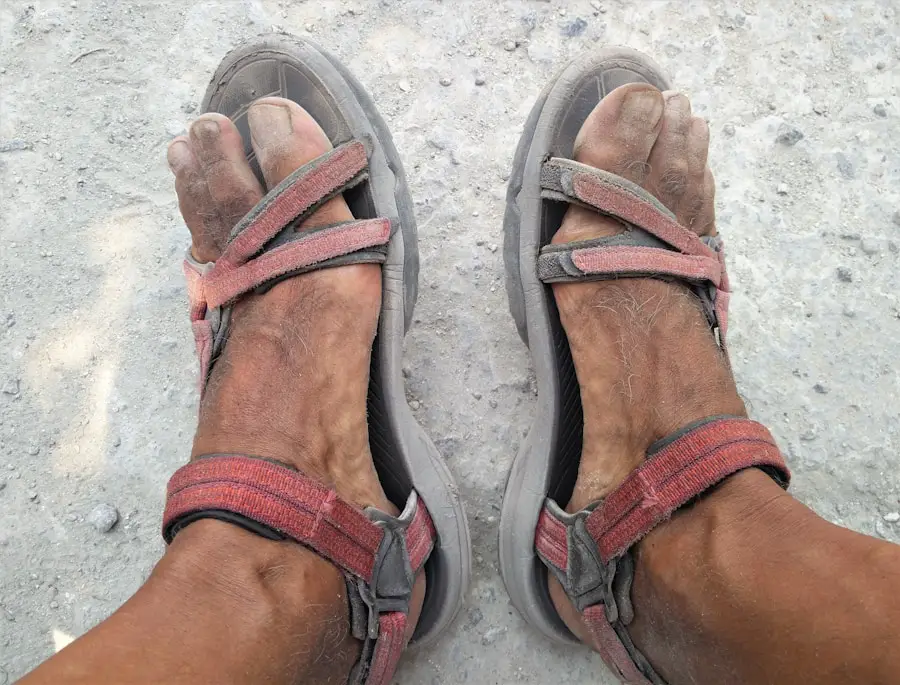
Many hiking-focused Tevas use durable synthetic webbing and rubber outsoles, but the exact materials and tread differ by model. That is important because an everyday Teva and a technical hiking sandal should not be expected to perform the same way.
The current Hurricane XLT3, for example, uses a nylon shank and an updated Spider Rubber Endure outsole. Teva lists it for day hikes and everyday wear. The company says the XLT3 also has 5 mm more EVA underfoot than the previous Hurricane XLT2.
The Terra Fi 5 is more hiking-focused. Teva equips it with a molded PU midsole, nylon shank, and Spider Rubber outsole, and currently lists it for day hikes and technical hikes.
No tread pattern should be treated as slip-proof. Mud, algae-covered rock, loose gravel, wet roots, and polished stone can overwhelm even a good outsole. Slow down when conditions become slippery and test each step before putting your full weight on it.
The right question is not simply “Are Tevas good for hiking?” but “Is this Teva model appropriate for this trail, distance, load, and weather?”
Breathability and Quick Drying of Tevas for Hiking
Breathability is where open hiking sandals have a clear advantage. Air can move around the foot, making sandals comfortable for hot summer hikes and humid conditions. They also eliminate the water-trapping upper found on many traditional shoes.
Many Teva sport sandals use quick-drying synthetic straps, so they can be practical on routes with creek crossings or frequent splashes. Quick drying does not mean waterproof, however. An open sandal allows water directly onto your foot. Teva itself distinguishes water-friendly sandals from waterproof hiking footwear in its hiking footwear range.
Note: A quick-drying sandal can recover from getting wet faster than many boots, but water between your foot and the footbed can still make the sandal feel slippery. Sand, grit, and small stones may also enter more easily after a stream crossing.
| Model | Key Construction | Best Hiking Use |
|---|---|---|
| Hurricane XLT2 | Quick-dry straps, cushioned construction, rubber trail outsole; previous Hurricane generation | Light hikes and day hikes |
| Hurricane XLT3 | EVA cushioning, nylon shank, Spider Rubber Endure outsole | Day hikes and everyday trail use |
| Terra Fi 5 Universal | Molded PU midsole, nylon shank, Spider Rubber outsole, adjustable quick-dry straps | Day hikes and more technical trails |
| Omnium 2 | Closed-toe water-sandal design, EVA midsole, nylon shank, Spider Rubber outsole | Wet-dry outings where extra toe coverage is useful |
Adjustability and Stability of Tevas for Hiking
Adjustable straps are one of Teva’s strongest features for hiking. Multiple adjustment points can help secure the heel, forefoot, and midfoot so the sandal moves with you rather than sliding around your foot.
Fit becomes especially important on descents and uneven ground. If the forefoot straps are too loose, your foot can move forward toward the edge of the sandal. If the heel strap is too loose, the sandal may lift or shift with each step. If the straps are overtightened, they can create rubbing and pressure points.
Some trail-oriented Tevas also add structural support beneath the foot. The Terra Fi 5 and current Hurricane XLT3, for example, use nylon shanks intended to improve stability on uneven terrain.
That underfoot stability should not be confused with the coverage of a hiking boot. An open sandal leaves the toes, sides of the foot, and much of the upper foot exposed even when the sandal itself fits securely.
Terrain and Distance Considerations for Hiking in Tevas
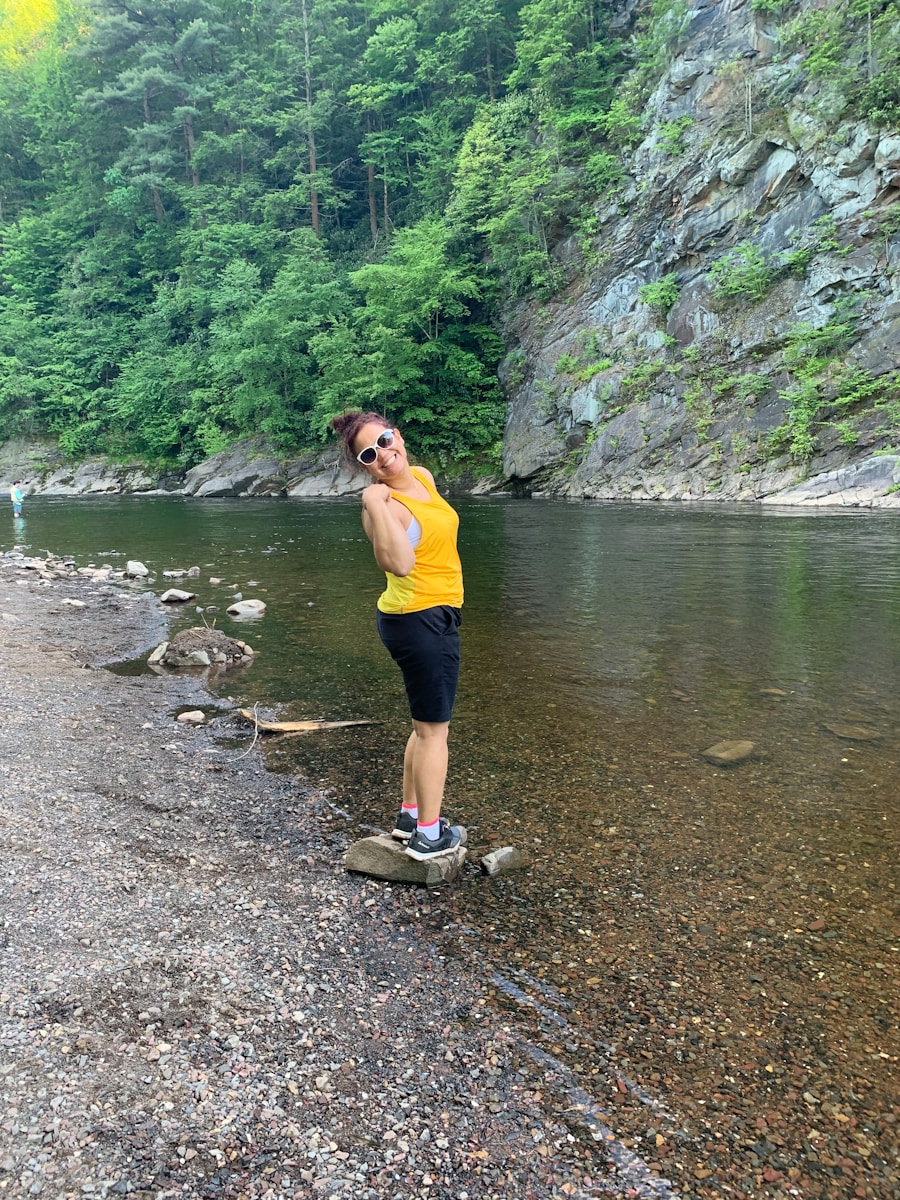
The trail itself should determine whether Tevas make sense. Current hiking-footwear guidance from REI recommends considering terrain, trip duration, and the load you are carrying rather than choosing footwear by style alone.
Tevas are a strong option for:
- Warm-weather day hikes on maintained trails.
- Mostly dirt, gravel, or packed surfaces without excessive loose rock.
- Hikes with stream crossings where quick drying is useful.
- Travel where the same footwear will be used around town and on easier trails.
- Experienced sandal hikers whose feet are already conditioned for longer mileage.
Closed-toe hiking footwear is usually better for:
- Loose scree, talus, sharp rock, and trails with frequent toe impacts.
- Dense brush, thorny vegetation, or areas with significant trail debris.
- Cold weather, snow, ice, or prolonged cold-water exposure.
- Heavy backpacking loads where you want more protection and structure.
- Routes where local rules or safety guidance specify closed-toe shoes.
Warning: Check the specific trail before hiking in sandals. Some trails recommend or require sturdy closed-toe footwear. The National Park Service, for example, recommends closed-toe shoes with good traction on many uneven and slippery trails in Acadia National Park.
What About Long-Distance Hiking?
Some experienced hikers are comfortable covering long distances in hiking sandals, but mileage alone is not enough to decide. Trail surface, pack weight, weather, foot conditioning, and the sandal’s midsole all matter.
Someone accustomed to sandals may be comfortable for many miles on a smooth trail while another hiker develops strap irritation after only a few. For your first long trip in Tevas, build mileage gradually rather than switching from hiking shoes immediately before a major trek.
Which Teva Models Are Best for Hiking?
Teva now offers different footwear for distinctly different kinds of outdoor use. That makes model selection more important than simply choosing any sandal with the Teva logo.
Hurricane XLT3
The Hurricane XLT3 is the current evolution of the popular Hurricane XLT2. Teva positions it for day hikes and everyday wear. Its quick-dry straps, added EVA cushioning, nylon shank, and updated rubber outsole make it a practical all-around choice for hikers who want a traditional open Teva design.
Terra Fi 5 Universal
The Terra Fi 5 is the more trail-focused option among the models discussed here. Its molded PU midsole is firmer than a basic soft EVA sandal, while the nylon shank and Spider Rubber outsole are designed for support and grip on uneven trails. Teva currently lists the model for both day hikes and technical hikes.
Omnium 2
The Omnium 2 is a closed-toe water sandal rather than a conventional open Teva. It uses a quick-drying synthetic upper, EVA cushioning, a nylon shank, and a Spider Rubber outsole. It can be useful when you want the ventilation and drainage of water footwear with more toe coverage.
Other Current Teva Trail Options
Teva’s current range extends beyond these older familiar models. The company now sells sandals aimed at backpacking, technical hiking, road-to-trail running, water activities, casual hikes, and day hikes. Check the manufacturer’s stated intended use rather than assuming two similar-looking sandals are built for the same terrain.
Water-Friendly Does Not Mean Waterproof
This distinction is important. Most open Teva hiking sandals are designed to tolerate getting wet and dry relatively quickly. They do not prevent water from reaching your feet.
Waterproof hiking footwear uses an enclosed upper and waterproof construction to limit water entry. That can be helpful in cold rain, wet vegetation, mud, or prolonged damp conditions, but waterproof footwear is generally less ventilated than an open sandal.
For hot-weather creek crossings, a quick-drying sandal may be more convenient. For cold, wet hikes where keeping your feet protected from the environment matters more, closed footwear is usually the better tool.
How to Fit Tevas for Hiking
Before heading onto the trail, place your heel naturally in the heel cup and adjust the straps so your foot stays centered on the footbed. Tighten the heel and midfoot enough to control movement, then adjust the forefoot without squeezing your toes.
Walk up and down a slope if possible. Your toes should not slide over the front edge on descents, and the sandal should not rotate under your foot when you step sideways.
- Leave enough room for natural toe movement.
- Do not overtighten straps to compensate for an incorrect sandal size.
- Recheck the fit after your feet warm up or swell.
- Stop and adjust the straps as soon as you notice rubbing.
- Remove trapped gravel or sand before it creates a hot spot.
Alternative Hiking Shoe Options to Consider
Tevas are only one option. Traditional hiking boots provide more coverage and structure, making them useful for rugged terrain, heavy packs, cold conditions, and routes where exposed toes would be a disadvantage.
Low-cut hiking shoes offer a middle ground. They generally provide a protective toe area and trail outsole while remaining lighter and more breathable than many boots.
Trail-running shoes are another popular option. They tend to be light and flexible and can work well for hikers moving quickly with lighter loads. Their exact level of protection and support varies by model.
Closed-toe hiking sandals and water shoes can also make sense when creek crossings are common but you still want protection from rocks and debris.
Are Tevas Suitable for Your Hiking Needs?
Tevas can be very good hiking footwear when you match the sandal to the trail. For warm-weather day hikes, water crossings, and maintained trails, a hiking-oriented Teva can offer excellent ventilation, an adjustable fit, and quick-drying convenience.
They are not an automatic replacement for hiking shoes or boots. On sharp, rocky, cold, overgrown, or highly technical terrain, the extra protection of closed footwear may be more valuable than the ventilation of an open sandal. Pack weight and your own experience hiking in sandals should also influence the decision.
The simplest approach is to look at four things before leaving the trailhead: terrain, distance, load, and weather. Then choose the Teva model—or a different type of hiking footwear—that fits those conditions.
If you are building a lightweight hiking setup, you may also want to check out this article on the best solar charger for backpacking. A portable charging option can be useful when your route, trip length, and device needs justify the extra gear.
Love travel? Join Our Facebook Community For More Tips.
Frequently Asked Questions
Are Tevas good for hiking?
Yes. Hiking-oriented Tevas can work well for day hikes, warm weather, maintained trails, and routes with water crossings. Suitability depends on the specific model, terrain, distance, pack weight, weather, and how much foot protection you need.
What makes Tevas suitable for hiking?
Trail-oriented Tevas may combine adjustable straps, quick-drying materials, cushioned or supportive midsoles, stabilizing shanks, and rubber outsoles. The exact features vary by model, so check the specifications and intended use before choosing a pair.
Can Tevas handle rugged hiking trails?
Some technical hiking models can handle rougher terrain, but open sandals expose the toes and sides of your feet. Loose scree, sharp rock, heavy debris, dense brush, and very technical routes often favor closed hiking shoes or boots.
Are Tevas waterproof for hiking?
Open Teva sandals are better described as water-friendly or quick-drying rather than waterproof. They can get wet without holding water like some enclosed footwear, but they do not keep your feet dry.
Do Tevas provide good ankle support for hiking?
Most Teva sandals do not wrap above the ankle like a mid- or high-cut hiking boot. Their straps and underfoot structure can stabilize the foot, but hikers who want substantial ankle coverage or a more structured collar should consider hiking shoes or boots.
Can Tevas handle long-distance hiking?
They can for some experienced sandal hikers, but there is no universal mileage at which Tevas are appropriate. Trail surface, sandal model, pack weight, weather, strap fit, and foot conditioning all affect long-distance comfort.
Are Tevas suitable for all types of hiking?
No. Tevas can be excellent for certain warm-weather day hikes and wet-dry routes, but closed hiking footwear is usually preferable for snow, cold weather, sharp scree, dense brush, heavy loads, and trails where closed-toe footwear is recommended or required.
Which Teva is best for hiking?
It depends on the hike. The Hurricane XLT3 is an all-around day-hike option, while the Terra Fi 5 is more trail-focused and is currently listed by Teva for day and technical hikes. Closed-toe and backpacking-focused Teva models may be better for hikers who need additional protection or support.
Can you wear Tevas on national park trails?
It depends on the park and trail. Sandals may be fine on some easy routes, while other trails recommend or require sturdy closed-toe footwear because of rocks, slippery surfaces, or other hazards. Check current trail guidance before starting.
Sources
- Teva — Our History — supports the 1984 Grand Canyon origin of the Teva sport sandal.
- Teva — Hiking Shoes Guide — supports Teva’s current separation of day-hike, backpacking, technical, water, and other footwear categories.
- Teva — Hurricane XLT3 — supports current XLT3 construction, cushioning, outsole, and intended use.
- Teva — Terra Fi 5 Universal — supports PU midsole, nylon shank, Spider Rubber outsole, and technical-hike positioning.
- REI Co-op — How to Choose Hiking Boots and Shoes — supports choosing footwear based on terrain, trip duration, protection, and load.
- National Park Service — Acadia Coastal Hikes — supports closed-toe, good-traction footwear guidance for uneven or slippery trails.

