
Last Updated on September 10, 2026 by Daniel Globe
Timberland boots—especially the iconic yellow “Timbs”—started as rugged waterproof footwear and later became a major part of streetwear and hip-hop culture. Timberland traces the original boot to 1973, while the familiar 6-inch version followed a few years later. That durable heritage makes it reasonable to wonder whether the classic boot can also handle a hiking trail.
Quick Answer
Yes, but only in limited situations. Classic Timberland Premium 6-Inch boots can handle short, easy, well-maintained trails, especially in cool or wet weather. For long, steep, rocky, hot, or technical hikes, a purpose-built hiking boot or shoe is usually the better choice because it is lighter and designed more specifically for trail comfort and traction.
Key Takeaways
- When people say “Timbs,” they often mean the iconic Timberland Premium 6-Inch Waterproof Boot, not every boot Timberland sells.
- The Premium 6-Inch is waterproof, insulated, durable, and fitted with a rubber lug outsole, but it is heavier than several current Timberland hiking models.
- Classic Timbs are most reasonable for short, easy trails where their weight and insulation are not major drawbacks.
- For steep, rocky, long, hot, or technical hikes, purpose-built hiking footwear is generally the more practical choice.
- Timberland itself makes dedicated hiking boots, so choosing the brand does not mean you have to hike in the classic yellow boot.
Disclosure: As an Amazon Associate I earn from qualifying purchases. Some links on this page are affiliate links, at no extra cost to you.
The Construction and Materials of Timbs
The first step is to define what “Timbs” means. Timberland sells casual boots, work footwear, hiking shoes, and dedicated hiking boots with different materials and features. For this comparison, the most useful reference point is the iconic Men’s Timberland Premium 6-Inch Waterproof Boot.
The current Premium 6-Inch model uses waterproof Premium Timberland leather and seam-sealed construction. It also has a padded collar, removable anti-fatigue footbed, steel shank for arch support, rubber lug outsole, and 400 grams of PrimaLoft insulation. Timberland lists the weight of a men’s size 9 at 2.10 pounds.
Those are substantial features for an everyday boot. The waterproof construction helps in wet grass, shallow puddles, slush, and rain, while the shank and outsole give the boot more structure than an ordinary casual shoe.
Note: Do not assume every Timberland boot is built this way. Timberland uses waterproof leather, seam sealing, TimberDry membranes, Gore-Tex, fabric uppers, EVA midsoles, and other constructions depending on the exact model.
The Potential Benefits and Drawbacks of Using Timbs for Hiking
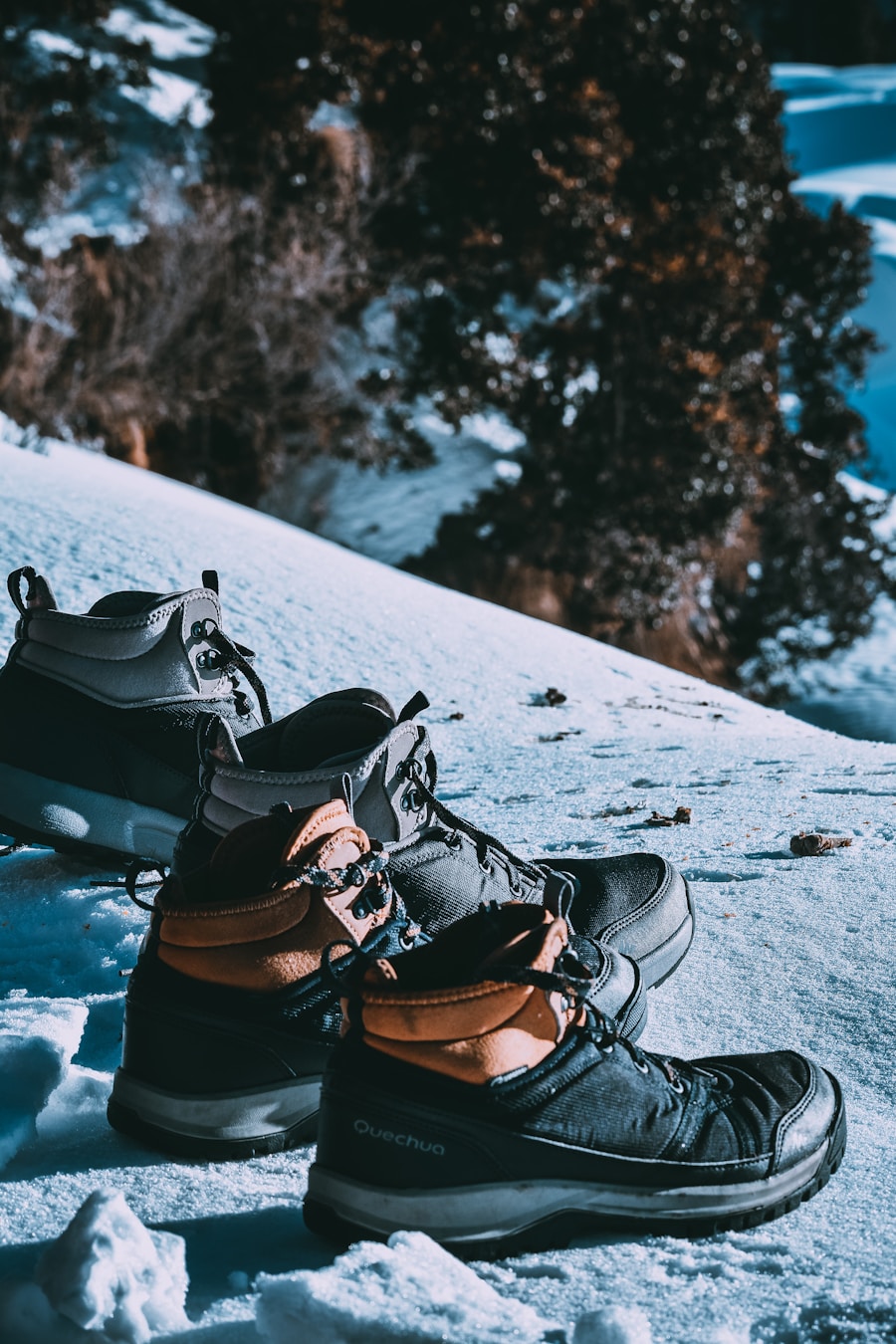
Classic Timbs do have qualities that can work on an easy trail. The Premium 6-Inch has waterproof leather, seam-sealed construction, a steel shank, and a rubber lug outsole. Its sturdy upper can also shield the foot from brush and minor trail debris better than a thin casual sneaker.
The disadvantages become more noticeable as distance and difficulty increase. Timberland lists the Premium 6-Inch at 2.10 pounds for a men’s size 9. By comparison, its purpose-built White Ledge Waterproof Mid Hiker is listed at 1.32 pounds in the same size, while the Motion Scramble Waterproof Hiker is listed at 1.40 pounds.
The Premium 6-Inch also contains 400 grams of PrimaLoft insulation. That can be welcome in cold weather, but it may feel unnecessarily warm during a summer hike or a strenuous climb. Waterproof leather and insulated construction can also retain more heat than lighter, more breathable trail footwear.
Traction needs similar context. The Premium 6-Inch does have a rubber lug outsole, but Timberland markets trail-focused models with additional hiking-oriented systems such as TimberGrip outsoles, TimberCush cushioning, EVA midsoles, fully gusseted tongues, and TimberDry or Gore-Tex waterproofing depending on the model.
Warning: Do not rely on ordinary boot lugs alone for an icy trail. Snow and ice can require traction devices fitted over your hiking footwear. Turn around when trail conditions exceed the traction and stability your footwear can provide.
Comparing Timbs to Purpose-Built Hiking Boots
| Feature | Premium 6-Inch Waterproof Boot | White Ledge Waterproof Mid Hiker |
|---|---|---|
| Primary design | Iconic all-weather lifestyle/work-inspired boot | Purpose-built hiking boot |
| Listed weight, men’s size 9 | 2.10 lb | 1.32 lb |
| Waterproof construction | Waterproof leather and seam sealing | Waterproof leather and seam sealing |
| Insulation | 400 g PrimaLoft | No insulation listed |
| Underfoot construction | Anti-fatigue removable footbed and steel shank | EVA footbed and EVA midsole |
| Tongue | Standard lace-up construction | Fully gusseted tongue |
| Best hiking use | Short, easy, cool-weather walks and maintained trails | Regular day hiking and more varied trail conditions |
This comparison shows why the answer is not simply “Timberlands are bad for hiking.” The brand makes hiking footwear; the real question is whether the particular Timberland model was designed for your trail.
REI’s current hiking-footwear guidance recommends matching footwear to distance, terrain, and load. Lighter hiking shoes can work well on easier ground, while rugged terrain and heavier loads generally call for more structured footwear, stronger underfoot protection, and appropriate tread. See REI’s guide to choosing hiking boots and shoes.
The Timberland logo does not determine whether a boot is trail-ready—the exact model, fit, terrain, weather, distance, and load matter more.
Tips for Choosing the Right Footwear for Hiking
Start with the trail rather than the brand. A smooth, maintained path puts very different demands on footwear than a steep route covered in loose rock, roots, mud, or snow.
- Easy, maintained trail: Comfortable hiking shoes, trail shoes, or a well-fitting sturdy boot may be enough.
- Rocky or uneven terrain: Look for secure fit, appropriate tread, underfoot protection, and enough structure for the terrain.
- Long-distance hike: Weight, cushioning, moisture management, and sustained comfort become increasingly important.
- Heavy backpack: A more supportive hiking or backpacking boot may be preferable.
- Wet conditions: Check whether the exact footwear model is actually waterproof rather than assuming all leather boots are.
- Hot weather: Consider breathability and insulation. A heavily insulated waterproof boot can be uncomfortable when temperatures rise.
Get the Fit Right
Fit matters more than the logo on the side. Hiking footwear should feel snug without squeezing the foot and should leave room for the toes to move. REI recommends roughly a thumb’s width between the longest toe and the end of the insole as one useful length check.
Try hiking footwear with the socks you plan to wear on the trail. Walk on an incline if possible and check for heel lifting, toe impact on descents, pressure over the instep, or rubbing around the ankle.
Pro Tip: Do not make a long hike the first test of a stiff leather boot. Wear it on shorter walks first and make sure you can hike without persistent rubbing, numbness, heel slip, or painful pressure points.
Timberland currently notes that some versions of the men’s Premium 6-Inch Waterproof Boot run large and recommends sizing down by half a size for those specific styles. Other Timberland models have different sizing guidance, so always check the product page for the exact boot rather than applying one sizing rule across the brand.
The Importance of Comfort and Support for Hiking Footwear
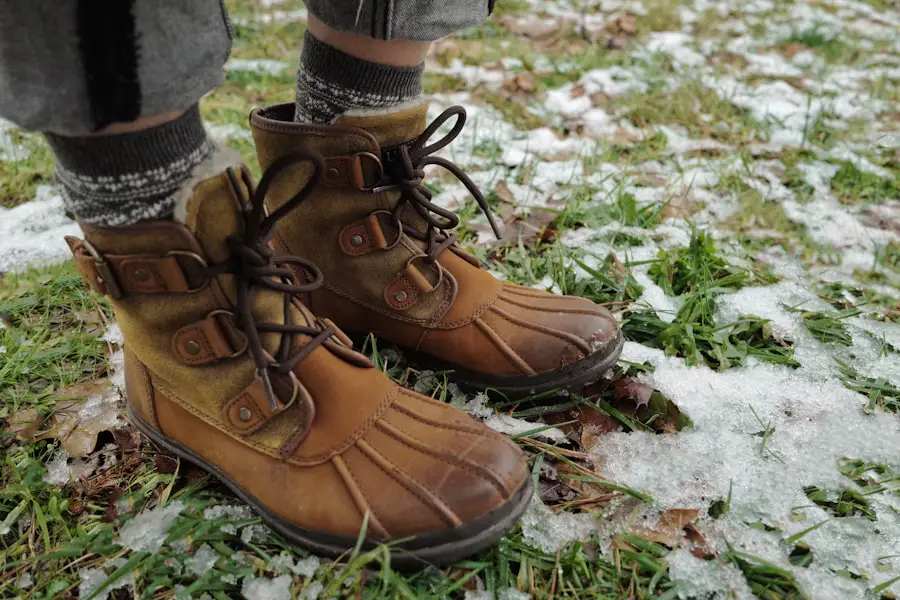
Cushioning and Fatigue
A hiking shoe or boot has to remain comfortable after thousands of steps. Midsoles and footbeds help cushion the foot, while stiffer structures can protect the sole of the foot from repeated pressure on rocky ground. Purpose-built hiking footwear often uses EVA, TPU, or other foam systems to balance cushioning and stability.
The classic Premium 6-Inch approaches comfort differently: Timberland lists an anti-fatigue removable footbed and steel shank rather than the EVA hiking midsole found in models such as the White Ledge. Neither design is automatically better for every person, but they are designed around different priorities.
Ankle Structure and Stability
A high boot collar can feel more secure around the ankle, and the National Park Service recommends sturdy hiking footwear and, on some rugged trails, footwear with ankle support. However, a high-cut boot should not be treated as a guarantee against ankle sprains. Research on high-top footwear alone has not established reliable injury prevention.
Fit, outsole traction, underfoot stability, trail conditions, fatigue, previous injuries, and how you move over uneven ground all affect stability. Choose footwear that feels secure without restricting you or creating painful pressure points.
Underfoot Support and Hot Spots
Pay attention to how your feet feel rather than assuming a thick boot must be supportive. Persistent arch pressure, numb toes, heel movement, rubbing, or hot spots are signs that the fit or footwear may not be right for you. Address those problems on short walks instead of discovering them several miles from the trailhead.
When Are Timbs Good Enough for Hiking?
The classic Premium 6-Inch can be a reasonable choice when you already own a comfortable, broken-in pair and the hike is short, relatively flat, and well maintained. Cool or damp weather also plays to the boot’s waterproof and insulated construction.
They make less sense when the route is long, steep, technical, very hot, or covered in loose rock, deep mud, or other demanding surfaces. In those situations, lighter trail-specific footwear with cushioning and an outsole matched to the terrain is usually more comfortable and efficient.
For hikers who like Timberland but want a trail-focused design, current options include the White Ledge Waterproof Mid Hiker, Mt. Lincoln Waterproof Mid Hiker, and Motion Scramble Waterproof Hiker. Features vary, so choose by trail conditions and fit rather than model name alone.
How to Care for and Maintain Timbs if Used for Hiking
Trail use exposes boots to mud, grit, moisture, and repeated flexing, so cleaning them after a hike can help preserve the upper and make damage easier to spot.
- Let heavy mud dry first. Timberland recommends allowing mud to dry and then brushing away loose dirt before deeper cleaning.
- Use a cleaner suitable for the material. Smooth leather, suede, and nubuck do not all respond to the same products.
- Air dry the boots. Avoid radiators, heaters, and other direct heat sources that can damage the upper.
- Restore water repellency with a compatible product. Timberland’s Balm Proofer is designed for materials including leather, suede, and nubuck.
- Inspect the boots before the next hike. Check the outsole, seams, eyelets, laces, and upper for damage or excessive wear.
For nubuck boots such as many classic wheat Timbs, avoid applying products intended only for waxed or oiled leather. Timberland specifically states that its Waximum protector should not be used on suede or nubuck. Its official product-care guidance explains which cleaners and protectors match each material.
Note: Waterproof does not mean maintenance-free. Dirt, wear, flexing, and time can affect a boot’s performance, so inspect waterproof footwear before relying on it for a wet hike.
Considering the Suitability of Timbs for Hiking
Classic Timbs are durable boots, but durability alone does not make footwear ideal for every hike. The Premium 6-Inch has genuine advantages: waterproof seam-sealed construction, a lug outsole, sturdy leather, a steel shank, and insulation. Those features can work well on an easy trail in cool or wet conditions.
For longer distances or challenging terrain, the same boot’s weight and 400-gram insulation can become disadvantages. Purpose-built hiking footwear is normally the better choice when you need lower weight, trail-specific cushioning, more breathable construction, or traction designed around demanding terrain.
The safest rule is simple: match the footwear to the hike. The National Park Service advises hikers to wear sturdy footwear suitable for trail conditions, and some park trails specifically require or recommend hiking footwear with good traction. See the National Park Service hiking-safety guidance before heading onto unfamiliar terrain.
If you already own Timbs and want to use them, test them first on a short, easy trail. If they stay comfortable, secure, and adequately grippy for those conditions, they may be perfectly serviceable for casual hiking. If the route becomes longer, hotter, steeper, rougher, or more technical, switching to purpose-built hiking footwear is the smarter move.
If you’re organizing the rest of your hiking or travel gear, you may also find this guide to 5 Must-Have Packing Cubes for Your Spring 2025 Getaway useful for keeping clothing and smaller items separated inside your luggage.
Love travel? Join Our Facebook Community For More Tips.
Frequently Asked Questions
Are Timberland boots good for hiking?
Some are. Timberland makes purpose-built hiking boots that are designed for trail use. The classic Premium 6-Inch Waterproof Boot can also work for short, easy hikes, but its extra weight and 400-gram insulation make it less attractive for long, hot, steep, or technical trails.
What makes classic Timbs usable on an easy trail?
The Premium 6-Inch Waterproof Boot has waterproof leather, seam-sealed construction, a rubber lug outsole, a steel shank, and an anti-fatigue footbed. Those features provide more protection and structure than an ordinary casual shoe, although the boot is not as trail-focused as Timberland’s dedicated hiking models.
Can classic Timberland boots handle rough terrain?
They can handle some uneven ground, but they should not automatically be treated as technical hiking footwear. For long rocky routes, steep grades, deep mud, or other difficult terrain, choose footwear designed for those conditions and with appropriate traction, fit, and underfoot protection.
Do Timberland boots provide ankle support for hiking?
High-cut Timberland boots can feel structured around the ankle, and the Premium 6-Inch also has a steel shank for underfoot support. However, a high collar alone should not be relied on to prevent ankle sprains. Secure fit, traction, terrain, fatigue, and overall boot construction also matter.
Are Timberland boots waterproof for hiking?
Only when the specific model is sold as waterproof. The Premium 6-Inch Waterproof Boot uses waterproof leather and seam-sealed construction. Other Timberland styles may use TimberDry, Gore-Tex, different waterproof construction, or no waterproof system at all, so check the exact product specifications.
Which Timberland boots are better for regular hiking?
Look at models that Timberland specifically identifies as hikers. Current examples include the White Ledge Waterproof Mid Hiker, Mt. Lincoln Waterproof Mid Hiker, Mt. Maddsen Mid Hiking Boot, and Motion Scramble Waterproof Hiker. Compare their fit and features with the terrain you expect to hike.
Should you break in Timbs before hiking?
Yes. Stiffer leather footwear should be tested gradually before a long trip. Start with shorter walks while wearing your hiking socks and check for heel movement, rubbing, toe pressure, or other hot spots before taking the boots onto a longer trail.
Sources
- Timberland — Premium 6-Inch Waterproof Boot — construction, insulation, outsole, shank, footbed, waterproofing, and listed weight.
- Timberland — White Ledge Waterproof Mid Hiker — hiking-specific construction, EVA cushioning, gusseted tongue, outsole, and listed weight.
- Timberland — Product Care — material-specific cleaning, protection, drying, and nubuck care guidance.
- REI — How to Choose Hiking Boots and Hiking Shoes — footwear selection by terrain, distance, load, construction, fit, and break-in.
- National Park Service — Hiking Safety — proper hiking footwear, traction, and trail-safety guidance.
- PubMed — Interventions for Preventing Ankle Ligament Injuries — evidence showing that the protective effect of high-top shoes alone remains uncertain.
