
Last Updated on September 10, 2026 by Daniel Globe
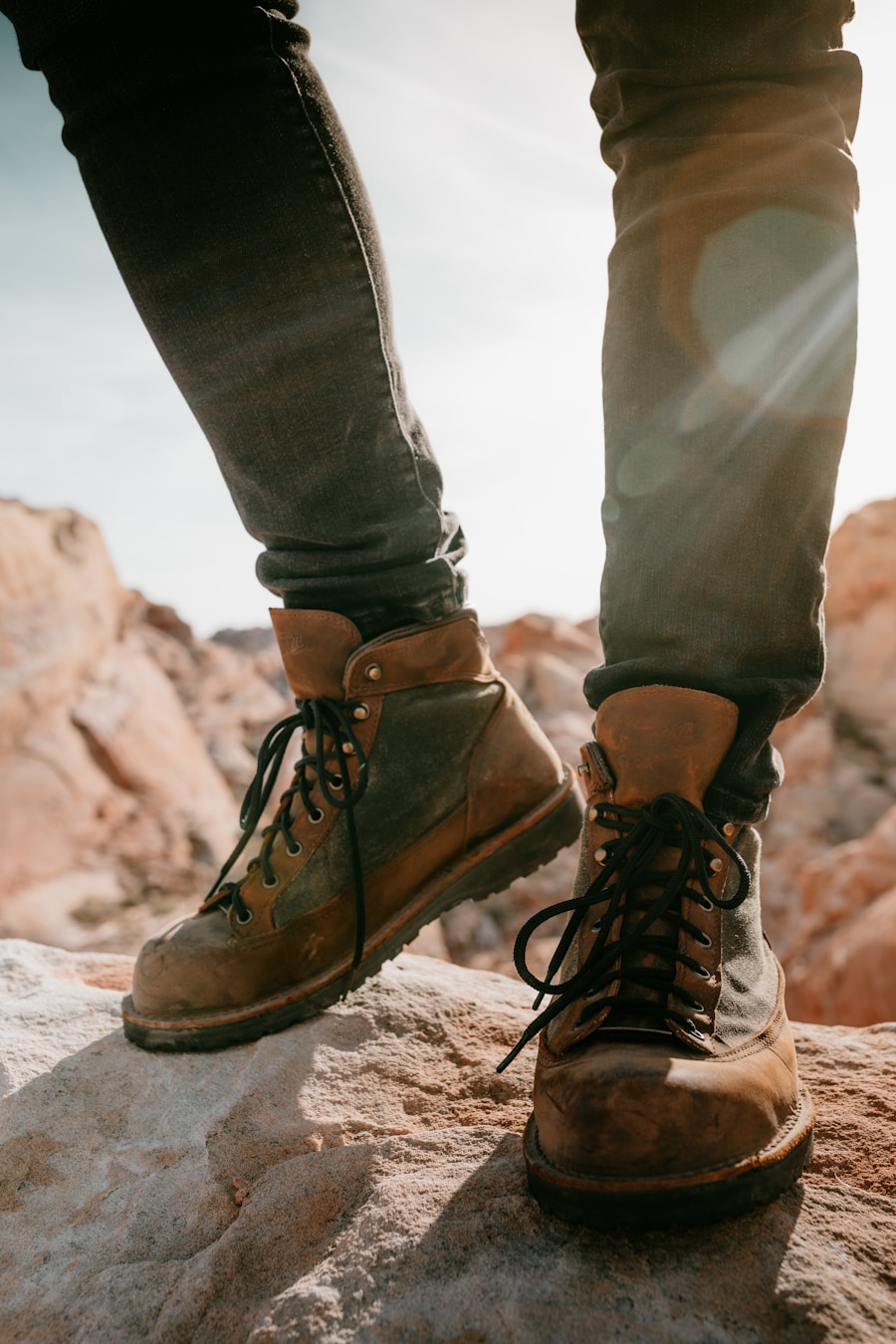
Military boots can handle hard use, but that does not automatically make every pair a good hiking boot. Some military models are built for hot weather and drainage, some for cold conditions, and others for safety or duty requirements. The best choice for a hike depends on fit, weight, outsole grip, flexibility, moisture management, and the terrain you plan to cover.
Quick Answer
Yes, military boots can be good for hiking when they fit well and match the weather and terrain. Their durability and protective construction can help on rough trails, but many pairs are heavier, stiffer, or hotter than hiking-specific footwear. For long-distance hiking, a lighter hiking boot or trail shoe is often more comfortable.
Key Takeaways
- Military boots are not one single design. Even current U.S. Army boots include hot-weather, flame-resistant, and safety-toe versions with different features.
- A military boot can work well for rough terrain, carrying a heavier pack, or hikers who prefer a tall, protective boot.
- Weight, stiffness, heat buildup, and poor fit can make some military boots tiring or blister-prone on long hikes.
- A high boot collar can limit ankle motion, but it should not be treated as a guarantee against ankle sprains.
- Break new boots in gradually and use the same moisture-wicking socks you plan to hike in.
Disclosure: As an Amazon Associate I earn from qualifying purchases. Some links on this page are affiliate links, at no extra cost to you.
Differences Between Military Boots and Hiking Boots
The biggest difference is purpose. Military boots are designed around military tasks and environmental requirements, while hiking footwear is designed around walking efficiency, trail grip, comfort, and foot movement over long distances.
That distinction matters because the phrase military boot covers many designs. The U.S. Army’s current hot-weather combat boot family, for example, includes standard hot-weather boots, flame-resistant versions, and safety-toe versions. The standard hot-weather model uses moisture-resistant leather, nylon fabric, drainage eyelets, shock-absorbing layers, and an abrasion-resistant outsole. That is very different from assuming every military boot is waterproof, insulated, or puncture resistant.
Military Boots vs. Hiking Boots at a Glance
| Feature | Military Boots | Hiking Boots / Shoes |
| Main goal | Protection, durability, duty use, and operation in a defined environment | Comfort, traction, efficiency, and control on trails |
| Typical height | Often tall, although exact height varies by model and service requirement | Low, mid, or high |
| Weight | Ranges from lightweight hot-weather models to heavy leather, safety-toe, or insulated boots | Often optimized to reduce weight for walking |
| Water management | May be waterproof, water resistant, fast drying, or designed to drain | Available in breathable non-waterproof or waterproof-membrane versions |
| Best use | Rugged use when the specific boot matches the terrain and climate | Day hiking, backpacking, long trails, and terrain-specific walking |
Hiking boots usually put more emphasis on underfoot cushioning, efficient flex, trail-specific lugs, and lower weight. Some are waterproof; others trade waterproofing for faster drying and better ventilation. The National Park Service hiking safety guidance recommends sturdy footwear suited to the route and moisture-wicking wool or synthetic socks for longer hikes.
Pros and Cons of Using Military Boots for Hiking
Advantages
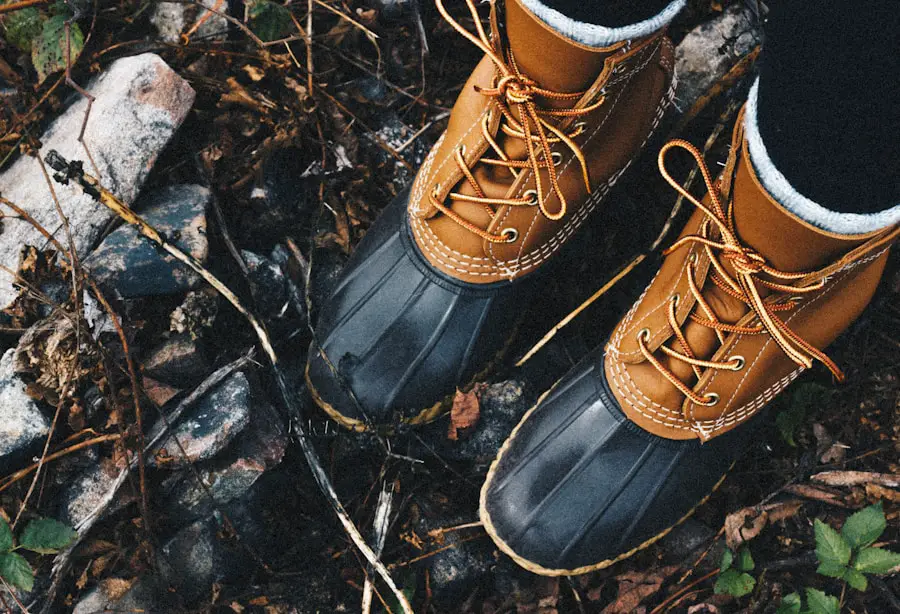
Durability can be a real advantage. Many military boots use tough leather, fabric, and rubber components designed for abrasion and repeated hard use. Current Army hot-weather boots, for example, specify abrasion-resistant outsoles and shock-absorbing sole systems. A durable pair can be good value when it fits properly and is used in the conditions it was designed for.
They can provide a secure, protective feel. Tall uppers can reduce some ankle motion and protect the lower leg from brush, debris, and knocks. That can feel reassuring on rocky or overgrown trails, especially with a heavier pack.
Note: A taller boot is not the same thing as an ankle brace. Research on high-top footwear has not established that high collars alone prevent ankle sprains. Fit, traction, fatigue, prior ankle injury, terrain, and balance all matter.
Some military outsoles offer strong traction and protection. This can be useful on loose soil, rough ground, or trails where sharp rocks and debris are common. However, traction depends on the actual rubber compound, lug pattern, and condition of the sole, not on the word “military.”
Disadvantages
Some pairs are heavy. Weight varies widely, but heavier footwear can increase the physical cost of walking. A NIOSH study of firefighters found that heavier boots increased oxygen demand during loaded treadmill work. That study was not about hiking boots specifically, but it supports the practical point that extra mass on the feet can contribute to fatigue.
For hiking, the best boot is not the toughest boot on paper. It is the boot that fits your feet, grips the terrain, manages moisture, and stays comfortable for the distance you plan to walk.
Stiffness can reduce comfort. A rigid sole or upper may feel supportive under load, but it can also make a long hike less natural if the boot does not flex where your foot flexes. Comfort differs substantially among combat boot designs; a 2022 study comparing four combat boots found meaningful differences in perceived comfort between models.
Heat and moisture can become a problem. Enclosed footwear can create a warm, damp environment. The CDC recommends keeping feet clean and dry and changing shoes and socks regularly to help prevent fungal foot problems. Hot-weather military boots with drainage can be a better match for heat and repeated water exposure than a waterproof insulated boot.
Considerations for Choosing Military Boots for Hiking
If you already own military boots or are considering a pair for hiking, judge the actual boot rather than the category. Use the checklist below before taking them on a long trail.
| Consideration | What to Look For |
| Material | Leather can be durable and protective. Nylon or other textile panels can reduce weight and improve drying. Rough-out leather and fabric military boots may need different care than smooth leather boots. |
| Weight | For long hikes, lighter boots usually feel less tiring. Heavier safety-toe or insulated boots make more sense only when their extra protection is actually needed. |
| Traction | Look for deep, intact lugs and rubber that still feels sound. A worn, hardened, cracked, or separating outsole can be a poor hiking choice even if the upper looks durable. |
| Water Management | For cold rain or shallow wet trails, a waterproof membrane can be useful. For hot, humid hiking or repeated stream crossings, a drainable, fast-drying boot may be more comfortable. |
| Ankle Feel | The collar should feel secure without pinching the Achilles tendon or restricting normal walking. Do not rely on height alone as injury prevention. |
| Fit and Comfort | Your heel should stay controlled without rubbing, your toes should not hit the front on descents, and the forefoot should not feel squeezed. Try boots with the socks you will actually hike in. |
| Insulation | Insulation helps in genuinely cold conditions but can be too warm for mild weather. Match insulation to temperature, activity level, socks, and exposure rather than assuming an insulated boot is always safer. |
Check the Fit Before You Judge the Boot
Proper fit matters more than the military label. The Defense Centers for Public Health identifies proper-fitting footwear and synthetic moisture-wicking socks as primary blister-prevention measures for military activities such as road marching.
- Wear the socks you plan to use on the trail.
- Check that your heel does not lift enough to rub on every step.
- Make sure your toes have room to move and do not strike the front when walking downhill.
- Reject a boot that creates numbness, sharp pressure, or painful hot spots.
- Try both boots late in the day, when feet may be slightly more swollen.
Match the Boot to the Terrain and Weather
For rocky or uneven trails, focus on outsole grip, underfoot protection, and a secure heel. For hot climates, ventilation and drying speed can matter more than waterproofing. For wet-cold conditions, keeping the foot warm and dry becomes more important. One boot cannot optimize all of those jobs at once.
Pro Tip: If you are buying surplus boots, inspect the outsole, midsole, glue lines, stitching, and interior before hiking. Age can matter even when the upper looks unused. Do not trust a cracked, separating, hardened, or badly worn sole on a remote trail.
Tips for Breaking in Military Boots for Hiking
Breaking in a stiff pair gradually is smarter than discovering pressure points several miles from the trailhead. In a military study of friction blisters, wearing boots that were not broken in was associated with a higher prevalence of blisters. The goal is not to force a bad-fitting boot to become the right size; it is to confirm fit, let materials flex naturally, and find problem areas before a long hike.
- Start indoors. Wear the boots for short periods around the house with your normal hiking socks. Stop if you feel numbness, sharp pressure, or intense rubbing.
- Move to short walks. Increase time and distance gradually. The Defense blister-prevention guidance also recommends building the duration and intensity of blister-causing activity slowly.
- Use your real sock system. Do not wear extra-thick socks only to stretch the boots. Moisture-wicking wool or synthetic socks are usually a better hiking choice than cotton.
- Test hills and descents. A boot that feels fine on flat pavement may cause toe impact or heel slip on a slope.
- Adjust lacing. Slightly different tension over the forefoot and ankle can improve heel hold without crushing the toes.
- Protect early hot spots. If you know a rubbing area is developing, stop and deal with it. The National Park Service lists moleskin as a useful blister item for longer hikes.
- Condition only when appropriate. If the boot is leather, use only a treatment suitable for that exact leather and any waterproof membrane. Rough-out, suede, fabric, and membrane boots may have different care instructions.
- Do a loaded shakedown hike. Before a long trip, walk several miles with the pack weight you expect to carry.
Warning: Do not try to “break in” boots that are clearly too small, cause persistent numbness, create severe pain, or make your toes hit the front. A break-in period can soften materials, but it cannot correct the wrong length, width, or basic shape.
Potential Risks of Using Military Boots for Hiking
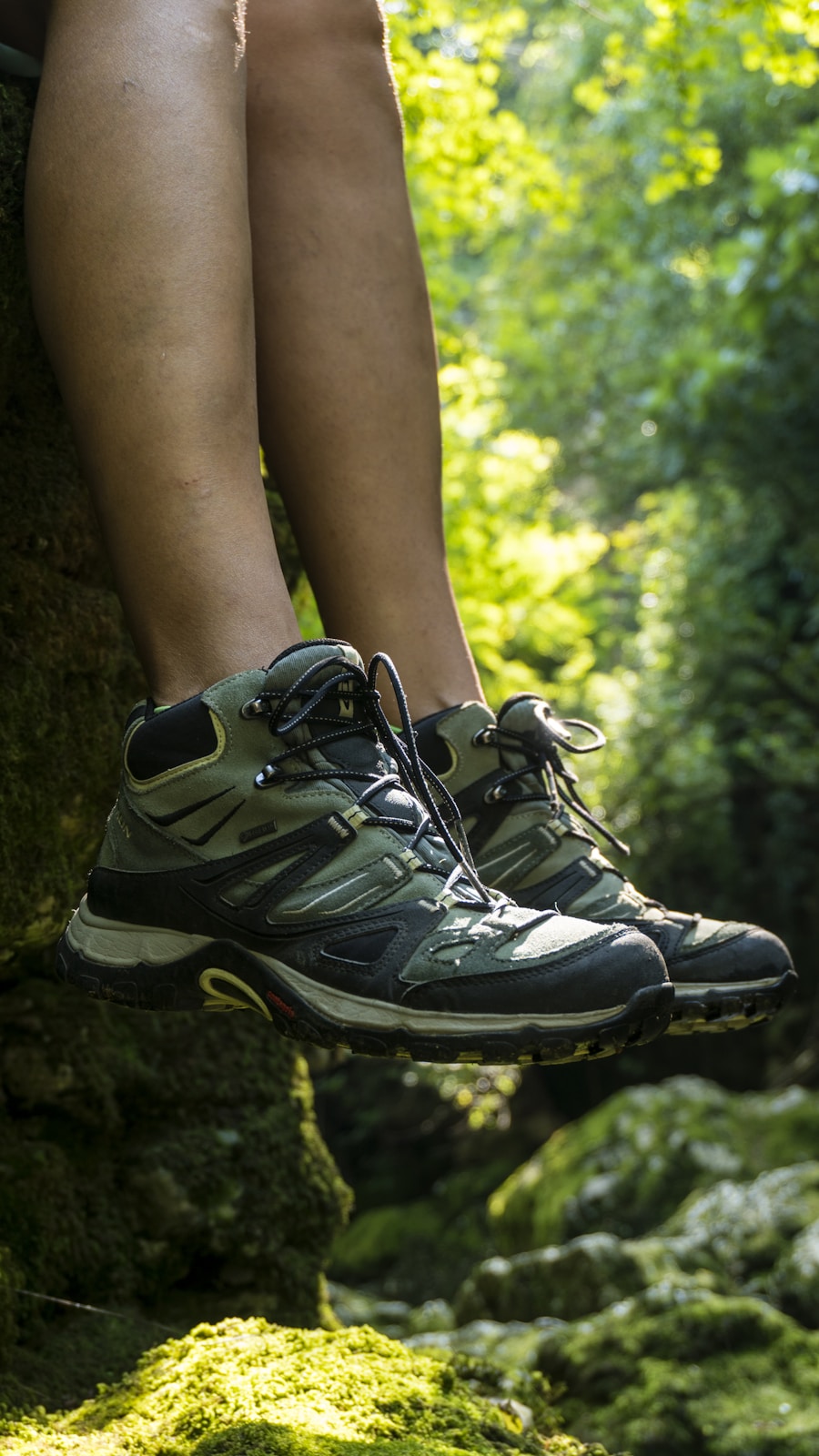
Military boots can be suitable hiking footwear under the right conditions, but the risks come from choosing the wrong boot for the job.
Blisters, Pressure Points, and Toenail Pain
Poor fit can cause rubbing, calluses, blisters, bruised toenails, and loss of comfort. High collars can also irritate the Achilles area if the shape or lacing does not suit your leg. These are fit problems, not proof that all military boots are bad for hiking.
Heat and Moisture Buildup
A warm, wet shoe environment can soften skin and increase blister risk. Moist conditions also favor fungal problems such as athlete’s foot. The CDC’s foot-hygiene guidance recommends clean, dry feet and regular changes of shoes and socks to reduce these problems.
Fatigue From Excess Weight
A heavy boot may feel stable at the start but become tiring over distance. Research in loaded occupational walking has found that greater boot weight increases physiological demand. For a long trail, there is little benefit in carrying extra boot mass unless you actually need the added protection.
False Confidence About Ankle Protection
It is easy to assume a tall boot prevents ankle sprains. That claim is too strong. A systematic review found good evidence for some external braces, but the protective effect of high-top shoes themselves remained unproven. Hikers with a history of ankle instability should not treat boot height as a substitute for appropriate medical advice, rehabilitation, strength, balance training, or a brace when recommended.
Poor Traction From Old or Wrong Soles
A military-looking upper does not guarantee trail grip. Smooth, worn, aged, or hardened soles can slip on mud, wet rock, roots, or loose gravel. Check the tread before every serious hike, especially with surplus footwear.
Alternatives to Military Boots for Hiking
If military boots feel too heavy, hot, or stiff, hiking-specific footwear gives you several alternatives.
Hiking Shoes
Low-cut hiking shoes are lighter and more flexible than most tall boots. They work well for day hikes, maintained trails, and hikers who prefer a natural ankle range of motion.
Hiking Boots
Mid- and high-cut hiking boots offer more coverage and often more underfoot structure than hiking shoes. They are available in breathable and waterproof versions, including models with GORE-TEX or similar waterproof membranes. For backpacking, look for a model that remains comfortable under your expected pack weight.
Backpacking Boots
Backpacking boots are usually stiffer than light hiking footwear and are designed to support long days with heavier loads. They can provide the protective feel some hikers like about military boots while using trail-specific cushioning and outsole designs.
Trail Running Shoes
Trail runners are popular with hikers who prioritize low weight, flexibility, and fast drying. They usually have a low collar, so they provide less physical coverage around the ankle than a tall boot. That does not automatically mean a higher ankle-sprain rate; footwear height alone is not a proven injury-prevention guarantee.
Making the Decision for Military Boots and Hiking
Military boots can be a practical hiking choice when the pair fits you well, the outsole grips the terrain, and the boot’s climate design matches the trip. They make the most sense when you value durability, lower-leg coverage, and a secure feel more than minimum weight.
Traditional hiking boots or trail shoes are often the better choice for long-distance hiking, hot-weather walking, or hikers who want a lighter and more flexible shoe. Before deciding, test the footwear on short hikes and pay attention to heel slip, toe room, hot spots, heat buildup, and fatigue.
Note: If a boot consistently causes numbness, sharp pain, repeated blisters, or skin breakdown, switch footwear rather than trying to tough it out. Persistent foot or ankle problems deserve evaluation by a qualified health professional.
If you’re considering using military boots for hiking, you may also be interested in this guide to five portable camping stoves. A compact stove can be a useful addition to your hiking or camping kit when your route allows stove use. Check out the article here for more information on these camping tools.
Love travel? Join Our Facebook Community For More Tips.
Frequently Asked Questions
Are military boots good for hiking?
They can be. A well-fitting pair with suitable traction, weight, flexibility, and moisture management can work well on rough trails. For long-distance hiking, lighter hiking-specific footwear is often more comfortable and efficient.
What are the benefits of using military boots for hiking?
Potential benefits include durable materials, lower-leg coverage, protective construction, and sturdy outsoles. The actual benefits depend on the model because military boots are made for different climates and duties.
What should I consider when choosing military boots for hiking?
Check fit, total weight, outsole condition, traction, flexibility, water management, insulation, and how the collar feels around your ankle. Match those features to your route, weather, pack weight, and hiking distance.
Can military boots be too heavy for hiking?
Yes. Some military boots, especially safety-toe, heavy leather, or insulated models, can add unnecessary weight for a recreational hike. Heavier footwear can increase the effort required for walking, so choose the lightest boot that still provides the protection you actually need.
Are there downsides to using military boots for hiking?
Possible downsides include extra weight, stiffness, heat retention, longer break-in time, and poor fit for your foot shape. Older surplus soles may also have worn or aged rubber that is less dependable on slick terrain.
Are military boots waterproof?
Not all of them. Some military boots use waterproof membranes, while hot-weather designs may prioritize drainage and fast drying. Check the exact model rather than assuming a combat-style boot is waterproof.
What socks should I wear with military boots for hiking?
Use socks that fit the boot and manage moisture well. Wool or synthetic moisture-wicking hiking socks are usually a better choice than cotton. Carry a spare pair on longer hikes so you can change if your socks become wet.
Sources
- U.S. Army CPE Ground — Hot (Wet and Dry) Weather Boots — current Army boot construction, drainage, outsole, and safety-toe variants.
- National Park Service — Hike Smart — hiking footwear, socks, blister supplies, and route preparation.
- Defense Centers for Public Health — Military Activity Related Injuries — proper fit and moisture-wicking socks for blister prevention.
- Military Medicine — Blisters on the Battlefield — association between unbroken-in boots and friction blisters.
- Cochrane Review — Interventions for Preventing Ankle Ligament Injuries — limits of evidence for high-top shoes as ankle-sprain prevention.
- NIOSH/CDC — Physiological Effects of Boot Weight and Design — evidence that greater boot weight can increase physiological demand during loaded walking.

