Last Updated on July 27, 2026 by Daniel Globe
Hiking boots can work well for some jobs because they are built for long periods of walking, uneven ground, changing weather, and outdoor terrain. However, a rugged-looking hiking boot is not automatically a safety work boot. The right choice depends on the hazards you face, your employer’s footwear rules, and whether certified protection is required.
Quick Answer
Yes, you can wear hiking boots for work when your job involves walking, outdoor terrain, or light-duty tasks and your employer does not require specialized protective footwear. For jobs with falling objects, puncture hazards, electrical risks, chemicals, chainsaws, or specific slip hazards, use work footwear rated for those hazards instead.
Key Takeaways
- Hiking boots can be a comfortable option for low-hazard outdoor work, field work, groundskeeping, and jobs that involve frequent walking on uneven terrain.
- Ordinary hiking boots do not automatically provide certified impact, compression, puncture, electrical, chemical, or chainsaw protection.
- OSHA requires protective footwear when specific foot hazards are present, so the job’s hazard assessment matters more than whether a boot is labeled “hiking” or “work.”
- Deep hiking lugs can grip soil and loose terrain well, but they should not be assumed to provide tested slip resistance on oily, greasy, or wet workplace flooring.
- If you like the feel of hiking footwear but need workplace protection, look for a hiker-style work boot carrying the safety ratings required by your employer.
Disclosure: As an Amazon Associate I earn from qualifying purchases. Some links on this page are affiliate links, at no extra cost to you.
Differences Between Hiking Boots and Work Boots
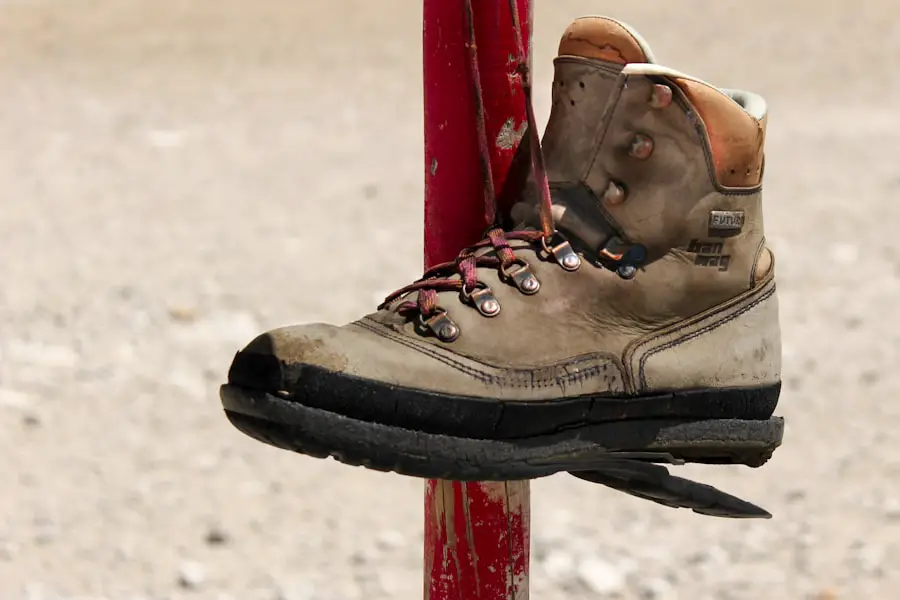
Hiking boots and work boots can look similar, but they are designed around different priorities. A hiking boot is primarily intended to help a person walk efficiently and comfortably over natural terrain. Depending on the model, it may use leather, synthetic fabric, cushioning foam, a waterproof membrane, a protective toe bumper, and a deeply lugged rubber outsole.
A work boot is built around the demands and hazards of a particular job. Some work boots are simple soft-toe footwear, while others have safety toes, puncture-resistant components, metatarsal protection, electrical-hazard protection, heat-resistant outsoles, chemical-resistant materials, or other specialized features.
| Feature | Typical Hiking Boot | Work / Safety Boot |
| Primary purpose | Walking, hiking, backpacking, and traction on natural terrain | Job comfort plus protection appropriate to workplace hazards |
| Toe protection | Usually a soft toe or abrasion-resistant toe bumper; certified safety toes are model-specific | May use steel, alloy, composite, or another tested safety-toe design when required |
| Outsole | Often designed for dirt, rock, mud, roots, and mixed trail surfaces | May be designed or tested for workplace surfaces, contaminants, heat, oil, or other job conditions |
| Puncture protection | Not normally certified for workplace puncture hazards unless specifically marked | Available when the job requires protection from nails, metal, or other sharp objects |
| Electrical protection | Not provided by default | Electrical-hazard properties are available on footwear designed and marked for that purpose |
| Water protection | Many models use water-resistant materials or waterproof membranes | Ranges from breathable dry-weather boots to waterproof or chemical-resistant specialty footwear |
| Weight and flexibility | Ranges from very light and flexible to stiff backpacking boots | Varies widely according to the protective features and construction |
The key difference is therefore not simply comfort or appearance. It is whether the footwear has been designed and, when necessary, tested for the hazards of the job.
The Rule That Matters Most: Match the Boot to the Hazard
In the United States, OSHA’s 29 CFR 1910.136 foot-protection standard requires employers to ensure affected workers use protective footwear where there is danger from falling or rolling objects, objects piercing the sole, or certain electrical hazards.
This means there is no universal rule that everyone at work must wear a steel-toe boot. It also means a comfortable hiking boot is not automatically acceptable just because it feels sturdy. The actual hazards identified for the job determine what protection is needed.
Warning: Never substitute an ordinary hiking boot for required protective footwear based only on its thick leather, rubber toe bumper, ankle height, or aggressive tread. Check your employer’s footwear policy and the safety markings required for your job.
What ASTM F2413 Means
ASTM F2413-24 is ASTM International’s current active standard for protective safety-toe footwear. Its scope includes impact and compression performance and provisions for additional workplace hazards such as puncture resistance, electrical properties, metatarsal protection, and other specialized protection.
OSHA’s current 1910.136 regulatory text incorporates older ASTM/ANSI editions and also allows footwear that the employer demonstrates is at least as effective as footwear made to the incorporated standards. For a worker choosing boots, the practical rule is simple: follow the standard, hazard rating, and markings your employer or site requires rather than assuming that a particular brand or boot style qualifies.
Safety Toe Does Not Always Mean Steel Toe
Protective footwear can use different materials to meet a required performance level. Steel, composite, alloy, and other constructions are available. What matters for a regulated hazard is the tested protection and required marking, not whether the cap happens to be made from steel.
Advantages of Using Hiking Boots for Work
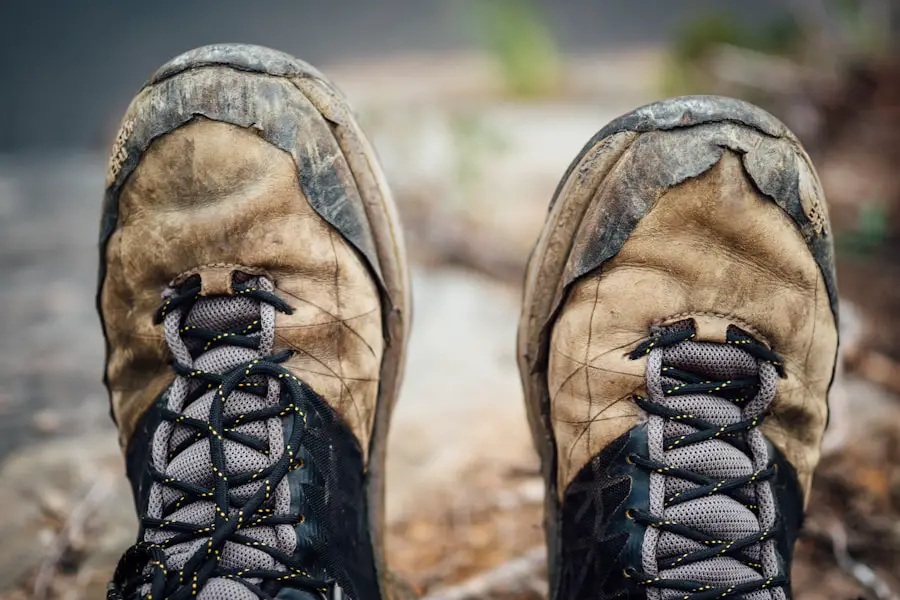
For the right job, hiking boots can be excellent work footwear. They are designed around walking comfort and natural terrain, so they can make sense for workers who spend much of the day moving between trails, grass, gravel, dirt, and uneven ground.
Comfort for Jobs With a Lot of Walking
Many hiking boots use cushioned midsoles, padded collars, supportive footbeds, and flexible uppers. Those features can be useful for park staff, field researchers, survey crews, groundskeepers, delivery workers on mixed terrain, and other employees who cover substantial distances on foot.
Comfort still depends on the individual boot and your feet. A stiff backpacking boot may feel excessive on concrete, while a lighter hiking boot may be comfortable for walking but wear faster in a harsh industrial environment.
Traction on Natural Terrain
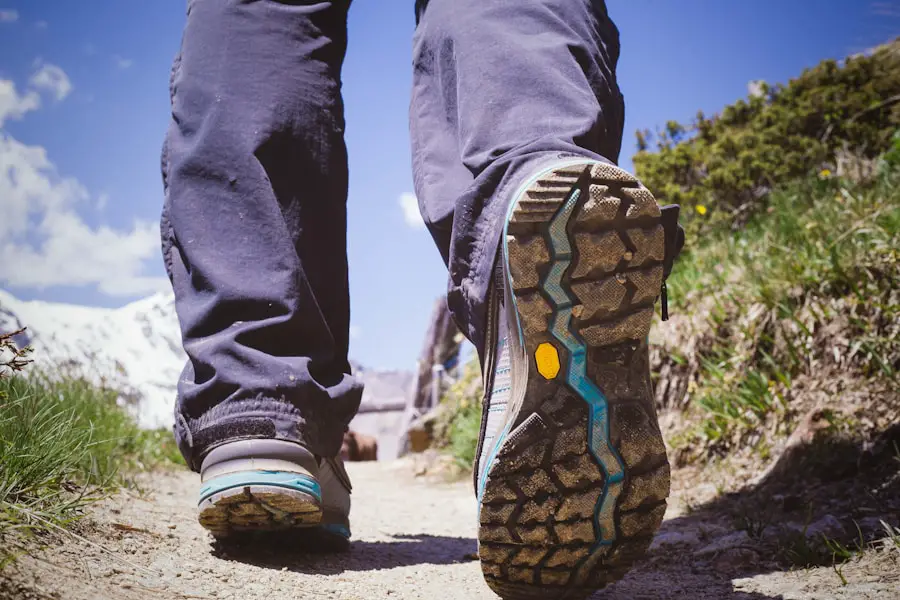
Deep lugs and outdoor rubber compounds can provide useful grip on dirt, loose gravel, muddy paths, roots, and similar terrain. This is one of the strongest reasons to consider hiking boots for outdoor work.
However, trail grip and workplace slip resistance are not the same thing. ASTM publishes F2913-24 for measuring whole-footwear slip performance and F3445-24 for footwear slip-resistance performance requirements.
In a NIOSH trial involving about 17,000 food-service workers, providing highly rated slip-resistant footwear was associated with a 67% reduction in slipping-related workers’ compensation claims. The finding applies to the tested workplace program, not to every shoe with an aggressive-looking tread.
Weather Protection
Many hiking boots use water-resistant uppers or waterproof membranes, which can help during rain, wet grass, shallow mud, and other outdoor conditions. A gusseted tongue and higher cuff can also help keep debris away from the foot.
Note: Waterproof does not mean chemical-resistant. If your job exposes your feet to corrosive, toxic, reactive, or other hazardous substances, use footwear selected for those chemicals rather than relying on a waterproof hiking membrane.
Mobility and Flexibility
Some hiking boots are lighter and more flexible than heavy-duty protective work boots. This can be an advantage for jobs that require constant walking, climbing ordinary terrain, kneeling, or moving between indoor and outdoor areas.
The comparison depends on the models involved. Heavy backpacking boots can also be stiff, while modern hiker-style work boots can combine substantial workplace protection with athletic-shoe-like cushioning.
Disadvantages of Using Hiking Boots for Work
| Potential Disadvantage | Why It Matters |
| No certified protection by default | Most ordinary hiking boots are not designed as safety footwear for impact, compression, puncture, electrical, metatarsal, chainsaw, or other workplace hazards. |
| Trail tread may not suit job floors | Deep lugs designed for dirt and rock do not automatically provide the grip needed on oily concrete, greasy tile, wet metal, or other contaminated surfaces. |
| Breathability varies | Waterproof models may feel warmer than highly ventilated footwear during hot indoor work or summer conditions. |
| Weight and stiffness vary | A heavy backpacking boot can cause unnecessary fatigue on flat floors, while an ultralight hiker may not offer the durability needed for abrasive work. |
| Workplace durability may differ | Sharp metal, hot surfaces, concrete abrasion, oils, chemicals, and repeated ladder work can damage footwear in ways a trail-focused design was not intended to handle. |
The biggest limitation is therefore not that hiking boots are always heavier, less breathable, or less supportive than work boots. Those features vary widely. The real limitation is that ordinary hiking footwear may lack the specific protection your job requires.
Types of Work Environments Suitable for Hiking Boots
Hiking boots make the most sense when the work environment resembles the conditions for which they were designed and there is no requirement for specialized protective footwear.
Landscaping and Groundskeeping
Hiking boots can work well for mowing-free grounds inspection, planting, light garden maintenance, walking large properties, and similar tasks on dirt, grass, or slopes. However, jobs involving heavy equipment, sharp tools, falling materials, chainsaws, or other hazards may require more specialized footwear.
Park, Conservation, and Field Work
Park rangers, environmental researchers, survey personnel, trail crews performing low-hazard tasks, wildlife workers, and similar field employees may benefit from hiking footwear because they spend significant time walking over uneven ground.
The employer’s hazard assessment still controls. A field worker who occasionally enters an industrial plant, construction zone, laboratory, or other controlled site may need different footwear for that portion of the job.
Agriculture and Rural Property Work
Some low-hazard agricultural or property tasks can be comfortable in hiking boots, especially when walking pasture, dirt roads, or uneven land. Other agricultural jobs involve machinery, livestock, chemicals, sharp objects, or crushing hazards and therefore call for footwear selected for those risks.
Light Maintenance and Outdoor Service Work
Hiking boots may also suit certain maintenance, inspection, photography, delivery, utility-reading, and outdoor service roles when the worker needs weather protection and mobility but does not face a safety-footwear requirement.
Non-Hazardous Site Visits
Some workers move between an office and outdoor locations without performing active construction or industrial tasks. Hiking boots can be practical for those visits when the site allows them. Active construction areas are different: follow the contractor’s or employer’s PPE rules before entering.
Types of Work Environments Unsuitable for Ordinary Hiking Boots
Work With Falling or Rolling Objects
Manufacturing, warehousing, material handling, construction, mechanical work, and other jobs may expose feet to tools, materials, pipes, cylinders, equipment, or other objects that can fall or roll onto them. Where that hazard exists, ordinary soft-toe hiking boots should not replace the protective footwear required by the employer.
Puncture Hazards
Nails, screws, sharp scrap metal, wire, and other debris can penetrate ordinary soles. A thick hiking outsole may look protective without having been designed or tested for workplace puncture resistance.
Electrical Hazards
Some jobs require footwear with specific electrical properties. Do not assume a rubber hiking outsole supplies the required protection merely because rubber is present in the sole. Use the footwear rating specified by the employer and applicable safety procedure.
Chemical and Hazardous-Material Work
Ordinary waterproof hiking boots are not a substitute for footwear selected to resist hazardous chemicals. OSHA guidance notes that chemical-resistant boots may be required where workers can encounter caustic, reactive, toxic, or corrosive materials.
Logging and Chainsaw Operations
This is an important exception to the idea that “forestry work” automatically suits hiking boots. Under OSHA’s logging standard, employees must wear foot protection appropriate for logging conditions, and employees operating chainsaws must have foot protection constructed with cut-resistant material that protects against contact with a running saw.
An ordinary recreational hiking boot should therefore not be treated as chainsaw-protective logging footwear.
Wet, Greasy, or Oily Indoor Floors
Restaurants, food-production facilities, healthcare facilities, workshops, and industrial environments can have floor contaminants that differ greatly from outdoor terrain. Look for footwear selected and, when applicable, tested for the actual slip conditions rather than assuming deep trail lugs are enough.
Extreme Heat, Molten Material, or Specialized Industrial Hazards
Foundries, welding environments, roofing work, hot-process industries, and other specialized jobs may expose footwear to heat, molten material, sparks, or other hazards. These conditions call for job-specific protective footwear rather than standard hiking boots.
Can a Hiking-Style Boot Still Be a Safety Work Boot?
Yes. The line between the two categories is not always based on appearance. Manufacturers offer hiker-style work boots that use lightweight cushioning and outdoor-inspired construction while adding tested safety features.
This can be a useful middle ground for people who prefer the feel of hiking footwear but need a safety toe, puncture protection, electrical-hazard properties, tested slip performance, or another workplace feature.
Pro Tip: Shop by the required safety marking first and by the boot’s hiking-style appearance second. A boot can look like a trail hiker and still be proper work footwear, but the certification and employer requirements are what determine whether it is suitable.
How to Choose Hiking Boots for Work
If your job allows hiking boots, choose them according to the actual work rather than simply buying the model you would use for a weekend hike.
1. Check Your Employer’s Footwear Requirements First
Before buying anything, ask whether your workplace requires a safety toe, puncture resistance, electrical-hazard protection, metatarsal protection, slip-resistant footwear, chemical resistance, chainsaw protection, or another specific feature.
If the employer requires a particular ASTM or other safety marking, only footwear meeting that requirement should make your shortlist.
2. Match the Outsole to the Surface
For dirt, gravel, grass, and trails, hiking-style lugs can be very useful. For polished concrete, tile, commercial kitchens, greasy floors, or industrial surfaces, prioritize footwear designed for those conditions.
Do not judge slip resistance by lug depth alone.
3. Choose Waterproofing Only When You Need It
A waterproof membrane can be valuable for rain, wet vegetation, mud, and damp field conditions. In hot, dry workplaces, a more breathable non-waterproof boot may be more comfortable.
Remember that waterproofing is a weather feature, not proof of chemical compatibility.
4. Consider Hours Spent on Hard Floors
A hiking boot made for rocky trails does not automatically provide the best feel on concrete for an eight- or ten-hour shift. If most of your day is spent on hard, flat surfaces, pay close attention to cushioning, forefoot flexibility, heel stability, and how your feet feel after prolonged standing.
5. Get the Fit Right
Try boots on with the socks you expect to wear at work. Your heel should remain secure without painful pressure, while the toe box should provide enough space for your toes to move without sliding around.
Walk on an incline if the store provides one. Also try stairs and a hard floor when possible. Feet can swell during a long shift, so a boot that feels cramped before work is unlikely to improve after several hours.
6. Consider Durability and Maintenance
Check how the upper, toe area, outsole, and seams will handle the surfaces you encounter. Concrete, sharp debris, oils, repeated kneeling, and frequent wetting can wear footwear differently than ordinary hiking.
Inspect the soles regularly. Worn tread, separated outsoles, damaged uppers, compressed cushioning, exposed protective components, or failed waterproofing are signs that the boot may no longer be suitable for the job.
A 5-Step Decision Checklist
- Identify the hazards: falling objects, rolling objects, punctures, electricity, chemicals, chainsaws, heat, and slippery floor contaminants all matter.
- Check workplace rules: your employer or jobsite may require specific footwear even when a recreational hiking boot feels protective enough.
- Verify the marking: when certified protection is required, look for the actual rating or standard specified for the job.
- Evaluate the surface: choose outdoor tread for natural terrain and appropriate workplace slip performance for contaminated hard floors.
- Test all-day fit: the safest boot still needs to fit correctly and remain practical for the amount of standing, walking, and climbing your job involves.
Note: This article provides general footwear guidance. Your employer’s hazard assessment, jobsite rules, and applicable workplace-safety requirements take priority over general recommendations.
Making the Decision to Use Hiking Boots for Work
Hiking boots can be excellent work footwear when the job involves substantial walking, rough outdoor ground, changing weather, and relatively low foot-injury hazards. Their comfort, mobility, and trail-oriented traction can make them more practical than a heavy industrial boot when specialized protection is not required.
The decision changes as soon as the job introduces significant hazards. Falling materials, punctures, electrical exposure, chainsaws, chemicals, contaminated floors, high heat, and other hazards require footwear selected for those conditions. In those environments, an ordinary hiking boot should not be treated as protective footwear simply because it looks rugged.
If you want hiking-boot comfort and workplace protection, a hiker-style safety work boot can provide both. Start with the protection your employer requires, then compare fit, weight, waterproofing, cushioning, and traction within that approved category.
If you are considering using hiking boots for work, you may also be interested in finding the best hiking backpack for a multi-day trek. Check out this article on the best hiking backpack for multi-day trek to make sure you have the right gear for longer outdoor adventures.
Love travel? Join Our Facebook Community For More Tips.
Sources
- OSHA — 29 CFR 1910.136, Foot Protection — explains when workplace foot protection is required and the criteria for protective footwear.
- ASTM International — ASTM F2413-24 — current performance standard for protective safety-toe footwear and associated workplace-hazard protections.
- ASTM International — ASTM F3445-24 — current performance specification for evaluating footwear slip resistance using the ASTM whole-shoe test method.
- NIOSH — Slip-Resistant Footwear Research — reports findings from a randomized workplace study of slip-resistant footwear.
- OSHA — 29 CFR 1910.266, Logging Operations — provides footwear requirements for logging and chainsaw operations.
- OSHA — 29 CFR 1926.95, Construction PPE — covers selection, safe design, and proper fit of construction personal protective equipment.
Frequently Asked Questions
What are hiking boots?
Hiking boots are footwear designed primarily for walking on natural outdoor terrain. Depending on the model, they can provide cushioning, ankle coverage, a protective toe bumper, weather resistance, and lugged outsoles for dirt, rock, mud, and mixed trails.
Are hiking boots suitable for work?
They can be. Hiking boots are most suitable for low-hazard jobs involving outdoor walking and uneven terrain when the employer does not require specialized protective footwear. They are not an automatic substitute for safety work boots.
Do hiking boots meet OSHA requirements?
There is no single yes-or-no answer for every job. OSHA requires protective footwear when specified workplace foot hazards exist. An ordinary recreational hiking boot usually should not be assumed to provide certified impact, compression, puncture, electrical, or other protection. Follow the footwear requirements established for your job.
What are the benefits of using hiking boots for work?
For appropriate low-hazard jobs, hiking boots can provide good walking comfort, outdoor traction, weather protection, ankle coverage, and mobility on dirt, grass, gravel, trails, and other uneven surfaces.
What types of work are hiking boots good for?
They can work well for certain park, conservation, surveying, field-research, landscaping, groundskeeping, inspection, delivery, agricultural, and outdoor service tasks when no more specialized footwear is required. The actual hazards and employer policy determine suitability.
Can I wear hiking boots on a construction site?
Only when the site’s rules and hazard assessment permit them. Active construction can involve falling materials, sharp debris, equipment, electrical hazards, and other risks that require protective footwear. Confirm the site’s footwear requirements before entering or working.
Are hiking boots slip-resistant?
Many hiking boots grip natural terrain very well, but that does not automatically mean they have been tested for workplace slip resistance. Oily concrete, greasy tile, wet metal, mud, and rock create different traction demands, so choose an outsole suited to the actual surface.
Are there drawbacks to using hiking boots for work?
Yes. Ordinary hiking boots may lack required safety ratings, and trail-focused outsoles may not perform as needed on workplace flooring. Waterproof models can also feel warm, while some hiking boots may wear quickly when exposed to concrete, chemicals, sharp debris, or other industrial conditions.
How should I choose the right hiking boots for work?
Start with your employer’s footwear requirements and the hazards of your job. Then compare fit, cushioning, weight, waterproofing, breathability, outsole design, durability, and any required safety ratings. Try the boots with your work socks and make sure your heel is secure while your toes have comfortable room.