
Last Updated on September 10, 2026 by Daniel Globe
Combat boots can handle demanding terrain, but that does not automatically make every pair a good hiking boot. Military, tactical, jungle, hot-weather, waterproof, surplus, and fashion combat boots can differ greatly in weight, cushioning, flexibility, tread, and moisture handling. The right pair can work well on rough trails; the wrong pair can leave you with tired feet, hot spots, blisters, or poor grip.
Quick Answer
Yes—combat boots can work for hiking if they fit well, grip the terrain, and match the weather. Their tough uppers and tall collars can provide protection and structure, but they are not automatically better than hiking boots. Many are heavier, stiffer, or hotter, and boot height alone does not guarantee ankle-sprain prevention.
Key Takeaways
- Combat boots can be suitable for rugged hikes when their fit, tread, underfoot protection, and weather performance match the trail.
- Do not assume every combat boot is waterproof, lightweight, breathable, cushioned, or equipped with aggressive hiking tread.
- A tall collar can add structure around the ankle, but research does not show that high-top footwear by itself reliably prevents ankle sprains.
- Purpose-built hiking shoes or trail runners are often more comfortable for long distances, maintained trails, fast hiking, and hot weather.
- Break in stiff boots and test them on a short hike before committing to a long or remote route.
Disclosure: As an Amazon Associate I earn from qualifying purchases. Some links on this page are affiliate links, at no extra cost to you.
Characteristics of Combat Boots
Combat boots were developed for military field use, where durability, foot protection, traction, and secure fit can be important. However, “combat boot” is a broad label rather than a single design.
For example, the U.S. Defense Logistics Agency currently lists MIL-DTL-32237 for the Army Hot Weather Combat Boot as an active specification for boots intended for hot-weather wet and dry environments. That does not mean every military-style or civilian combat boot has the same construction or performance.
Depending on the model, a combat boot may use leather, synthetic fabric, or a combination of both. The collar is usually higher than a trail-running shoe, while the outsole may range from an aggressive lug pattern to a tread better suited to mixed military and hard-surface use.
Some models have substantial midsoles and removable cushioned footbeds. Others are relatively firm underfoot. Some include waterproof membranes or water-resistant leather, while hot-weather or jungle-oriented boots may focus more on ventilation, drainage, and drying.
Note: Evaluate the exact pair you own rather than buying based only on the words “combat,” “military,” or “tactical.” The outsole, midsole, fit, upper material, lining, and intended environment matter more than the label.
Considerations for Hiking Footwear
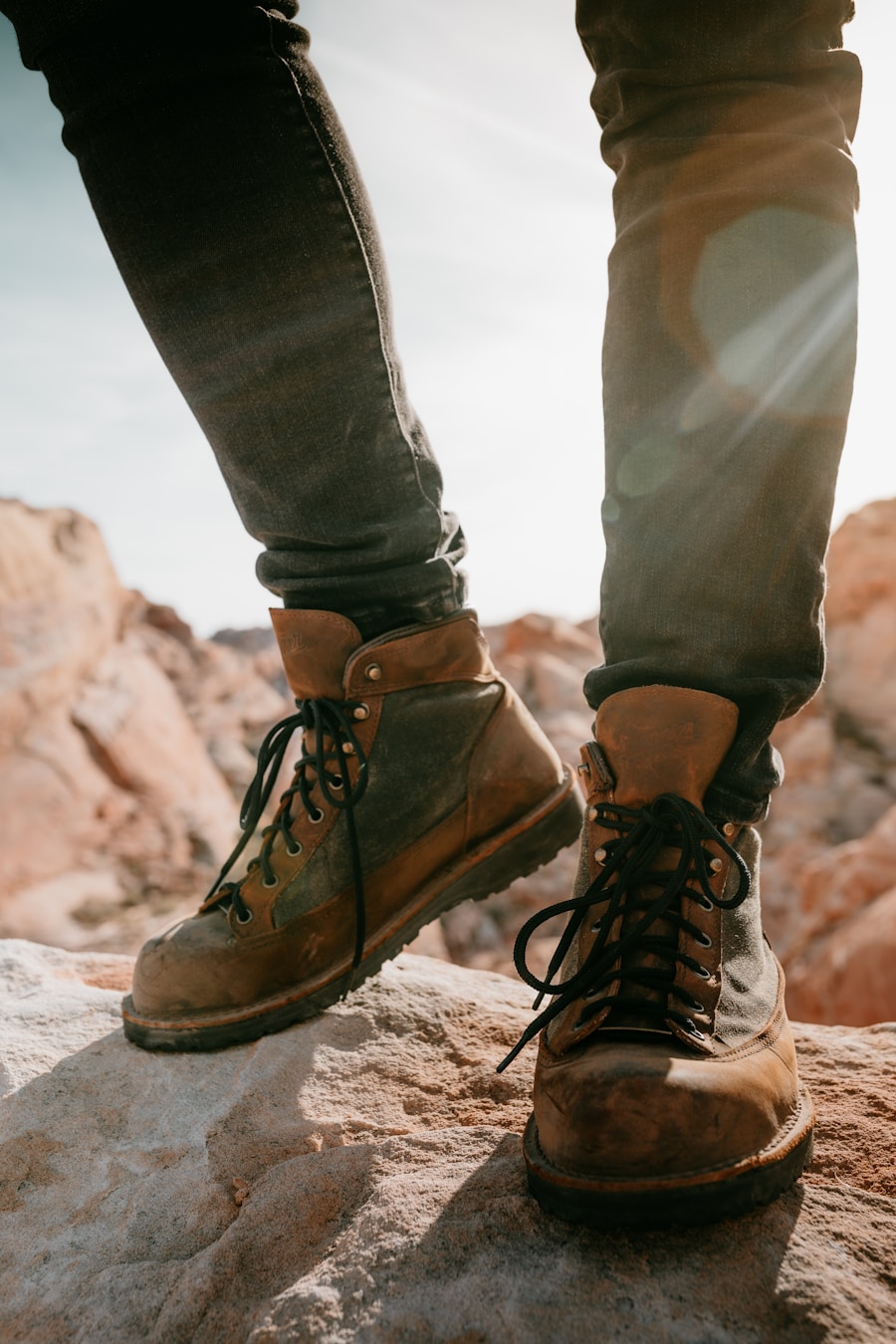
Good hiking footwear needs to match the route. The National Park Service’s Hike Smart guidance recommends proper footwear for the terrain, including sturdy rubber-soled hiking boots with ankle support for dirt and gravel trails.
Fit Comes First
A boot that is durable but fits poorly is a bad hiking boot for your feet. Your heel should feel secure without painful pressure, and your toes need enough space that they do not strike the front of the boot on descents.
Try boots with the socks you plan to hike in. Walk on flat ground, climb stairs or an incline if available, and pay attention to heel lift, pinching, rubbing, and pressure across the toes. Any obvious hot spot in a new boot can become much worse after several miles.
Match the Outsole to the Terrain
Look at the actual tread rather than assuming a rugged-looking boot has good trail grip. Deep, well-spaced lugs are useful in dirt and mud, while the rubber compound and tread shape also influence grip on rock and wet surfaces.
Check older combat boots for rounded or worn-down lugs. A durable upper does not make up for an outsole that has lost its traction.
Consider Underfoot Protection
On rocky trails, the midsole and sole should be firm enough to keep every sharp stone from pressing into your foot. At the same time, a boot that is excessively stiff for your stride may feel tiring over long distances.
This is one reason purpose-built hiking footwear comes in different categories. A light hiking shoe, backpacking boot, and mountaineering boot are designed around different combinations of terrain, load, flexibility, and protection.
Think About Heat and Water
Waterproofing is useful in some conditions, but it comes with tradeoffs. Waterproof membranes can reduce airflow, while non-waterproof hot-weather boots may breathe or dry faster after becoming wet.
For cold rain, snow, or prolonged exposure to wet conditions, waterproof footwear may be useful. Mount Rainier National Park’s hiking-safety guidance, for example, recommends sturdy footwear with non-slip tread and advises waterproof footwear for snow or rain.
In hot conditions, trapped sweat can become the bigger comfort problem. Research on long-distance hikers has also associated wet socks with a higher risk of foot blisters, so moisture management matters whether the water comes from rain or perspiration.
Combat Boots vs. Hiking Boots
| Factor | Combat Boots | Purpose-Built Hiking Boots |
|---|---|---|
| Protection | Often strong upper and ankle-area coverage | Designed around trail hazards and underfoot protection |
| Weight | Varies; traditional or heavy-duty models can be substantial | Ranges from lightweight day-hiking boots to heavy backpacking boots |
| Breathability | Highly model-dependent | Available in ventilated and waterproof versions |
| Trail-specific traction | Can be excellent, but tread must be checked | Usually designed specifically for dirt, rock, mud, or mixed trails |
| Break-in | Stiff leather models may need substantial break-in | Varies from almost none to substantial depending on construction |
| Best use | Rugged use when the specific boot fits the trail and wearer | Usually the safer default when buying footwear specifically for hiking |
Benefits of Using Combat Boots for Hiking
A suitable pair of combat boots can have real advantages on the trail.
- Durable uppers: Leather and abrasion-resistant synthetic materials can protect the feet from brush, debris, and rough ground.
- High coverage: A tall collar protects more of the lower leg from vegetation, dirt, and loose trail debris.
- Structured feel: A firm upper and collar can make the foot and ankle feel more secure, especially while carrying a pack.
- Potentially strong traction: Combat boots with a suitable lugged rubber outsole can work well on dirt, gravel, and mud.
- Long service life: A well-made boot that matches the conditions can tolerate extensive use.
A tall boot can provide structure around the ankle, but “more ankle coverage” should not be confused with guaranteed protection from ankle sprains.
A review indexed by the National Library of Medicine found biomechanical reasons that high-top shoes might limit extreme ankle motion, but clinical trials were inconclusive about whether they actually prevent ankle sprains.
Warning: Do not rely on a high boot collar as your only protection against ankle injury or slipping. Use footwear with appropriate tread, slow down on unstable ground, and add suitable traction equipment when snow or ice requires it.
Drawbacks of Using Combat Boots for Hiking
The same features that make some combat boots durable can also make them less comfortable for certain hikes.
Weight and Fatigue
Traditional leather or heavy-duty combat boots can feel bulky compared with modern hiking shoes and trail runners. The difference becomes more noticeable over a long day, particularly if you prefer a fast pace or carry a light pack.
Heat and Moisture
Some combat boots have thick leather, substantial padding, or waterproof linings that hold more heat than ventilated hiking footwear. Sweaty feet are not only uncomfortable; persistent moisture can contribute to friction and blister problems.
Stiffness
A stiff sole can help isolate the foot from rocks, but too much stiffness can feel awkward on easier trails. New leather boots may also require gradual break-in before they become comfortable for long distances.
Traction May Not Be Trail-Specific
A boot that performs well on hard surfaces or general field terrain is not automatically ideal on wet rock, steep mud, loose scree, or ice. Examine the outsole and match it to the trail rather than judging the boot by appearance.
When Combat Boots Are a Good Choice for Hiking
Combat boots make the most sense when you already own a comfortable, proven pair with suitable tread and you are hiking in conditions where their protection and durability are useful.
They can be a reasonable choice for:
- rough dirt or gravel trails;
- brushy areas where a taller upper adds protection;
- muddy terrain when the outsole has appropriate lugs;
- cooler conditions where extra coverage is comfortable;
- short to moderate hikes after the boots have been broken in; and
- hikers who already know the boots fit them well under load.
When Hiking Boots or Trail Shoes Are Usually Better
Purpose-built hiking footwear is often the better option when you are buying a new pair specifically for recreation rather than trying to use boots you already own.
Consider hiking shoes, hiking boots, or trail runners instead when:
- you are walking long distances and want to minimize weight;
- the weather is hot and ventilation is a priority;
- you prefer more flexible footwear on maintained trails;
- you need an outsole designed for a specific trail surface;
- your combat boots create heel slip, toe pressure, or hot spots; or
- you are planning a multi-day hike and have not already tested the combat boots over comparable mileage.
Tips for Choosing the Right Combat Boots for Hiking
If you want to hike in combat boots, inspect the specific pair as carefully as you would a purpose-built hiking boot.
1. Start With Fit
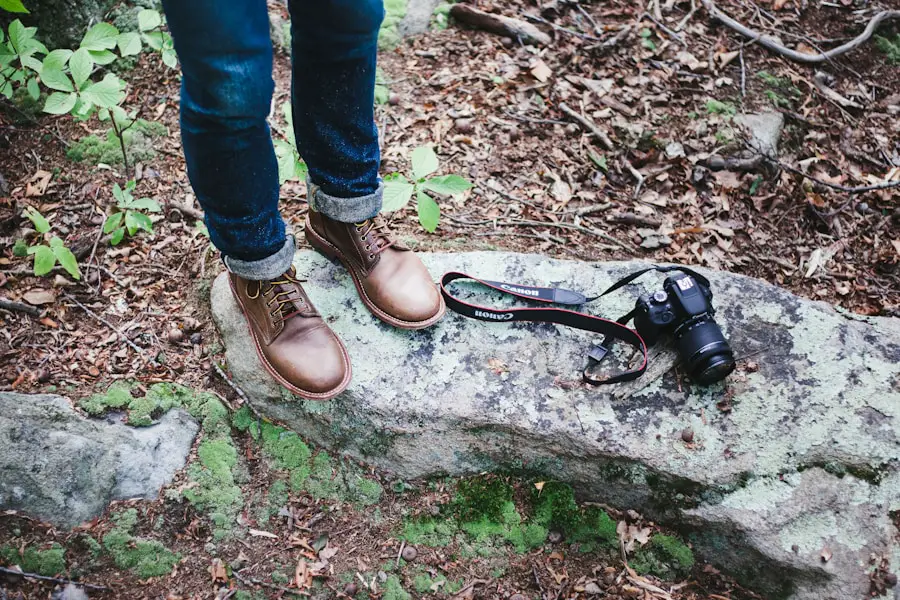
Wear your normal hiking socks and lace the boots as you would on the trail. Your heel should remain controlled without painful compression. Your toes should have room to move and should not hit the front of the boot when you walk downhill.
2. Check for Hot Spots
Walk for more than a few minutes. Pay attention to rubbing at the heel, little toe, ankle bones, and top of the foot. A problem that is noticeable indoors is unlikely to improve after miles of climbing and descending.
3. Inspect the Outsole
Look for usable tread depth and a pattern appropriate to your route. Replace or avoid boots with hardened, cracked, separating, or severely worn soles.
4. Evaluate the Midsole and Footbed
Make sure the boot gives you enough underfoot cushioning and protection for the surfaces you plan to hike. An aftermarket footbed may improve comfort in some boots, but it cannot correct a fundamentally wrong size or shape.
5. Choose a Water Strategy
Decide whether your conditions call for waterproof protection or faster drainage and drying. A waterproof membrane can help keep outside moisture away in wet, cool conditions, while a breathable non-waterproof boot may be more comfortable in heat.
6. Break Them In Gradually
Do not take a stiff new pair straight onto a long backcountry route. Wear them for short walks first, then increase distance and terrain difficulty while watching for rubbing and pressure points.
Pro Tip: Make your final test a short local hike that includes both climbing and descending. Downhill walking is especially useful for finding toe impact, heel movement, and lacing problems before you commit to an all-day trip.
7. Keep Your Feet Dry
The National Park Service recommends wool or synthetic moisture-wicking socks for longer hikes. Bring a spare pair when wet conditions or heavy sweating are likely. If your socks become soaked, changing into a dry pair can improve comfort and reduce prolonged moisture against the skin.
Alternatives to Combat Boots for Hiking
Combat boots are only one option. The best alternative depends on your terrain, distance, pack weight, pace, and weather.
Hiking Boots
Traditional hiking boots are the closest alternative. They are designed specifically around trail use and are available in everything from flexible day-hiking designs to stiff backpacking models.
Hiking Shoes
Low-cut hiking shoes can provide trail-specific tread and underfoot protection with less weight and greater flexibility than many high boots. They work well for many maintained and moderate trails.
Trail-Running Shoes
Trail runners are popular with hikers who value low weight, flexibility, and quick movement. Their tradeoff is generally less upper protection and less of the structured feel offered by a substantial boot.
Specialized Winter or Mountaineering Footwear
Snow, hard ice, steep alpine terrain, and mountaineering can require specialized boots and traction systems. An aggressive-looking combat-boot sole should not be assumed to replace equipment designed for those conditions.
Are Combat Boots Suitable for Hiking?
Combat boots can be suitable for hiking, but the answer depends much more on the individual boot than on the label.
A comfortable pair with secure fit, useful trail tread, adequate underfoot protection, and the right moisture strategy can perform well on rugged day hikes and similar terrain. Their tough construction and high coverage may be especially appealing in brush, mud, cool weather, or places where foot protection matters.
They are less attractive when weight, heat, long-distance efficiency, or flexibility are the priorities. For many recreational hikers buying footwear from scratch, a purpose-built hiking shoe or hiking boot is the simpler choice because it is designed specifically around trail movement.
Above all, do not choose combat boots because you expect the high collar to prevent ankle injuries. Choose them because the complete boot—fit, outsole, midsole, upper, weight, and weather performance—works for your feet and your route.
TakeTravelInfo also covers other types of travel equipment, including its travel scooter guide. That resource addresses mobility gear rather than hiking-footwear performance, so use trail-specific guidance when deciding what to wear on a hike.
Love travel? Join Our Facebook Community For More Tips.
Frequently Asked Questions
Are combat boots good for hiking?
They can be. A pair that fits well, has suitable trail traction, protects the foot under rocky conditions, and matches the weather can work for hiking. A heavy, poorly ventilated, worn, or badly fitting pair may be much less comfortable than purpose-built hiking footwear.
What are the benefits of using combat boots for hiking?
Potential benefits include durable uppers, high coverage around the ankle and lower leg, protection from brush and debris, and good traction when the particular boot has an appropriate lugged outsole. The exact benefits vary by model.
Are there drawbacks to using combat boots for hiking?
Yes. Traditional or heavy-duty models can be heavier, stiffer, and hotter than hiking shoes or trail runners. Some also require more break-in. A military-style outsole may not be ideal for every trail surface, so grip needs to be evaluated separately.
What should I consider when choosing combat boots for hiking?
Prioritize fit, heel security, toe clearance, tread condition, underfoot protection, weight, flexibility, breathability, and water handling. Match those features to the route, temperature, expected precipitation, hiking distance, and the load you plan to carry.
Can combat boots be used for different types of hiking?
Yes, but one pair is not ideal for every environment. A breathable hot-weather boot may suit warm trails, while a waterproof design may be more useful in cold rain or snow. Long-distance hikers may still prefer lighter hiking shoes or trail runners.
Are combat boots waterproof?
Not necessarily. Some have waterproof membranes or water-resistant leather, while others are intentionally designed to breathe, drain, and dry in hot or wet environments. Check the specifications for the exact boot instead of assuming all combat boots are waterproof.
Do combat boots prevent ankle sprains?
A high, structured collar can limit some ankle motion and provide a supportive feel, but research has not established that high-top footwear alone reliably prevents ankle sprains. Good fit, appropriate traction, careful movement, conditioning, and route choice also matter.
Sources
- National Park Service — Hike Smart — guidance on appropriate hiking footwear, terrain, socks, and trail preparation.
- National Park Service — Mount Rainier Hiking Safety — footwear, non-slip tread, wet-weather, snow, and traction guidance.
- Defense Logistics Agency — MIL-DTL-32237, Boot, Combat, Hot Weather Army — current official specification context showing that combat footwear is designed for particular operating environments.
- National Library of Medicine — The Role of Shoes in the Prevention of Ankle Sprains — evidence on high-top footwear and the limits of claims about ankle-sprain prevention.
- National Library of Medicine — Sock Composition and Foot Blisters in Hikers — research supporting the importance of controlling prolonged foot and sock moisture during hiking.

