
Last Updated on September 10, 2026 by Daniel Globe
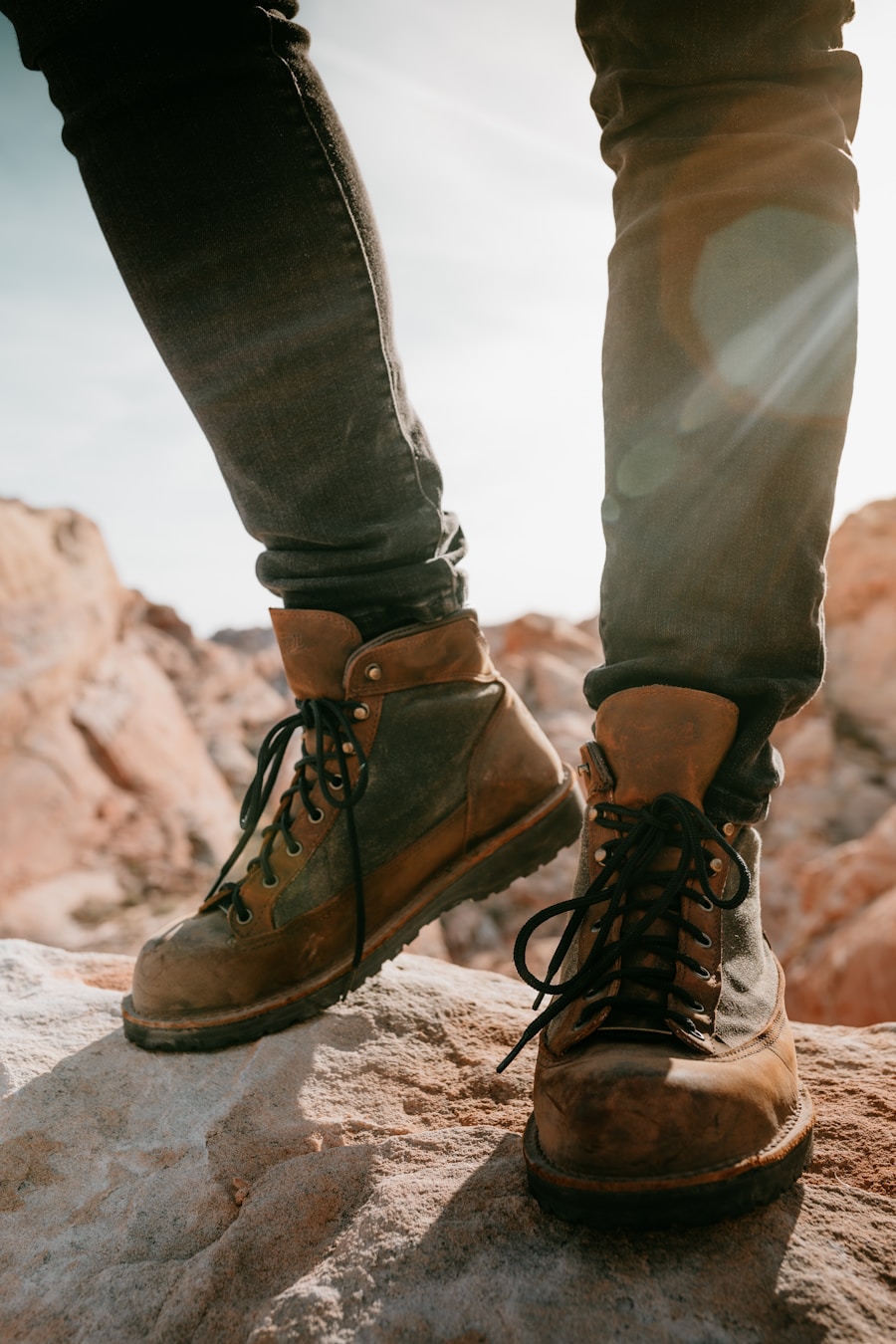
Tactical boots can work well for hiking, but they are not automatically better than dedicated hiking boots or hiking shoes. Modern tactical footwear ranges from lightweight, breathable duty boots to tall waterproof models with stiff midsoles and rugged outsoles. The best choice depends on the trail, weather, pack weight, distance and—most importantly—how the boots fit your feet.
Quick Answer
Yes, tactical boots can be good for hiking when they fit well and match the terrain. Their durable uppers, protective construction and rugged soles can suit rough trails and heavier loads. However, many tactical boots are heavier, warmer and stiffer than hiking shoes, so lightweight hiking footwear is often more comfortable for long, hot or easy trails.
Key Takeaways
- Tactical boots were developed around military, law-enforcement and duty needs, but many models have features that also work well on hiking trails.
- Waterproofing, aggressive traction, shanks, reinforced toes and breathable linings are model-specific features—not guarantees on every tactical boot.
- Terrain, weather, distance, pack weight and fit matter more than the word “tactical” on the boot.
- Taller boots can provide more ankle coverage and a supportive feel, but boot height alone does not guarantee protection from ankle sprains.
- For easy trails, hot weather or high-mileage hiking with a light pack, dedicated hiking shoes or trail footwear are often lighter and more breathable.
Disclosure: As an Amazon Associate I earn from qualifying purchases. Some links on this page are affiliate links, at no extra cost to you.
Features of Tactical Boots
Tactical boots are designed for demanding work environments, but there is no single construction shared by every model. Some resemble traditional combat boots, while others borrow heavily from hiking and athletic footwear.
For example, the Merrell Moab 3 Tactical combines a waterproof membrane, leather-and-mesh upper, molded nylon arch shank, cushioned midsole and Vibram outsole. The U.S. Army’s temperate-weather combat boot uses a moisture-resistant leather and nylon upper, waterproof-breathable membrane and slip-resistant rubber outsole. Other tactical boots may be designed specifically for hot, dry conditions and omit waterproof liners.
When assessing tactical boots for hiking, look at the actual components rather than the label:
- Upper: Full-grain leather can be durable and protective, while leather-and-textile or synthetic uppers can reduce weight and improve ventilation.
- Water protection: Some models use waterproof membranes such as GORE-TEX footwear technology. Other models rely on water-resistant materials or are intentionally non-waterproof.
- Outsole: Deep or widely spaced lugs can improve grip in dirt and mud, but tread pattern and rubber compound matter more than simply having an aggressive-looking sole.
- Shank and midsole: A nylon, composite or other structural shank can add underfoot and torsional stiffness on uneven ground.
- Boot height: Mid- and high-cut designs provide more coverage against brush, debris and abrasion around the ankle.
- Toe and heel protection: Reinforced areas can help protect the boot and your feet from rocks, roots and trail debris.
- Lacing: Secure lacing is important for holding the heel in place while still leaving enough room for the toes.
Note: “Tactical” is a use category, not a guarantee of waterproofing, ankle support, traction or comfort. Always check the specifications of the individual boot.
Tactical Boots vs. Hiking Boots
Tactical and hiking boots overlap in many areas, but they are normally designed around different priorities. Tactical footwear often balances protection, uniform requirements, mixed-surface use and long duty shifts. Hiking footwear is designed more specifically around efficient walking on trails.
| Feature | Tactical Boots | Hiking Boots / Shoes |
| Primary design goal | Duty use, protection and mixed environments | Efficient movement and comfort on trails |
| Weight | Ranges from fairly light to heavy | Very wide range; hiking shoes and trail runners can be especially light |
| Boot height | Often mid- or high-cut | Low-, mid- and high-cut options |
| Waterproofing | Available on some models | Available on many boots and some hiking shoes |
| Breathability | Varies greatly; tall waterproof models can run warm | Light hiking shoes generally offer better ventilation |
| Best fit | Rugged mixed terrain, brush, wet/cold conditions and users who value extra coverage | Most purpose-built hiking, especially long-distance walking |
REI’s current hiking-footwear guidance similarly recommends matching footwear to trail difficulty, distance, load and conditions rather than assuming that one boot style is best for every hike.
Considerations for Hiking
Terrain
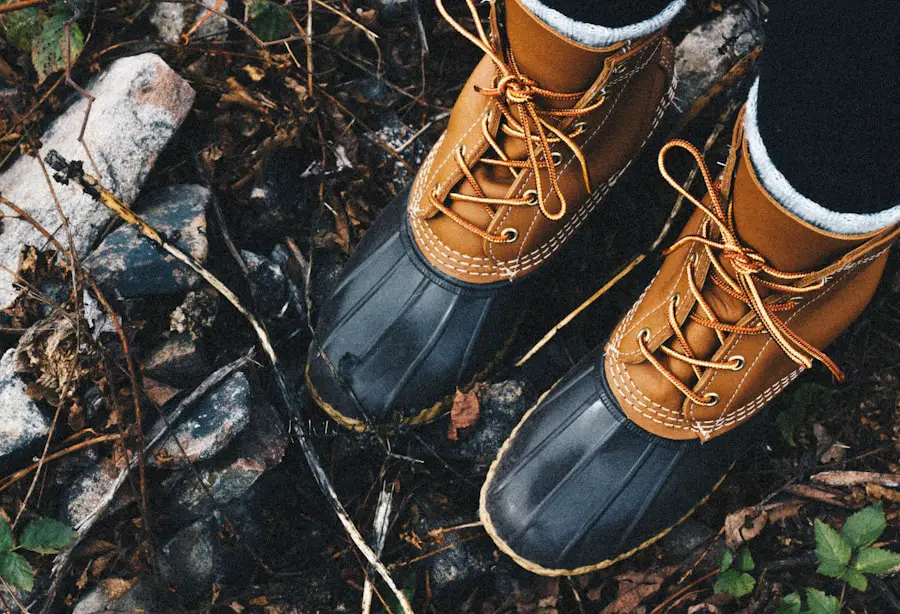
Rough, rocky, muddy or brush-filled terrain places different demands on footwear than a smooth park trail. A tactical boot with a stable midsole, protective upper and suitable lug pattern can work well where rocks, roots and debris are common.
On maintained paths, those same features may be more boot than you need. A lighter hiking shoe can provide adequate grip while reducing weight and allowing more natural movement.
The National Park Service recommends sturdy rubber-soled hiking footwear for dirt and gravel trails and stresses choosing equipment appropriate for the route.
Pack Weight
The more weight you carry, the more important secure fit and underfoot stability become. A structured tactical boot may feel useful with a heavier pack, especially if you already know that the model fits you well.
Do not assume, however, that a tall boot automatically handles heavy loads better than a purpose-built backpacking boot. Hiking boots are available with stiff midsoles, supportive collars and constructions specifically intended for multiday packs.
Weather and Breathability
Waterproof tactical boots can be useful in rain, wet vegetation, shallow mud and cold conditions. A waterproof membrane blocks outside water while allowing some water vapor to move outward.
There is still a tradeoff. Waterproof, high-cut boots commonly feel warmer than unlined hiking shoes, especially during hard climbing in summer. If you hike mostly in hot, dry weather, a ventilated non-waterproof model may be more comfortable and may dry faster after getting wet.
Weight and Distance
Boot weight becomes more noticeable as mileage increases. A highly protective tactical boot may feel excellent for a short rocky hike but unnecessarily tiring during an all-day walk on moderate terrain.
This is one reason many hikers move toward lighter hiking shoes when the terrain and pack allow it. Dedicated backpacking or hiking boots remain useful when greater structure, protection or weather resistance outweighs the weight penalty.
The best hiking boot is not the toughest-looking one. It is the footwear that fits securely and provides the right balance of grip, protection, weight and ventilation for your specific trail.
Benefits of Using Tactical Boots for Hiking
| Potential Benefit | How It Can Help on a Hike |
| 1. Durability | Abrasion-resistant uppers can handle rocks, brush and repeated rough use. |
| 2. Ankle Support and Coverage | A structured high collar can provide a supportive feel and additional protection from debris and abrasion. |
| 3. Traction | Suitable rubber compounds and lug patterns can grip dirt, rock and mud. |
| 4. Waterproofing | Waterproof models can keep outside moisture away from the foot in rain and wet vegetation. |
| 5. Comfort | Well-designed tactical models may include cushioned footbeds and shock-absorbing midsoles for long periods on foot. |
| 6. Protection | Reinforced toe, heel and upper areas can provide additional protection from trail debris. |
| 7. Stability | A structured midsole or shank can make uneven ground feel more controlled underfoot. |
Durability is one of the main reasons hikers consider tactical boots. Leather, abrasion-resistant textiles and reinforced sections can tolerate rough use that might quickly damage very light footwear.
High-cut designs also cover more of the ankle and lower leg. That can be useful in brush, loose debris and rough environments. However, this should not be confused with a guarantee against ankle sprains. Research on high-top footwear alone has not established a dependable preventive effect, so secure fit, conditioning, trail judgment and careful foot placement still matter.
Drawbacks of Using Tactical Boots for Hiking
The same construction that makes a tactical boot protective can create disadvantages on long hikes.
- Extra weight: Heavy boots require more effort to move repeatedly over many miles.
- Heat: Tall waterproof boots can trap more warmth than low-cut mesh footwear.
- Slow drying: Once water enters over the collar, a waterproof boot can take longer to dry than an unlined hiking shoe.
- Stiffness: A rigid boot may feel clumsy on easy terrain and may reduce the foot’s natural range of motion.
- Break-in: Stiff leather or heavily structured models can require gradual wear before they become comfortable.
- Overbuilding: Reinforcements useful for duty work may add weight without providing much benefit on a maintained trail.
Breathability deserves particular attention. Sweaty feet are not merely uncomfortable; prolonged moisture and friction make hot spots and blisters more likely. Moisture-wicking hiking socks and a well-ventilated boot can help.
Warning: Do not take a new pair of stiff tactical boots directly onto a long backcountry hike. Persistent heel slip, toe impact, pressure points or rubbing during short test walks usually becomes worse—not better—after several hours on the trail.
When Tactical Boots Are a Good Choice—and When They Are Not
Consider Tactical Boots When:
- You already own a comfortable pair that has performed well during long periods of walking.
- Your trail is rocky, muddy, brushy or otherwise rough.
- You value extra ankle and lower-leg coverage.
- You expect cool or wet conditions and your boots are genuinely waterproof.
- You are carrying a substantial pack and prefer a structured boot.
- Your hike is part of a mixed outdoor day involving camping, field work or other activities where durable footwear is useful.
Consider Dedicated Hiking Shoes or Boots When:
- You are covering high mileage and want to reduce footwear weight.
- You hike mainly on groomed or moderate trails.
- The weather is hot and dry.
- You value fast drying and ventilation.
- Your tactical boots feel stiff, heavy or restrictive.
- You need footwear engineered specifically for backpacking, mountaineering or another specialized trail use.
The important point is that neither category wins automatically. A lightweight modern tactical boot can feel more like a hiking boot than an old-style combat boot, while a heavy backpacking boot can be just as substantial as tactical footwear.
Tips for Choosing the Right Tactical Boots for Hiking
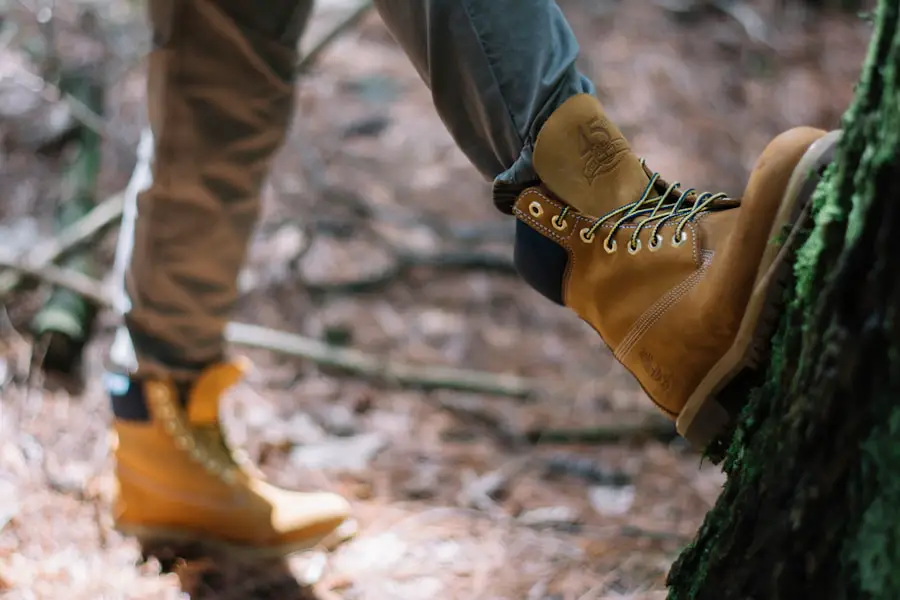
Start by choosing the boot for your actual hiking conditions rather than its appearance. If you regularly hike through wet vegetation or rain, a waterproof membrane may be worthwhile. For hot desert or summer hiking, ventilation and drying speed may matter more.
Check the Fit Carefully
Fit is more important than the label on the boot. Hiking footwear should feel secure without squeezing your feet.
- Wear the same thickness of socks you plan to use while hiking.
- Try footwear later in the day when possible because feet commonly swell during daily activity.
- Make sure your toes can move rather than being pressed together.
- Your heel should stay reasonably secure instead of repeatedly lifting and rubbing.
- Check that the widest part of your foot is not pinched.
- Walk up and down an incline or stairs to make sure your toes do not strike the front during descents.
- Pay attention to seams, zipper areas, tongue folds and hard edges that create pressure points.
REI’s current boot-fitting guidance recommends a snug-but-not-tight fit, toe room, activity-appropriate socks and trying hiking footwear toward the end of the day.
Pro Tip: Test fit on a downhill slope, not just a flat store floor. A boot that feels fine standing still can become painful if your toes repeatedly hit the front during descents.
Inspect the Sole and Midsole
Look for an outsole suited to the surfaces you hike. Deep lugs may help in soft dirt or mud, while the rubber compound and tread arrangement affect grip on rock and other hard surfaces.
A shank or structured midsole can add stability underfoot, but more stiffness is not always better. Very stiff footwear may feel tiring or awkward on easy trails. The goal is enough structure for your terrain without unnecessary bulk.
Decide Whether You Really Need Waterproofing
Waterproof boots are useful in sustained rain, cold wet trails and damp vegetation. They are less compelling when heat and ventilation are the bigger problems.
Remember that a waterproof membrane does not make the opening at the top of the boot waterproof. Water entering above the collar can become trapped inside, and the boot may then dry more slowly than non-waterproof footwear.
Break In and Test the Boots Before a Long Hike
Not every tactical boot needs a long break-in period, but every new boot should be tested before a major trip.
- Wear the boots indoors long enough to identify obvious pressure points while they are still clean.
- Take several short walks on flat ground.
- Progress to hills and uneven surfaces.
- Use the same socks and insoles planned for the hike.
- Gradually add your normal pack.
- Address hot spots, heel slip or toe pressure before increasing distance.
Stiff leather and backpacking-style constructions may soften with use, but a boot that is the wrong width, length or shape is unlikely to become a good fit simply through break-in.
Proper Care and Maintenance of Tactical Boots for Hiking
Cleaning tactical boots after muddy or dusty hikes can extend their useful life, but care should match the material. Full-grain leather, rough-out leather, nubuck, suede and textile panels should not automatically receive the same conditioner or waterproofing treatment.
After a Hike
- Remove loose dirt and mud with a soft brush.
- Clean the outsole lugs so embedded stones and mud do not hide tread damage.
- Remove the laces and removable footbeds when a deeper cleaning or drying is needed.
- Use a cleaner appropriate for the boot’s upper material and follow the boot manufacturer’s directions.
- Allow the boot to dry thoroughly before storage.
For full-grain leather, a compatible conditioner can help keep the leather from drying and cracking. Nubuck, suede and textile components may require different products. Danner’s footwear-care guidance, for example, separates cleaning and waterproofing methods by material rather than recommending one treatment for every boot.
Note: Avoid drying leather boots beside an open flame or other high-heat source. Excessive heat can damage leather, adhesives and bonded outsole components. Air-dry according to the manufacturer’s care instructions.
Inspect Before the Next Hike
Check the tread, outsole bonding, seams, laces and upper before relying on the boots in the backcountry. Replace damaged laces and investigate sole separation, deep cracks or badly worn tread before your next trip.
If a boot has a waterproof liner and begins leaking, first confirm that water is not simply entering over the collar. A damaged waterproof liner may require manufacturer warranty service or professional repair rather than another coating on the outside.
Are Tactical Boots Suitable for Hiking?
Yes. Tactical boots can be suitable hiking footwear, particularly when the terrain is rugged and you value durability, protection, secure footing and higher ankle coverage. Modern tactical models can include many of the same technologies found in hiking footwear, including cushioned midsoles, structural shanks, waterproof membranes, mesh panels and trail-capable rubber outsoles.
They are not automatically the best choice, though. A heavy, stiff tactical boot can feel unnecessarily tiring on a long maintained trail, while a lightweight hiking shoe may offer better ventilation and easier movement. Likewise, a purpose-built backpacking boot may provide a better combination of support and walking efficiency for multiday trips.
The most useful rule is simple: choose footwear for the hike rather than choosing the hike around the footwear. Compare fit, weight, outsole grip, midsole structure, water protection and ventilation before deciding.
If your outdoor trips combine hiking with fishing, footwear is only one part of the setup. You may also find this guide to the best travel fishing rod useful when putting together compact gear for hiking and fishing trips.
Frequently Asked Questions
What are tactical boots?
Tactical boots are footwear designed primarily around military, law-enforcement, security and duty applications. Depending on the model, they may emphasize durability, protection, traction, fast lacing, ankle coverage, water resistance, ventilation or long-shift comfort.
Are tactical boots good for hiking?
They can be. A well-fitting tactical boot with an appropriate outsole and midsole can perform well on rugged trails. For hot weather, smooth trails or high-mileage trips, lighter hiking footwear may be more comfortable.
What are the benefits of using tactical boots for hiking?
Depending on the model, potential benefits include durable uppers, ankle and lower-leg coverage, protective toe and heel areas, structured midsoles, rugged traction and waterproof construction.
Are tactical boots suitable for all types of hiking?
No single footwear type is ideal for every hike. Tactical boots may suit rough terrain and mixed outdoor use, while lightweight hiking shoes are often better for easy trails, hot weather and hikers who prioritize low weight and ventilation.
What should I consider when choosing tactical boots for hiking?
Consider fit, overall weight, outsole grip, midsole stiffness, toe room, heel hold, ventilation, waterproofing, trail conditions, hike length and pack weight. The individual boot’s design matters more than the tactical label.
Can you use tactical boots for long-distance hiking?
Yes, but comfort becomes increasingly important as mileage rises. Heavy or stiff tactical boots can require more effort over a long day, so test them at progressively longer distances before relying on them for a multiday or high-mileage trip.
Are waterproof tactical boots better for hiking?
They are useful in sustained wet or cold conditions, but not automatically better. Non-waterproof footwear is commonly cooler and faster drying, which can make it preferable for hot, dry trails.
Do tactical boots need to be broken in before hiking?
Stiff leather and heavily structured tactical boots may need gradual break-in, while some modern lightweight models require little. Regardless of construction, test new boots on short walks and hills before wearing them on a long hike.
Sources
- U.S. National Park Service — Hike Smart — hiking footwear, equipment and trail-safety guidance.
- U.S. Army — Army Combat Boot — official example of modern military combat-boot construction and environmental protection.
- Merrell — Moab 3 Tactical Waterproof Boot — current example of tactical footwear using a waterproof membrane, nylon shank, cushioning and trail-capable outsole.
- REI Co-op — How to Choose Hiking Boots and Shoes — current guidance on terrain, distance, pack load, breathability, fit and break-in.
- PubMed — Interventions for Preventing Ankle Ligament Injuries — evidence review addressing ankle supports and the uncertainty surrounding preventive effects of high-top shoes.
- Danner — Footwear Care — cleaning, conditioning, waterproofing and safe drying guidance for boots.

