
Last Updated on September 10, 2026 by Daniel Globe
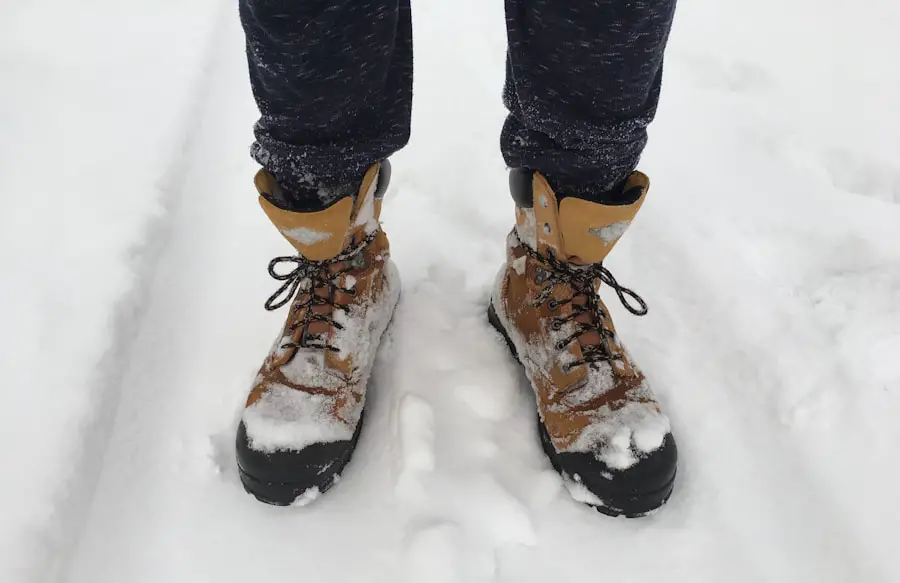
Hiking boots can work well in snow, but the right choice depends on the temperature, snow depth, trail surface, and the type of hiking you plan to do. A waterproof three-season hiking boot may be enough for a short walk through light snow, while deep snow, severe cold, or icy mountain trails call for more specialized footwear and traction.
Quick Answer
Yes, hiking boots can be good for snow when they are waterproof, warm enough for the conditions, and paired with suitable traction. Regular waterproof hiking boots may handle light snow, but colder trips often call for insulated winter hiking boots. Hard-packed snow and ice may also require over-the-shoe traction devices.
Key Takeaways
- Waterproof hiking boots can work for light or moderate snow if your feet remain warm.
- Insulated winter hiking boots are a better choice when temperatures are low or you expect prolonged snow exposure.
- Boot tread helps on snow, but hard-packed snow and ice may require detachable traction devices.
- Deep, soft snow usually calls for snowshoes; a wider hiking-boot sole does not provide enough flotation by itself.
- Proper fit, wool or synthetic socks, gaiters, and dry feet are just as important as the boot itself.
Disclosure: As an Amazon Associate I earn from qualifying purchases. Some links on this page are affiliate links, at no extra cost to you.
Insulation and Waterproofing
Keeping your feet both warm and dry is one of the main challenges of hiking in snow. Cold exposure can become more than an issue of comfort: toes are among the body parts vulnerable to frostbite in very cold conditions.
Winter hiking boots may use synthetic insulation, including products such as 3M Thinsulate insulation, to reduce heat loss without making a boot excessively bulky. Insulation is especially helpful during very cold hikes, slow-paced trips, long stops, or extended time in snow.
Do All Snow Hikes Require Insulated Boots?
No. If temperatures are moderate and you are moving steadily, a waterproof hiking boot with appropriate socks may be warm enough. People also vary considerably in how warm their feet run.
For colder conditions, however, an insulated winter hiking boot gives you a greater margin of warmth. Avoid compensating for a cold boot by stuffing it with so many socks that the fit becomes tight. A boot that compresses your toes or restricts circulation can leave your feet colder rather than warmer.
Waterproofing Matters in Snow and Slush
Snow can melt against a warm boot and turn into water. A waterproof upper or membrane therefore becomes especially useful when hiking through wet snow, slush, or repeated freeze-thaw conditions.
Technologies such as GORE-TEX footwear membranes are designed to provide waterproof protection while allowing some water vapor to escape. Breathability helps manage sweat, but no membrane can guarantee perfectly dry feet if you are sweating heavily or water enters through the top of the boot.
Pro Tip: Pair waterproof boots with gaiters when snow is deep enough to reach the boot opening. Gaiters help keep loose snow from falling inside and soaking your socks.
Traction and Grip
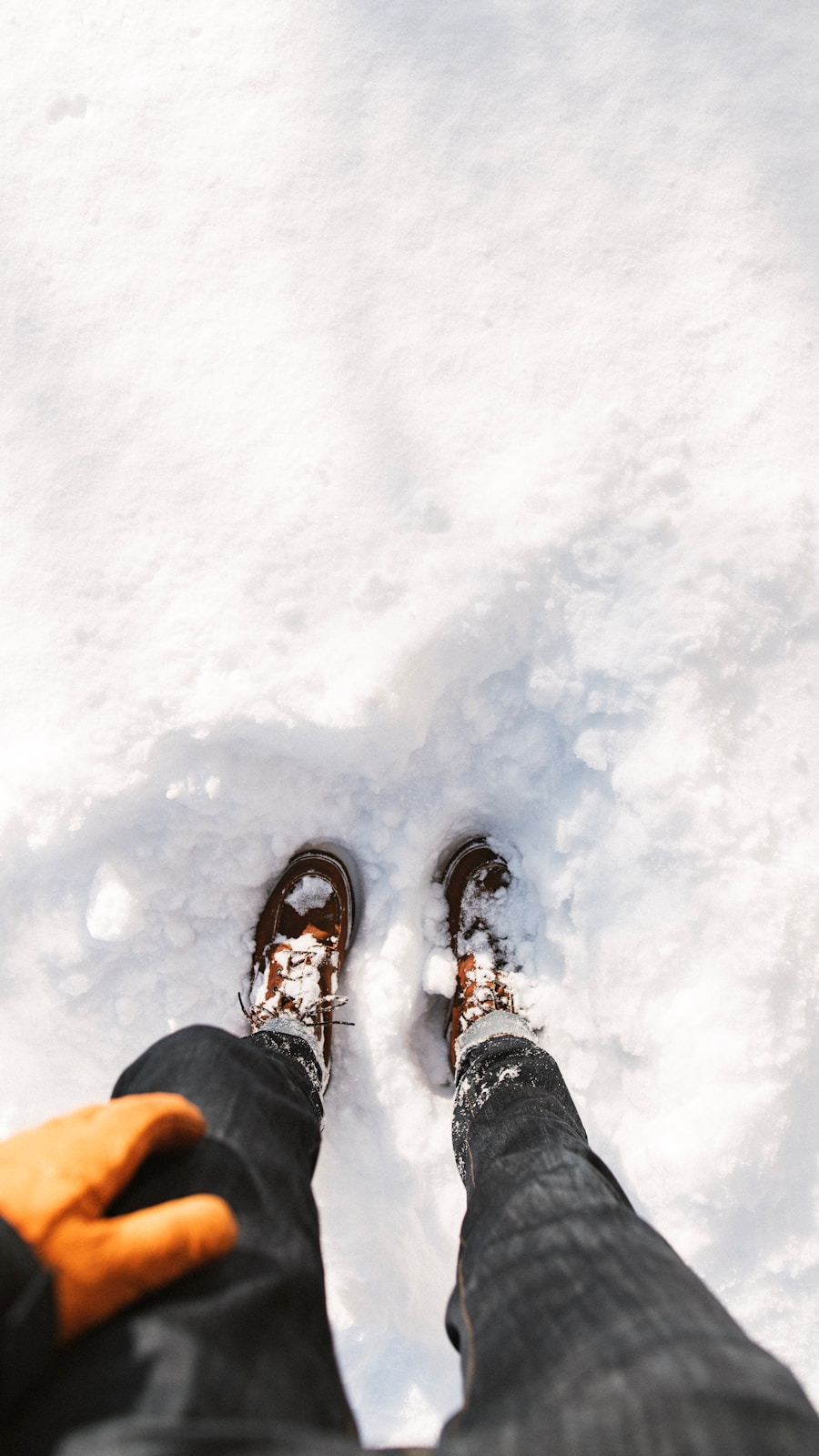
A good winter hiking outsole should have a tread pattern that can bite into snow and shed packed material rather than becoming completely clogged. Deep or multidirectional lugs can improve grip on loose snow and uneven ground.
However, boot tread has limits. Hard-packed snow and clear ice can become too slick for a rubber outsole alone. The National Park Service recommends traction devices when hiking on hard-packed snow and ice.
When Boot Tread Is Not Enough
For icy trails, lightweight over-the-shoe traction devices can provide substantially more bite than an outsole by itself. These products typically use small metal points, coils, or chains that attach over compatible hiking footwear.
Mountaineering crampons are a different category. They are intended for more demanding snow and ice travel, and the specific binding system must be compatible with the boot. Always follow the crampon manufacturer’s fitting and compatibility instructions.
Warning: Do not assume an aggressive hiking-boot tread makes an icy trail safe. Carry and use appropriate traction when conditions require it, and turn around when the terrain exceeds your equipment, experience, or comfort level.
Your boots are the foundation of a winter footwear system. On hard ice or deep snow, the traction or flotation device worn with them may matter even more than the outsole itself.
Ankle Support and Stability
Uneven ground can be harder to see after snow covers rocks, roots, holes, and trail edges. A well-fitting mid- or high-cut hiking boot can provide structure around the foot and ankle and may feel more secure on rough terrain. A taller cuff also helps keep shallow snow away from the boot opening.
Boot height alone does not guarantee protection from ankle injuries. Overall fit, outsole traction, midsole stiffness, the load you are carrying, and the terrain all affect stability.
| Snow Condition | Footwear | Extra Equipment | Main Priority |
| Light snow or slush | Waterproof hiking boots may be sufficient | Gaiters as needed | Keeping feet dry |
| Cold packed snow | Waterproof insulated hiking boots | Traction devices when slippery | Warmth and grip |
| Hard-packed snow or ice | Secure waterproof winter footwear | Appropriate over-the-shoe traction | Slip prevention |
| Deep, soft snow | Waterproof winter boots | Snowshoes and gaiters | Flotation and dryness |
| Steep or technical snow/ice | Compatible mountaineering footwear | Technical equipment appropriate to the route | Compatibility, skills, and safety |
Weight and Flexibility
Winter footwear involves a tradeoff between protection and efficiency. Heavier boots can provide more insulation, structure, and protection, but extra weight may become tiring during a long hike. Lightweight boots generally feel more agile but may offer less insulation or stiffness.
Flexibility also needs to match the activity. A moderately flexible hiking boot is comfortable for ordinary trail walking, while some snowshoe setups and technical traction systems work better with more structured footwear.
For nontechnical winter hiking, choose the lightest boot that still provides the warmth, waterproofing, fit, and support required by the expected conditions. For technical snow or ice, compatibility with the required equipment becomes more important than minimizing weight.
Durability in Snowy Conditions
Withstanding Harsh Conditions
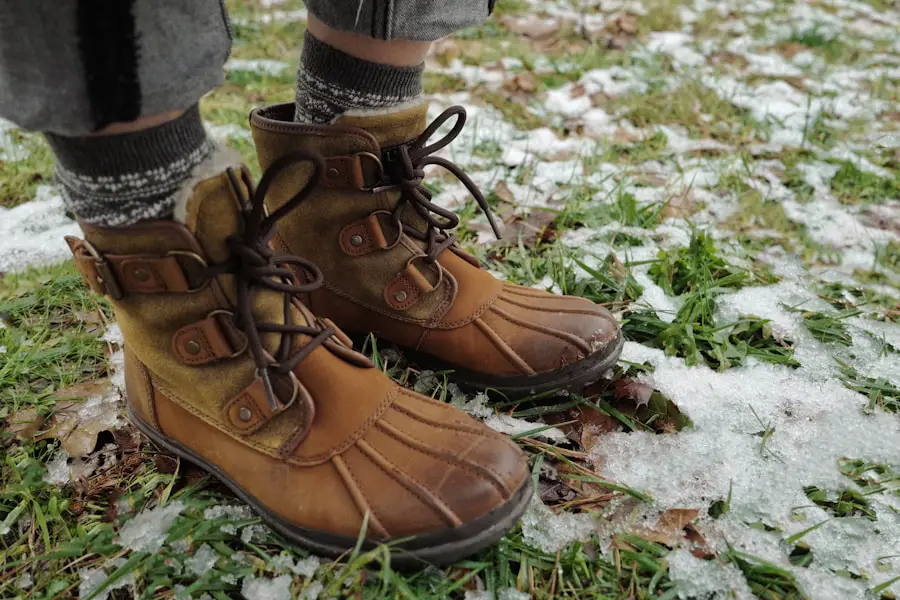
Snowy hikes expose footwear to moisture, abrasive ice crystals, mud, road salt near developed areas, and repeated wet-dry cycles. Durable leather or synthetic uppers, a well-bonded outsole, and reinforced high-wear areas can help a boot withstand regular winter use.
Waterproof construction is particularly useful when snow repeatedly melts against the upper. Even waterproof boots still need care because the exterior water-repellent treatment can wear down over time.
Protecting Against Impacts
Reinforced toe and heel areas can protect the boot and your feet when you hit rocks, roots, or hard snow that is difficult to see beneath the surface.
Inspect the outsole, seams, upper, laces, and waterproof areas before winter trips. A sole beginning to separate or an upper with significant damage is a bigger concern in freezing, wet conditions than it may be on a mild-weather walk.
Long-Term Cost Savings
Durable footwear can cost more initially, but regular maintenance can extend its useful life. After snowy hikes, remove dirt and salt, allow the boots to dry thoroughly, and restore the exterior water-repellent treatment when recommended by the manufacturer.
For GORE-TEX footwear, the manufacturer recommends cleaning with a brush or cloth and lukewarm water, drying at moderate temperatures, and avoiding direct heat. Follow the boot manufacturer’s instructions for leather treatment and other material-specific care.
Note: Do not dry wet hiking boots beside a fire, radiator, or other intense heat source unless the manufacturer specifically permits it. Excessive heat can damage footwear materials and adhesives.
Considerations for Different Types of Snow
Snow conditions can change what you need from your footwear. Fresh powder, packed snow, slush, and hard ice create very different problems.
Light Snow and Slush
For shallow snow on a maintained trail, a waterproof hiking boot may be all you need if temperatures are moderate and your feet stay warm. Gaiters become useful when snow begins reaching the boot opening.
Packed Snow and Ice
Packed snow can become polished and slippery, particularly on popular trails. Aggressive tread helps, but detachable traction devices provide additional grip when the trail becomes icy.
The National Park Service advises carrying traction devices for winter hiking because even a short icy section can create a serious fall hazard.
Deep, Soft Snow
Deep snow creates a flotation problem rather than simply a traction problem. A wider boot sole does not provide enough surface area to stop significant postholing.
When snow is soft and deep, NPS guidance recommends snowshoes. Snowshoes spread your weight across a much larger area and make travel through deep snow more efficient.
Steep or Technical Snow and Ice
Steep frozen slopes, glacier travel, and mountaineering routes go beyond normal winter hiking. These conditions may require mountaineering boots, crampons, an ice axe, avalanche equipment, route-specific skills, and appropriate training.
Do not treat a normal hiking boot plus a traction accessory as a substitute for technical mountaineering equipment when the terrain demands more.
Fit, Socks, and Gaiters Matter
A winter boot should hold your heel securely without crushing your toes. Try the boots with the same type of socks you plan to wear outdoors and leave enough room to wiggle your toes.
For cold-weather hiking, wool or synthetic socks are generally better choices than cotton because they handle moisture more effectively. The National Park Service winter-hiking guidance also recommends waterproof boots and gaiters.
Gaiters cover the gap between your pants and boots. They are particularly useful in powder because they help prevent snow from falling into the top of the boot, melting, and soaking your socks.
Pro Tip: Bring a dry spare pair of socks on longer winter hikes. If your socks become soaked by sweat or snow, changing them can help keep your feet warmer and more comfortable.
Regular Hiking Boots vs. Winter Hiking Boots
Regular hiking boots and winter hiking boots overlap, but they are not identical.
- Regular waterproof hiking boots: Good for light snow, mixed shoulder-season conditions, and relatively mild temperatures when you are moving continuously.
- Insulated winter hiking boots: Better for sustained cold, deeper snow, slower travel, or people whose feet become cold easily.
- Mountaineering boots: Designed for more demanding snow, ice, altitude, and technical equipment. They are generally stiffer than ordinary hiking boots.
There is no single temperature at which every person must switch to an insulated boot. Activity level, wind, moisture, trip length, sock choice, circulation, and individual cold tolerance all matter.
Using Hiking Boots With Snowshoes and Crampons
Snowshoe Compatibility
Hiking boots can be used for snowshoeing when the snowshoe binding fits securely around the footwear. Waterproof boots are especially helpful because your feet remain close to snow throughout the trip.
Check the snowshoe manufacturer’s instructions before your trip and make sure the binding can tighten securely without creating uncomfortable pressure on your foot.
Crampon Compatibility
Technical crampons use different binding designs, and not every crampon works correctly with every hiking or mountaineering boot. Some systems are designed for boots with specific heel or toe welts, while others accommodate different footwear constructions.
Petzl’s crampon guidance emphasizes verifying compatibility between the boot, crampon, and binding system before use.
Warning: Technical crampons are not simply an upgraded version of casual ice cleats. Use equipment appropriate to the terrain and follow the manufacturer’s fitting instructions and training recommendations.
Winter Hiking Safety Goes Beyond Your Boots
Good footwear does not eliminate the other hazards of winter travel. Before leaving, check the weather forecast and current trail conditions. Snow can hide the route, daylight is shorter, and conditions can change quickly at elevation.
The National Park Service recommends carrying appropriate navigation, food, water, warm layers, a first-aid kit, traction equipment, and other winter essentials. In avalanche terrain, check the applicable avalanche forecast and do not enter terrain for which you lack the required training and equipment.
Cold or wet feet also deserve attention. According to the CDC’s frostbite guidance, warning signs can include numbness, unusual firmness or waxiness of the skin, and white or grayish-yellow skin. Get out of the cold and seek medical care when frostbite is suspected.
Warning: Turn around if your feet become persistently wet or numb, traction becomes inadequate, weather deteriorates, or the route becomes more technical than your skills and equipment can safely handle.
Are Hiking Boots Suitable for Snow?
Yes, the right hiking boots can be suitable for snow. For light winter conditions, a waterproof pair with suitable socks may provide everything you need. In colder weather, insulated waterproof hiking boots provide more warmth, while gaiters help stop snow from entering from above.
The biggest mistake is expecting the boot to solve every winter problem by itself. On hard-packed snow or ice, add appropriate traction. In deep soft snow, use snowshoes for flotation. On steep or technical snow and ice, use compatible mountaineering equipment and the skills required for that terrain.
By matching your footwear system to the temperature, snow depth, trail surface, and type of trip, you can stay warmer, move more confidently, and make better decisions when winter conditions change.
If you are planning other gear for your next trip, you may also be interested in our best travel razor guide.
Love travel? Join Our Facebook Community For More Tips.
Frequently Asked Questions
What are hiking boots?
Hiking boots are outdoor footwear designed to provide grip, protection, structure, and comfort on trails. Depending on the model, they may use leather, synthetic materials, waterproof membranes, cushioning, and lugged rubber outsoles. Winter-oriented hiking boots may also add insulation and a taller cuff.
Are hiking boots good for snow?
They can be. Waterproof hiking boots can work well in light snow when temperatures are moderate. For sustained cold or deeper snow, insulated winter hiking boots are usually a better choice. Icy trails may also require detachable traction, while deep soft snow may require snowshoes.
What features should hiking boots have for snow?
Useful winter features include waterproof construction, enough warmth for the expected temperature, a secure fit, a grippy outsole, and sufficient height to help keep out shallow snow. Gaiters, wool or synthetic socks, and removable traction devices can further improve winter performance.
Do I need insulated hiking boots for snow?
Not always. A waterproof non-insulated hiking boot can be adequate for light snow and moderate temperatures, especially while you are moving steadily. Insulated boots become more useful as temperatures drop, exposure gets longer, or your feet tend to become cold easily.
Do hiking boots need extra traction on ice?
Often, yes. Even a good winter outsole can slip on hard-packed snow or ice. Lightweight traction devices that attach over the boot can provide additional grip. More technical terrain may require specialized crampons and compatible mountaineering footwear.
Can hiking boots be used for snowshoeing?
Yes. Waterproof hiking or winter boots commonly work with snowshoes as long as the binding fits the footwear securely. Check the snowshoe manufacturer’s compatibility and adjustment instructions, and make sure the binding does not create excessive pressure that makes your feet uncomfortable or cold.
How should hiking boots be maintained for snow use?
Brush away dirt and debris after use, follow the manufacturer’s cleaning instructions, and let wet boots dry thoroughly at moderate temperatures rather than placing them against strong direct heat. Reapply an appropriate exterior water-repellent treatment when the material stops shedding water, following the footwear manufacturer’s directions.
Sources
- U.S. National Park Service — Winter Hiking Tips — winter footwear, gaiters, traction, preparation, weather, and trail safety.
- U.S. National Park Service — Hiking With Traction Devices — traction on hard-packed snow and ice and snowshoe use in deeper snow.
- Centers for Disease Control and Prevention — Preventing Frostbite — frostbite risks, symptoms, and response guidance.
- GORE-TEX — Waterproof Footwear — waterproof and breathable footwear technology.
- 3M — Thinsulate Insulation — synthetic insulation technology used in cold-weather products and footwear.
- Petzl — Crampon Technical Information — boot and crampon compatibility considerations.

