Last Updated on July 27, 2026 by Daniel Globe
Water shoes can work very well for hiking when the route repeatedly moves between land and water. The best hiking-capable models drain quickly, stay secure on the foot, protect the toes, and use an outsole designed for wet surfaces and trails. However, a thin beach-style aqua shoe is very different from a supportive amphibious hiking shoe, so terrain and shoe design matter more than the label “water shoe.”
Quick Answer
Yes, some water shoes are good for hiking, especially on warm-weather routes with stream crossings, beaches, mud, or frequent immersion. Choose a secure, closed-toe model with good wet traction, drainage, cushioning, and underfoot protection. For cold, rocky, steep, or long-distance hikes, hiking shoes or boots are usually the better choice.
Key Takeaways
- Water shoes are most useful on warm hikes that repeatedly cross streams, beaches, mud, or other wet terrain.
- Look for fast drainage, secure heel retention, wet-surface traction, cushioning, toe protection, and enough outsole thickness for the trail.
- Minimal aqua socks and thin beach shoes usually lack the protection and cushioning needed for rough or long hikes.
- A low shoe collar does not automatically mean a higher ankle-sprain risk, but some water shoes provide less structure and underfoot support than purpose-built hiking footwear.
- Test a new pair on a short wet-and-dry route before depending on it for a long hike.
Disclosure: As an Amazon Associate I earn from qualifying purchases. Some links on this page are affiliate links, at no extra cost to you.
When Are Water Shoes Good for Hiking?
Water shoes make the most sense when getting wet is unavoidable rather than accidental. On a warm creek hike, shoreline route, canyon approach, or trail with repeated shallow crossings, a shoe that drains after immersion can be more practical than footwear designed mainly to keep water out.
| Trail condition | How suitable are water shoes? |
| Warm creek hikes and repeated shallow crossings | Good choice when the shoe has a secure fit, toe protection, drainage, and an outsole intended for wet terrain. |
| Beach, shoreline, mud, and easy mixed trails | Usually suitable, provided the outsole also grips dirt and loose surfaces. |
| Long dry trail with occasional water | Depends on the model. A supportive amphibious hiking shoe may work; a thin water shoe may become uncomfortable. |
| Sharp talus, steep mountain terrain, heavy pack | Usually not the first choice. More protective hiking footwear generally offers better underfoot structure and durability. |
| Cold weather or prolonged cold-water exposure | Use caution. Many highly ventilated water shoes provide little insulation once wet. |
Water shoes were originally associated mainly with activities such as paddling, kayaking, boating, beaches, and wading. Modern designs now range from very thin aqua socks to closed-toe amphibious shoes intended to handle both wet surfaces and hiking trails. That range is why the individual shoe matters more than the category name.
Benefits of Water Shoes for Hiking
The main advantage is drainage. A purpose-built water shoe can use mesh uppers, drainage channels, or midsole ports that let water escape instead of remaining trapped inside the shoe. Columbia, for example, describes its Drainmaker IV as using an open-mesh upper and drainable midsole ports, while Salomon’s current Techamphibian 5 combines quick-drying materials with an anti-debris mesh upper.
That design can be useful on a route where repeated immersion would defeat a conventional waterproof membrane. Waterproof footwear is designed primarily to stop outside water from reaching the foot. Drainage footwear assumes the shoe will get wet and is designed to release that water afterward. Neither approach is automatically better; they solve different problems.
Water shoes are also often lighter and more ventilated than traditional hiking boots. In hot conditions, that can make them comfortable for shoreline walks, creek routes, and short mixed-terrain hikes.
Traction can also be excellent when the outsole is made for the intended surface. Some water shoes use siping and flatter rubber contact areas for wet rock, while hiking-oriented amphibious shoes may combine wet-surface rubber with more pronounced tread for dirt and mud.
The best water shoe for hiking is not simply the one that drains fastest. It also needs to stay on your foot, protect it, and grip the terrain after you leave the water.
Drawbacks of Water Shoes for Hiking
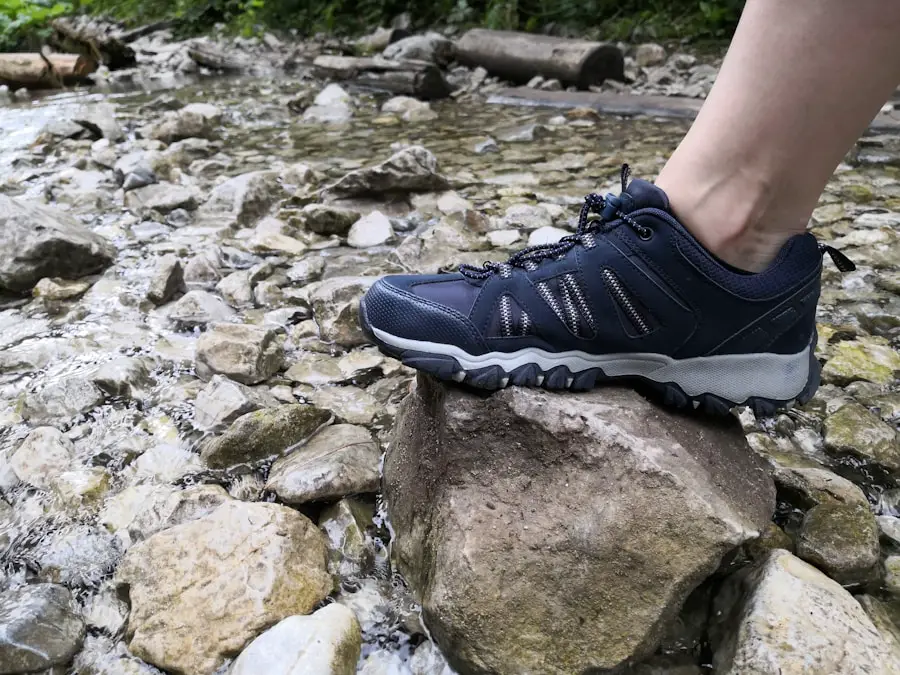
Water shoes vary greatly in structure. A minimal beach shoe may have a thin, flexible sole with little cushioning or protection from sharp rocks. That can become uncomfortable on long stretches of gravel, roots, talus, or hard-packed trail.
Many water shoes are also low cut. This can provide freedom of movement, but it should not be assumed that shoe collar height alone determines ankle-sprain risk. Research on high-top footwear has not established a consistent clinical injury-prevention benefit. Hikers with a history of ankle instability should base their footwear choice on individual fit, terrain, rehabilitation advice, and any brace or support recommended by a qualified clinician rather than relying only on boot height.
Cold conditions are another limitation. Highly ventilated mesh and drainage openings allow water and air to move freely, which is useful in summer but provides little insulation when temperatures fall. The CDC notes that keeping feet wet for long periods can contribute to immersion foot, so hikers should take prolonged wet exposure seriously in cool conditions.
Open construction can also allow sand, grit, and small stones inside. Debris rubbing between the foot and shoe can quickly become irritating. For trail use, look for a design that limits debris entry or can be emptied easily.
Note: “Water shoe” is a broad category. A thin neoprene beach shoe, an open hiking sandal, and a reinforced amphibious hiking shoe can perform very differently on the same trail.
Considerations for Choosing Water Shoes for Hiking
| Consideration | What to look for |
| Material | Quick-drying mesh, synthetic fabric, or suitable neoprene. For hiking, favor materials that resist abrasion and do not hold excessive water. |
| Traction | A rubber outsole intended for wet surfaces. For dirt and mud, also look for enough tread depth to bite into softer terrain. |
| Support and cushioning | Enough midsole cushioning and underfoot structure for the distance, terrain, pack weight, and your personal comfort needs. |
| Protection | A closed or reinforced toe and enough outsole thickness to protect against rocks, sticks, shells, and submerged debris. |
| Fit | A secure heel and midfoot without painful pressure. Toes should have enough room to move without sliding forward on descents. |
| Drainage | Open mesh, drainage ports, or other channels that let water leave the shoe after immersion. |
| Debris control | A close-fitting collar or anti-debris mesh can reduce the amount of sand and gravel that enters during hiking. |
Get the Fit Right
A water shoe should remain secure when it is wet. A loose heel or sloppy midfoot can become more noticeable in moving water or on steep ground. Try the shoes with the socks you plan to wear and walk both uphill and downhill before relying on them outdoors.
Your toes should not hit the front on descents, but the shoe should not be so loose that the foot slides inside it. Adjustable heel straps, laces, or bungee systems can help fine-tune retention.
Match the Outsole to the Trail
Wet-rock traction and trail traction are not exactly the same problem. A shoe optimized for a boat deck may use a broad, relatively flat outsole that maximizes rubber contact. A shoe expected to handle mud and loose dirt needs tread that can dig into the ground.
No tread pattern makes algae-covered rock or a moving-water crossing “non-slip.” Slow down and test each step rather than assuming the outsole will hold.
Do Not Ignore Toe and Underfoot Protection
A flexible sole can feel comfortable at the beach but painful on sharp rock. For hiking, especially around riverbeds, look for enough outsole and midsole material to isolate the foot from stones. A closed or reinforced toe is also preferable when submerged rocks, branches, or other debris are possible.
Pro Tip: Before a long hike, wear the shoes for a short route that includes both dry trail and shallow water. Check for heel rubbing, trapped gravel, toe pressure on descents, and whether the outsole still feels secure once wet.
Tips for Hiking with Water Shoes
Water shoes require a slightly different approach from conventional hiking footwear. Start by matching them to the route rather than wearing them simply because water appears somewhere on the map. An easy warm-weather trail with repeated crossings is very different from a steep mountain hike with one cold creek near the end.
Warning: Water shoes do not make a dangerous stream safe to cross. The National Park Service advises hikers to protect their feet, avoid barefoot crossings, assess water conditions carefully, and be willing to turn back or wait if a crossing appears unsafe.
Choose Socks for the Conditions
Going sockless can work for some people and some shoes, but it also puts skin directly against seams, grit, and the footbed. Lightweight synthetic or wool socks can reduce direct rubbing and may feel more comfortable over longer distances.
Those socks will still become wet if the shoe is submerged. On a cool or multi-hour hike, carry a dry pair in a waterproof bag so you can change after the last crossing. Avoid depending on cotton socks for warmth when wet.
Manage Sand and Gravel Early
If you feel grit under your heel or forefoot, stop and remove it before it creates a hot spot. Drainage openings that release water can also admit small debris, so inspect the shoe periodically on sandy or gravelly routes.
Let Feet Recover After Prolonged Wet Hiking
After the wet portion of the route, drain the shoes, remove debris, and give your feet a chance to dry when conditions allow. Prolonged wet exposure can soften skin and increase discomfort. In cold conditions, keeping feet warm and changing into dry socks becomes more important.
Clean the Shoes After the Hike
Rinse away mud, sand, and salt with fresh water when appropriate, then let the shoes dry according to the manufacturer’s instructions. Avoid assuming that every water shoe can be machine washed or exposed to high heat. For example, KEEN specifically lists machine washing on a gentle cycle and air drying for the Newport H2, while care instructions vary among other brands.
Alternative Footwear Options for Hiking
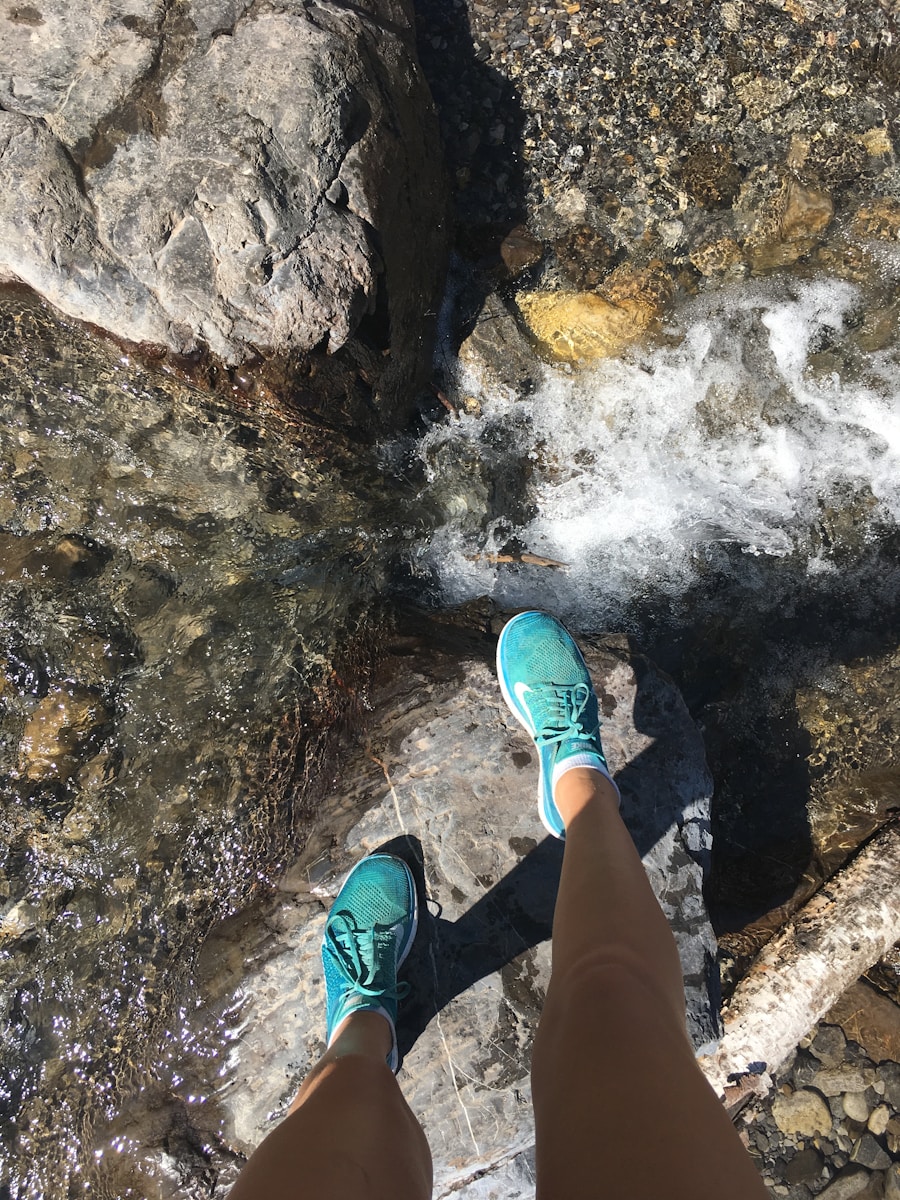
Water shoes are only one option for wet hikes. Depending on the distance, terrain, temperature, and number of crossings, another footwear type may be more comfortable.
| Footwear | Best use | Main trade-off |
| Water shoe | Repeated immersion, creek hikes, warm wet terrain | Protection and cushioning vary greatly by model. |
| Trail-running shoe | Long dry-to-damp trails where low weight and trail grip matter | Not every model drains well after full immersion. |
| Hiking sandal | Warm weather, easy trails, water-friendly travel | Open designs expose more of the foot to rocks and submerged debris. |
| Hiking shoe or boot | Rocky terrain, colder conditions, longer mileage, heavier loads | Waterproof versions can drain slowly if water gets inside from above. |
Traditional hiking boots generally provide more structure, cushioning, and protection than minimalist water shoes. Waterproof boots can be useful when the goal is to keep shallow rain or puddles out, but they are not designed to drain rapidly after deep immersion.
Trail-running shoes are popular with hikers who prefer lighter footwear and strong trail traction. Non-waterproof versions often release moisture more readily than waterproof boots, although drainage performance varies by model.
Outdoor sandals offer excellent ventilation in warm weather. However, the National Park Service cautions that open-toed sandals do not protect toes from submerged hazards during stream crossings. A closed-toe water shoe is therefore the more protective option when hidden rocks, logs, or debris are possible.
Popular Water Shoes for Hiking: Current and Legacy Examples
The original article highlighted several well-known amphibious designs. They remain useful examples of the features hikers should compare, but their current retail status is not identical.
Merrell All Out Blaze Sieve
The Merrell All Out Blaze Sieve is an older hybrid water-shoe/sandal design that became popular because it combined an enclosed upper structure with large drainage openings and a trail-oriented outsole. It illustrates the type of shoe that can move between water and easy trail, but shoppers should verify current availability and model specifications because it is no longer appropriate to assume that this older design is part of Merrell’s current U.S. lineup.
KEEN Newport H2
The KEEN Newport H2 remains a current option. KEEN lists a protective rubber toe bumper, quick-dry lining, foam cushioning, a secure bungee closure, and a rubber outsole with multidirectional lugs and siping for wet traction. It offers substantially more toe protection than a conventional open-toed sandal, although its sandal-style openings can still admit sand and small debris.
Columbia Drainmaker IV
The Columbia Drainmaker IV uses an open-mesh and synthetic upper, drainable midsole ports, Techlite cushioning, and an Omni-Grip rubber outsole with wet-grip siping. Columbia’s men’s product page currently shows the Drainmaker IV as out of stock, while the brand’s broader Drainmaker line includes newer ATV and XTR models. That makes the IV useful as a design reference, but not necessarily the easiest current version to buy.
Salomon Techamphibian 5
A more current hiking-focused example is the Salomon Techamphibian 5. Salomon lists it for full-day hikes and summer adventures and equips it with quick-drying materials, anti-debris mesh, a reinforced toe cap, cushioning, an adjustable heel strap, and a Water Contagrip outsole designed for wet or smooth surfaces. It demonstrates how modern amphibious footwear can sit closer to a hiking shoe than a simple beach water shoe.
Are Water Shoes Suitable for Hiking?
Yes, water shoes can be suitable for hiking when the shoe matches the terrain. They are particularly practical for warm routes involving repeated stream crossings, shoreline walking, shallow wading, muddy trail, or other situations where keeping footwear completely dry is unrealistic.
They are less compelling when the route is mostly dry, very rocky, cold, steep, or long enough that cushioning and underfoot protection become more important than drainage. A heavy backpack can also make a thin flexible shoe feel less comfortable because each step places more demand on the feet.
The safest approach is to judge the individual shoe by its fit, outsole, toe protection, cushioning, drainage, debris control, and intended use. Do not assume that every water shoe is a hiking shoe, and do not assume that wearing water shoes makes a moving-water crossing safe.
If you are considering water shoes for hiking as part of a warm, wet-weather trip, destination conditions matter as much as footwear. For example, this guide to the best time to travel to Costa Rica can help you understand how seasonal conditions may affect an outdoor itinerary.
Frequently Asked Questions
What are water shoes?
Water shoes are footwear designed to perform while wet. Depending on the model, they may use quick-drying mesh or synthetic uppers, drainage openings, secure closures, protective toe areas, and rubber outsoles intended for wet surfaces. Designs range from very thin beach shoes to supportive amphibious hiking shoes.
Are water shoes good for hiking?
Some are. Hiking-capable water shoes can work well on warm trails with repeated stream crossings, beaches, mud, and shallow water. Thin aqua socks or beach shoes usually provide too little cushioning, traction, or protection for rough and long-distance hiking.
What are the benefits of wearing water shoes for hiking?
Useful benefits can include fast drainage, quick-drying materials, ventilation, wet-surface traction, and protection from submerged rocks or debris. The exact benefits depend on the design; closed-toe amphibious hiking shoes generally provide more trail protection than minimalist water shoes.
Can water shoes be used for regular hiking?
Yes, if the individual shoe has enough cushioning, protection, fit security, and trail traction for the route. For steep mountain terrain, sharp rock, colder conditions, heavy packs, or long dry hikes, purpose-built hiking shoes or boots are often more suitable.
What should I look for in water shoes for hiking?
Prioritize a secure fit, fast drainage, wet-surface traction, enough tread for the trail, cushioning, toe protection, durable materials, and a design that limits debris entry. The shoe should remain secure after it becomes wet and should not allow your heel to lift excessively.
Should I wear socks with water shoes while hiking?
It depends on the shoe and conditions. Synthetic or wool socks can reduce direct rubbing and may improve comfort, but they will still become wet during immersion. On longer or cooler hikes, carry a dry pair in a waterproof bag so you can change after the final crossing.
Are water shoes safe for river and stream crossings?
Closed-toe water shoes can provide useful traction and foot protection, but footwear cannot make dangerous moving water safe. Assess the depth, speed, temperature, footing, weather, and possible downstream hazards. Never cross barefoot, and turn back or wait when the crossing appears unsafe.
Sources
- U.S. National Park Service — Stream Crossing Safety — supports guidance on protecting feet, avoiding barefoot crossings, socks, and turning back when water is unsafe.
- Centers for Disease Control and Prevention — Preventing Trench Foot or Immersion Foot — supports guidance on prolonged wet-foot exposure.
- PubMed — The Role of Shoes in the Prevention of Ankle Sprains — supports the qualification that clinical evidence for high-top shoes preventing ankle sprains is inconclusive.
- KEEN — Newport H2 — manufacturer specifications for toe protection, quick-dry materials, cushioning, and wet-surface traction.
- Columbia Sportswear — Drainmaker IV — manufacturer specifications for mesh construction, drainage, cushioning, and outsole design.
- Salomon — Techamphibian 5 — manufacturer specifications for a current water-to-trail shoe designed for hiking, drainage, debris control, toe protection, and wet traction.