
Last Updated on September 10, 2026 by Daniel Globe
You can save real battery life on your electric scooter by riding smoothly, holding a steady 60%–70% of top speed, and avoiding hard acceleration, frequent stop-and-go, steep hills, and extra weight. Keep tires at the manufacturer’s recommended PSI, since underinflated tires make the motor work harder. Charge only with the manufacturer’s charger, stay between 20% and 80% when you can, and store the pack around 50% in a cool, dry place. Watch for sudden range drops or a swollen case — early warning signs matter more than any single habit.
Quick Answer
To extend your electric scooter’s battery life: ride at a steady 60–70% of top speed, keep tires properly inflated, use the manufacturer’s charger and stay within a 20–80% charge range, store the battery at about 50% in a cool place, and check for range drops or swelling that signal early battery wear.
Key Takeaways
- Smooth, steady riding at 60–70% of top speed cuts battery strain compared to hard acceleration and constant stop-and-go.
- Charging between 20% and 80% and storing at roughly 50% keeps lithium-ion cells under the least stress.
- Underinflated tires raise rolling resistance and make the motor draw more power for the same distance.
- Always use the manufacturer’s charger — mismatched or damaged chargers are a leading cause of lithium-ion battery fires.
- Most electric scooter batteries are rated for roughly 300–500 full charge cycles, or about 2–4 years of typical use.
At a Glance
| Time Required | About 5 minutes a week for checks; habits apply on every ride |
| Difficulty | Easy — no tools or technical skill needed |
| Tools Needed | Tire pressure gauge, portable pump, manufacturer-supplied charger |
| Cost | Free to about $20 for a gauge and pump |
Disclosure: As an Amazon Associate I earn from qualifying purchases. Some links on this page are affiliate links, at no extra cost to you.
What Drains an Electric Scooter Battery Fast?
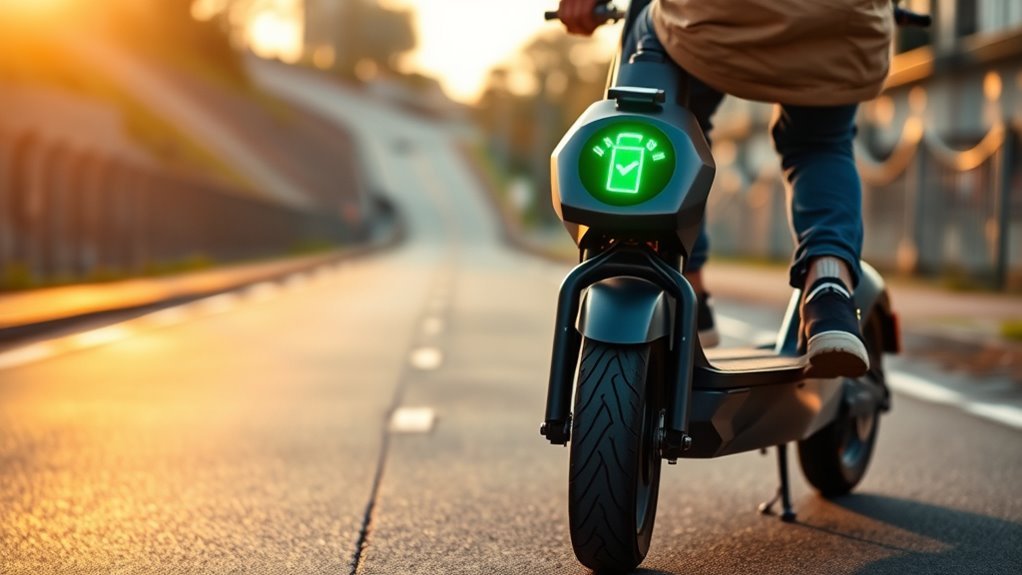
Several common habits and conditions drain an electric scooter battery faster than expected. Hard acceleration and aggressive riding make the motor pull noticeably more current than a steady, gradual pace. Carrying extra weight adds load on the motor, so charge drops sooner and range shrinks. Temperature matters too — riding in heat above roughly 35°C (95°F) or cold below 0°C (32°F) reduces battery performance and speeds up energy loss. In dense city riding, frequent stops and starts waste power because each restart demands a fresh burst of acceleration. High-power accessories, like added headlights or electronics, also cut into your riding distance.
Understanding what’s pulling energy first lets you apply the right fix. Once you know the load, the environment, and the electrical draw at play, you can ride smarter and keep more charge in reserve for the trip home.
How to Make Your Scooter Battery Last Longer
Keep the charge level between 20% and 80% instead of routinely draining it completely — deep discharges add stress that reduces capacity over time. When you won’t ride for a while, store the pack at about 50% charge in a cool, dry place, ideally 20°C to 25°C, so the battery chemistry stays stable. Keep the battery away from extreme heat, which can cause permanent capacity loss, and avoid prolonged cold exposure, which temporarily cuts performance and range. Check tire pressure regularly and match the manufacturer’s PSI so the motor doesn’t have to fight rolling resistance. If your scooter has an eco mode, use it to limit acceleration and power draw. None of these steps is complicated on its own — together they’re what separates a battery that’s still solid at year three from one that needs replacing at year one.
Ride at Steady Speeds
Holding your speed around 60% to 70% of your scooter’s maximum reduces battery strain and improves range compared with chasing top speed. Rapid acceleration pulls hard from the battery, so roll on the throttle gradually and let the motor work within a stable load — that steadier demand cuts waste and helps you travel farther on the same charge.
Plan routes that favor level ground and fewer stop-start sections, since constant changes in pace raise energy use. Cruising at one practical speed instead of chasing the top end keeps the battery running cooler and leaves more range in reserve.
Use Eco Mode and Regenerative Braking
Eco Mode is one of the easiest ways to stretch your scooter’s range, since it limits top speed and softens acceleration, cutting energy use on flat routes in particular. It also reduces stress on the battery, which helps preserve capacity over the long run.
- Turn on Eco Mode for relaxed trips and stop-and-go routes.
- Anticipate stops early so you can use regenerative braking more effectively.
- Apply gradual pressure instead of grabbing the lever hard; smooth braking lets the motor recover more kinetic energy.
Pro Tip: Regenerative braking works best on gradual, anticipated stops. Slamming the brake at the last second skips the regen window entirely and just wastes the charge you were trying to save.
Keep Your Tires Properly Inflated
Check your tire pressure at least once a week, since underinflated tires raise rolling resistance and cut battery range. Inflate them to the manufacturer’s recommended PSI before you ride — proper pressure helps your scooter roll more efficiently and reduces battery strain.
Check Tire Pressure Weekly
Keeping your tires at the manufacturer’s recommended PSI is one of the simplest ways to cut wasted energy on an electric scooter. Weekly checks keep rolling resistance low, so the motor doesn’t fight drag it doesn’t need to. That means better range, steadier handling, and more control on rough pavement. Weekly checks also help you catch a slow leak before it turns into instability mid-ride.
- Use a gauge, not guesswork.
- Record tire pressure after each check.
- Carry a portable pump for fast adjustments.
Inflate To Recommended PSI
Inflate your scooter tires to the manufacturer’s recommended PSI to minimize rolling resistance and preserve battery range on every ride. Under-inflated tires make the motor work harder for the same distance, so don’t let soft tires quietly shorten your range. Correct inflation also improves handling and stability, giving you a safer, more controlled ride with less strain on the battery. Use a portable pump for quick top-offs, and treat this as routine maintenance rather than an occasional fix.
Reduce Rolling Resistance
Even small pressure drops can make your scooter’s motor work harder, since underinflated tires increase rolling resistance and cut into battery efficiency. Check PSI weekly and match the manufacturer’s spec.
- Inspect both tires before each ride for slow leaks or visible damage.
- Use a portable pump to restore pressure quickly when you’re away from home.
- Choose quality e-scooter tires — their construction can lower rolling resistance and improve battery life.
Properly inflated tires also sharpen handling and smooth out the ride. Keep pressure in range and you’ll save energy, protect your battery, and ride farther with less effort.
Charge Your Scooter Battery the Right Way
Use the manufacturer’s charger, or a verified compatible one, so the battery stays within its correct voltage range. Charge between 20% and 80% whenever you can, since deep discharges and full cycles add stress that shortens lifespan. Don’t overcharge or charge a hot battery — let it cool for about 30 minutes after riding, and unplug around 80–90%.
Warning: The U.S. Consumer Product Safety Commission has linked lithium-ion battery fires to unapproved chargers and overnight charging, often occurring while people are asleep. Only use the charger that came with your scooter or one the manufacturer specifically approves, and never charge unattended overnight.
Use The Right Charger
Your scooter’s charger has a direct impact on battery health, so always use the manufacturer’s charger or a compatible aftermarket option with the correct voltage and current rating. A mismatched charger keeps current unstable and stresses the cells over time.
- Inspect the plug, cable, and housing before every charge.
- Let the battery cool about 30 minutes after riding.
- Unplug at 80–90% and avoid overnight charging.
A damaged charger can undercharge, overheat, or drift out of spec, reducing both range and lifespan. Use a clean outlet, seat connectors firmly, and replace worn gear promptly.
Charge Between 20–80
Charging between 20% and 80% keeps lithium-ion cells under the least stress, which helps preserve capacity and extend battery life. Keep your scooter out of deep discharges — dropping below 20% regularly can wear the pack down faster over time. Favor short, frequent top-ups over long full-drain sessions, and unplug once the indicator reaches about 80–90% rather than pushing to 100% every time. Check the charger regularly for frayed cables, bent pins, or heat damage, since faulty hardware undermines performance long before the battery itself does.
Avoid Overcharging Heat
Overcharging and heat are two of the fastest ways to wear out a scooter battery, so unplug the charger once it reaches about 80–90% to avoid unnecessary thermal stress.
- Charge at 15°C–25°C to stabilize chemistry and limit heat buildup.
- Use the manufacturer-approved charger; third-party units can misread voltage and overheat cells.
- Check battery temperature while charging — if it climbs fast or feels hot, stop and inspect the pack.
Skip overnight charging; prolonged heat exposure can permanently damage lithium-ion cells. Managing charge timing and temperature protects both range and long-term battery life.
Charging and Riding Safely: What to Know About Fire Risk
Battery care isn’t only about range — it’s also about basic safety. Look for a scooter certified to UL 2272, the system-level standard covering the battery pack, charger, and wiring of personal e-mobility devices as a unit rather than as separate parts. If you’re buying a replacement battery, only use one tested and approved to work with your specific scooter — never a modified, reworked, or repurposed pack. Charge on a hard, non-flammable surface away from exits and combustible material, and never leave a charging scooter unattended overnight. When a lithium battery reaches the end of its life, take it to a battery recycler or hazardous waste collection center rather than the trash.
Note: Riding through heavy rain or deep puddles can force water into battery and connector seals not rated for full submersion. Check your scooter’s IP rating and dry it off before charging if it’s been ridden in wet conditions.
Store Your Scooter Battery Safely
When storing your electric scooter for an extended period, keep the battery at about 50% charge to preserve its health and reduce long-term degradation. Manufacturer storage guidance consistently points to a moderate charge level and a stable, moderate temperature.
| Check | Target | Why |
|---|---|---|
| Charge level | 50% | Limits stress |
| Storage temp | 20–25°C | Prevents damage |
| Environment | Cool, dry, shaded | Blocks humidity |
Store the pack in a stable, indoor spot, away from direct sunlight and damp air. If your scooter uses detachable accessories, remove them so they can’t drain power or get damaged. During storage, check the charge monthly and top it up if it falls below 40%; this avoids deep discharge and keeps the battery responsive. Don’t freeze it, overheat it, or leave it powered up and forgotten in a hot garage or shed.
Spot Battery Problems Early
Even with good storage habits, a scooter battery can still develop issues, so monitor its condition regularly to catch problems early. Track your range after each ride — a sudden drop can signal wear or internal damage worth addressing before it strands you mid-trip.
- Inspect the pack for swelling, overheating, or leaks. These signs can precede failure, so stop using the scooter immediately if you notice them.
- Test self-discharge every few months. A large charge loss while idle usually means declining cell health.
- Check terminals for corrosion and keep a rough count of charging cycles. Most electric scooter lithium-ion batteries are rated for roughly 300–500 full charge cycles, or about 2–4 years of typical use, before capacity noticeably declines.
Log what you find in a simple record. Comparing range, cycle count, and charge retention over time lets you catch a failing pack before it turns into a bigger repair — and when a battery is genuinely worn out, replacing it is usually more cost-effective than trying to nurse a degraded pack along.
Frequently Asked Questions
How Do I Make My E-Scooter Battery Last Longer?
Keep charge between 20% and 80%, store the pack at about 50% in a cool, dry spot, inflate tires to spec, use eco mode when you can, and use only the manufacturer’s charger.
How Do I Make 20% Battery Last as Long as Possible?
Enable eco mode, keep your speed around 60–70% of top speed, ride smoothly with no hard acceleration, choose flat routes, and shed any extra weight you’re carrying. Together these habits stretch a low charge noticeably further than riding normally.
Should I Charge My Electric Scooter to 100%?
Not as a daily habit. Charging to a full 100% every time adds more stress to lithium-ion cells than stopping around 80–90%. Save full charges for days you actually need the maximum range.
Is 30 Mph Fast for an E-Scooter?
Yes — 30 mph exceeds most local e-scooter speed limits, raises safety risk, and drains the battery faster than a moderate pace. For everyday riding, 15–20 mph is generally a more efficient and practical range.
What Does UL 2272 Certification Mean for Battery Safety?
UL 2272 is a system-level safety standard that tests a scooter’s battery pack, charger, and wiring together rather than as isolated parts, checking for overcharge, short-circuit, and thermal risks. Choosing a certified scooter and charger is one of the simplest ways to reduce fire risk.
Conclusion
A scooter battery doesn’t fail all at once — it gives warning signs. Ride smoothly, use eco mode, keep tires inflated, charge correctly, store the battery safely, and use only an approved charger, and you’ll slow the decline that eventually comes for every lithium-ion pack. Ignore those details and range drops faster than it should. Watch for heat, swelling, and weak performance before they become bigger problems — the real question isn’t whether your scooter’s battery will age, but how long you can make it work well for you.
Sources
- U.S. Consumer Product Safety Commission — Micromobility Information Center — charger safety and lithium-ion battery fire risk guidance
- UL Solutions — Personal e-Mobility Evaluation, Testing and Certification — what UL 2272 certification covers
- RELiON Battery — Preparing Your Battery for Seasonal Storage — 50% storage charge and temperature guidance
- Nought — How Long Does an Electric Scooter Battery Last? — typical 300–500 charge cycle lifespan
