
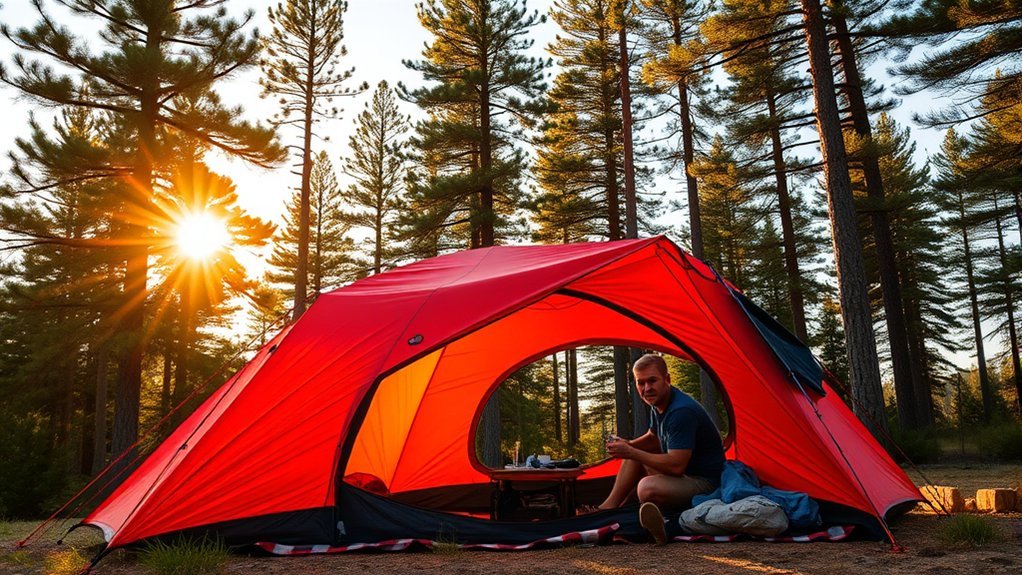
Last Updated on August 23, 2026 by Mason Reed
Learning how to practice pitching a tent before your next camping trip can save time, reduce stress, and help you feel confident outdoors. The best approach is to understand your tent parts, practice in a safe location, repeat the setup process, and learn how to make adjustments for different conditions.
Quick Answer
The best way to practice pitching a tent is to set it up at home before your trip, learn each component, repeat the process until it feels natural, and test adjustments like staking, guy line tension, and rainfly placement.
Key Takeaways
- Practice at home before your first outdoor trip.
- Learn how poles, stakes, rainfly, and guylines work together.
- Choose a safe practice area with enough space.
- Repeat setup steps until you can complete them confidently.
At a Glance
| Time Required | 30 minutes to several practice sessions |
| Difficulty | Beginner-friendly |
| Tools Needed | Tent, stakes, poles, rainfly, and instructions |
| Cost | Free if practicing with your existing tent |
Disclosure: As an Amazon Associate I earn from qualifying purchases. Some links on this page are affiliate links, at no extra cost to you.
Understanding Your Tent Components
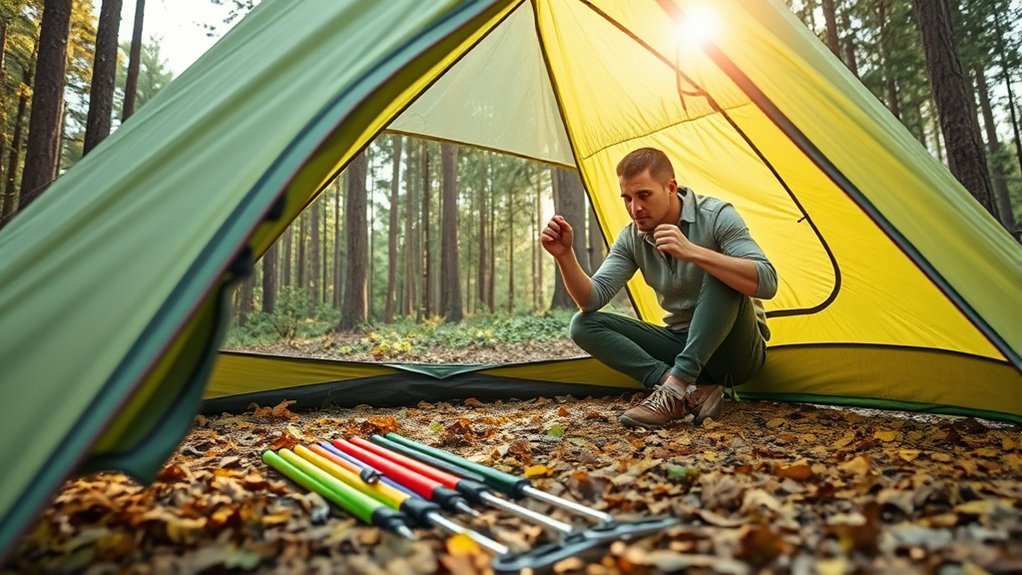
Before practicing your setup, learn the purpose of each tent component. Most tents include a tent body, poles, stakes, guylines, and a rainfly. Knowing how each piece connects makes setup faster and helps prevent mistakes.
Practice assembling the poles, attaching clips or sleeves, and positioning the rainfly correctly. Keep the instruction manual nearby during your first few attempts because different tent models can have different setup methods.
Finding the Ideal Practice Location
The best place to practice pitching a tent is a flat, open area with enough room to fully assemble it. A backyard, open field, or another safe location can work well.
| Factor | Why It Matters | Practice Tip |
|---|---|---|
| Tent orientation | Helps you learn correct positioning | Practice placing doors and vents properly |
| Ground conditions | Affects comfort and staking | Avoid sharp rocks and uneven surfaces |
| Weather awareness | Prepares you for changing conditions | Practice adjustments without risking damage |
Warning: Do not practice tent setup during dangerous storms or strong winds. Learn weather adjustments in safe conditions first.
Mastering Tent Setup Techniques
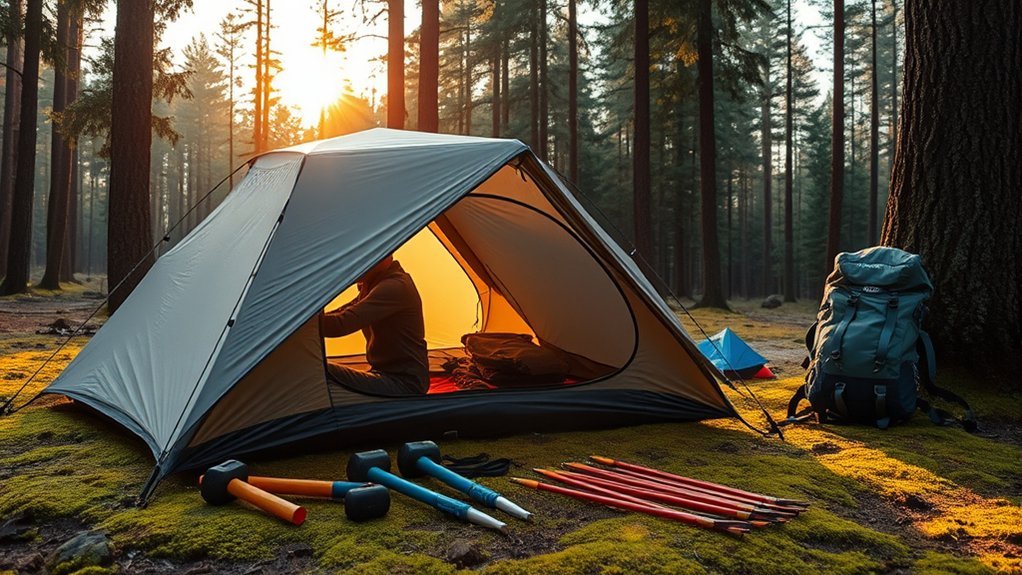
Repeated practice builds confidence and helps you remember the correct order of setup steps. Use these techniques:
- Practice at home: Complete a full setup from unpacking to final adjustments.
- Use a timer: Track your progress without rushing or skipping steps.
- Practice different conditions: Learn how your tent reacts to different surfaces.
- Review your process: Check corners, poles, stakes, and the rainfly after every setup.
Pro Tip: Pack your tent the same way each time after practice so setup and storage become easier to repeat.
Ensuring Stability With Guy Lines
Properly adjusted guy lines help improve tent stability, especially when conditions become windy. They should be firm enough to support the tent but not so tight that they place unnecessary stress on the fabric.
Check your guy lines before sleeping and adjust them if weather conditions change. Inspect lines, clips, and attachment points regularly for wear.
Making Final Adjustments for Comfort

Once your tent is standing, make small adjustments to improve comfort:
- Remove fabric sag by adjusting poles and tension points.
- Make sure doors and zippers open smoothly.
- Arrange sleeping gear and equipment for easy access.
- Check seams, clips, and attachments before use.
A ground mat can also help protect the tent floor and improve comfort on uneven surfaces.
Common Tent Setup Mistakes to Avoid
- Skipping practice before a major camping trip.
- Forgetting to check that all parts are packed.
- Using incorrect pole connections.
- Over-tightening guy lines.
- Setting up on poor ground conditions.
Frequently Asked Questions
Can I practice pitching a tent indoors?
Yes, if you have enough space. Indoor practice can help you learn the setup process without dealing with weather or uneven ground.
How often should I practice pitching my tent?
Practice before important trips and occasionally if you do not camp often. Regular practice keeps the process familiar.
What should I do if it rains during practice?
Protect your equipment, avoid unsafe weather, and practice rain-related adjustments only when conditions are safe.
Conclusion
Practicing your tent setup before a camping trip helps you work faster, avoid frustration, and create a comfortable shelter outdoors. By learning your tent components, repeating the setup process, and checking important details like stakes and guy lines, you will be better prepared for your next adventure.
Sources
- REI Expert Advice — General outdoor equipment and camping guidance.
- Coleman Tents — Tent product information and setup guidance.
- NEMO Equipment — Manufacturer resources for outdoor gear.
