
Last Updated on July 30, 2026 by Caleb Warren
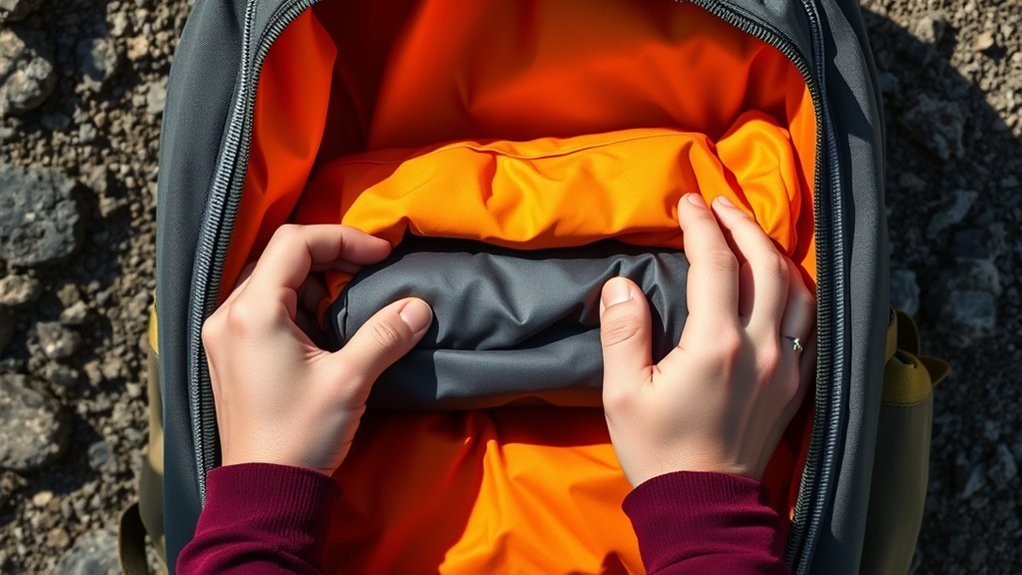
Packing a suit in a backpack takes more care than packing ordinary travel clothes. A structured jacket has shoulder padding, lapels, lining, and internal shaping that can develop deep creases when compressed. The safest approach is to prepare the suit, fold it along its natural structure, protect the fabric from friction, and keep heavy items from pressing against it.
Quick Answer
To pack a suit in a backpack without heavy wrinkles, use a clamshell bag with a flat clothing compartment. Fold the jacket with the inside-out shoulder-tuck method, fold the trousers along their crease, add a clean protective layer, place the suit on top, and unpack it as soon as you arrive.
Key Takeaways
- Fold a structured suit jacket instead of tightly rolling it.
- Protect the shoulders and lapels by tucking one shoulder inside the other.
- Do not overstuff the backpack or compress the suit with packing-cube straps.
- Keep shoes clean, covered, balanced, and away from the jacket fabric.
- Check the care label before steaming or pressing the suit.
- Hang the jacket and trousers immediately after reaching your destination.
At a Glance
| Time Required | About 10–15 minutes |
| Difficulty | Easy to moderate |
| Tools Needed | Clamshell backpack, clean garment sleeve or dry-cleaning bag, acid-free white tissue paper, shoe bags, and a shaped hanger |
| Cost | $0 with supplies on hand; approximately $5–$30 for optional packing aids |
Disclosure: As an Amazon Associate I earn from qualifying purchases. Some links on this page are affiliate links, at no extra cost to you.
Quick Tips for Packing Your Suit in a Backpack
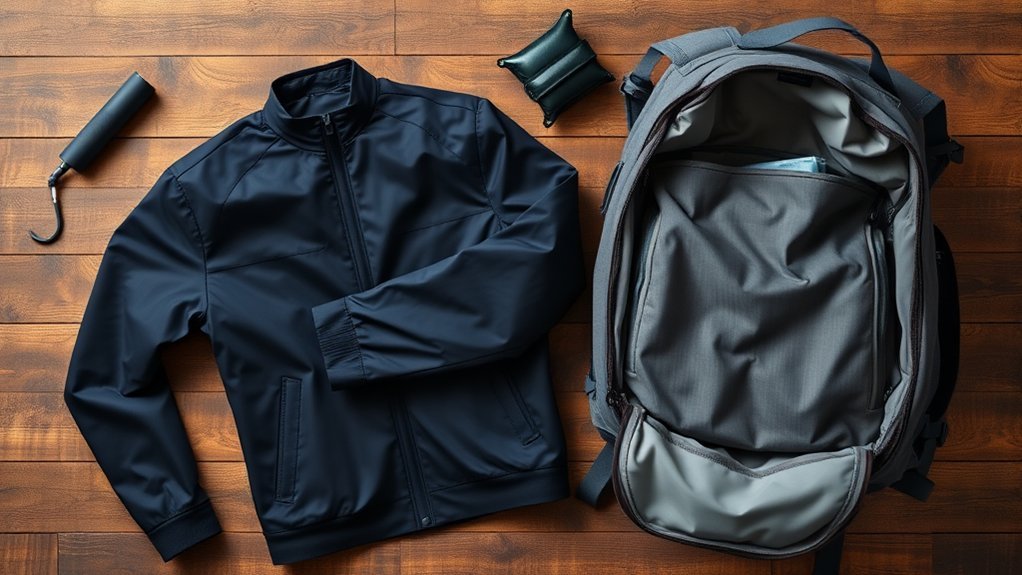
Start with a backpack that opens flat like a suitcase. A wide clamshell opening lets you lay the folded jacket in the compartment instead of pushing it through a narrow top opening. The compartment should be long and wide enough to hold the jacket with as few folds as possible.
- Prepare the suit first: Empty every pocket, remove detachable accessories, and make sure the fabric is clean and completely dry.
- Fold around the jacket’s structure: Protect the shoulders and lapels with an inside-out shoulder tuck rather than a tight roll.
- Fold the trousers on their crease: Smooth both legs and avoid creating a new crease across the front.
- Add a low-friction layer: A clean garment sleeve, dry-cleaning bag, or sheets of unprinted white tissue paper can help the layers move instead of grinding against one another.
- Pack the suit near the top: Keep dense objects from pressing directly into the shoulders or lapels.
- Unpack promptly: Hang the suit as soon as possible so gravity and the fabric’s natural recovery can release mild wrinkles.
Warning: Do not pack a damp or freshly steamed suit in an airtight plastic bag. Trapped moisture can create odors, stains, or mildew. Let the garment cool and dry completely before packing.
Choose the Right Backpack to Carry a Suit
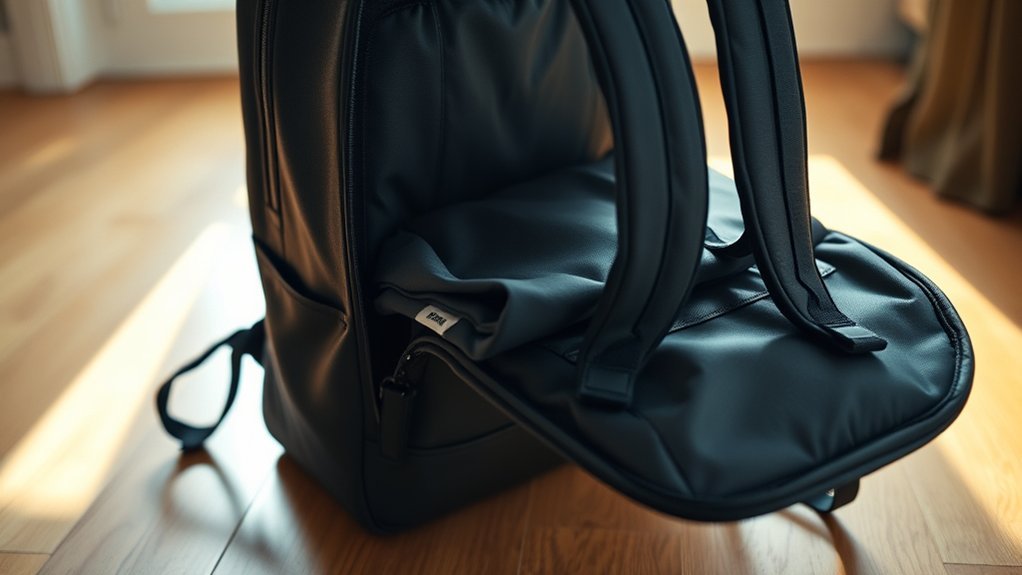
The best backpack for a suit has a wide clamshell opening, a flat clothing compartment, a smooth lining, and enough depth to close without crushing the jacket. A separate shoe compartment is useful, but it should not bulge into the area holding the suit.
Expandable Design Benefits
An expandable compartment can provide enough room for the jacket, trousers, shirt, and accessories without forcing the zipper shut. Expansion is helpful only when the filled bag still complies with your airline’s baggage rules.
For example, the current Knack Series 2 Large Expandable Pack is listed by its manufacturer at 30 liters unexpanded and 46 liters expanded. Its exterior dimensions are 21.5 × 14 × 4.5 inches unexpanded and 21.5 × 14 × 9.5 inches expanded. Those measurements make it one possible option, not a universal requirement.
Note: Airlines set their own carry-on dimensions and weight limits. Measure the backpack after it is packed and expanded, then check the operating airline’s rules. The Transportation Security Administration also advises passengers to confirm that carry-on items will fit in the airline’s overhead bin or under-seat space.
Size Considerations for Suits
Do not rely on one minimum backpack height for every suit size. Jacket length changes with the wearer’s height, the brand’s pattern, the cut, and whether the coat is short, regular, or long.
- Measure the jacket: Hang it naturally and measure from the collar seam at the back of the neck to the bottom hem.
- Measure the usable compartment: Check the flat interior length and width rather than relying only on exterior dimensions.
- Allow room for the shoulders: The folded shoulder area is thicker than the lower part of the jacket.
- Test the zipper: It should close without pulling tightly across the jacket.
- Check the packed depth: Expansion may change whether the bag qualifies as a carry-on.
Recommended Backpack Models
A specific brand is not necessary. Suitable options generally fall into three groups:
- Clamshell travel backpacks: Best for laying the jacket flat and keeping other clothing organized.
- Backpack-style garment bags: Best when the trip centers on formal clothing and minimizing folds is the main priority.
- Expandable business-travel backpacks: Useful when you also need protected space for a laptop and work accessories.
The Knack Series 2 Large is one current clamshell example, but compare its measurements, weight, price, and packed depth with your jacket and airline before choosing it. A smaller bag may work for an unstructured blazer, while a heavily padded or long suit jacket may need a garment bag.
Prepare Your Suit Before Packing
Folding cannot remove wrinkles that are already present. Press or steam the suit before packing when its care instructions permit it, then allow the fabric to cool and dry completely.
- Read the sewn-in care label.
- Empty the jacket and trouser pockets.
- Remove pocket squares, pins, boutonnieres, and detachable accessories.
- Brush away lint and surface dust.
- Check for damp areas, food marks, or loose buttons.
- Fasten zippers and close hook-and-bar trouser closures.
- Leave the jacket buttons open so they are not strained during folding.
The Federal Trade Commission’s Care Labeling guidance explains that covered garments carry instructions for regular care. Those instructions should take priority over general travel tips.
Pro Tip: Do a trial pack at home. Leave the suit packed for two or three hours, unpack it, and inspect the shoulders, lapels, sleeves, and trouser crease. Adjust the fold or remove other items before the actual trip.
Create Fabric Movement Between the Folds
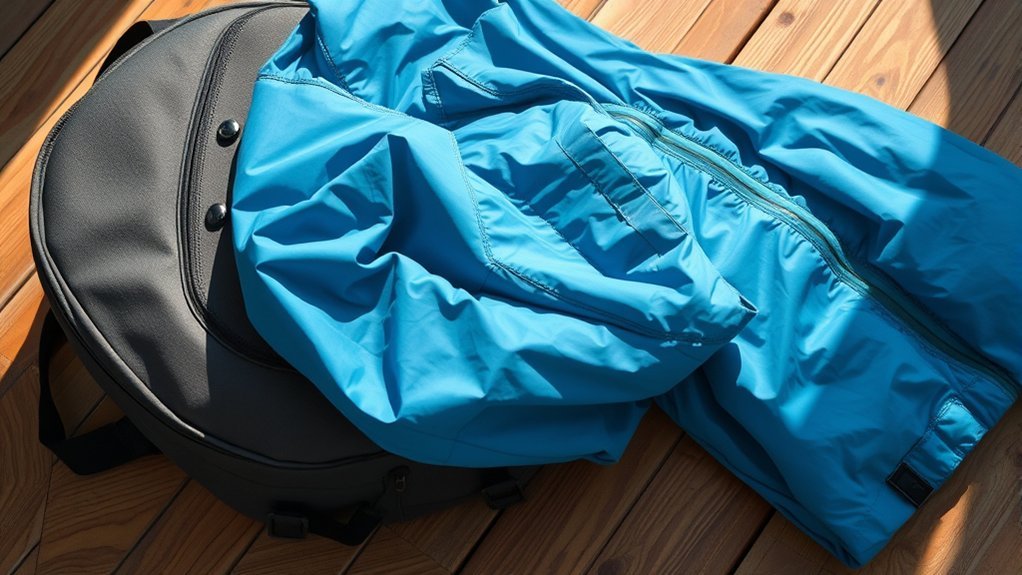
A tightly compressed fold creates a sharper crease because the layers cannot shift as the bag moves. A smooth protective layer gives the fabric a little movement and helps prevent surface rubbing.
- Use clean, unprinted material: Place acid-free white tissue paper or a clean garment sleeve between major folds.
- Avoid colored paper: Dye can transfer if the paper becomes damp.
- Keep folds loose: Do not pull compression straps tightly across the jacket.
- Fill empty gaps around the suit: Use soft items such as a folded undershirt or sleepwear to stop the bundle from sliding.
- Do not create lumps: Thick socks or chargers under the jacket can leave pressure marks.
A clean dry-cleaning bag can be useful for a short trip because its smooth surface reduces friction between garment layers. Remove the plastic after arrival, especially before storing the suit for an extended period.
Fold, Don’t Roll, Your Suit
A structured suit jacket should normally be folded rather than tightly rolled. Rolling can press the lapels backward, bend shoulder padding, and create uneven pressure around buttons and seams. The inside-out shoulder-tuck method protects the visible outer fabric and lets the jacket follow its natural construction.
How to Fold a Suit Jacket
- Lay the jacket face down: Use a clean bed, table, or floor covered with a clean sheet.
- Smooth the fabric: Straighten the sleeves and lift the collar into its natural position.
- Turn one shoulder inside out: Gently pull one shoulder section through without sharply bending the shoulder pad.
- Tuck in the other shoulder: Place the second shoulder inside the inverted shoulder so the shoulder shapes nest together.
- Align the lapels: Bring the front edges together without flattening the natural lapel roll.
- Straighten the sleeves: Lay them along the body of the jacket without twisting them.
- Add tissue paper: Place a sheet across the middle if the fabric creases easily.
- Fold horizontally once: Bring the bottom hem toward the collar, using the fewest folds the backpack allows.
- Place it in a protective sleeve: Keep the folded jacket flat while transferring it to the backpack.
This method follows the same general principles recommended in the Men’s Wearhouse suit-packing guide: prepare the suit, avoid overstuffing, use an inside-out shoulder tuck, work with the jacket’s natural structure, and hang it promptly after travel.
Warning: Do not force a heavily padded, fully canvassed, or delicate formal jacket into a backpack that requires several tight folds. Use a garment bag or larger case when the shoulders cannot lie naturally.
Pack Your Suit Jacket and Pants Separately
Prepare and fold the jacket and trousers separately so each piece follows its own structure. This makes it easier to preserve the jacket shoulders and the trousers’ pressed crease.
How to Fold Suit Trousers
- Empty the pockets and close the zipper and waistband.
- Hold the trousers by the waistband and align the front and back creases.
- Lay both legs flat on a clean surface.
- Smooth the fabric from the waistband toward the cuffs.
- Place a sheet of white tissue paper across the knees if the fabric marks easily.
- Fold the trousers in half at the knee, or in thirds when the backpack is shorter.
- Place the trousers in a separate clean sleeve or on top of the folded jacket.
For a compact bundle, you may lay the folded jacket across the trousers and wrap the trouser sections loosely around it. Do not pull the trousers tightly enough to compress the jacket shoulders.
When you arrive, hang the trousers from a proper clamp hanger by the cuffs or waistband, depending on the hanger and the garment’s construction. Align both legs carefully so the existing crease remains straight.
Pack Your Suit Last
Pack ordinary clothing, toiletries, electronics, and shoes before placing the suit in the backpack. The jacket should be one of the final items added so it is not buried under dense objects.
Timing Your Packing
- Pack only after the suit is dry: Let steam or pressing moisture evaporate completely.
- Prepare the rest of the bag first: Secure toiletries, cables, shoes, and other hard objects.
- Lay the suit on top: Keep the shoulder section away from zipper pulls and rigid corners.
- Close the bag gently: Stop if you need to kneel on the backpack or pull hard on the zipper.
- Keep the packed period short: Pack close enough to departure that the suit is not compressed for several unnecessary days.
Last-Minute Organization Tips
Keep ties rolled loosely or folded once inside a tie case. Coil belts around the inside edge of the backpack rather than placing a buckle under the jacket. Put cuff links, tie bars, and collar stays in a small hard-sided accessory case.
Dress shirts can be folded around a sheet of tissue paper and placed above or beside the suit. Do not pack toiletries directly against formal clothing, even when the bottles are inside a toiletry pouch.
Maintain Suit Integrity
- Do not run a compression strap across the padded shoulders.
- Keep pens, keys, chargers, and plugs out of the suit compartment.
- Avoid placing the jacket against hook-and-loop fasteners that could catch the fabric.
- Keep food and liquids in a separate sealed section.
- Make sure no shoe heel or sole presses into a lapel or sleeve.
- Carry the backpack upright whenever practical.
Pack Your Dress Shoes at the Bottom of Your Backpack
Dress shoes may be placed in the lower part of a clamshell backpack when they are clean, covered, balanced, and close to the back panel. The important point is not simply “shoes at the bottom.” Dense items should remain stable and close to your back instead of pulling the backpack away from your body.
| Packing Goal | Best Practice |
|---|---|
| Keep the suit clean | Clean and dry the soles, then place each shoe in a separate shoe bag. |
| Balance the load | Place one shoe on each side or keep the pair centered near the back panel. |
| Prevent dents | Do not position heels or rigid soles directly under the jacket shoulders or lapels. |
| Use interior space | Fill the shoes with clean socks or shoe trees, but avoid overstuffing them. |
| Control odor and moisture | Pack only dry shoes and air them before placing them in closed bags. |
General backpack-loading guidance also recommends keeping heavier objects near the center and close to the wearer’s back. Avoid creating a bottom-heavy lump that pushes the suit compartment outward.
Complete Step-by-Step Packing Method
- Check the suit’s care label and make sure both pieces are clean and dry.
- Measure the jacket and the backpack’s usable interior space.
- Pack toiletries, electronics, and accessories in sealed compartments.
- Clean and bag the dress shoes, then position them close to the back panel without creating pressure points.
- Fold the trousers along their existing crease.
- Fold the jacket with the inside-out shoulder-tuck method.
- Add white tissue paper or a clean garment sleeve between major folds.
- Place the jacket and trousers flat in the clothing compartment.
- Add soft clothing around empty spaces to stop movement without compressing the suit.
- Close the backpack gently and confirm that no zipper, buckle, or shoe presses into the fabric.
- Measure and weigh the filled backpack when airline limits apply.
- Unpack and hang the suit immediately after reaching your destination.
Pro Tips for Packing a Suit in a Backpack
- Use packing cubes for casual clothing: Compress T-shirts, underwear, and sleepwear instead of compressing the suit.
- Carry a portable steamer only when appropriate: Check the garment label and airline rules before packing any device with a water reservoir or battery.
- Choose travel-friendly fabric when possible: Wool and certain performance blends often recover better than crisp linen or delicate fabrics, although construction and finishing also matter.
- Wear the jacket during transit: For a short trip, wearing the jacket may prevent more wrinkles than folding it into an undersized bag.
- Ask the hotel about equipment: Many hotels provide irons, ironing boards, or steamers, but verify availability before relying on them.
- Carry the suit on when practical: Keeping it in your control reduces the risk of prolonged compression in checked baggage.
- Pack a backup shirt: A fresh shirt can preserve a polished appearance if the suit needs extra time to hang and recover.
Remove Wrinkles After Arrival
Unpack the suit before unpacking less important items. Place the jacket on a wide, shaped hanger and hang the trousers so their crease is aligned. Give the garments open space rather than wedging them into a crowded closet.
- Start with gravity: Mild travel wrinkles may relax after several hours on a proper hanger.
- Use bathroom steam carefully: For suitable wool garments, hanging the suit in a steamy bathroom can help release wrinkles.
- Keep the garment away from water: Do not place it where shower spray or condensation can soak the fabric.
- Follow the care label: Use an iron or handheld steamer only when the garment instructions allow it.
- Protect the outer fabric: When pressing is permitted, use the recommended temperature and a clean pressing cloth where appropriate.
- Seek professional help for deep creases: A hotel laundry service, tailor, or dry cleaner is safer than aggressive heat on a valuable suit.
The Woolmark Company’s wool-care guidance recommends hanging woven wool garments on shaped or padded hangers and notes that suitable wool garments can be refreshed in a steamy bathroom. It also advises checking the garment’s care instructions before ironing.
Note: Linen, velvet, silk blends, fused jackets, and garments with decorative trim may respond differently to steam and pressure. The care label and the suit manufacturer’s instructions should always override general advice.
When a Garment Bag Is Better
A backpack is convenient, but it is not the best container for every suit. Choose a garment bag, garment duffel, or larger carry-on when:
- The jacket has heavy shoulder padding.
- The suit is bespoke, fully canvassed, vintage, or especially valuable.
- The backpack requires more than one tight horizontal jacket fold.
- You need to pack more than one structured jacket.
- The event begins soon after landing.
- The fabric is linen, velvet, silk, or another crease-sensitive material.
- The backpack zipper presses directly against the shoulders.
- You cannot isolate shoes, toiletries, or hard accessories from the suit.
A backpack-style garment bag can provide hands-free carrying while allowing the suit to remain closer to its full length. Check its folded dimensions against the airline’s baggage limits before traveling.
Troubleshooting Common Packing Problems
The Backpack Will Not Close
Do not sit on the bag or force the zipper. Remove nonessential items, wear the jacket, switch to a larger bag, or use a garment carrier. Excess pressure is more likely to crease the suit than a small amount of movement.
The Shoulders Look Crushed
Reopen the jacket, gently restore the shoulder shape by hand, and place it on a broad hanger. Avoid direct high heat. If the padding remains distorted, consult a tailor or dry cleaner.
The Trousers Have a Second Crease
Hang them with the original crease aligned and allow the fabric to relax. If pressing is permitted, use the correct heat setting and a pressing cloth rather than ironing directly across the fabric.
The Suit Is Damp
Remove all plastic and hang the suit in a well-ventilated room away from direct heat. Do not repack it until it is completely dry.
You Need to Pack Multiple Jackets
Fold each jacket separately and alternate the direction of the shoulder sections so one thick area does not build up on the same side. If the backpack becomes tight, take fewer jackets or use a garment bag.
Frequently Asked Questions
Can I pack a jacket without folding it?
You can avoid folding only when the backpack has a full-length garment compartment or the jacket can lie flat without being forced. A regular backpack will usually require at least one fold. Wearing the jacket or using a garment bag may be safer when the bag is too short.
How do I prevent wrinkles on my jacket?
Begin with a wrinkle-free, completely dry jacket. Fold it with the inside-out shoulder-tuck method, add a smooth protective layer, avoid overstuffing the backpack, keep hard objects away from the fabric, and hang the jacket immediately after arrival.
Is it better to roll or fold a jacket?
Fold a structured suit jacket so the shoulders, lapels, and internal shaping remain supported. A soft, unstructured casual jacket may tolerate loose rolling, but its fabric and care instructions should allow it. Do not tightly roll a padded or canvassed suit jacket.
Can I pack multiple jackets in one backpack?
Yes, if the compartment remains loose enough to close without compressing the shoulders. Fold each jacket separately, place a smooth layer between them, and alternate the thick shoulder sections. Use a garment bag when two structured jackets make the backpack tight.
What type of backpack is best for jackets?
Choose a clamshell backpack with a flat, smooth-lined clothing compartment, enough interior length for the folded jacket, and space for shoes and toiletries that does not bulge into the suit. Measure the packed bag and check your airline’s size and weight limits.
Can I leave my suit in a dry-cleaning bag?
A clean dry-cleaning bag can be used as a short-term packing layer, but remove it after arrival. Never seal a damp or warm suit in plastic, and do not use thin plastic as long-term storage for valuable garments.
How soon should I unpack my suit?
Unpack it as soon as practical after reaching your destination. Hang the jacket on a broad, shaped hanger and align the trousers on a proper trouser hanger. Extra hanging time gives mild travel wrinkles a better chance to relax before the suit is worn.
Conclusion
You can pack a suit in a backpack without creating severe wrinkles when the bag is large enough and the garment is folded around its natural structure. Prepare the suit, protect the shoulders and lapels, fold the trousers along their crease, isolate the shoes, and avoid tight compression. Once you arrive, unpack the suit promptly and follow its care label when removing any remaining wrinkles.
Sources
- Federal Trade Commission — Clothes Captioning: Complying With the Care Labeling Rule — garment care labels and consumer care instructions.
- The Woolmark Company — Caring for Wool — hanging, steaming, ironing, and care-label guidance for wool garments.
- Men’s Wearhouse — How to Fold a Suit Jacket for Luggage — inside-out shoulder-tuck method and overpacking precautions.
- Knack Bags — Series 2 Large Expandable Knack Pack — current manufacturer dimensions and capacity specifications.
- Transportation Security Administration — What Can I Bring? — guidance to confirm carry-on size and weight restrictions with the airline.
- REI Expert Advice — How to Pack a Backpack — stable positioning of heavier items near the center and back panel.
