
Last Updated on July 28, 2026 by Daniel Globe
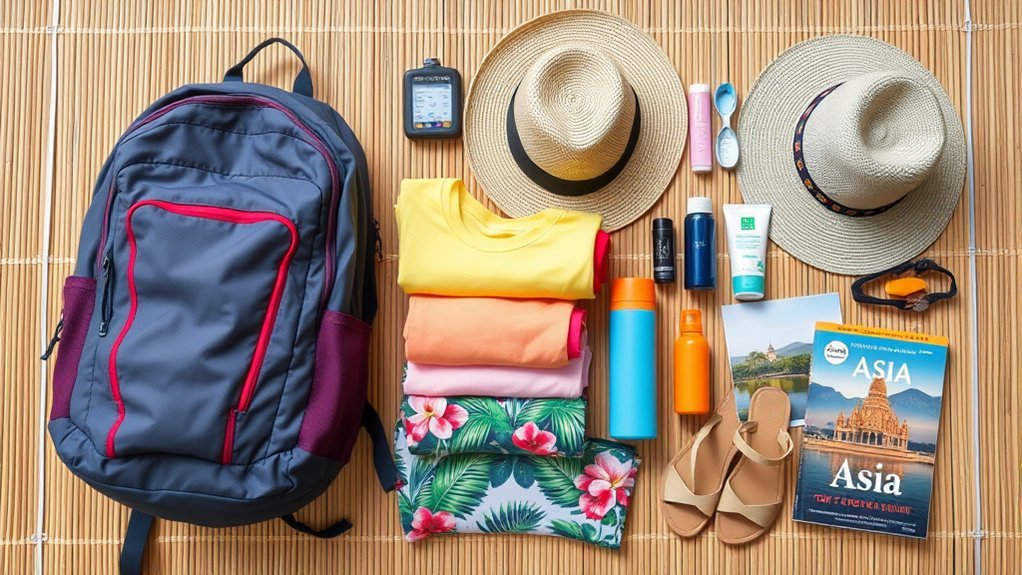
Southeast Asia means being strategic with your gear. Start with a 40L backpack and utilize packing cubes for organization. Bring versatile clothing like tank tops, shorts, and a sarong for easy day-to-night changes. Don’t forget essential paperwork, including your passport and emergency cash. Comfortable footwear is key, so pack sandals and flip-flops. Tech essentials like a portable charger and eSIM will keep you connected. Keep it light, and discover more packing tips that suit your adventure below.
Quick Answer
Pack a 40L carry-on backpack with lightweight, breathable clothing, hiking sandals (like Tevas), flip-flops, a sarong, key travel paperwork (passport, printed scans, emergency cash), a portable power bank, an eSIM, and travel-sized toiletries. Use packing cubes to stay organized and keep your core wardrobe to 5–7 days of clothes, relying on cheap, local laundry services.
Key Takeaways
- A 40L main backpack combined with packing cubes keeps you mobile and avoids checked bag fees on regional budget airlines.
- Southeast Asia uses a mix of outlet types (A, C, F, G, and Thailand’s Type O), making a universal adapter far better than a single-type converter.
- Keep printed scans of your passport, visas, and medical prescriptions separate from originals, and back them up to secure cloud storage.
- Inexpensive laundry drop-offs are available everywhere in the region, so you only need 5 to 7 days worth of lightweight clothes.
Disclosure: As an Amazon Associate I earn from qualifying purchases. Some links on this page are affiliate links, at no extra cost to you.
Best Travel Gear for Southeast Asia
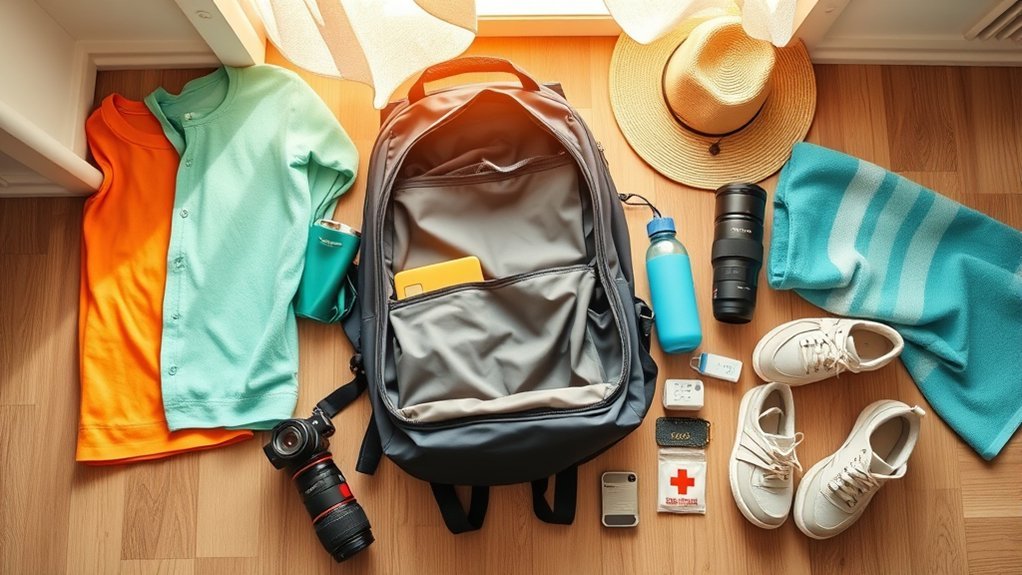
When gearing up for your Southeast Asian adventure, choosing the right travel gear is essential for a smooth journey. A 40L backpack, like the REI Trail 40L or Farpoint 40, offers ample space while fitting into overhead bins on most international and regional budget flights.
To maximize organization, packing cubes and carabiners keep your belongings tidy and accessible — group items by category (tops, bottoms, tech, toiletries) so you can retrieve what you need without unpacking everything in a hostal dorm.
For day trips, city walks, and temple visits, a lightweight packable bag like the Uniqlo Round Mini Shoulder bag or a 15L packable daypack is perfect. Additionally, if you plan on taking longtail boats in Thailand, kayaking in Ha Long Bay, or island hopping in the Philippines, pack a 10L dry bag to protect your phone and camera from water splash and sudden tropical downpours.
Pro Tip: Budget roughly 1–1.5 kg of clothing per week of travel if you plan to use local laundry services. Most hostels and street laundromats in Southeast Asia charge by the kilogram ($1–$3/kg) for same-day or next-day service.
At a Glance: Core Gear Setup
| Backpack Size | 40L carry-on size (35–45L ideal for mobile backpacking) |
| Clothing Volume | 5–7 days’ worth, relying on frequent local laundry services |
| Footwear | 2–3 pairs max: hiking/water sandals, shower flip-flops, 1 light sneaker |
| Tech Essentials | eSIM, 10,000–20,000 mAh power bank, universal travel adapter |
Products Worth Considering

Large Capacity & Multi-Pocket: The upgraded large travel backpack gives you more storage capacity from 35 L to 40 L. Dimensions 18.5*12.8*8 inch, has 3 main large compartments and 9 allocated inner pockets and side pockets, easily holds packing cubes, make-up bag, clothing, camera bag and gear. Backpack with laptop compartment hold a 17.3 inch laptop and a 12.9 ipad for your work or study needs in business and college. A great companion for 5-7 day trips
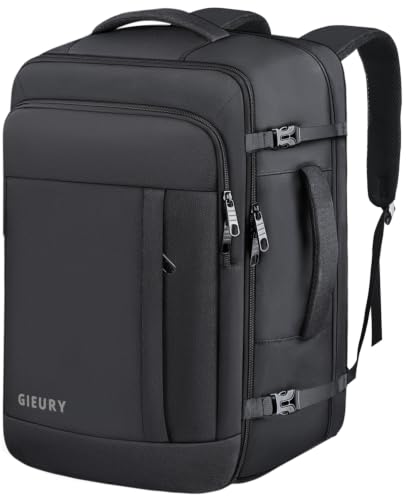
【50L Max Capacity — Enhanced Back Panel Padding】Expandable design boosts storage up to 50L, solving the “not enough space” problem for 3–7 day trips. Easily fits outfits, shoes, jackets & travel essentials without overstuffing. Features high-density foam cushioning for extended comfort during long-term wear, reducing back fatigue.

【AIRLINE APPROVED】Designed as an airline approved carry on backpack, this 40L travel backpack fits most airline carry-on requirements. The suitcase-style opening provides quick TSA access and easy packing, making it ideal for business trips, weekend getaways, and air travel.
Important Paperwork & Financial Prep
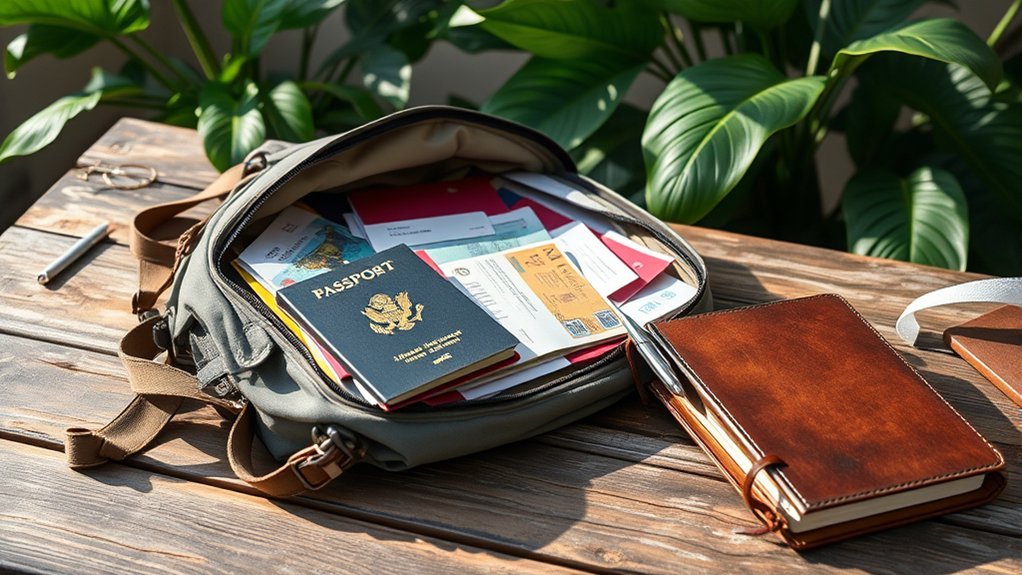
When you’re heading to Southeast Asia, having your administrative details in order is essential for a smooth trip. Ensure your passport is valid, keep backup payment methods on hand, and bring physical cash for remote islands or border crossings.
Essential Travel Documents
Before heading to the airport, double-check that you have gathered these crucial travel documents:
- Valid Passport: Ensure you have at least six months’ validity remaining from your planned departure date and 2–4 blank pages available (dual citizens should carry both passports).
- Printed Copies & Passport Photos: Bring 2–3 printed scans of your passport bio page and 4 extra passport-sized photos for visas-on-arrival (e.g., Laos, Cambodia).
- Visa Approvals: Research visa entry rules prior to departure. Many countries now require or prefer official e-visas (like Vietnam) or digital arrival declarations (like Singapore’s SG Arrival Card or Bali’s Tourist Levy).
Financial Preparedness & Banking
To stay financially flexible across different currencies (Baht, Dong, Rupiah, Peso), prepare a multi-tiered banking strategy:
- Debit & Credit Cards: Bring at least two different cards (e.g., a Wise or Revolut debit card alongside a primary credit card with no foreign transaction fees) stored in separate locations in case of loss or ATM machine errors.
- Emergency Cash Stash: Carry $100–$200 USD in crisp, unblemished, high-denomination bills ($50s or $100s). Local money changers and border checkpoints offer the best rates for undamaged currency.
- ATM Strategy: Withdraw larger amounts of local currency less frequently to minimize per-transaction foreign ATM fees.
Safety Measures & Digital Backups
Being financially prepared sets a solid foundation, but document security matters just as much:
- Separate Storage: Keep your physical passport and primary wallet on your person or in hotel lockers, and store paper copies in a waterproof sleeve inside your main backpack.
- Digital Lockbox: Save encrypted digital scans of your passport, travel insurance policy, vaccination cards, and flight itineraries in a cloud folder (like Google Drive or Dropbox) accessible offline.
Note: Save offline Google Maps or Maps.me areas for each city before arriving, and save a digital photo of your passport page to your phone’s favorites for quick check-ins at hostels and scooter rental shops.
What Clothes, Accessories & Footwear to Pack

When packing clothing for Southeast Asia, prioritize lightweight, breathable fabrics (cotton, linen blends, and quick-dry synthetic activewear) that keep you cool in heat and humidity. Consider season and elevation: high-altitude regions like Sapa (Vietnam) or the Cameron Highlands (Malaysia) get chilly, while monsoon season (roughly May to October in mainland SEA) demands quick-drying garments.
Products Worth Considering

Set contains Brunei, Burma (Myanmar), Cambodia, China, East Timor, Indonesia, Japan, Laos, Malaysia, Mongolia, North Korea, Papua New Guinea, Palau, Philippines, Singapore, South Korea, South Vietnam, Taiwan, Thailand and Vietnam flags

Do you like to go on holiday in the Southeast Asian region? In addition to all the rice specialities, do you love pasta soups, such as the Vietnamese Pho? The country of Vietnam and the Vietnamese did it to you? Are you a big fan of the socialist Republic of Vietnam?
Essential Clothing Items
Keep your wardrobe to a 5–7 day rotation:
- 4–6 Tops: A mix of breathable tank tops and lightweight T-shirts for casual outings and active days.
- 3–4 Bottoms: 2–3 pairs of lightweight shorts (preferably with zip pockets) and 1 pair of loose linen pants or breathable leggings.
- 2–3 Dresses or Rompers: Sundresses or maxi dresses for easy day-to-night transitions.
- Underwear & Swimwear: 7 pairs of quick-dry underwear, 2–3 swimsuits, and a rashguard for tropical sun protection during snorkeling.
Versatile Accessories & Temple Attire
Modesty rules apply at religious sites (temples, pagodas, and mosques across Thailand, Cambodia, Indonesia, and Myanmar), where shoulders and knees must be covered.
- Multipurpose Sarong: Functions as a temple cover-up, beach towel, picnic blanket, or lightweight blanket on air-conditioned buses.
- Light Scarf or Shawl: Great for sun protection or draping over bare shoulders at temple entrances.
- Sun Protection: A packable sunhat, UV-blocking sunglasses, and lightweight travel umbrella.
- Crossbody Bag: A compact, anti-theft shoulder bag keeps your phone and cash secure in crowded markets.
Best Footwear for Tropical Travel
You will walk miles on uneven sidewalks, cobblestones, and dirt trails. Limit your pack to 2–3 pairs:
- Hiking / Water Sandals: Sturdy, adjustable sandals like Tevas or Chacos provide arch support for day walks, light trekking, and river crossings.
- Casual Flip-Flops: Essential for hostel showers, beach days, and casual walking.
- Lightweight Sneaker or Trail Runner: A pair of breathable, closed-toe shoes for long transit days, motorbiking, or technical hikes where you need foot protection. (If you suffer from foot conditions, check out supportive trail footwear options).
Technology & Power Essentials
Packing the right electronics keeps you connected and navigation-ready across borders:
- eSIM Data Plan: Providers like Airalo or Maya Mobile allow you to download local data profiles before landing, avoiding physical SIM card swaps at airport kiosks.
- Portable Power Bank: Carry a 10,000–20,000 mAh portable charger to power your phone during 12-hour bus journeys or full days of sightseeing.
- Universal Travel Adapter: Southeast Asia utilizes a mix of socket standards (Types A, C, F, G, and Thailand’s Type O). A single universal adapter with built-in USB-C fast-charging ports covers all bases.
- E-Reader or Tablet: Lightweight media devices offer entertainment on long transit legs without adding physical weight.
Warning: Airlines strictly mandate that power banks must be kept in cabin carry-on luggage—never in checked baggage. IATA regulations cap lithium-ion batteries at 100Wh (~27,000 mAh capacity) without special airline authorization. Check your device labels before flying.
Products Worth Considering

Multi-Device Charging Capability: Equipped with 1 universal input, 3x USB-A ports (2.4A), and 2x USB-C ports (1 with power delivery and Quick Charge 3.0) delivering 45W for charging cell phones, iPhones, tablets, iPads, laptops, and other devices anywhere in the world

4 Types international plug and 1 AC Socket: Cover more than 200 Countries with US/EU/UK/AU/ASIA plugs, such as France, Germany, Greece(Type C ); London, HK(Type G); China, Australia, New Zealand (Type I); Thailand, Japan, Canada (Type A), etc. Not work in India, Swiss and Italy.

【Universal Worldwide Charging】This travel adapter accepts plugs from More than 200 Countries with US/EU/UK/AU European Plugs like Thailand, New Zealand, Israel, Italy, Rome, France, Spain, Canada, China, Australia, India, Hong Kong, Argentina, Peru, Korea, Asia, etc. Upgraded plugs inserted in outlets securely and will not fall off easily. Please note that this travel plug adapter does NOT convert electrical voltage.
Toiletries, Medications & Tropical Health
Packing smart toiletries saves space while ensuring you stay protected against tropical climate hazards.
Essential Toiletries
- Travel-Sized Liquids: Shampoo, conditioner, body wash, and reef-safe sunscreen in containers under 100ml (3.4 oz) to comply with TSA carry-on liquid limits.
- Mosquito Repellent: Bring a high-potency insect repellent containing 20–30% DEET or Picaridin to guard against mosquito-borne illnesses such as Dengue fever.
- Personal Hygiene: Toothbrush, travel toothpaste, solid deodorant, and quick-drying microfiber towel.
- Sleep Hygiene: Earplugs and an eye mask for noisy hostel rooms or night trains.
Medication & First Aid Checklist
| Medication Type | Purpose | Key Notes & Warnings |
|---|---|---|
| Personal Prescriptions | Daily health maintenance | Keep in original pharmacy packaging with prescription labels intact. Check destination drug restrictions (e.g., ADHD stimulants/codeine face strict bans in Singapore & Thailand). |
| Antihistamines | Allergy & bug bite relief | Useful for tropical plant or insect bite reactions. |
| Diarrhea & Nausea Relief | Digestive care & motion sickness | Pack Imodium, oral rehydration salts (ORS), and Dramamine for bumpy ferry journeys. |
| First Aid Basics | Minor cut & blister care | Include antiseptic wipes, adhesive bandages, blister pads, and ibuprofen. |
Fun Extras & Multi-Use Gear
While keeping your bag light is paramount, a few small extras can significantly improve your daily quality of life on the road:
Packing thoughtfully for Southeast Asia means fewer emergency trips to local shops mid-journey and more time spent exploring.
- Deck of Cards or Travel Game: Easy icebreaker for meeting fellow travelers in hostel common rooms.
- Compact Microfiber Towel: Fast-drying and lightweight for beach outings or budget guesthouses.
- Filtered Water Bottle: A bottle with integrated filtration (like Grayl or Sawyer) lets you safely purify tap water, cutting plastic waste and preventing stomach bugs.
Frequently Asked Questions
How do I choose the right backpack size for my trip?
To choose the right backpack size, consider your trip’s duration and gear needs. For short trips or minimalist carry-on travel, a 40L pack works best; for longer journeys with camping gear, opt for 50–60L to accommodate everything comfortably.
What are the best packing techniques to save space?
Roll your clothes tightly instead of folding, utilize compression packing cubes, and stuff shoes with socks or small tech cables. This compresses your load and keeps your backpack organized so you can travel lighter without leaving essentials behind.
How can I keep my belongings safe while traveling?
Keep your belongings safe by using TSA-approved locks on your backpack zippers, storing primary cash and passport in hostel lockers or an anti-theft money belt, and keeping digital backups in cloud storage. Avoid flashing expensive jewelry or devices in crowded night markets.
What items should I avoid packing for Southeast Asia?
Avoid heavy denim jeans, bulky jackets, excessive cosmetics, expensive jewelry, and single-voltage hair appliances (like hair dryers or curling irons). Focus on lightweight, breathable layers that dry quickly in humid conditions.
How do I manage laundry while traveling in Southeast Asia?
Hostels, guesthouses, and street laundromats are widely available across major towns and cities in Southeast Asia. Laundry costs around $1–$3 per kilogram for same-day or next-day service, meaning you never need to pack more than 5 to 7 days worth of clothing.
Conclusion
As you zip up your backpack, the journey ahead starts to feel real. By packing intentionally—balancing lightweight clothing, versatile footwear, reliable tech, and key health items—you set yourself up for total mobility across Southeast Asia. With your gear organized in packing cubes and kept under carry-on weight limits, you will spend less time wrestling with heavy bags and more time immersing yourself in local night markets, tropical beaches, and historic temples. Safe travels!
Sources
- Eskimo Travel: Southeast Asia Plug Types — Verifies regional plug socket standards and power compatibility
- TravelPowerPro: Thailand Type O Plug Guide — Confirms official Type O socket standards and adapter backward compatibility
- Travel and Time: International Plug & Voltage Guide — Outlines dual-voltage specifications for electronics
- TSA: What Can I Bring Carry-On Guidelines — Validates carry-on liquid limits (3-1-1 rule) and lithium battery/power bank watt-hour limits
