

Last Updated on July 30, 2026 by Caleb Warren
One bag travel is a practical way to move through airports, train stations, and city streets with less luggage. Instead of packing for every possible situation, you build a compact system around the weather, planned activities, laundry access, and the strictest baggage rule on your itinerary. Done well, it can reduce waiting, simplify transfers, and keep your most important belongings close.
Quick Answer
One bag travel means carrying everything in one airline-compliant bag, usually a carry-on backpack or suitcase. Check your airline’s exact dimensions and weight limit, pack a mix-and-match wardrobe, limit shoes and toiletries, keep spare batteries in the cabin, and plan to wash clothing during longer trips.
Key Takeaways
- Airlines judge bags by exterior dimensions, weight, fare rules, and available cabin space—not by liters alone.
- A small capsule wardrobe, limited footwear, and a planned laundry routine save more space than packing tricks alone.
- Liquids, medications, power banks, sharp objects, and other restricted items require special attention before flying.
- Measure, weigh, and carry the fully packed bag before departure so you can remove unnecessary items early.
- Prepare a small removable essentials pouch in case the airline requires you to gate-check the main bag.
At a Glance
| Time Required | 30–60 minutes for the first pack, plus 10–15 minutes for measuring, weighing, and revising |
| Difficulty | Easy to moderate, depending on climate, trip length, and activity needs |
| Tools Needed | Airline baggage rules, packing list, tape measure, luggage scale, laundry bag, and optional packing cubes |
| Cost | $0 when using gear you already own; optional bags and organizers can add about $20–$250 |
Disclosure: As an Amazon Associate I earn from qualifying purchases. Some links on this page are affiliate links, at no extra cost to you.
What Is One Bag Travel?
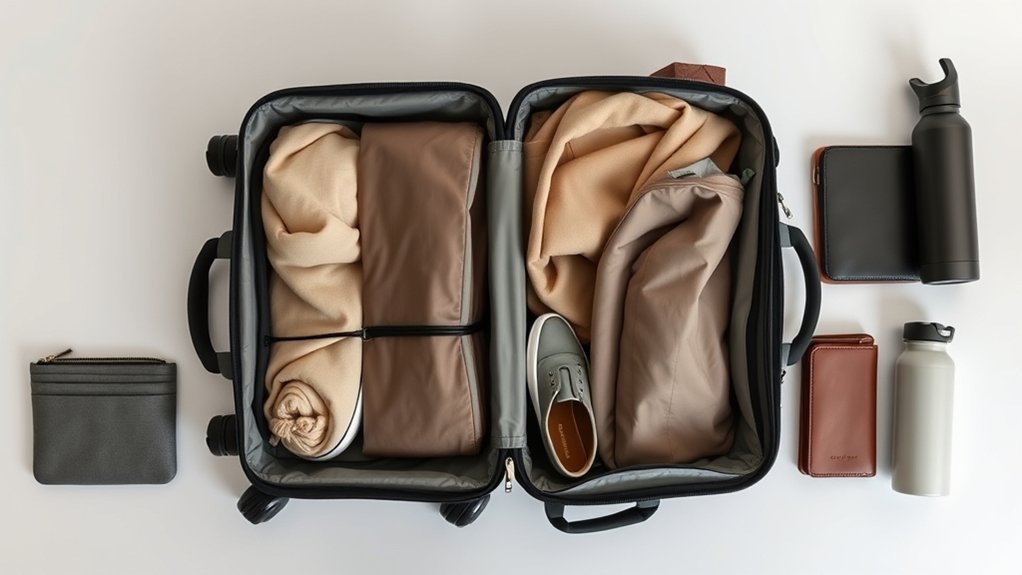
One bag travel is a minimalist approach in which your clothing, toiletries, electronics, documents, and other essentials fit inside one main bag. That bag may be an under-seat personal item, an overhead carry-on, a travel backpack, or a compact rolling suitcase.
The goal is not to buy the smallest possible bag or leave behind something essential. It is to carry only what you expect to use while meeting the strictest airline, climate, health, and activity requirements on your trip.
Many travelers begin with a bag in the broad 30–45-liter range, while experienced light packers may use a smaller personal-item-sized bag. However, capacity is only an estimate. A 40-liter bag can still be too tall, wide, deep, or heavy for a particular airline.
Communities such as the r/onebag subreddit can provide useful packing ideas and real-world trip reports. Treat peer advice as inspiration, though, and confirm baggage and security rules with the airline, airport authority, and government agencies responsible for your itinerary.
Benefits of Traveling With One Bag
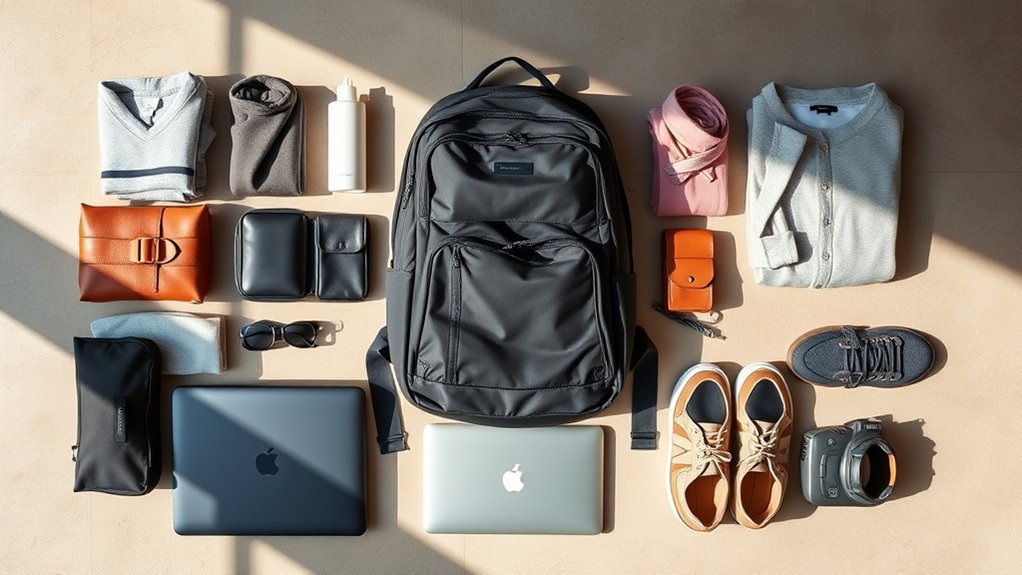
Traveling with one bag can make a journey easier, especially when it includes several flights, train connections, buses, stairways, or hotel changes.
- Better mobility: A manageable bag is easier to carry through terminals, public transportation, cobblestone streets, and crowded sidewalks.
- Less checked-baggage exposure: Keeping the bag in the cabin can reduce the chance of an airline delaying or misrouting it.
- Faster arrivals: When the bag stays with you, you can usually leave without waiting at a baggage carousel.
- Fewer clothing decisions: A coordinated wardrobe makes it easier to choose an outfit each day.
- Potential fee savings: You may avoid checked-bag fees when your fare includes a compliant carry-on or personal item.
- Simpler hotel changes: Packing and unpacking take less time when every item has a defined place.
Note: One-bag travel does not guarantee that your bag will remain in the cabin. Limited overhead space, small aircraft, fare restrictions, or an oversized bag may lead to gate checking.
Essential Characteristics of One Bag Travel
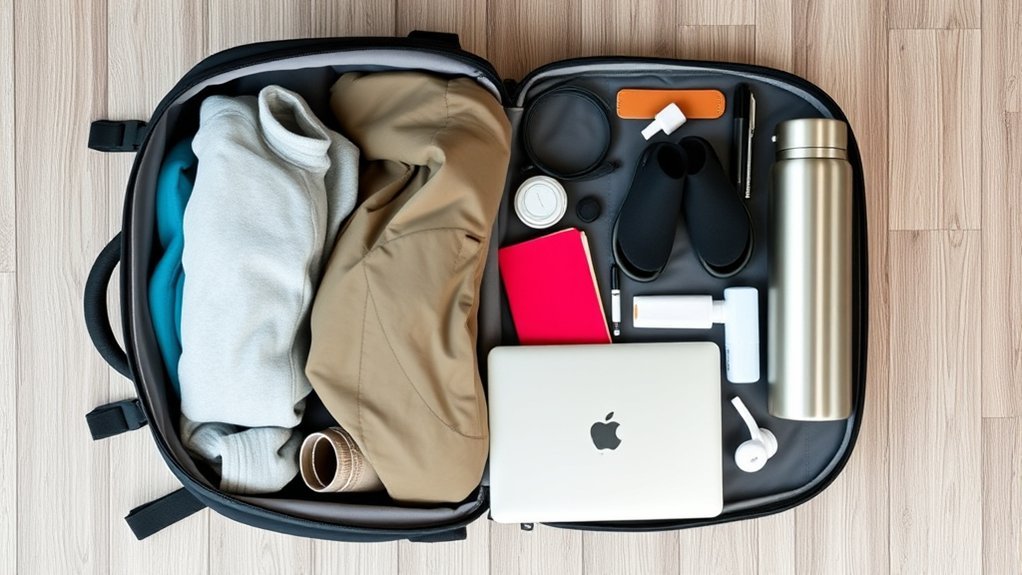
A reliable one-bag system combines minimal packing with realistic preparation. The following characteristics matter more than reaching a particular bag capacity:
- Rule-driven bag choice: The packed bag meets the dimensions and weight allowed by the airline and fare.
- Versatile clothing: Tops, bottoms, layers, and shoes work together across several outfits.
- Planned laundry: You pack for the period between washes rather than the full length of the trip.
- Limited duplication: Each item has a clear use, and unnecessary backups stay home.
- Easy access: Documents, liquids, medication, and electronics are organized for checkpoints and travel days.
- Comfortable carry: The loaded bag fits your torso or rolls well over the surfaces you expect to encounter.
- A backup plan: Valuable, fragile, medical, and battery-powered items can be removed quickly if the bag must be checked.
The best one-bag setup is the smallest comfortable bag that holds what you will actually use and meets the strictest rule on your itinerary.
Check Airline Carry-On Rules Before Packing
Do not choose a bag based on a general internet size chart alone. Check the operating airline for every flight, including regional or partner-operated segments. Rules may differ by airline, route, aircraft, cabin, fare, and loyalty status.
The Federal Aviation Administration’s carry-on guidance notes that the maximum for most airlines is about 45 linear inches, calculated by adding height, width, and depth. That is a broad U.S. reference, not a universal entitlement.
Record these details before you make the final packing list:
- Maximum carry-on dimensions, including wheels, handles, and stuffed exterior pockets
- Maximum carry-on weight
- Whether the fare includes an overhead carry-on, a personal item, or both
- Personal-item dimensions and under-seat requirements
- Restrictions for regional aircraft or basic-economy fares
- Rules for sports equipment, medical devices, food, and duty-free purchases
Warning: If your carry-on is taken for gate checking, remove power banks, spare lithium batteries, medication, passports, keys, money, fragile electronics, and other irreplaceable items before handing over the bag.
Recommended One Bag Packing List Essentials
Packing smart is essential for one bag travel, but the best list depends on the destination, weather, dress code, planned activities, and laundry schedule. Start with the following categories, then remove anything that lacks a clear purpose.
Clothing
- Four to six T-shirts, long-sleeve shirts, or blouses
- Two to three pairs of travel pants, jeans, shorts, or skirts
- Five to seven sets of underwear and socks
- One sleep outfit
- One dressier outfit when the itinerary requires it
- One warm midlayer, such as a sweater or fleece
- One weather layer, such as a packable rain shell
- Swimwear or activity-specific clothing when needed
Merino wool shirts and well-designed synthetic blends are popular because they can manage moisture, dry reasonably quickly, and often remain wearable for more than one use. Cotton can still work well in warm, dry conditions, but it usually takes longer to dry after sink washing.
Footwear and Outerwear
- One comfortable pair of walking shoes worn during transit
- One optional lightweight second pair, such as sandals or dress shoes
- A packable insulated jacket for cold evenings or winter layering
- A compact hat, gloves, or sun hat when conditions require them
Shoes consume a large amount of space, so every pair should match several outfits and activities. Wear the heaviest pair during travel when it remains comfortable and appropriate.
Documents, Health, and Personal Items
- Passport or government-issued identification
- Boarding passes, reservation details, and emergency contacts
- Payment cards and a small amount of backup cash
- Prescription medication in an accessible, secure location
- Basic first-aid supplies suited to the destination and activities
- Glasses, contact-lens supplies, or other essential personal aids
- Digital and offline copies of important travel information
Electronics
- Phone and charging cable
- Compact wall charger
- Travel adapter when required
- Earbuds or headphones
- Optional laptop, tablet, e-reader, or camera
- Compliant power bank stored in the carry-on cabin baggage
Optional Packable Daypack
A lightweight daypack can hold water, a rain layer, snacks, and daily essentials after arrival. One example is the Matador Freerain22, a 22-liter packable backpack listed by its manufacturer at 10.6 ounces. It is only one option; compare comfort, packed size, weather protection, and price before choosing it.
Note: A packable daypack stored inside the main bag still supports a one-bag travel system. Carrying it separately during boarding may count as an additional item under the airline’s rules.
Choosing the Right Carry-On Bag
The right carry-on is the one that meets your transportation rules, holds the tested packing list, and remains comfortable when fully loaded. A large bag is not automatically better because extra room often encourages overpacking.
Compare These Features
- Exterior measurements: Measure the bag when packed, including wheels, handles, frames, and bulging pockets.
- Empty weight: A heavy bag uses part of the airline’s weight allowance before you add anything.
- Opening style: Clamshell openings make clothing easy to access, while top-loading bags can work well for hiking-oriented trips.
- Carry comfort: Look for adjustable shoulder straps, a supportive back panel, and a hip belt when carrying heavier loads.
- Wheel design: Rolling bags are convenient on smooth surfaces but can be awkward on stairs, cobblestones, and rough sidewalks.
- Durability: Check the zippers, seams, handles, wheel attachment points, and fabric rather than relying only on brand reputation.
- Weather resistance: Water-resistant fabric can help in light rain, but use an internal dry bag or rain cover when true protection matters.
- Organization: Choose enough compartments to separate essentials without adding unnecessary fabric, zippers, and weight.
Pro Tip: Load the bag with your actual packing list and walk with it for at least 20 minutes. Climb stairs, sit down, lift it overhead, and check for pressure points before relying on it for a trip.
Clothing Strategy for One Bag Travel
A one-bag wardrobe works best when most tops match most bottoms. A neutral base can simplify coordination, but you do not need to avoid color. Choose a palette you enjoy wearing and add one or two accent pieces.
For a two-week trip with laundry every three to five days, a practical starting range is:
- Four to six T-shirts, blouses, or long-sleeve shirts
- Two to three pairs of pants, jeans, shorts, or skirts
- Five to seven sets of underwear and socks
- One sleep outfit
- One warm midlayer
- One packable weather layer
- One comfortable pair of walking shoes and, when necessary, one lightweight second pair
Adjust this list for formal events, religious sites, local customs, hiking, swimming, cold weather, or specialized work. A two-week city trip in summer requires a different system from a winter trip involving outdoor activities.
Plan Laundry Before Departure
Confirm whether your accommodation has a washing machine, paid laundry service, or a nearby laundromat. For sink washing, pack a small amount of suitable detergent, wash only items that can dry before departure, and press water out with a towel instead of twisting delicate fabric.
Regular laundry lets you carry fewer clothes, but it should fit your schedule. Add another set of clothing when frequent washing would interfere with a short, busy trip.
Toiletries, Medications, and Security Rules
For flights departing from U.S. airports, the TSA liquids rule generally limits liquids, aerosols, gels, creams, and pastes in carry-on baggage to containers of 3.4 ounces or 100 milliliters or less. These containers must fit in one quart-size bag.
Reduce liquid volume by using small refillable containers, buying basic products after arrival, sharing items with a travel companion, or choosing solid alternatives such as bar soap. Do not fill a larger container only partway; the container’s marked capacity controls the rule.
Medically necessary liquids may be allowed in larger quantities, but you should tell the security officer and present them for additional screening. Keep essential medication in its original labeled packaging when practical and carry supporting prescription information for international travel.
Use the TSA’s official What Can I Bring? database to check scissors, tools, food, sporting equipment, and other uncertain items. Rules outside the United States may differ.
Electronics and Lithium Batteries
Electronics can become one of the heaviest parts of a one-bag setup. Bring only devices that serve a clear purpose, and use one multi-port charger when it can safely replace several charging bricks.
According to the FAA’s passenger battery guidance, power banks and spare lithium batteries must be carried in the cabin rather than checked baggage. Lithium-ion batteries rated at 100 watt-hours or less are generally allowed for personal use. Batteries from 101 to 160 Wh require airline approval and are subject to quantity limits.
- Check the watt-hour rating printed on the battery.
- Protect spare-battery terminals from contact with metal objects.
- Do not carry damaged, swollen, recalled, or overheating batteries.
- Keep power banks accessible rather than buried at the bottom of the bag.
- Remove spare batteries and power banks before gate checking the bag.
- Check the operating airline for additional quantity or usage restrictions.
Organizational Tips for Efficient Packing
Organization should make the bag easier to use, not simply allow more items to be forced inside.
- Use packing cubes by category: Separate tops, bottoms, underwear, or sleepwear so you can find them without unpacking everything.
- Roll soft garments: Rolling works well for T-shirts, underwear, and some casual clothing.
- Fold structured clothing: Fold button-down shirts, trousers, and garments that crease easily.
- Compress carefully: Compression cubes reduce volume but do not reduce weight and may encourage overpacking.
- Balance the load: In a backpack, keep dense items close to your back and avoid placing all the weight on one side.
- Separate dirty laundry: Use a lightweight washable bag or an empty packing cube.
- Keep checkpoint items accessible: Place the liquids bag and electronics where they can be removed without disturbing the full load.
- Secure travel documents: Keep your passport, payment cards, and identification in a closed internal pocket, concealed organizer, or compartment that rests against your body—not in an open exterior pocket.
How to Pack for One Bag Travel
- Study the itinerary. List the weather, activities, dress requirements, transportation, accommodation, and laundry access.
- Check every airline rule. Record the strictest dimensions, weight, item allowance, and fare restriction.
- Choose the bag. Measure its packed exterior rather than trusting its advertised capacity alone.
- Lay out the full list. Group everything into clothing, footwear, toiletries, health, documents, electronics, and trip-specific gear.
- Remove duplication. Cut extra shoes, oversized toiletries, unnecessary electronics, and speculative “just in case” items.
- Pack by access and weight. Keep dense items stable, liquids and electronics accessible, and documents secure.
- Measure, weigh, and test. Confirm compliance, walk with the bag, and remove items until it is comfortable and within the limit.
Pro Tip: After the first test pack, remove every item and ask whether you would buy or urgently replace it at the destination. Items that fail that test are strong candidates to leave at home.
Common One Bag Travel Mistakes
- Buying a bag before checking the airline: A popular travel backpack may still exceed the dimensions or weight on your itinerary.
- Packing the bag to its maximum capacity: A tightly stuffed soft bag can bulge beyond the allowed depth and leave no room for food or small purchases.
- Bringing too many shoes: A third pair often consumes more space than several days of clothing.
- Ignoring bag weight: Lightweight clothing cannot offset several heavy electronics, chargers, books, or a heavy empty bag.
- Planning laundry without drying time: Sink-washed clothing is not useful when it is still wet on departure morning.
- Using compression as permission to overpack: Less volume does not mean less weight.
- Leaving valuables buried in the bag: You need to remove important items quickly if cabin baggage is taken at the gate.
- Choosing fashion over carry comfort: A stylish bag that causes shoulder or back pain can make every transfer harder.
- Leaving no souvenir space: Start with a little unused capacity or plan to ship purchases home.
Frequently Asked Questions
How do I handle laundry while traveling with one bag?
Choose quick-drying clothing and plan a wash every three to five days. Use an accommodation washer, laundry service, laundromat, or sink when appropriate. Pack a small amount of detergent, confirm that clothes have enough time to dry, and carry a separate lightweight bag for dirty items.
What are the best materials for travel clothing?
Merino wool and lightweight synthetic blends are popular because they manage moisture and can dry faster than heavy cotton. The best choice depends on climate, skin sensitivity, care needs, durability, and budget. Test new clothing before departure rather than building an entire wardrobe around an unfamiliar fabric.
Can I bring a camera without adding too much weight?
Yes. Use your phone, a compact camera, or a small interchangeable-lens setup with one versatile lens. Include the camera, lens, battery, charger, case, and accessories in your weight calculation. Keep spare lithium batteries protected and in your cabin baggage.
How do I manage souvenirs while traveling light?
Leave a small amount of unused space, choose compact meaningful items, mail larger purchases home, or replace a consumable item as the trip progresses. Check airline, customs, and agricultural restrictions before buying food, plants, animal products, alcohol, or sharp objects.
What should I do if my bag gets lost?
If the airline controlled the bag because it was checked or taken at the gate, file a baggage report before leaving the airport, keep the claim number, and save receipts for reasonable replacement expenses. If the bag was stolen or personally misplaced, contact airport staff, local police, your insurer, and the issuers of any missing cards or documents. Report a lost passport immediately to the issuing authority.
How many liters should a one-bag travel backpack be?
There is no universal capacity. Many travelers use roughly 25–45 liters, but the correct size is the smallest bag that fits your tested list and meets the airline’s exterior dimensions and weight limit. Personal-item-only travelers often use a smaller bag.
Can one-bag travel work in winter?
Yes, but it requires careful layering. Wear the bulkiest coat and footwear during transit, use a moisture-managing base layer, add one warm midlayer, and carry a weather-resistant outer layer. Gloves, a hat, and thermal clothing usually provide more value per unit of space than several bulky sweaters.
What should I keep ready in case my bag is gate-checked?
Use a removable pouch for your passport, wallet, keys, medication, phone, fragile electronics, power bank, spare batteries, and one small comfort item. Remove that pouch before giving the main bag to airline staff.
Conclusion
One bag travel works when preparation replaces excess. Check the strictest baggage rule, choose a comfortable bag, build a versatile wardrobe, plan laundry, and follow current security and battery requirements. You do not need specialized versions of every item; you need a compact group of things that reliably support the trip.
As the familiar saying goes, “The journey of a thousand miles begins with a single step.” For a one-bag trip, that first step is simple: write the real itinerary, pack only for those conditions, and test the loaded bag before leaving home.
Sources
- Federal Aviation Administration — Carry-On Baggage Tips — carry-on measurements, overhead-bin limits, and airline-specific requirements
- Transportation Security Administration — Liquids, Aerosols, and Gels Rule — U.S. carry-on liquid container and quart-bag requirements
- Transportation Security Administration — What Can I Bring? — searchable guidance for prohibited and restricted items
- Transportation Security Administration — Medical Items — screening guidance for medication and medically necessary liquids
- Federal Aviation Administration — Airline Passengers and Batteries — power-bank and spare lithium battery limits
- U.S. Department of Transportation — Lost, Delayed, or Damaged Baggage — airline claim and reimbursement guidance
