
Last Updated on September 11, 2026 by Daniel Globe
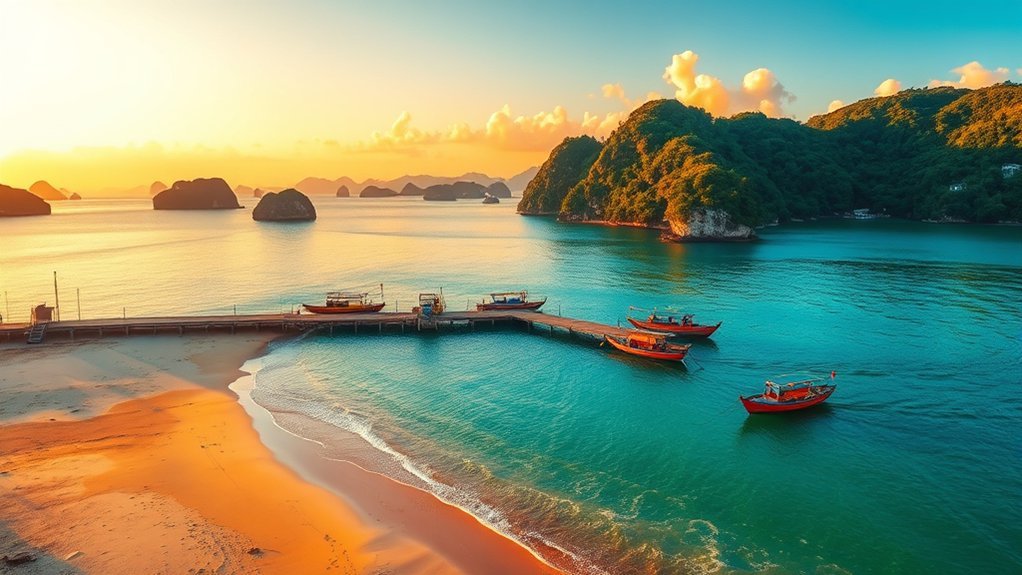
Hon Son Island, also known as Hòn Sơn, Hòn Sơn Rái, or Lại Sơn Island, is a compact mountain-and-beach escape in Vietnam’s Gulf of Thailand. From the mainland port at Rạch Giá, you can take a speedboat, explore fishing communities and beaches by motorbike, hike Ma Thiên Lãnh, and enjoy seafood close to the wharf. Two or three nights gives you enough time to experience the island without rushing.
Quick Answer
Hon Son Island lies about 60 to 65 kilometers west of Rạch Giá. Reach it by speedboat, stay two or three nights, explore the coast by motorbike, and allow half a day for Ma Thiên Lãnh. November to April is usually drier, but always recheck marine forecasts and ferry schedules before departure.
Key Takeaways
- Hòn Sơn is now part of Kiên Hải Special Zone, An Giang Province. Older maps may still place it in Kiên Giang Province.
- Most travelers depart from Rạch Giá and spend about one to two hours on a speedboat, depending on the vessel and sea conditions.
- Bãi Bàng, the coastal road, fishing communities, and Ma Thiên Lãnh are the island’s main attractions.
- Motorbike rental is the most practical way to explore, but inspect the bike and wear a helmet.
- Bring cash, flexible plans, sun and rain protection, sturdy shoes, and a buffer before any important mainland connection.
Hon Son at a Glance
| Current Location | Kiên Hải Special Zone, An Giang Province, Vietnam |
| Distance from Rạch Giá | Approximately 60 to 65 kilometers west |
| Approximate Area | About 11.5 to 11.7 square kilometers |
| Typical Crossing | About one to two hours by speedboat |
| Recommended Stay | Two or three nights |
| Main Transport | Rental motorbike or transfer arranged by your accommodation |
| Usually Drier Period | November to April, although daily weather still varies |
Disclosure: As an Amazon Associate I earn from qualifying purchases. Some links on this page are affiliate links, at no extra cost to you.
Where Is Hon Son Island?
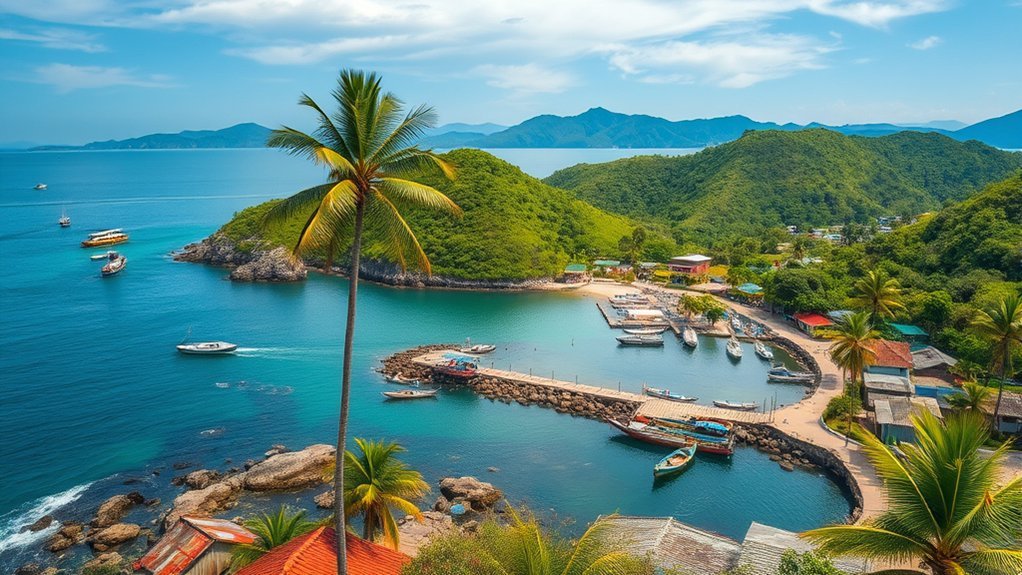
Hòn Sơn lies in the Gulf of Thailand, approximately 60 to 65 kilometers west of Rạch Giá. The island covers about 11.5 to 11.7 square kilometers and has a mountainous green interior surrounded by rocky coastline, fishing settlements, and small beaches.
As of July 1, 2025, Hòn Sơn is part of Kiên Hải Special Zone, An Giang Province. Older travel guides, maps, addresses, and business listings may still describe it as Lại Sơn Commune, Kiên Hải District, Kien Giang Province.
The island is sometimes described as peanut-shaped when viewed on a map. Its interior contains several hills and mountains, with Ma Thiên Lãnh as the best-known summit. Large boulders, gardens, forested slopes, village roads, and sheltered coves create a landscape that feels much more rugged than a developed resort island.
Note: Search both “Hon Son” and “Lai Son” when checking tickets, maps, accommodation, or local information. Operators and booking platforms do not always use the same island name.
Best Time to Visit Hon Son Island
November to April is usually the easiest period for a Hon Son Island trip because southern Vietnam generally receives less rain during these months. Calmer days can make the boat crossing, swimming, motorbike rides, and hiking more comfortable. However, dry-season timing does not guarantee calm seas or clear skies.
May to October normally brings the southern rainy season and southwest monsoon. Rain may arrive in short bursts or last much longer, and stronger wind or waves can delay or cancel boats. You can still visit during this period, but keep your schedule flexible and avoid placing a flight or important appointment immediately after your planned return crossing.
Warning: Check the latest marine forecast and reconfirm both ferry legs before leaving for the port. A departure shown online can change because of tides, wind, waves, maintenance, or instructions from local authorities.
March through May can also be very hot. Small islands may experience pressure on stored freshwater during long dry spells, so use water responsibly and ask your accommodation whether any temporary restrictions are in place.
Pro Tip: Stay for at least two nights and keep one mainland buffer day before an international flight. A one-night trip leaves little room for weather changes or a relaxed island circuit.
How to Get to Hon Son Island
Most trips begin at the passenger port in Rạch Giá. From Ho Chi Minh City, you can take a daytime or overnight coach to Rạch Giá, hire a private transfer, or check for a direct flight to Rạch Giá Airport. Flight dates and frequency vary, so search the live Vietnam Airlines booking page before building your itinerary around a flight.
The speedboat crossing generally takes about one to two hours, depending on the operator, vessel, stopping pattern, tide, and sea conditions. The exact boarding and arrival times printed on your ticket should take priority over times copied from blogs or older social-media posts.
| Option | What to Know |
|---|---|
| Superdong | The official timetable lists a Rạch Giá–Hòn Sơn route and warns that times may change with tides and weather. |
| Phu Quoc Express | The operator lists Rạch Giá–Hòn Sơn among its routes. Check whether your travel date is open for booking. |
| Ngoc Thanh Express | Older guides may mention this operator, but do not rely on it without confirming a current official schedule and booking channel. |
| Slower or conventional boat | Local or cargo-oriented services may be slower, limited, or unsuitable for a fixed tourist itinerary. Confirm passenger availability directly at the port. |
Ferry Booking Checklist
- Book both the outward and return crossings, especially for weekends and public holidays.
- Use the passenger name and identification details exactly as requested by the operator.
- Carry the passport or identification document used during booking.
- Save the operator’s phone number and your accommodation’s contact details offline.
- Check baggage, child-ticket, and motorbike-transport rules before paying.
- Follow the arrival time stated by the operator and allow extra time to find the correct counter.
- Reconfirm the return trip the day before leaving the island.
If you are prone to seasickness, choose a seat near the vessel’s center where movement may feel less severe. Eat lightly before boarding and keep water, tissues, and a sealable bag within reach. Use motion-sickness medicine only according to its directions, and ask a pharmacist or clinician first if you have a medical condition, take other medicine, are pregnant, or are traveling with a child.
Do not rely on convenient ATM or card access after arrival. Carry enough Vietnamese dong for accommodation balances, meals, fuel, rentals, and an unexpected extra night. Divide the money between two secure places rather than carrying everything in one wallet.
Things to Do on Hon Son Island
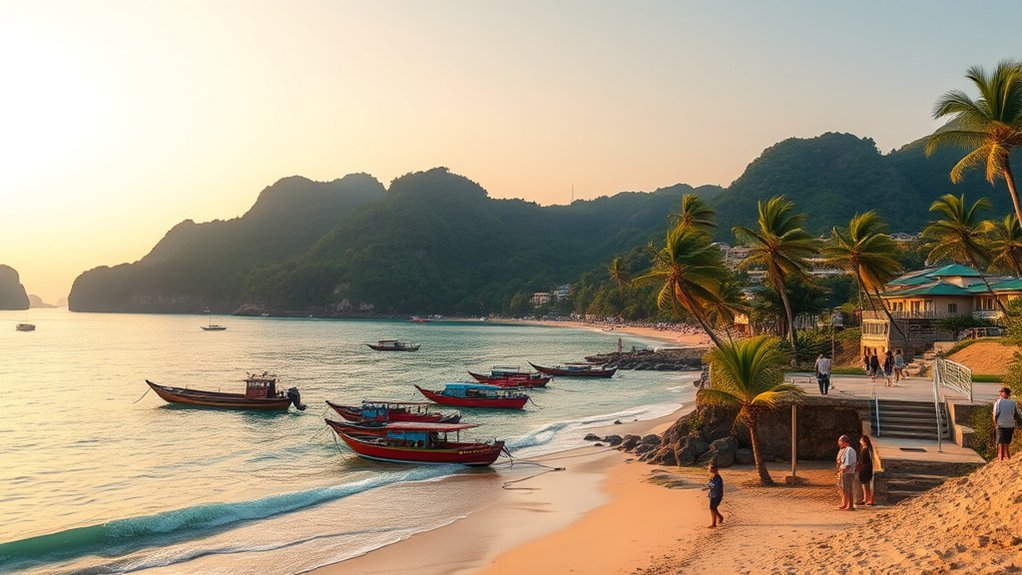
Hon Son Island combines beaches, mountain scenery, fishing communities, religious sites, roadside viewpoints, and simple local food. The island is compact enough to explore without a packed schedule, but weather and road conditions should still guide your plans.
- Swim or relax at Bãi Bàng: One of the island’s most popular beach areas, with palms, sand, and generally easier shore access than many rocky stretches.
- Hike Ma Thiên Lãnh: Allow roughly half a day. The summit rises about 450 meters above sea level, and parts of the route can be steep, uneven, slippery, or poorly marked.
- Ride the coastal circuit: Stop at viewpoints, village lanes, temples, small beaches, harbors, and roadside food stalls.
- Visit Bãi Bắc and Bãi Giếng: These areas provide a closer look at fishing activity, boats, markets, and everyday island life.
- Eat near the wharf: Seafood restaurants and evening food stalls are usually easiest to find near populated areas, although the number of vendors varies by day.
- Ask about local work: Your host may be able to explain fishing, aquaculture, gardening, or food production. Do not enter working areas or assume that a private fish-sauce facility offers public tours.
Ma Thien Lanh Hiking Safety
Ma Thiên Lãnh is not a casual paved viewpoint. Conditions vary, and vegetation, loose stones, wet roots, heat, and confusing turns can make the route difficult. Start early, wear closed-toe shoes with good grip, carry more water than you expect to need, and ask your accommodation about current trail conditions.
Warning: Do not begin the climb during heavy rain, thunderstorms, extreme heat, or late afternoon. Consider hiring a local guide, avoid hiking alone, and turn back if the trail becomes unsafe or difficult to follow.
Suggested Two-Day Hon Son Itinerary
Day 1: Arrival, Beaches, and the Coastal Road
- Take a morning boat from Rạch Giá and arrange port pickup or motorbike rental with your accommodation.
- Check in, leave your luggage, and eat lunch near the wharf or your homestay.
- Spend the early afternoon at Bãi Bàng.
- Ride part of the coastal road, stopping at Bãi Bắc, village viewpoints, and roadside temples where access is permitted.
- Watch the sunset from a safe western-coast pull-off rather than stopping in the traffic lane.
- Choose seafood for dinner and confirm the price before the kitchen prepares it.
Day 2: Mountain, Villages, and Departure
- Start the Ma Thiên Lãnh hike early if the weather, trail, and your fitness level are suitable.
- Return for lunch and rest before the hottest part of the afternoon.
- Visit Bãi Giếng, a market area, or another fishing community.
- Buy water and snacks before returning to the port.
- Reconfirm your boat and arrive with enough time for check-in.
A third night gives you more flexibility for bad weather, a slower hike, additional swimming, or a full day without arrival and departure pressure.
Hon Son Island Beaches and Viewpoints
Hòn Sơn’s coastline changes between sandy beaches, village harbors, boulder fields, sea walls, and rocky shorelines. Bãi Bàng is the best-known swimming area, while Bãi Bắc and Bãi Giếng are more closely connected to village and fishing activity. The coastal road also provides open sea views without requiring a mountain climb.
Best Beaches
- Bãi Bàng: A popular choice for swimming and relaxing, with sand, palms, and easier shore access.
- Bãi Bắc: Better for fishing-village scenery, boats, and local activity than for expecting an empty resort beach.
- Tam Ca Guest House area: Older visitor information mentions clear water near this property. Confirm public or guest access before entering an accommodation-linked shoreline.
- Bãi Đá area: The north coast has lodging and swimming spots, but day access, water depth, and shore conditions vary.
- Western coast: Good for sunset rides and rocky sea views. Use caution around coral, sharp rocks, slippery surfaces, and sea urchins.
- Bãi Giếng: A useful stop for village lanes, market activity, food stalls, and western-coast scenery.
Water clarity and cleanliness can change with wind, tides, rain, fishing activity, and runoff. Check the shore before entering, ask local residents about current conditions, and do not assume that a beach has lifeguards.
Warning: Avoid swimming alone, after dark, during storms, near active boat channels, or where waves push against rocks. Wear water shoes on rocky entries, watch for sea urchins, and never stand on or remove living coral.
Scenic Viewpoints
Ma Thiên Lãnh offers the island’s best-known high viewpoint, but it requires time, suitable weather, and a careful climb. For an easier option, ride the coastal road and stop only where you can move completely out of traffic.
Bãi Bắc provides views of fishing boats, closely built homes, and working shoreline areas. Bãi Giếng and the western side are useful for late-afternoon light and sunsets. Respect private homes and working areas, keep noise low, and ask before photographing people at close range.
What to Eat on Hon Son Island
Fresh fish, squid, shrimp, crab, clams, and sea snails are common choices, but the available catch changes with weather and fishing conditions. You may also find noodle soups, rice dishes, fried fish, bánh mì, bún riêu, and occasionally bún quậy near the wharf, markets, or populated village areas.
Seafood may be priced by plate, portion, animal, or kilogram. Before ordering, ask:
- Whether the displayed price is per kilogram or per plate.
- Whether the fish or shellfish will be weighed before cooking.
- Whether cooking, seasoning, or preparation adds a separate fee.
- Whether rice, vegetables, sauces, and drinks are included.
- What the final estimated total will be.
Seafood Spots
Older visitor guides mention businesses such as Quan Ken, Island Homestay, and Quan Ngau Binh Dan. Small-island restaurants can change names, hours, ownership, and menus, so ask your accommodation which places are currently open instead of relying on a fixed online list.
- Look near the wharf and central village areas for the widest choice.
- Choose busy stalls where food appears to be handled and cooked promptly.
- Ask to see the seafood and price before agreeing to an order.
- Night-market-style food stalls may offer fried fish, grilled seafood, noodles, or snacks, but the number of vendors can vary.
- Try bún quậy when available, but do not assume every restaurant serves it daily.
If you have a shellfish allergy or other dietary restriction, use a translated written message and confirm whether the same grill, oil, broth, or utensils are used for multiple dishes.
Local Breakfasts
Markets and small counters near populated areas are the best places to look for breakfast. Bún riêu, bánh mì, rice, and simple noodle soups are more practical morning choices than ordering a large seafood meal.
Seafood hotpot and sea-snail dishes may be available, but they are not guaranteed breakfast foods at every stall. Save them for lunch or dinner unless a vendor is already serving them. Go early because small shops may sell out rather than follow fixed closing hours.
Where to Stay on Hon Son Island
Most accommodation consists of homestays, guesthouses, simple hotels, and bungalows rather than large international resorts. Standards vary, so review recent guest photos and confirm the facilities that matter to you before paying a deposit.
- Central or former Lại Sơn town area: Convenient for the wharf, food, shops, and onward transport.
- Bãi Bắc: Suitable for fishing-village atmosphere and a quieter stay away from the busiest beach.
- Bãi Bàng: A practical choice when beach access is your priority, although weekends can feel busier.
- Sea-view bungalows: Attractive for scenery, but ask about steps, road access, swimming conditions, and distance from food.
- Weekends and holidays: Reserve early and confirm the cancellation policy in case boats are disrupted.
Questions to Ask Before Booking
- Does the room have air conditioning, a fan, or both?
- Is hot water available?
- Does the property arrange port pickup?
- Can it organize a motorbike or local guide?
- Is breakfast included?
- Is the quoted price the complete room price?
- What happens to the deposit if boats are cancelled?
- Is mobile data or Wi-Fi normally available in the room?
- Are there steep stairs, hills, or long walks from the road?
Two or three nights is usually enough for the beach, coastal circuit, local food, and one major hike. Keep expectations realistic: island rooms may be simpler, smaller, or noisier than mainland hotels at the same price.
How to Get Around Hon Son Island
Motorbike rental is the most practical way to explore independently. Many visitors arrange a bike through their homestay or guesthouse. Do not expect app-based ride-hailing or a frequent public bus network. Local transfers may be available, but they should be arranged directly with your host.
The island has a compact paved coastal road, often described in visitor guides as a loop of roughly 15 kilometers. The distance you ride will depend on your starting point, detours, side roads, and stops.
Motorbike Rental Checklist
- Photograph the bike from all sides before leaving.
- Test both brakes, lights, indicators, horn, mirrors, and fuel gauge.
- Confirm the daily price, fuel arrangement, return time, and damage policy.
- Ask whether helmets are included and choose one that fits securely.
- Keep the rental contact number with you.
- Ride slowly around blind bends, village lanes, wet surfaces, animals, children, and parked fishing equipment.
- Do not ride after drinking alcohol.
You can walk short sections near your accommodation, beach, or village, but the heat and distance make walking the full circuit uncomfortable for many visitors. A bicycle or electric bike may occasionally be available, although hills, rain, and battery range can limit its usefulness.
Note: Carry small cash for fuel and rentals. Card acceptance and cash machines should not be treated as guaranteed, even when an older listing says a service is available.
What to Pack for Hon Son Island
- Passport or identification used for ferry booking.
- Enough Vietnamese dong for the full stay and an emergency extra night.
- Waterproof phone pouch or dry bag for the boat and sudden rain.
- Sun hat, sunscreen, sunglasses, and light breathable clothing.
- Compact rain jacket or poncho.
- Closed-toe hiking shoes with good grip.
- Water shoes for rocky beach entries.
- Refillable water bottle and extra water for the mountain hike.
- Basic first-aid supplies and any personal medicine.
- Insect repellent.
- Power bank and charging cables.
- Sealable bags for wet clothing and rubbish.
Pack lightly enough to handle your own bag at the port. Keep identification, money, medicine, electronics, and one change of clothes in a bag that stays with you rather than in inaccessible luggage.
Hon Son Island Travel Tips for First-Time Visitors
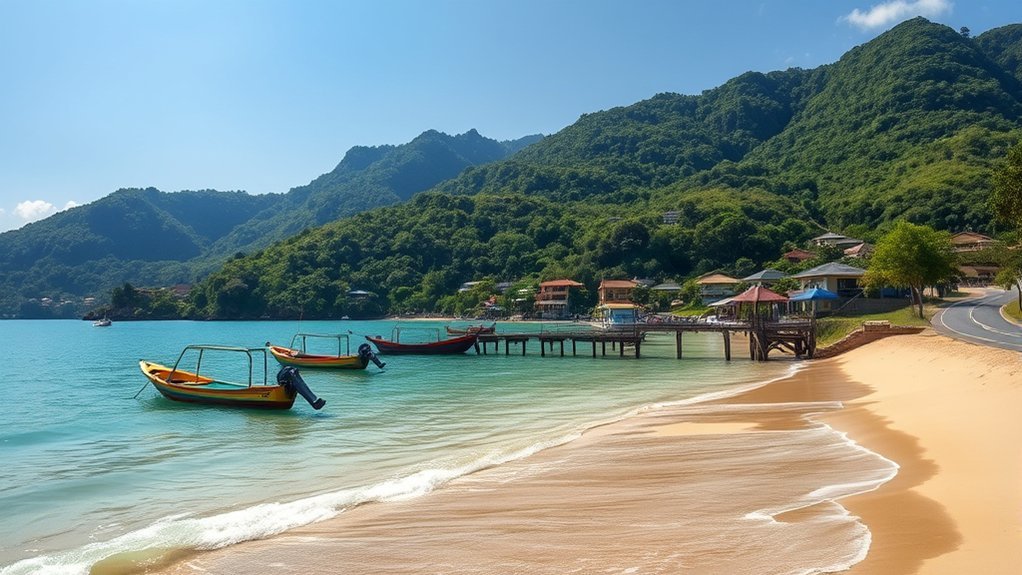
- Reconfirm the outward and return boats instead of relying on a screenshot from an older schedule.
- Bring enough cash for the trip and keep emergency money separate.
- Book accommodation early for weekends, festivals, and public holidays.
- Ask your accommodation to arrange port pickup, motorbike rental, or a hiking guide.
- Keep a flexible mainland connection after your return boat.
- Wear modest clothing when entering temples or religious sites.
- Ask permission before photographing residents, homes, fishing work, or children.
- Carry your rubbish until you find a suitable bin.
- Reduce single-use plastic and refill your water bottle where safe.
- Use freshwater carefully, especially near the end of the dry season.
- Save ferry, accommodation, and emergency contact numbers offline.
Medical facilities and supplies on a small island may be limited. Bring essential medicine, avoid activities beyond your fitness or experience, and consider travel insurance that covers domestic medical transport and weather-related disruption.
Pro Tip: Ask your host what has changed recently. Local advice is often more useful than an old blog for trail conditions, swimming spots, restaurant openings, roadwork, and the next day’s boat.
Frequently Asked Questions
What Is One of the Biggest Mistakes You Can Make in Vietnam?
For a Hon Son trip, one of the biggest mistakes is scheduling a tight same-day flight or important connection after the return boat. Weather and sea conditions can change departures. Relying entirely on cards or arriving without enough cash can also create problems on smaller islands.
What Makes Hon Son Island Unique?
Hòn Sơn combines a roughly 450-meter mountain, a compact coastal road, fishing communities, boulder-lined shoreline, small beaches, and local seafood within one small island. It feels more like a lived-in fishing island than a purpose-built international resort.
Is $1000 Enough for 2 Weeks in Vietnam?
It can be enough for some budget travelers, but it is not guaranteed. Your total depends on exchange rates, flights, room type, tours, nightlife, intercity transport, and how often you eat in tourist-oriented restaurants. Build a daily budget and keep a separate emergency reserve.
Is $100 a Lot in Vietnam?
One hundred US dollars can cover several low-cost meals, local transport, and simple accommodation, but it is not a large amount for every situation. Flights, private tours, resorts, imported products, and emergency changes can use it quickly.
How Many Days Do You Need on Hon Son Island?
Two nights is a practical minimum. Three nights is better if you want to hike Ma Thiên Lãnh, spend time at the beach, explore the coastal road, and keep some flexibility for rain or boat changes.
Can You Visit Hon Son During the Rainy Season?
Yes, but rain, wind, and waves are less predictable from roughly May to October. Use refundable bookings when possible, monitor official forecasts, reconfirm your boat, and keep a buffer before important mainland connections.
Do You Need Cash on Hon Son Island?
Yes. Some businesses may accept transfers or cards, but you should not depend on convenient ATM or card access. Bring enough Vietnamese dong for food, accommodation, motorbike rental, fuel, and an unexpected extra night.
Conclusion
Hon Son Island works best when you give it enough time and keep your plans flexible. The combination of Bãi Bàng, Ma Thiên Lãnh, fishing communities, coastal roads, and fresh local food can fill two or three relaxed days. Confirm your boats, carry cash, respect village life, conserve water, and choose activities that match the weather and your experience.
Sources
- Government Resolution 1654/NQ-UBTVQH15 — current Kiên Hải Special Zone and An Giang administrative status.
- Vietnam National Authority of Tourism: Hòn Sơn — island area, distance from Rạch Giá, landscape, and Ma Thiên Lãnh elevation.
- Superdong Official Boat Schedule — Rạch Giá–Hòn Sơn service and schedule-change warning.
- Phu Quoc Express Fleet and Routes — operator route information for Rạch Giá and Hòn Sơn.
- Vietnam Airlines: Ho Chi Minh City to Rạch Giá — current flight-search option and availability.
- National Center for Hydrometeorological Forecasting — southern rainy-season, monsoon, wind, and marine-risk context.

