
Last Updated on August 23, 2026 by Mason Reed
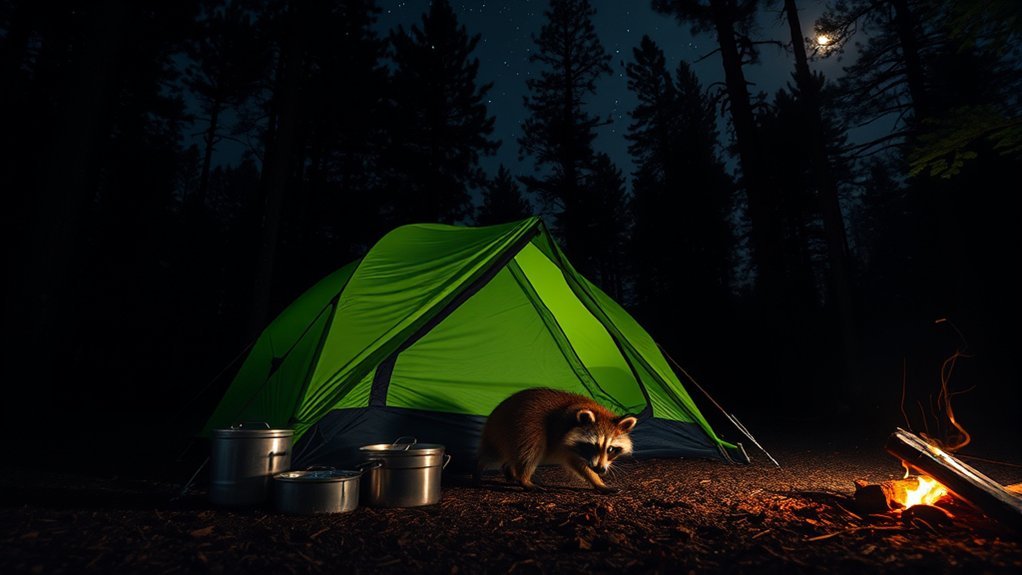
Keeping raccoons away from your tent and food starts with one rule: remove anything that attracts them. Store food securely, manage trash carefully, avoid strong scents around camp, and follow local wildlife rules. A clean campsite and proper food storage are the best defenses against curious raccoons looking for an easy meal.
Quick Answer
To keep raccoons away from your tent, store all food, trash, and scented items in secure containers, clean cooking areas after meals, and never leave food unattended. Use repellents only as an extra measure because proper storage and campsite hygiene are the most reliable ways to prevent raccoon visits.
Key Takeaways
- Never keep food, snacks, or scented items inside your tent.
- Secure garbage immediately after cooking and eating.
- Approved storage containers and campground lockers are the safest options.
- Homemade repellents may help but should not replace proper food storage.
At a Glance
| Time Required | A few minutes of preparation before and after meals |
| Difficulty | Easy with proper camping habits |
| Tools Needed | Secure containers, garbage bags, cleaning supplies, storage straps |
| Cost | Low to moderate depending on storage gear |
Disclosure: As an Amazon Associate I earn from qualifying purchases. Some links on this page are affiliate links, at no extra cost to you.
Items You Will Need
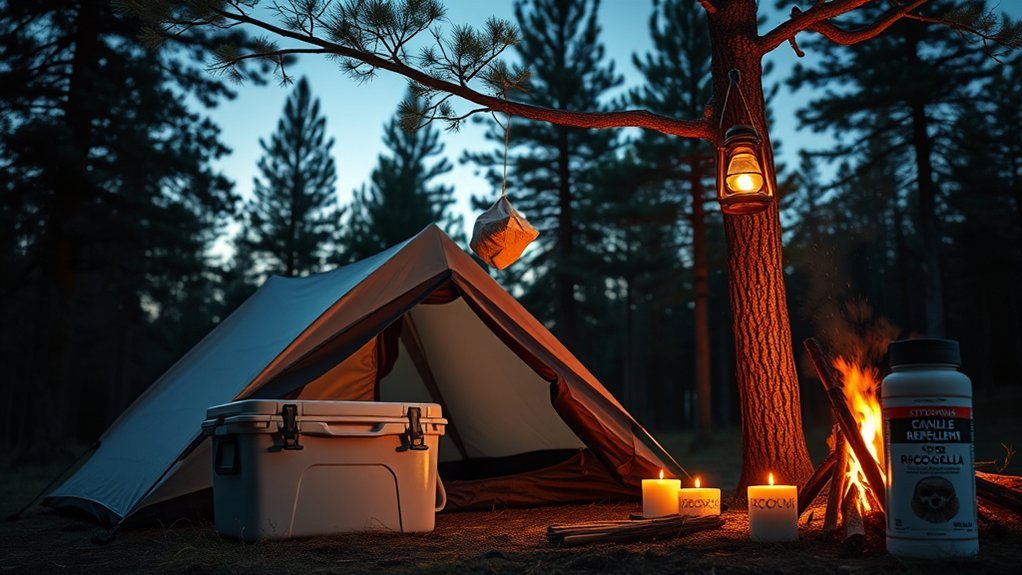
Before heading outdoors, pack the supplies that help prevent raccoons from finding easy food sources. Useful items include heavy-duty garbage bags, secure food containers, locking coolers, straps or bungee cords, and cleaning supplies for cooking areas.
Some campers also use odor-based deterrents such as dryer sheets or homemade sprays. These may provide limited assistance, but they should never replace secure storage and good campsite practices.
Warning: Never rely only on smells or sprays to protect food. A hungry raccoon can ignore many temporary deterrents when food is available.
Garbage Disposal
Trash is one of the biggest reasons raccoons visit campsites. Clean waste management reduces odors and removes the easiest food source.
- Use strong garbage bags that will not easily tear.
- Seal food scraps immediately after meals.
- Use campground dumpsters or approved storage areas whenever available.
- Clean food residue from tables, grills, and cooking equipment.
Pro Tip: Wash dishes and cooking tools before going to sleep. Small food smells can attract wildlife during quiet nighttime hours.
Secure Your Food
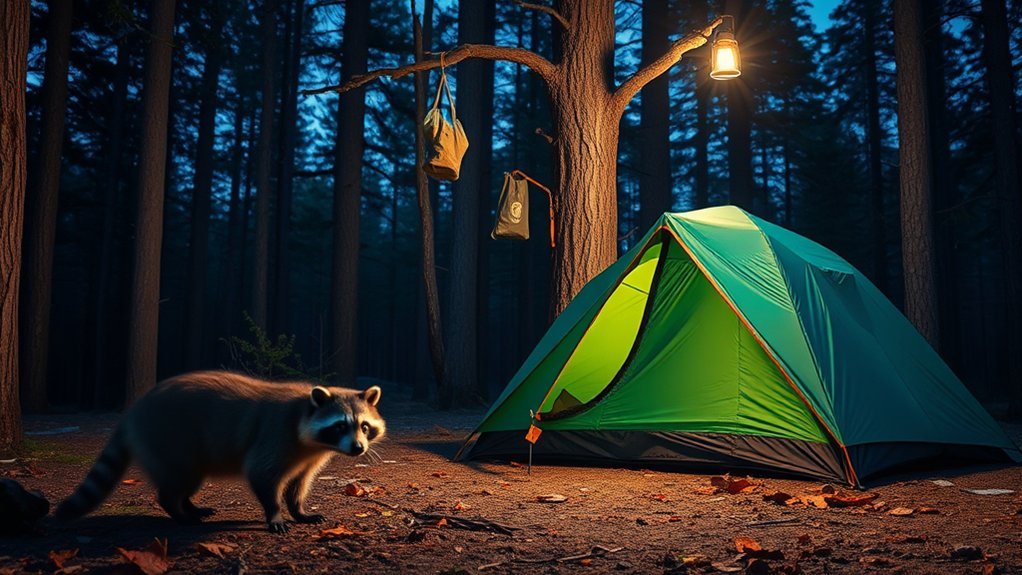
Food storage is the most important step in preventing raccoon problems. Keep meals, snacks, pet food, and scented items inside secure containers or locked coolers instead of leaving them on picnic tables or inside your tent.
Raccoons are intelligent animals and can open many containers that are not properly secured. Follow campground rules for food storage, especially in areas where wildlife encounters are common.
Raccoon Repellent
Some campers use homemade sprays made with strong-smelling ingredients such as peppers and onions. These may discourage raccoons temporarily, but they work best as a backup measure.
- Mix strong-smelling ingredients with water.
- Apply around areas where animals may approach.
- Avoid spraying food preparation areas or places where people sit.
- Reapply after rain or when odors disappear.
The most effective deterrent remains removing food and trash sources from your campsite.
Safety Precautions
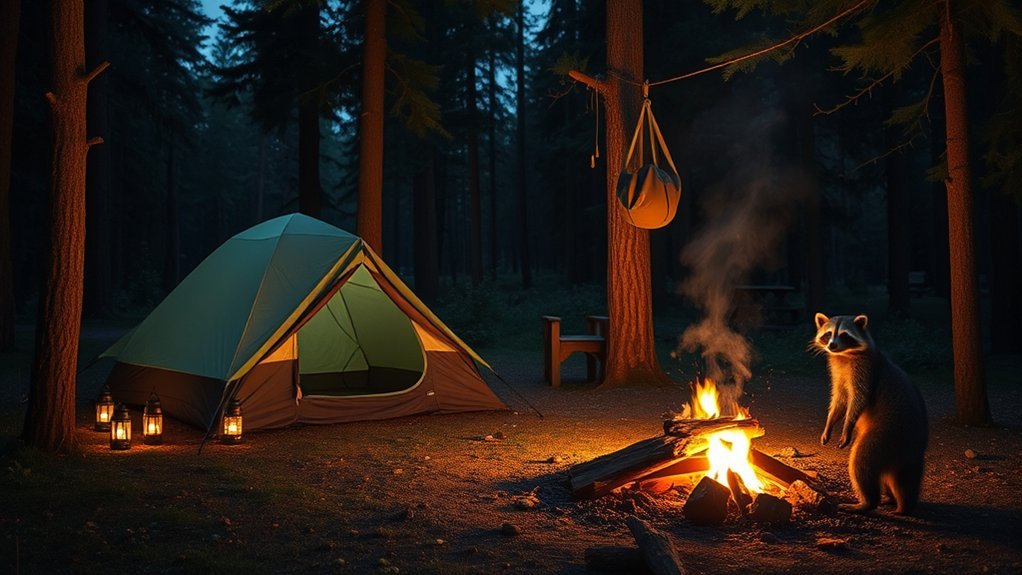
Raccoons usually avoid people, but they can act defensively if they feel threatened. Never approach, feed, or attempt to handle a wild raccoon.
If a raccoon enters your campsite, stay calm, secure food sources, make yourself appear larger, and give the animal a clear path to leave. Avoid cornering it or allowing children or pets to approach.
Note: Always check local campground wildlife rules because storage requirements can differ by park and region.
Frequently Asked Questions
What time of night are raccoons most active?
Raccoons are mainly active at night, especially around dusk and after dark when they search for food.
Can raccoons climb trees to reach food?
Yes. Raccoons are skilled climbers, which is why following local food-storage rules is more reliable than simply placing food higher.
Are raccoons dangerous to humans?
Raccoons normally avoid people, but they may become defensive if threatened. Keep your distance and never feed them.
How can I identify raccoon tracks?
Raccoon tracks often look like small handprints with five toes. Finding tracks can help you recognize wildlife activity near camp.
Conclusion
Keeping raccoons away while camping is mostly about preparation. Secure food, remove trash quickly, clean your cooking area, and avoid attracting wildlife with easy meals. With simple habits and proper storage, you can protect your campsite and enjoy a safer outdoor experience.
Sources
- National Park Service Wildlife Safety — wildlife awareness and responsible outdoor practices.
- USDA Forest Service Outdoor Safety Resources — public land recreation guidance.
