
Last Updated on July 25, 2026 by Caleb Warren
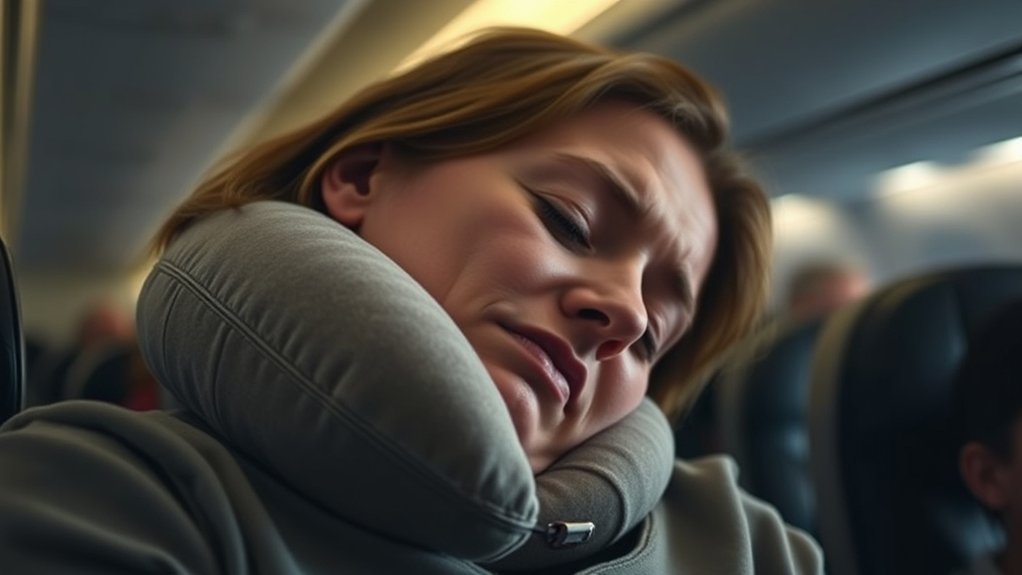
Using a U-shaped travel pillow correctly can transform your journey from a restless, neck-straining experience into a restorative rest. While most travelers place the thick cushion behind their neck, reversing the pillow so the bulk sits under your chin prevents your head from dropping forward—the primary cause of travel-induced neck pain.
Quick Answer
To keep your head from falling forward, wear your U-shaped travel pillow backward with the thickest section under your chin and the opening facing your back. Secure the chin strap or snapping mechanism tightly to lock your neck in neutral alignment while sitting upright in your seat.
Key Takeaways
- Turn it around: Placing the thickest cushion under your chin prevents forward head bobbing when sitting upright.
- Lock the strap: Use the snap toggle or strap to stabilize your cervical spine and stop side-to-side tilting.
- Adjust your seat: Combine pillow positioning with folded airplane headrest wings for complete lateral head support.
- Choose high-density foam: Memory foam offers superior contouring compared to loose microbeads or low-cost polyester.
At a Glance
| Time Required | 1–2 minutes |
| Difficulty | Beginner |
| Tools Needed | U-shaped travel pillow with snap/clasp |
| Cost | $15 – $40 |
Disclosure: As an Amazon Associate I earn from qualifying purchases. Some links on this page are affiliate links, at no extra cost to you.
Common Travel Pillow Mistakes and How to Fix Them

Many travelers experience neck stiffness because they place the thickest portion of their U-pillow behind their neck while sitting fully upright. According to clinical guidelines on sleep ergonomics from the Sleep Foundation, leaning forward causes the cervical spine to overextend, putting undue strain on muscles and ligaments.
When you sleep upright, gravity pulls your jaw and head forward as your muscles relax. Placing the open ends of a U-pillow in front leaves your chin unsupported. Correcting this simple error by reversing the orientation stabilizes your jawline, maintains neutral alignment, and prevents muscle spasms upon landing.
Pro Tip: Most modern airplane seats feature adjustable headrests. Bend the side wings inward to form a cradle around your upper head, then use your travel pillow under your chin for 360-degree stability.
Essential Features for the Perfect Travel Pillow
Selecting an effective travel pillow requires looking beyond plush fabrics. High-performance models incorporate specific structural elements designed to keep your spine aligned throughout long transit periods.
Snapping Mechanism Benefits
A integrated snapping mechanism or adjustable drawstring toggle allows you to lock the pillow snugly around your neck. This prevents the pillow from opening up or sliding out of place when your body relaxes during deep sleep cycles.
Optimal Neck Positioning
Look for pillows with asymmetrical contours—thicker side lobes and a tapered rear or front bridge. This design allows you to adjust the bulk precisely where your neck requires support, preventing forced forward head posture against rigid airplane seats.
Secured Around Neck
A secure fit eliminates micro-movements that wake you up when shifting in your seat. Adjustable straps help accommodate scarves, hoodies, or varying neck dimensions to ensure steady support without restricting airway passages.
How to Position Your Travel Pillow for Maximum Comfort
To establish ideal support during transit, follow these structural positioning steps:
- Position for Chin Support: Rotate the pillow so the rounded, thickest section sits directly under your chin.
- Secure the Clasp: Connect the front snap or cinch strap behind your neck (or under your chin, depending on orientation) to hold the ends firm.
- Adjust Seat Angle: Recline your seat slightly if allowed to shift a portion of your body weight off your lower back.
- Align with Headrest: Rest your upper head back against the seat cushion while the pillow supports the lower mandible.
“Proper cervical alignment during sitting sleep reduces trapezius tension and prevents forward head posture syndrome common on long-haul transit.”
The Connection Between Proper Pillow Use and Better Sleep Quality
Restful sleep on planes or trains depends on maintaining neutral spinal alignment. When your neck bends sharply sideways or drops forward, your brain alerts your nervous system to wake up and protect your airway and cervical vertebrae.
By securing your head in a neutral position, you minimize sleep disruptions caused by sudden head bobbing. Proper support allows you to enter deeper REM and slow-wave sleep phases, reducing jet lag and travel fatigue upon arrival at your destination.
My Travel Pillow Experience in Japan
During a long-haul flight to Tokyo, Japan, utilizing a proper reverse-positioning technique made a noticeable difference in overall fatigue. Navigating extensive bullet train transit across the country further proved that quick adjustments in pillow support dramatically improve daytime energy levels.
Travel Pillow Selection Tips
Different materials offer varying levels of support, durability, and packability. Use the comparison below to select the right material for your travel style:
| Material Type | Average Size | Snapping Strap | Support Level |
|---|---|---|---|
| Memory Foam | Standard (12×16 in) | Yes | High (Contoured) |
| Inflatable Core | Compact (10×14 in) | Yes | Medium (Adjustable) |
| Microbeads | Large (14×18 in) | Optional | Low-Medium |
| Polyester Fill | Variable | Yes | Low |
Proper Positioning Benefits
When properly aligned under the jawline, high-density memory foam distributes the weight of your head evenly. This configuration alleviates pressure from the upper thoracic spine, letting you awaken refreshed without severe muscular tightness.
Visual Benefits of Correct Pillow Positioning
Beyond comfort, maintaining proper posture prevents uncomfortable slumping in tight spaces. Wearing a travel pillow with chin support holds your jaw in a natural resting position, preventing your mouth from dropping open while sleeping in public cabins.
Tips for Using Your Travel Pillow Effectively
- Test Multiple Angles: If your seat reclines significantly, rotate the pillow slightly sideways to support your jaw on your preferred sleeping side.
- Tighten Snaps: Keep the attachment buckle snug so the pillow does not widen as you relax into sleep.
- Clear Eyewear and Accessories: Remove eyeglasses and bulky headphones that can push against pillow bolsters and throw off your alignment.
Warning: Avoid overtightening chin straps or drawstrings. The pillow should cradle your jaw without pressing against your windpipe or restricting breathing.
Frequently Asked Questions
Can I use a travel pillow on public transportation?
Yes. Travel pillows work effectively on buses, trains, subway lines, and commuter flights to reduce muscle strain caused by transit vibrations and sudden stops.
What materials should I look for in a travel pillow?
High-density memory foam provides the best cervical support and contouring. Inflatable pillows are ideal for space-saving carry-on travel, while microbead pillows offer softer, breathable flexibility.
How do I clean my travel pillow properly?
Unzip and machine-wash the removable outer cover in cold water on a gentle cycle. Spot-clean memory foam cores with a damp cloth and mild soap; never submerge memory foam in water.
Are there travel pillows designed for side sleepers?
Yes. Asymmetrical pillows with elevated side bolsters or wrap-style supports (like the Trtl pillow) hold your head securely sideways when leaning against window seats.
How can I store my travel pillow when not in use?
Compress memory foam pillows into their included compression sacks and attach them to your carry-on luggage handles using the snap strap to save internal bag space.
Conclusion
Mastering travel pillow positioning removes a primary source of transit discomfort. By placing the thickest support under your chin, securing the front snap, and adjusting your seat headrest, you protect your cervical spine from unnecessary strain. Implement these positioning techniques on your next trip to arrive rested and ready for your destination.
Sources
- Sleep Foundation — Ergonomic evaluation of travel pillow materials and cervical alignment.
- Federal Aviation Administration — Passenger health guidelines and seating comfort recommendations.
- Mayo Clinic — Causes and prevention of acute neck strain from posture.

