
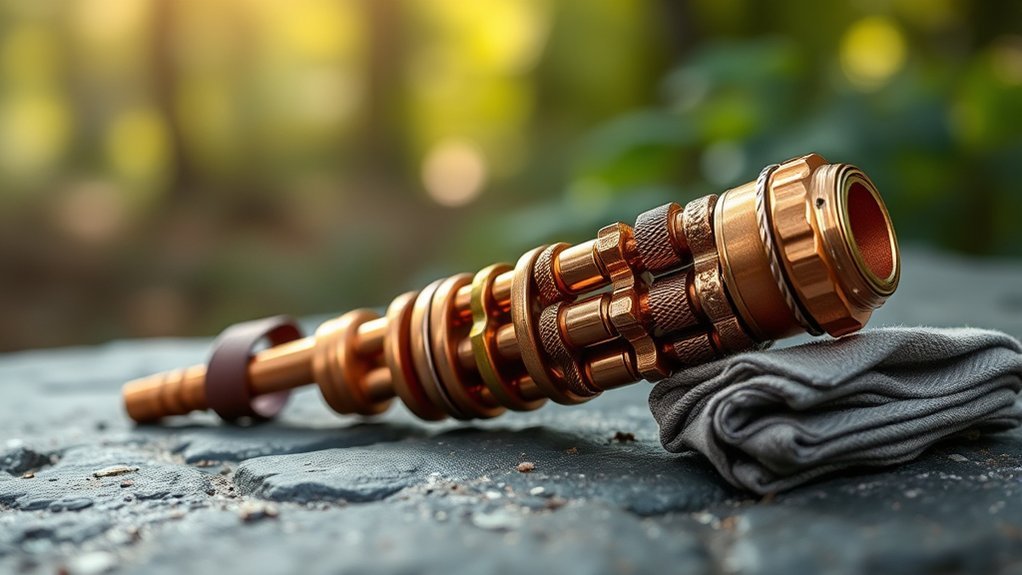
Last Updated on July 22, 2026 by Mason Reed
A collapsible hiking staff telescopes or threads together in segments, letting you adjust its length for your height or the trail. Shorten it for packing, extend it for a steep climb — when the sections lock properly, they form a single column that should feel rigid, not wobbly, under your weight.
Disclosure: As an Amazon Associate I earn from qualifying purchases. Some links on this page are affiliate links, at no extra cost to you.
How a Collapsible Hiking Staff Works
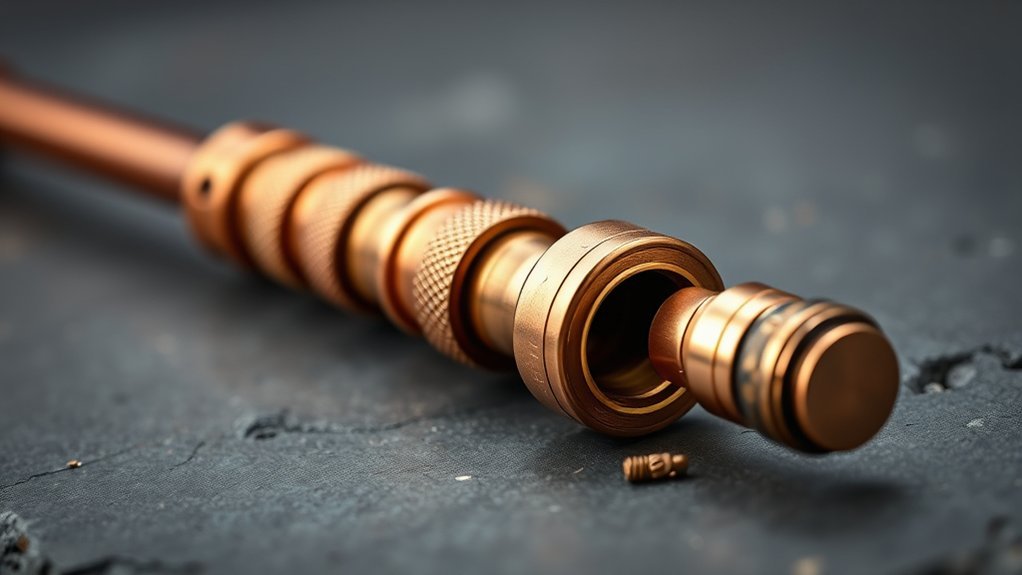
A collapsible hiking staff works by using threaded or telescoping segments that you extend or retract to set the overall length. Twisting or locking each section together turns the staff into a single rigid column that resists flex under load. Metal-framed designs — copper, aluminum, and similar — tend to hold up well outdoors and resist rust, while a solid locking mechanism and ergonomic grip help spread effort evenly through your hand, wrist, and shoulder instead of concentrating stress in one spot. A well-built staff should move with you, not fight you, on uneven ground.
Note: This article covers the general design concept, care, and use of a hiking staff. It does not include specific joint-assembly instructions (adhesives, pins, fastening methods), since a staff’s structural safety depends on verified load ratings and proper engineering that can’t be confirmed from a general guide. If you’re building one from scratch, have the joints assessed by someone with relevant materials or engineering experience before relying on it for weight-bearing support, especially on technical terrain.
Care and Maintenance
Whatever staff you end up with, a few habits keep it dependable: check every joint and the tip for looseness before each hike, clean it after use, and store it somewhere dry so metal parts don’t corrode and wood parts don’t warp. If a joint ever develops play or flex that wasn’t there before, treat that as a signal to stop using it until it’s repaired or replaced, not something to hike through.
Frequently Asked Questions
How to Make Your Own Hiking Staff?
Homemade staffs are typically built from tubing or wood segments joined with connective fittings, adhesive, and a durable tip. The joints are the part that most needs real scrutiny — verify load capacity and fastening strength with someone qualified before trusting a homemade staff with your full weight.
Which Leg Is Moved First When Using a Cane?
Move the cane forward together with the leg opposite your weaker side. This spreads your weight across the strong leg and the cane at the same time, improving balance and stability. If you’re using a staff or cane for actual mobility support rather than casual hiking, a physical therapist or doctor can help fit it to the right height and teach correct technique.
What Is the Difference Between Hiking Staff and Trekking Poles?
A hiking staff is a single rigid pole, while trekking poles come as an adjustable pair, often with some shock absorption. A staff can feel traditional and stable for one-handed use; a pair of trekking poles generally offers better balance and takes some impact off your knees, especially on descents.
How Thick Should a Walking Staff Be?
Most walking staffs run about 1 to 1.5 inches in diameter. A thicker staff suits a heavier user or a heavier pack load, while a thinner one is easier to grip for lighter use. The right choice comes down to your hand size and the terrain you’ll be covering.
Conclusion
A good collapsible hiking staff is sturdy, packable, and easy to adjust for the trail ahead. Whatever design you use, check the joints and tip before every hike, and don’t ignore new wobble or play in a connection — a staff that stays reliable is one you inspect regularly, not just one you built once and trusted.
