Last Updated on July 27, 2026 by Daniel Globe
A hiking date can feel relaxed and memorable without requiring a complicated outfit. The goal is to look put-together while wearing clothing that lets you move comfortably, handle the trail, and adapt if the weather changes. Start with the route and forecast, then choose shoes, layers, bottoms, and accessories that make sense for those conditions.
Quick Answer
For a hiking date, wear comfortable trail shoes or boots you already trust, moisture-managing layers, flexible hiking pants, shorts, leggings, or a skort, and weather-ready accessories such as a hat and UV-blocking sunglasses. Let the trail difficulty and forecast decide how technical your outfit needs to be, then pack water, snacks, navigation, and basic safety gear.
Key Takeaways
- Choose your hiking-date outfit for the actual trail, weather, distance, and difficulty—not just for photos.
- Wear familiar footwear with enough traction for the terrain and pair it with wool or synthetic hiking socks.
- Use removable layers so you can adjust as your body warms up or the weather changes.
- Flexible, quick-drying pants, shorts, leggings, or skorts usually work better than stiff or restrictive clothing.
- Bring sun protection, water, snacks, navigation, a first-aid kit, and other essentials appropriate for the route.
- Style still matters: clean gear, coordinated colors, and one or two personal touches can make a practical hiking outfit feel date-ready.
Disclosure: As an Amazon Associate I earn from qualifying purchases. Some links on this page are affiliate links, at no extra cost to you.
Plan the Trail Before You Plan the Outfit
A casual one-hour walk on a maintained park trail calls for a different outfit than a steep half-day hike over loose rocks. Before deciding what to wear, check the route’s distance, elevation gain, surface, exposure, expected weather, and how far you will be from your vehicle or other shelter.
The National Park Service’s Hike Smart guidance recommends researching the route and terrain before leaving and carrying equipment appropriate for the trip.
For a hiking date with someone who does not hike often, choosing a moderate route can also make the experience more enjoyable. You will have more energy for conversation instead of spending the entire date struggling up a trail that is harder than expected.
Pro Tip: If you want the outfit to feel more like a date outfit, start with real hiking clothes and add style through clean shoes, coordinated colors, a favorite hat, a neat overshirt, or simple accessories. Do not sacrifice traction, mobility, or weather protection just to look dressier.
Choosing the Right Footwear for Hiking Dates
Footwear is one of the most important parts of a hiking-date outfit because sore feet can spoil an otherwise easygoing day. Choose your shoes according to the trail rather than assuming every hike requires a heavy boot.
For rough dirt, gravel, rocky paths, or uneven terrain, sturdy hiking shoes or boots with a grippy rubber sole can provide useful protection and support. The National Park Service recommends sturdy rubber-soled hiking footwear for many natural-surface trails and notes that lighter athletic footwear may be suitable for easier paved routes.
On well-maintained trails, a comfortable hiking shoe or trail-running shoe may be enough if it provides the traction and fit you need. On rougher or off-trail terrain, a more protective boot may be preferable. Ankle-supporting boots can feel more secure to some hikers, but no type of footwear can eliminate the possibility of a slip or ankle injury.
Wear Shoes You Already Trust
A hiking date is a poor time to test brand-new footwear. Wear the shoes on shorter walks first so you know whether they create heel rubbing, toe pressure, or hot spots. Your toes should have enough room that they do not repeatedly hit the front of the shoe on descents.
Pair your footwear with wool or synthetic hiking socks that manage moisture. NPS guidance specifically recommends wool or synthetic socks for longer hikes and suggests carrying blister supplies such as moleskin.
Do You Need Waterproof Shoes?
Waterproof footwear is useful on wet trails, through shallow mud, or when hiking in persistent rain. However, waterproof membranes can feel warmer and less breathable than highly ventilated shoes. For a hot, dry hike, a breathable trail shoe may be more comfortable.
Choose waterproofing because the conditions require it—not simply because “waterproof” sounds better.
Layering for Comfort and Style

Layering lets you respond to changing temperatures without carrying a completely different outfit. It is especially useful when the morning is cool, the trail is exposed to wind, or the temperature drops after sunset.
The National Park Service’s Denali hiking guidance recommends synthetic, wool, fleece, and similar layers for variable conditions because these materials manage moisture and insulate more effectively than wet cotton.
Base Layer
Your first layer should feel comfortable against the skin and manage sweat. A lightweight polyester, nylon-blend, or merino-wool shirt works well for many hikes. In warm conditions, this may be the only top you need while moving.
Mid Layer
For cooler conditions, add an insulating layer such as a fleece, lightweight synthetic jacket, or weather-appropriate down layer. Choose something that can be removed easily and packed when you warm up.
Outer Layer
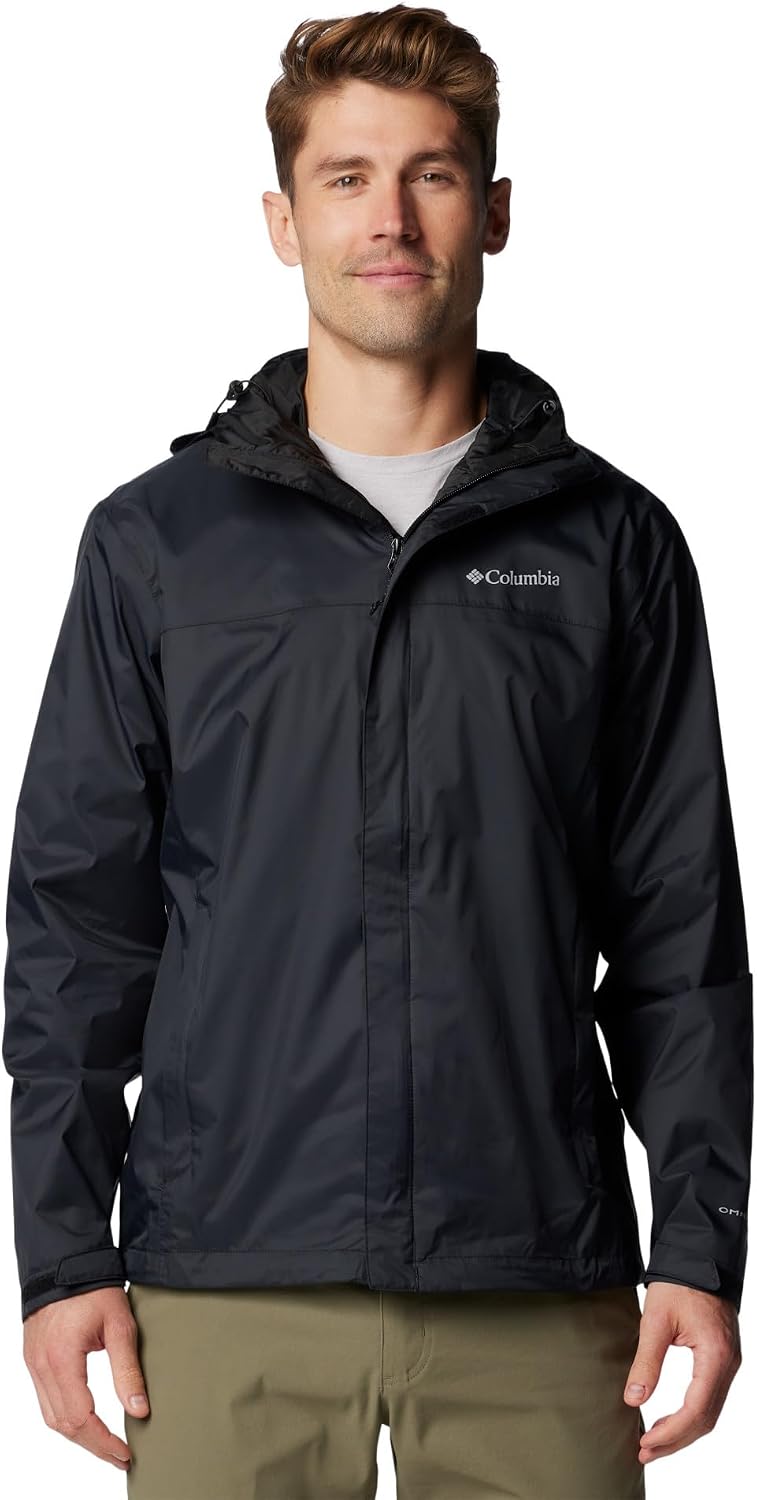
If rain is possible, carry a true waterproof rain shell. A windbreaker works well for dry, breezy weather, while many softshell jackets provide wind resistance and light weather protection but are not substitutes for a waterproof shell in steady rain.
Note: Cotton is not automatically unacceptable on every short, dry walk. The bigger concern is wet or cold weather: cotton holds moisture and loses much of its insulating value when wet, so synthetic or wool layers are safer choices when conditions may change.
Selecting the Perfect Bottoms for Hiking Dates
| Bottoms | Material | Useful Features | Price |
|---|---|---|---|
| Hiking Pants | Quick-drying nylon or stretch blend | Stretch, secure pockets, optional UPF protection or zip-off legs | Varies by brand and features |
| Hiking Shorts | Polyester, nylon, or stretch blend | Breathability, stretch fabric, secure pockets | Varies by brand and features |
| Hiking Skirt or Skort | Lightweight nylon-spandex or similar stretch blend | Built-in shorts, flexible waistband, secure pocket options | Varies by brand and features |
Comfort and freedom of movement should guide your choice of bottoms. Hiking pants and shorts made from quick-drying stretch fabrics are useful because they move with you and dry faster than heavy cotton if they become damp.
Leggings can also work well on many established trails, especially when you prefer a close fit. For brushy terrain, scrambling, or areas with thorns, sturdier pants provide better protection.
If you prefer a skirt, choose a hiking skirt or skort designed for active movement. Built-in shorts can help with coverage and chafing. A skort is especially practical on an easier date hike because it combines a dressier appearance with the movement of shorts.
Whatever style you choose, squat, step up, and take a few long strides before leaving home. If the waistband pinches or the fabric restricts your hips and knees, it will probably become more annoying as the hike continues.
Accessorizing for Functionality and Fashion
Accessories can make a hiking outfit feel more intentional, but trail function should come first.
Hat and Sun Protection
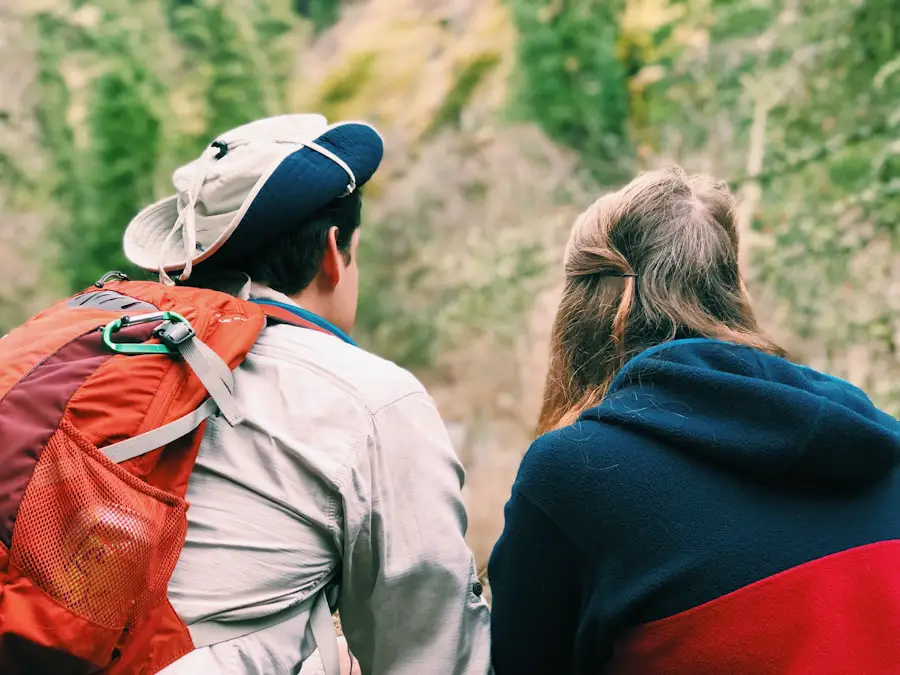
A brimmed hat helps shade your face, ears, and neck. The CDC recommends combining shade, protective clothing, a hat, sunglasses, and broad-spectrum sunscreen when UV protection is needed.
Sunglasses
Choose sunglasses that block both UVA and UVB rays. Polarized lenses are optional but useful because they reduce glare from water, pale rock, snow, and other reflective surfaces. Polarization and UV protection are different features, so check for UV protection rather than assuming polarized lenses automatically provide it.
Backpack
A small daypack is usually more comfortable than stuffing essentials into clothing pockets. Look for adjustable shoulder straps and enough room for water, snacks, extra layers, navigation, first-aid supplies, and anything else the route requires.
Keep Jewelry Simple
Small earrings, a simple necklace, or a watch can make an outfit feel more date-ready, but avoid accessories that swing, snag on vegetation, or become uncomfortable under backpack straps.
Considerations for Weather and Terrain

Check the local forecast before you leave and look beyond the daytime high temperature. Wind, rain, thunderstorms, overnight cooling, trail exposure, and elevation can all affect what feels comfortable.
Warning: A rain jacket does not make a thunderstorm safe. The National Weather Service says no place outdoors is safe when a thunderstorm is in the area. If you hear thunder, move to a substantial enclosed building or hard-topped vehicle when one is accessible. Consider postponing exposed or remote hikes when thunderstorms are expected.
Warm-Weather Hiking-Date Outfit
- Lightweight moisture-managing T-shirt or sun shirt
- Hiking shorts, breathable pants, leggings, or a skort
- Breathable trail shoes
- Wool or synthetic socks
- Brimmed hat
- UVA/UVB-blocking sunglasses
- Plenty of water and sun protection
Cool or Cold-Weather Hiking-Date Outfit
- Synthetic or merino base layer
- Hiking pants or weather-appropriate leggings
- Fleece or insulating mid layer
- Wind or rain shell as conditions require
- Warm socks and appropriate hiking footwear
- Hat and gloves when temperatures warrant them
Rainy Hiking-Date Outfit
- Quick-drying base layer
- Waterproof rain shell
- Quick-drying hiking pants rather than heavy jeans
- Footwear with good wet-surface traction
- Waterproof or water-resistant footwear when useful for the route
- Dry spare layer protected inside your pack
Brushy or Tick-Prone Trails
Long pants and long sleeves offer more coverage from brush and biting insects. The CDC recommends precautions such as walking near the center of trails, using appropriate insect repellent, considering permethrin-treated clothing or gear, and checking your body and clothing for ticks after being outdoors.
Permethrin products intended for clothing and gear should be used according to their labels and should not be applied directly to skin.
What Not to Wear on a Hiking Date
A hiking date does not require expensive technical clothing, but a few outfit choices can make the day unnecessarily uncomfortable.
- Unfamiliar shoes: New footwear may create pressure points or rubbing that you did not notice in the store.
- Heels, flip-flops, or slick fashion shoes: These usually lack the traction and protection needed on natural trails.
- Heavy cotton clothing in wet or cold conditions: Cotton can stay wet for a long time and provides little insulation when soaked.
- Restrictive jeans or pants: Stiff fabric can limit your stride on steep steps, rocks, or scrambles.
- Overly warm clothing you cannot remove: Starting slightly cool and carrying an extra layer is often more practical than overheating once you start climbing.
- Dangling accessories: Large jewelry or loose items can snag on vegetation or interfere with backpack straps.
Packing Essentials for a Hiking Date
Even a casual hiking date deserves basic preparation. What you carry should reflect the route, weather, season, remoteness, and length of the outing.
The National Park Service’s current Great Smoky Mountains hiking guidance organizes basic preparation around the Ten Essentials:
- Navigation: map, compass, GPS, or another dependable route reference
- Sun protection: sunglasses, sunscreen, and a hat
- Insulation: extra layers and rain protection appropriate for the conditions
- Illumination: a headlamp or flashlight
- First aid: a stocked first-aid kit appropriate for the trip
- Fire: where appropriate and permitted, emergency fire-starting supplies
- Repair kit and tools: items suited to your equipment
- Food: snacks plus extra food appropriate for the route
- Hydration: water and, when necessary, a treatment method
- Emergency shelter: a lightweight shelter option appropriate to the trip
For planning purposes, Great Smoky Mountains National Park lists at least 1 liter of water per 2 hours of hiking. Treat that as a starting point rather than a universal amount: heat, humidity, elevation, exertion, route length, and individual needs can increase how much water you should carry.
For snacks, choose food that is easy to eat and carry, such as trail mix, bars, fruit, sandwiches, or another option that works for you. A small first-aid kit should include supplies appropriate for minor cuts, scrapes, and blisters, plus any personal medication you may need.
Do not rely on a smartphone alone for every safety function. Battery life, cold temperatures, damage, and poor cellular coverage can all create problems, especially on remote trails.
First-Date Safety and Comfort
If this is an early date with someone you do not know well, the hiking plan matters just as much as the outfit. A popular, established trail during daylight hours may be a better choice than an isolated backcountry route.
The National Park Service recommends telling someone where you are going and when you expect to return. That is useful for any hike, not just a date.
- Agree on the route and expected difficulty before meeting.
- Choose a hike both people genuinely feel comfortable completing.
- Share your route and expected return time with a trusted person.
- Carry your own essential medication, water, phone, identification, and transportation information.
- Do not let pressure to impress your date push you onto unsafe terrain or past a sensible turnaround point.
A good hiking date should leave room to talk, stop for a view, eat a snack, and turn around if either person is uncomfortable.
Embracing Style and Practicality on Hiking Dates
The best hiking-date outfit does not have to look like an expedition uniform. You can wear colors and cuts that feel like you while still choosing footwear with traction, flexible bottoms, practical layers, and useful accessories.
For an easy trail, that might mean clean trail shoes, flattering leggings or hiking pants, a fitted moisture-managing shirt, and a lightweight overshirt. For a colder hike, the same idea can work with a coordinated fleece or jacket. A skort, sun shirt, colorful hat, or favorite sunglasses can add personality without making the outfit less functional.
What matters most is that you can walk naturally, stay comfortable as conditions change, and carry what you need. When your clothes work with the hike instead of against it, you can spend less time thinking about your outfit and more time enjoying the trail and the person beside you.
You may also want to browse our Spring 2025 waterproof sneakers guide. Because that roundup was created for the 2025 season, re-check current models, availability, fit, and trail suitability before choosing footwear for a new hike.
Love travel? Join Our Facebook Community For More Tips.
Frequently Asked Questions
What should I wear for a hiking date?
Wear comfortable hiking or trail shoes, flexible bottoms, a moisture-managing top, and removable layers appropriate for the forecast. Add practical accessories such as a hat and UV-blocking sunglasses. Your outfit can still look polished through coordinated colors, clean gear, and simple personal touches.
What type of clothing is best for a hiking date?
Lightweight, flexible clothing made from synthetic or wool-based performance fabrics works well for many hikes because it manages moisture and dries relatively quickly. Cotton can be comfortable on a short, dry walk, but it is a poor choice when cold, rain, or prolonged dampness is possible.
What kind of footwear should I wear for a hiking date?
Choose familiar footwear with traction appropriate for the trail. Lightweight hiking shoes or trail-running shoes can work on many maintained trails, while rougher terrain may justify sturdier boots. Wear the shoes before the date so you know they fit comfortably, and pair them with wool or synthetic socks.
Should I bring any accessories for a hiking date?
Yes. A small backpack can carry water, snacks, extra layers, navigation, first-aid supplies, sun protection, and other essentials appropriate for the trail. A brimmed hat and UVA/UVB-blocking sunglasses are also useful for sunny conditions.
What should I consider when choosing hiking attire for a date?
Consider the trail surface, distance, elevation, weather, vegetation, temperature, and how remote the route is. Dress so you can add or remove layers, move without restriction, and protect yourself from the expected sun, rain, wind, insects, or cold.
Can I wear leggings on a hiking date?
Yes. Stretchy athletic leggings can be comfortable on established trails and are easy to style for a date. For rough, thorny, cold, or heavily brush-covered trails, sturdier hiking pants may provide better protection.
Can I wear jeans on a hiking date?
Jeans can be acceptable for a short, easy walk in reliably dry, mild weather if they are comfortable and do not restrict movement. They are less suitable for longer or more technical hikes, especially when rain or cold is possible, because denim can stay wet and become heavy and uncomfortable.
Sources
- Great Smoky Mountains National Park — Hiking — Ten Essentials and current hydration planning guidance.
- National Park Service — Hike Smart — route planning, hiking equipment, footwear, socks, navigation, food, and water.
- Denali National Park — Discovery Hikes — layering, wet-weather clothing, cotton limitations, and footwear guidance.
- National Weather Service — Lightning Safety — thunderstorm and lightning precautions.
- CDC — Sun Safety Facts — protective clothing, hats, sunscreen, and UVA/UVB-blocking sunglasses.
- CDC — Preventing Tick Bites — clothing, repellent, treated gear, trail habits, and post-hike tick checks.