
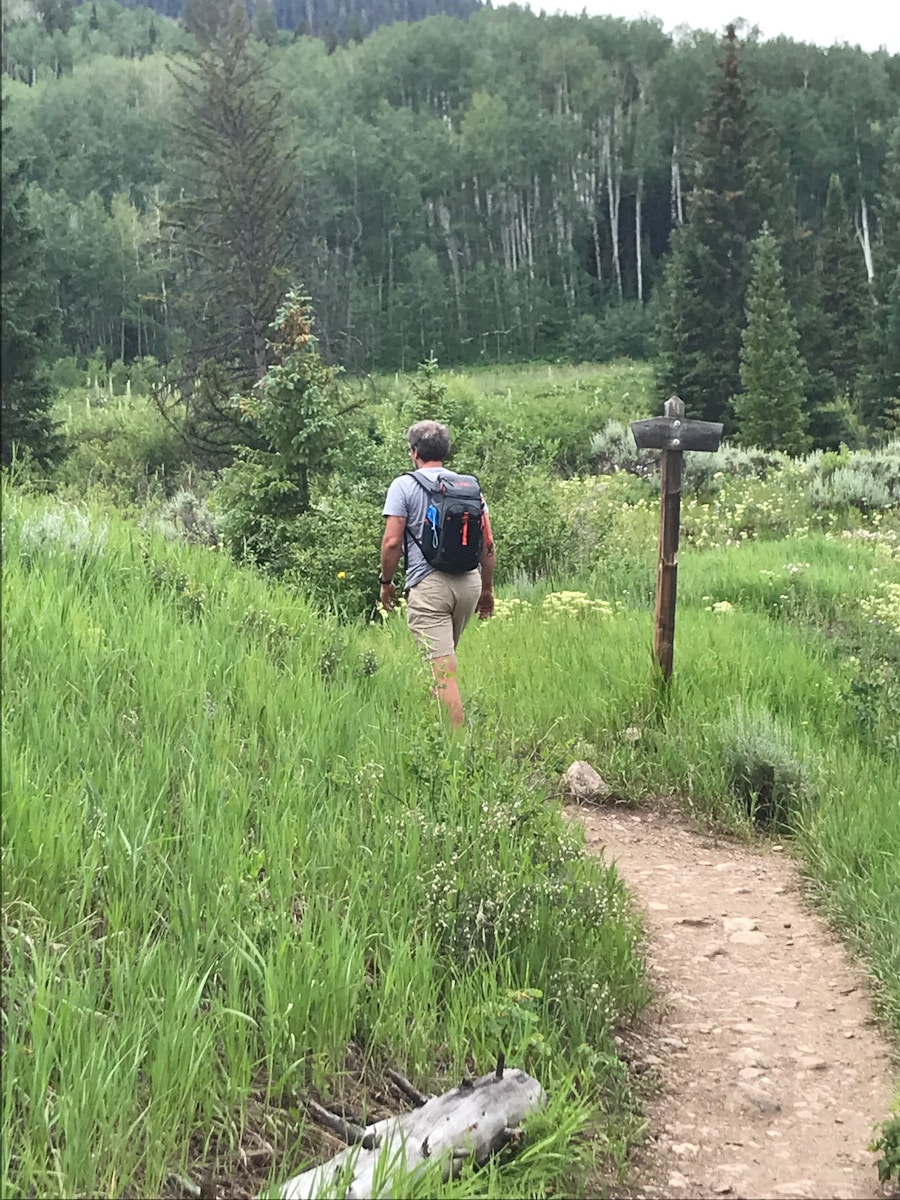
Last Updated on September 10, 2026 by Daniel Globe
Hiking can make a memorable first date when both people genuinely enjoy the outdoors, the route fits the less-experienced hiker, and the setting feels comfortable and safe. It also takes more planning than meeting for coffee. Trail difficulty, weather, daylight, transportation, footwear, and how well you know your date all matter.
Quick Answer
Yes, hiking can be a good first date when both people enjoy the outdoors, the route fits the less-experienced hiker, and the setting feels safe. If you have never met before, choose a short, public, populated trail with an easy exit—or meet for coffee or a park walk first.
Key Takeaways
- Hiking works best as a first date when both people actually want an active outdoor outing rather than feeling pressured into one.
- Choose the trail for the less-experienced hiker. A short, well-marked route is usually better than trying to impress each other with distance or elevation.
- If you are meeting a stranger or online match, favor a busy public park or popular trail rather than a remote or isolated route.
- Check the official trail page, weather, closures, daylight, parking, and access before leaving.
- Bring appropriate water, food, navigation, sun protection, layers, first-aid supplies, and a light based on the route and conditions.
- Keep control of your own transportation and tell someone you trust where you are going and when you expect to return.
- Have an easy Plan B such as coffee, a botanical garden, a public park walk, or another activity if the trail or weather no longer feels right.
At a Glance
| Time Required | A short outing of about 1–2 hours is a practical first-date target for many people. Allow enough time to finish comfortably before dark. |
| Difficulty | Easy to moderate is usually best. Base the route and pace on the less-experienced hiker. |
| Tools Needed | Water, snacks, navigation, weather-appropriate clothing, sun protection, basic first aid, a charged phone, and any route-specific essentials. |
| Cost | Often free or low-cost, although parking, entrance fees, permits, rentals, or transportation costs vary by location. |
Disclosure: As an Amazon Associate I earn from qualifying purchases. Some links on this page are affiliate links, at no extra cost to you.
Benefits of Hiking as a First Date Activity
One reason hiking can work well as a first date is that you are doing something together instead of sitting across a table trying to keep a conversation going. The trail itself provides natural things to talk about, from the scenery to wildlife, travel, hobbies, and places you would both like to visit.
Walking side by side can also feel less formal than dinner. You can talk when conversation flows, pause to look at a view, or enjoy a quiet stretch without every silence feeling awkward.
There is also a genuine physical-activity benefit. According to the Centers for Disease Control and Prevention, a session of moderate- to vigorous-intensity physical activity can provide immediate health benefits, including reduced feelings of anxiety. A leisurely hike will not necessarily reach that intensity, and exercise does not guarantee that first-date nerves will disappear, but movement may help some people feel more comfortable.
A good hiking date is not about proving who is fitter. It is about choosing a pace that lets both people walk, talk, and enjoy the outing comfortably.
Hiking also gives you a chance to see whether you enjoy the same kind of outdoor experience. One person may love stopping for photographs and identifying plants, while another may prefer covering miles quickly. Those differences are useful to discover, but neither approach is inherently better.
Reaching a viewpoint or finishing a trail together can create a memorable shared experience. The key is choosing a route that leaves both people feeling good rather than exhausted, rushed, or pressured.
Considerations for Choosing a Hiking Location
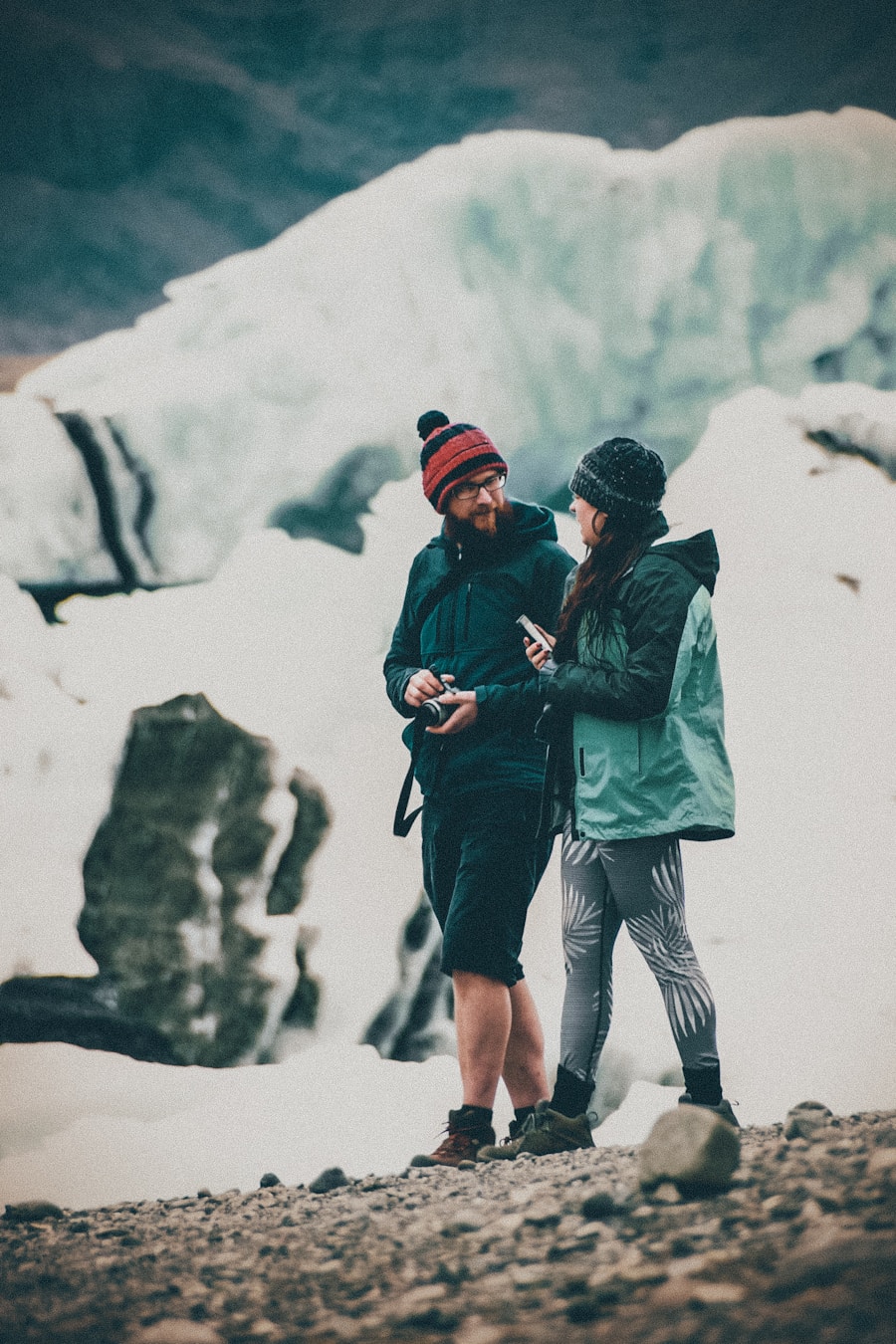
The trail you choose matters more on a first date than it might on a normal weekend hike. Difficulty, distance, elevation, surface, accessibility, crowds, daylight, parking, restrooms, and the ability to leave easily should all be considered.
Choose for the Less-Experienced Hiker
The National Park Service’s hiking-safety guidance recommends choosing a route that everyone in the group can complete and enjoy safely. For a date, that means asking about hiking experience rather than assuming both people mean the same thing when they say a trail is “easy.”
A well-marked, relatively straightforward route is usually a better first-date choice than a steep summit, technical scramble, exposed ridge, or remote backcountry trip. If one person normally hikes ten miles and the other rarely hikes, plan around the less-experienced person.
Favor a Public, Populated Setting for Someone New
If this is the first time you are meeting someone from an app or online conversation, trail isolation deserves special attention. RAINN’s safer in-person dating guidance recommends choosing a public, populated location and avoiding isolated places during early dates.
A busy urban trail, popular park loop, waterfront path, botanical garden, or well-used nature preserve can still give you an outdoor experience without putting you miles from other people or your transportation. A secluded wilderness trail is better saved for someone you already know and trust.
Warning: No safety strategy can guarantee that another person will behave safely. If you are meeting someone new, choose a setting where you feel comfortable, keep control of your transportation, tell someone you trust about the date, and leave if anything feels wrong. Your safety matters more than finishing the hike or being polite.
Check the Practical Details
Look at the official park, forest, recreation-area, or land-manager website before the date. Confirm the trail is open and check for closures, wildfire restrictions, washed-out bridges, seasonal access, permit requirements, construction, or other alerts.
Also check parking hours and fees, restroom availability, whether dogs are allowed if either person plans to bring one, and the time of sunset. A beautiful sunset can be romantic, but an unplanned walk back in darkness is not.
Tips for Planning a Hiking First Date
| Tip | Description |
| Choose the right trail | Select a well-marked route that suits both fitness and experience levels. For someone you have never met, favor a public, well-used location. |
| Check the weather | Review the forecast shortly before leaving and change plans if thunderstorms, dangerous heat, flooding, wildfire conditions, or other hazards make the route unsafe. |
| Pack essentials | Bring appropriate water, snacks, navigation, sun protection, first-aid supplies, extra clothing, and other gear required by the route and conditions. |
| Wear appropriate clothing | Dress for the forecast and terrain. Wear footwear you already know is comfortable rather than breaking in new shoes on the date. |
| Plan for breaks | Stop when either person needs to rest, drink, eat, or enjoy the view. Do not turn the date into a fitness test. |
| Keep an exit option | Know where you can turn around and how long it takes to return to the trailhead. A short loop or out-and-back route is easier to shorten if needed. |
| Plan transportation | When meeting someone new, having your own way home allows you to leave independently if you become uncomfortable or simply want to end the date. |
Start by talking openly about what each person expects. One person may picture a relaxed walk with frequent stops, while the other imagines a fast three-hour climb. Agreeing on distance, elevation, approximate duration, meeting point, and pace before the date prevents many problems.
Pro Tip: A first-date trail with a coffee shop, visitor center, picnic area, or other public place nearby gives you options. You can shorten the hike if the weather changes or extend the date somewhere comfortable if you are both having a good time.
Check the Route and Conditions
Use the official trail or park website as your primary source for current information. Check the route length, elevation, surface, closures, hazards, parking rules, and whether a permit or entrance reservation is required.
Download the map before leaving if you use a phone for navigation. The National Park Service warns that cellular coverage may not be available on trails, so a phone should not be your only plan. Depending on the route, a physical map or other navigation backup can also be valuable.
Pack for the Actual Hike
The NPS Ten Essentials organize hiking preparation around navigation, sun protection, extra clothing, illumination, first aid, fire, repair tools, extra food, hydration, and emergency shelter. A short urban park walk does not require the same load as a backcountry trip, but the underlying idea is useful: prepare for the conditions and consequences of your specific route.
For a typical short hiking date, that may include water, snacks, sunscreen, sunglasses or a hat, a weather-appropriate extra layer, a small first-aid kit, navigation, a charged phone, and a headlamp when there is any chance of being out near dusk. Bug repellent may also make sense where mosquitoes or ticks are common.
Wear clothing that lets you move comfortably and matches the forecast. Comfortable walking or hiking shoes with traction appropriate for the terrain matter more than dressing formally. Do not use a first date to break in stiff new boots.
Tell Someone Your Plans
For hiking safety, NPS recommends leaving a trip plan with someone who is not joining the hike. For dating safety, RAINN similarly recommends telling a trusted person where you are going, who you are meeting, and when you expect to return.
That plan can include the trail name, trailhead, expected return time, your date’s name or profile information, and your transportation plan. Location sharing with someone you trust is another option if you are comfortable using it.
Potential Challenges of Hiking as a First Date
Hiking has several advantages, but it also creates problems that a coffee or lunch date does not.
Different Fitness Levels
If one person hikes every weekend and the other is new to trails, the stronger hiker can easily set an uncomfortable pace without realizing it. Let the slower or less-experienced hiker set the pace. Take breaks without making anyone feel as though they are holding the group back.
It Can Be Harder to End the Date Early
If you discover ten minutes into a café date that there is no chemistry, leaving is simple. Halfway around a long trail loop, you may still have miles to walk together. That is another reason a shorter route with an obvious turnaround point is better for a first outing.
Weather Can Change the Plan
Rain, excessive heat, wildfire smoke, snow, flooding, high winds, or thunderstorms can turn a pleasant route into a poor choice. Check the forecast and local alerts shortly before leaving rather than relying on a forecast you saw several days earlier.
If thunderstorms threaten, do not treat lightning as a minor inconvenience. The National Weather Service advises that there is no safe place outdoors when thunderstorms are in the area. If you hear thunder, move to a substantial enclosed building or hard-topped vehicle and wait at least 30 minutes after the last thunder before resuming outdoor activity.
Physical Discomfort Is Part of the Activity
You may get sweaty, muddy, hungry, tired, bitten by insects, or caught in light rain. That can be fun when both people expect it and annoying when one person thought the date would be a casual stroll. Tell your date what the trail is actually like before you meet.
Navigation Problems Can Become Serious
An unfamiliar junction or poorly marked spur can create stress quickly. Carry appropriate navigation and know the intended route before setting out. Staying on the established trail also reduces the chance of getting lost and helps protect the surrounding landscape.
Safety Precautions for Hiking First Dates
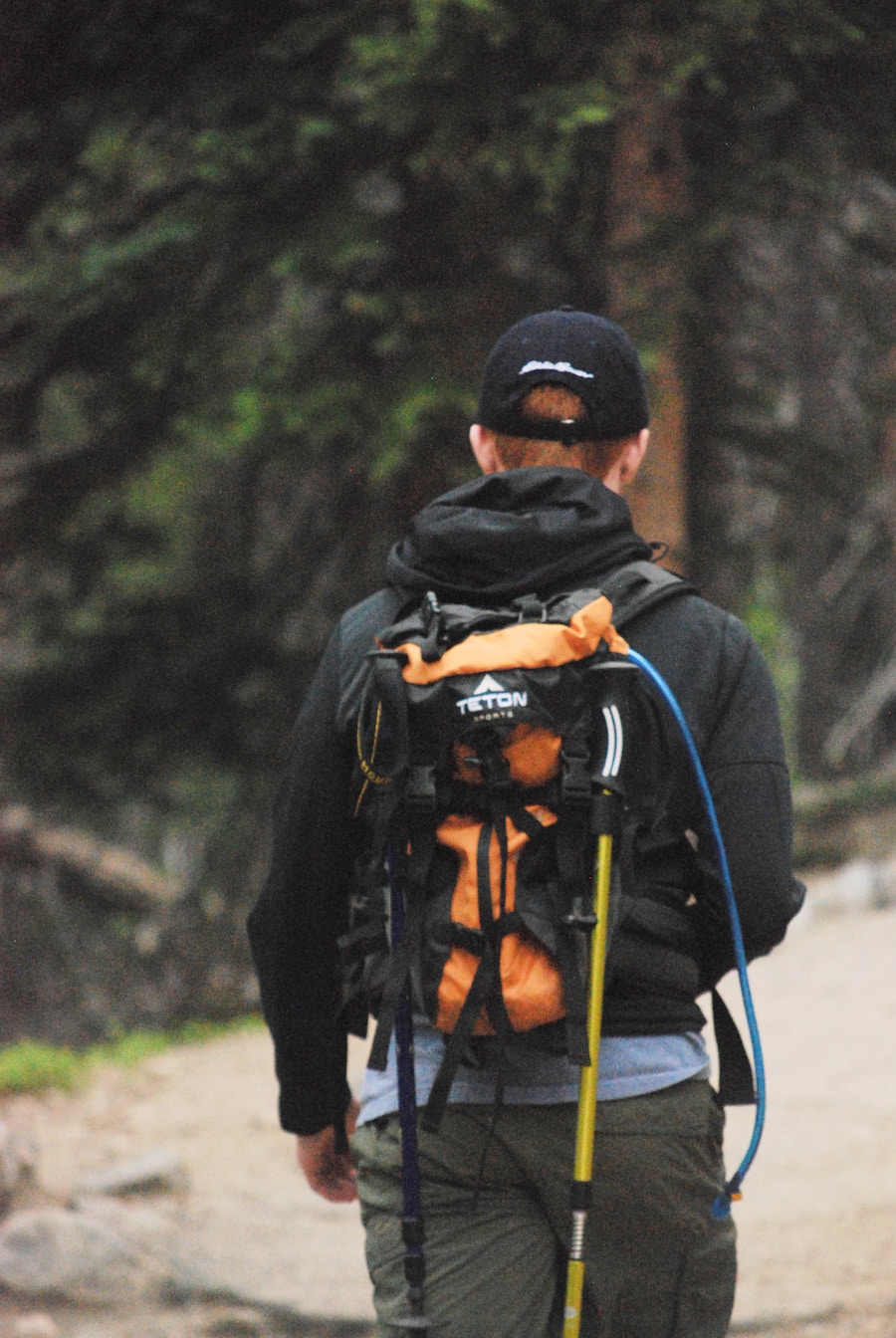
Basic Hiking Safety Tips
Start with the same precautions you would use on any hike. Know the route and your limits, check weather and trail alerts, carry appropriate supplies, stay on the intended trail, and make sure somebody who is not hiking with you knows your plan.
A fully charged phone is useful, but it is not a guarantee of communication. The National Park Service specifically warns hikers not to rely on cellular service because coverage may be absent. Download maps before leaving when possible and use another navigation backup when the route warrants it.
Keep track of daylight and distance. Set a turnaround time rather than continuing simply because reaching a viewpoint or summit was the original goal. Getting back safely is more important than completing the route.
First-Date Personal Safety
Hiking safety and dating safety overlap, but they are not identical. Someone can be perfectly prepared for the terrain and still feel uncomfortable being isolated with a person they do not know well.
For a first meeting with an online match, a busy public trail, urban greenway, botanical garden, or park path is generally a more practical choice than a secluded wilderness route. Meet at the location rather than giving a new date your home address, and keep control of your own transportation.
Tell someone you trust where you will be and who you are meeting. RAINN also recommends having an exit strategy. If your date pressures you to change locations, go farther than agreed, ignore your boundaries, or do anything that makes you uncomfortable, you are allowed to leave. You do not owe anyone completion of the hike.
Note: Choosing a short public hike is not an overreaction if you barely know the other person. You can always plan a longer, more remote adventure later after trust develops.
Awareness of Wildlife and Navigation
Stay on the established route and learn about wildlife that actually occurs in the area rather than relying on generic advice. The correct response to bears, snakes, mountain lions, or other animals varies by species and location.
In bear country, check the official land manager’s instructions before leaving. The National Park Service’s 2026 bear-safety guidance says bear-spray recommendations and regulations vary between parks. Carry bear spray where it is recommended and allowed, keep it accessible, and know how to use it. Never approach wildlife for a closer photograph.
Food and scented-item rules can also vary in bear country, so check the destination’s current requirements. Staying alert, respecting wildlife distance, and following local instructions are more useful than assuming one wildlife rule applies everywhere.
Alternatives to Hiking for First Dates
Hiking will not suit everyone. Physical limitations, weather, lack of suitable trails, personal safety concerns, or simply not enjoying hiking are all valid reasons to choose another activity.
A botanical garden or nature reserve can provide many of the same benefits—a pleasant outdoor setting and easy conversation—while keeping the route shorter and more predictable. A public park walk followed by coffee is another low-pressure option, especially when two people are meeting for the first time.
Other possibilities include a picnic in a busy park, an outdoor concert, farmers’ market, street festival, scenic waterfront walk, or another public outdoor event. Couples who are already comfortable with one another might also enjoy kayaking or paddleboarding through a reputable rental or guided operator.
The goal is not to prove that hiking is the best kind of date. It is to pick an activity both people want to do and can comfortably leave or change if circumstances call for it.
Is Hiking a Good First Date Option?
Hiking can be an excellent first date for two people who enjoy being outside and agree on the type of trail. It provides movement, scenery, plenty to talk about, and a shared activity that can feel less formal than sitting across from one another at a restaurant.
But the answer changes when you barely know the other person. A remote trail with limited cell service and no quick way to leave is very different from a busy park loop. If you are meeting an online match for the first time, a short, populated outdoor walk—or coffee followed by a walk if you both want to continue—can provide much of the same experience with more flexibility.
Choose a route based on the less-experienced hiker, check conditions, bring the right supplies, keep your own transportation when appropriate, tell somebody your plans, and stay willing to turn around. A successful hiking date is one where both people feel comfortable and respected, not one where you reach the summit at all costs.
If you enjoy the first hiking date and start planning longer outdoor adventures together, you may also find our guide to the best sleeping bag for backpacking travel useful for future overnight trips. For later travel together, our guide to a portable white noise machine for travel covers another piece of travel gear that can make shared trips more comfortable. Those items are not necessary for a simple first-date day hike, but they may be useful as your outdoor plans expand.
Love travel? Join Our Facebook Community For More Tips.
Frequently Asked Questions
What are the benefits of hiking as a first date?
A hiking date gives you a shared activity, natural conversation prompts, exercise, scenery, and an informal setting. Walking side by side can also feel less intense than sitting face to face for an entire date. It works best when both people genuinely enjoy being outdoors and the trail suits both ability levels.
What should I consider before planning a hiking first date?
Consider both people’s hiking experience, fitness, comfort level, route difficulty, distance, weather, daylight, parking, restrooms, trail closures, and how easy it will be to end the outing early. If you have never met the person before, also consider whether the location is public and populated and whether you have independent transportation.
What are some potential drawbacks of hiking as a first date?
Possible drawbacks include mismatched fitness levels, heat, cold, rain, mud, insects, fatigue, injuries, navigation problems, and being unable to end the date quickly once you are far from the trailhead. A remote trail may also feel too isolated when you do not yet know the other person well.
How can I ensure a successful hiking first date?
Agree on an easy or moderate route, communicate honestly about experience and pace, check official trail conditions and weather, carry appropriate supplies, and plan to finish before dark. Let the less-experienced hiker set the pace, take breaks, and be willing to turn around or switch to a backup activity.
Is hiking safe for a first date with someone from a dating app?
A remote hike is not the most flexible setting for meeting a stranger. Consider a short, busy public trail or park instead. Tell somebody you trust where you are going, keep control of your transportation, and have an exit plan. If an isolated hike does not feel comfortable, choose coffee or another public activity first.
What should I wear and bring on a hiking first date?
Wear comfortable, weather-appropriate clothing and footwear suited to the trail surface. Bring supplies appropriate to the route, which may include water, snacks, navigation, sunscreen, sunglasses or a hat, an extra layer, a small first-aid kit, a charged phone, and a headlamp when there is any possibility of being out near dusk.
Sources
- National Park Service — Hike Smart — trail selection, trip planning, communication, navigation, weather, pace, and general hiking safety.
- National Park Service — Ten Essentials — navigation, sun protection, clothing, illumination, first aid, food, hydration, and emergency preparation.
- RAINN — Tips for Safer Dating Online & IRL — public meeting locations, sharing plans, transportation, boundaries, and exit strategies.
- Centers for Disease Control and Prevention — Health Benefits of Physical Activity for Adults — immediate and long-term benefits of physical activity.
- National Weather Service — Lightning Safety — thunderstorm and outdoor lightning precautions.
- National Park Service — 2026 Bear Safety Guidance — current bear-awareness practices and location-specific bear-spray guidance.

