

Last Updated on September 10, 2026 by Daniel Globe
Seventy-degree weather can feel perfect for hiking, but the number on the forecast does not tell the whole story. Direct sun, humidity, wind, elevation, trail exposure, pace, and sudden rain can all change what feels comfortable. The best hiking outfit is light, breathable, easy to adjust, and protective enough for the terrain and conditions.
Quick Answer
For a typical 70°F day hike, wear a lightweight moisture-wicking shirt, breathable hiking pants or shorts, moisture-managing socks, and trail shoes with dependable traction. Carry a light wind or rain shell. Add sun protection and adjust for humidity, wind, shade, elevation, bugs, and forecast changes rather than dressing for temperature alone.
Key Takeaways
- Choose lightweight, quick-drying clothing made from polyester, nylon, merino wool, or moisture-managing blends.
- A short-sleeve shirt works well in shade, while a lightweight long-sleeve sun shirt adds useful UV and brush protection.
- Shorts are comfortable on clear trails; lightweight pants offer more protection from sun, ticks, insects, and vegetation.
- Pick footwear for the terrain and fit, not for style alone. Traction and comfort matter more than a specific brand.
- Carry a packable shell, water, sun protection, and the other essentials your route and weather require.
Disclosure: As an Amazon Associate I earn from qualifying purchases. Some links on this page are affiliate links, at no extra cost to you.
What 70°F Weather Really Means on a Hike
A forecast near 70°F is generally mild, but hiking creates body heat. A steep climb in full sun can feel much warmer than a shaded walk at the same air temperature. Wind can make exposed ridges feel cooler, while humidity can slow sweat evaporation and make you feel hotter and stickier.
The National Park Service recommends checking the weather before a hike and carrying rain equipment when conditions could change. It also notes that temperature, humidity, elevation, route difficulty, and your own experience all affect how demanding a hike feels. NPS Hike Smart guidance is a useful reminder that the outfit should match the whole trip, not one forecast number.
Note: Check the hourly forecast, wind, chance of rain, and expected temperature at your highest point. A 70°F trailhead can lead to cooler, windier conditions higher up.
Choosing the Right Fabrics for Warm Weather Hiking
For mild-to-warm hiking, the best fabrics move moisture away from your skin and dry reasonably fast. Polyester and nylon are common choices because they are light, durable, and quick-drying. Lightweight merino wool is another useful option because it manages moisture well and remains comfortable across a range of temperatures.
Cotton is soft and breathable, but it absorbs a great deal of moisture and dries slowly. On a short, dry walk that may only be uncomfortable; on a longer hike, in rain, or when temperatures drop, damp cotton can leave you clammy and increase chafing. For a variable outdoor trip, quick-drying synthetic or wool layers are the safer all-around choice.
Sun-protective fabrics can also be valuable on exposed trails. The CDC recommends protective clothing, a brimmed hat, sunglasses, and sunscreen as part of a broader sun-safety strategy. CDC sun-safety guidance also notes that UV exposure can matter even on cool or cloudy days.
Pro Tip: Choose your next-to-skin layer by how it feels when damp, not just how it feels in the store. Seams, waistbands, pack straps, and sweaty fabric are common places for rubbing to start.
Essential Clothing Items for 70° Weather Hiking
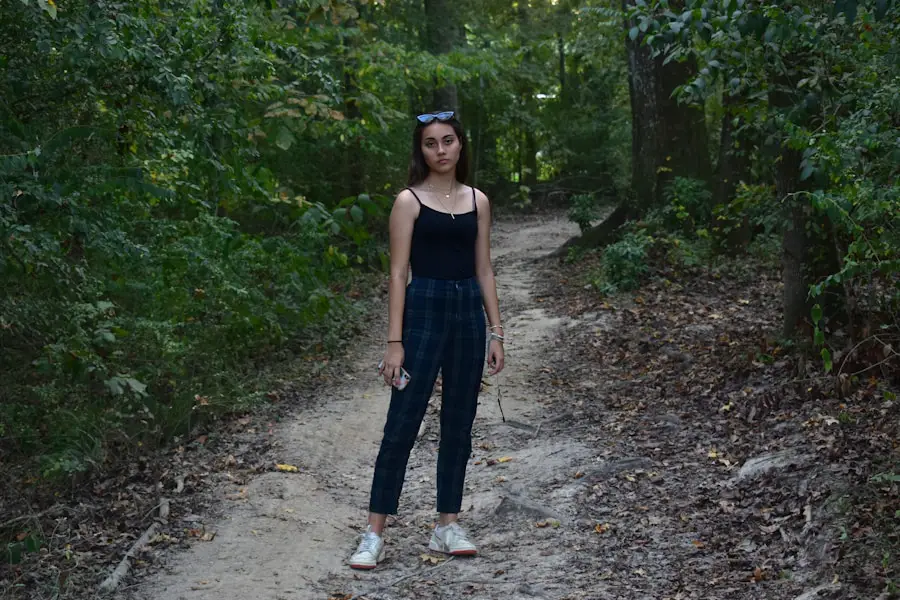
A comfortable 70°F hiking outfit usually begins with a lightweight shirt and flexible bottoms. The goal is to stay comfortable while moving and still have enough coverage for sun, brush, insects, and changing weather.
Shirt
A moisture-wicking T-shirt is a good choice for shaded or moderate conditions. A lightweight long-sleeve sun shirt is often better on exposed trails because it adds coverage without requiring a heavy layer. Choose a fit that allows airflow and does not bunch under backpack straps.
Pants or Shorts
Lightweight hiking shorts are comfortable on open, well-maintained trails. Hiking pants or convertible pants are more versatile when you expect brush, insects, strong sun, or cooler wind. The CDC notes that ticks are common in grassy, brushy, and wooded areas, so long clothing can be part of a tick-prevention plan. CDC tick-prevention guidance also recommends EPA-registered repellent and, where appropriate, permethrin-treated clothing or gear used according to the product label.
Underwear and Socks
Underwear matters because damp seams can create hot spots and chafing during long walks. Choose a smooth, supportive, quick-drying pair that stays comfortable when you sweat. For socks, wool or synthetic hiking socks are better suited to moisture management than ordinary cotton socks. Make sure the sock rises above the shoe collar so the footwear does not rub directly against your skin.
Footwear Options for Stylish and Functional Hiking
| Trail condition | Good footwear choice | Main benefit | Waterproof? | Prioritize |
|---|---|---|---|---|
| Dry, maintained trail | Trail shoe or trail runner | Low weight and airflow | Usually optional | Fit, grip, toe room |
| Rocky or uneven trail | Supportive hiking shoe or light boot | Protection and stability | Condition-dependent | Traction, secure heel, protection |
| Wet or muddy trail | Grippy hiking shoe or boot | Wet-surface traction | Often useful | Outsole grip and drying strategy |
| Flat water-friendly route | Secure hiking sandal designed for trails | Ventilation and drainage | No | Secure straps, toe protection, grip |
Footwear should match the route more than the temperature. The original article’s fixed prices and older model examples can age quickly, so a current guide is more useful when it focuses on fit, traction, support, and conditions. For 70°F weather, breathable non-waterproof footwear can be comfortable on dry trails, while waterproof footwear makes more sense when mud, wet grass, shallow water, or sustained rain is likely.
Try footwear with the socks you plan to hike in. Your toes should have room to move without sliding forward on descents, and your heel should feel secure. The National Park Service recommends proper walking shoes and specifically warns against open-toed shoes and flip-flops for ordinary hiking terrain.
Warning: Do not choose trail footwear only because it is lightweight or fashionable. Poor fit, worn tread, or inadequate traction can turn loose dirt, wet rock, roots, and steep descents into a fall risk.
Accessories to Enhance Your Hiking Outfit
A few small accessories can make a mild-weather hiking outfit much more functional. A wide-brimmed hat helps shade your face, ears, and neck. Sunglasses should be labeled UV400 or 100% UV protection; polarization can reduce glare, but it is not a substitute for verified UV protection. The FDA’s sun and sunglasses guidance recommends UV400 or 100% UV-protection labeling.
Carry a lightweight daypack with water, snacks, navigation, sun protection, and any route-specific essentials. A hydration reservoir can make frequent drinking convenient, but bottles work just as well when they are easy to reach. In warmer or more strenuous conditions, fluid needs rise; OSHA’s heat-safety guidance emphasizes regular access to water and additional electrolyte-containing fluids during prolonged heavy heat exposure. OSHA Water, Rest, Shade guidance is written for workers, but its hydration principles are useful context for strenuous outdoor activity.
A lightweight buff or neck gaiter can add sun, dust, or wind protection. Trekking poles may also help on steep or uneven ground, especially when carrying a pack.
Tips for Layering in 70° Weather
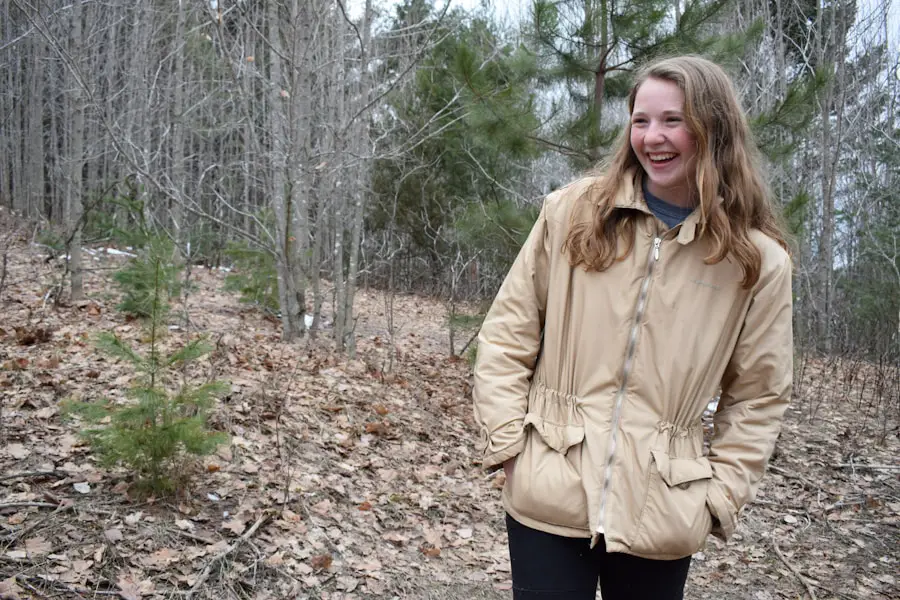
Layering still matters at 70°F because you may start cool, warm up quickly on a climb, then cool down during a break or on a windy ridge. The trick is to keep the system light enough that every extra layer can fit in your daypack.
- Base layer: A lightweight moisture-wicking T-shirt or sun shirt.
- Optional mid-layer: A thin fleece or light long-sleeve layer for cool starts, shade, wind, or long breaks.
- Outer layer: A compact wind shell or breathable rain jacket when the forecast or terrain makes it useful.
Do not wait until you are soaked with sweat to remove a layer. If you start feeling too warm, vent or shed a layer early. When you stop for a break, put a light layer back on before you become chilled.
A good 70°F hiking outfit is not one fixed combination—it is a light system you can adjust as sun, wind, effort, elevation, and weather change.
Stylish and Functional Outerwear for 70° Weather
Heavy outerwear is usually unnecessary in mild weather, but a light shell can be extremely useful. A wind-resistant jacket adds comfort on exposed ridges and during breaks. A packable rain jacket is the better choice when showers are possible.
Look for an outer layer that packs small, allows easy arm movement, and has simple ventilation such as a front zipper or pit zips. Bright colors can add style and may improve visibility, but fit, breathability, and weather protection should come first.
If the forecast is dry and the route stays near developed areas, you may never wear the shell. On a remote route or in changing mountain weather, carrying it is cheap insurance against a sudden shift in conditions.
How to Adjust Your Outfit for Sun, Humidity, Wind, and Bugs
Full Sun
Choose more coverage: a lightweight long-sleeve shirt, breathable pants, a brimmed hat, and UV-protective sunglasses. Apply broad-spectrum sunscreen to exposed skin and reapply according to the label. The CDC recommends sunscreen alongside clothing, shade, and hats rather than treating sunscreen as the only protection.
High Humidity
Prioritize airflow and quick-drying fabrics. A loose synthetic or lightweight wool shirt generally feels better than a heavy layer that traps sweat. Slow your pace when needed and take breaks if you begin feeling overheated.
Wind or Higher Elevation
Carry a thin wind layer even if the trailhead feels warm. Exposed viewpoints and ridgelines can feel much cooler than sheltered lower trails. Check conditions before leaving and turn around if the weather becomes unsafe.
Ticks, Mosquitoes, or Brush
Choose long pants and sleeves when practical. The CDC recommends avoiding brushy high-grass areas where possible, walking near the center of trails, using EPA-registered repellents, and checking your body and clothing for ticks after outdoor activity.
What Not to Wear on a 70°F Hike
- Heavy cotton layers: They can become soggy and slow to dry when you sweat or get caught in rain.
- Flip-flops or loose casual sandals: They lack the secure fit and trail protection needed for most hiking terrain.
- Brand-new footwear on a long hike: Test fit and comfort on shorter walks first.
- Jeans for a wet or strenuous route: Denim can become heavy, restrictive, and slow to dry.
- Dark sunglasses without a UV label: Tint alone does not prove UV protection.
- Too many warm layers worn from the start: Overdressing can make you sweat heavily before you need the insulation.
Putting Together a Complete Hiking Outfit
For a typical dry 70°F day hike on a maintained trail, start with a lightweight moisture-wicking shirt, breathable hiking shorts or pants, moisture-managing socks, and trail shoes that fit well and have suitable traction. Add a sun hat and UV-protective sunglasses. Carry a light shell, water, snacks, navigation, and the essentials appropriate for the route.
For exposed desert or open-country trails, lean toward long sleeves, breathable pants, and stronger sun protection. For wooded routes with ticks or thick vegetation, pants and sleeves can provide useful coverage. For steep or rocky terrain, prioritize secure footwear and traction over maximum ventilation.
The result should feel simple rather than overbuilt: one comfortable hiking layer on your body, one light backup weather layer in your pack, and accessories that match the actual trail hazards.
If your mild-weather hiking is part of a larger car-free trip in Ireland, the site’s guide to exploring Ireland without a car can help with transportation planning between outdoor stops.
Frequently Asked Questions
What should I wear for hiking in 70 degree weather?
Wear a lightweight moisture-wicking shirt, breathable hiking pants or shorts, hiking socks, and trail shoes with good traction. Add a hat and UV-protective sunglasses, and carry a packable wind or rain layer in case conditions change.
What type of shirt is best for hiking in 70 degree weather?
A lightweight synthetic or merino wool shirt works well because it manages moisture and dries faster than heavy cotton. Choose short sleeves for ventilation or a lightweight long-sleeve sun shirt when you want more UV, bug, or brush protection.
What type of pants are suitable for hiking in 70 degree weather?
Lightweight, quick-drying hiking pants, convertible pants, or breathable shorts can all work. Choose pants when you expect strong sun, ticks, insects, brush, or cooler wind; choose shorts on clear trails when you prefer more airflow.
What kind of footwear is recommended for hiking in 70 degree weather?
Use trail shoes, hiking shoes, or light boots that fit securely and provide traction for the route. Breathable non-waterproof footwear is often comfortable on dry trails, while waterproof footwear can be useful in mud, wet grass, shallow water, or steady rain.
What accessories should I bring for hiking in 70 degree weather?
Bring a brimmed hat, UV400 or 100%-UV-protection sunglasses, sunscreen, water, navigation, snacks, and a lightweight daypack. Add insect repellent, trekking poles, or a rain shell when the route and forecast call for them.
Is it important to layer clothing for hiking in 70 degree weather?
Yes, but keep the layers light. A breathable base layer plus a packable wind or rain shell is enough for many mild-weather day hikes. Add a thin fleece only when the route, elevation, start time, or forecast suggests cooler conditions.
Are shorts or pants better for hiking at 70°F?
Neither is always better. Shorts maximize ventilation, while pants provide more protection from UV, insects, ticks, scratches, and wind. Let the trail environment decide rather than the temperature alone.
Is 70°F too hot for hiking?
Not necessarily. Many people find 70°F comfortable for hiking, but full sun, humidity, a steep climb, limited shade, and personal heat tolerance can make the effort feel much hotter. Adjust pace, clothing, water, and route choice to the actual conditions.
Sources
- CDC — Sun Safety Facts — clothing, hats, sunglasses, sunscreen, and UV protection.
- National Park Service — Hike Smart — weather readiness, footwear, socks, water, and hiking preparation.
- U.S. Food and Drug Administration — Sun and Sunglasses Safety — UV400/100% UV protection and sunscreen guidance.
- CDC — Preventing Tick Bites — clothing, repellents, trail behavior, and tick checks.
- OSHA — Water, Rest, Shade — hydration principles for strenuous activity in warm conditions.
