
Last Updated on August 22, 2026 by Caleb Warren
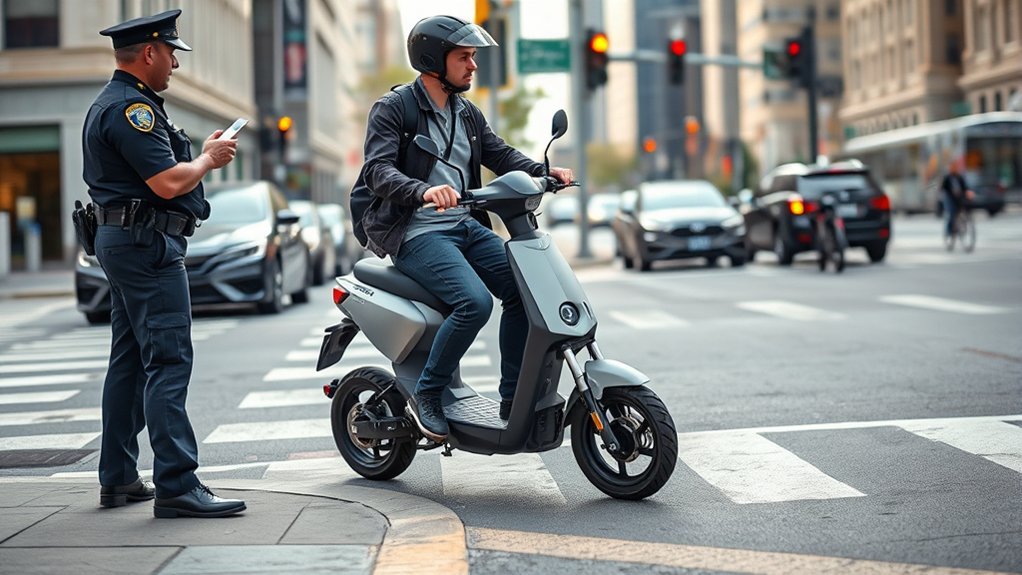
In Florida, whether you need a license to ride an electric scooter depends on the type of scooter and local rules. Many personal electric scooters can be operated without a driver’s license, registration, or a plate, but riders must still follow traffic laws and city regulations. Always confirm the rules where you plan to ride before using public roads or paths.
Quick Answer
Most personal electric scooters in Florida do not require a driver’s license, registration, or a license plate when they fall under applicable state rules. However, age requirements, helmet laws, riding locations, and local city ordinances can change what is allowed.
Key Takeaways
- Many electric scooters do not require a Florida driver’s license.
- Local governments can create additional scooter rules.
- Helmet requirements depend on age, device type, and applicable law.
- Always follow traffic rules and ride defensively.
At a Glance
| Time Required | No permit process for qualifying personal scooters |
| Difficulty | Easy to understand, but local rules vary |
| Tools Needed | Helmet and safety equipment recommended |
| Cost | No state license fee for qualifying scooters |
Disclosure: As an Amazon Associate I earn from qualifying purchases. Some links on this page are affiliate links, at no extra cost to you.
Do You Need a License for an Electric Scooter?
Florida law does not require a valid driver’s license for certain electric personal assistive mobility devices. These devices may also avoid vehicle registration requirements under state law. However, the exact rules depend on how the device is classified and whether a city or county has additional restrictions.
Before riding, check local regulations about speed limits, permitted areas, parking, and shared scooter programs. Rental scooter companies may also create their own requirements, including age limits or account verification rules.
Warning: State rules are only a starting point. Cities and counties may impose stricter operating rules for electric scooters.
How Old Do You Need to Be and Do You Need a Helmet?
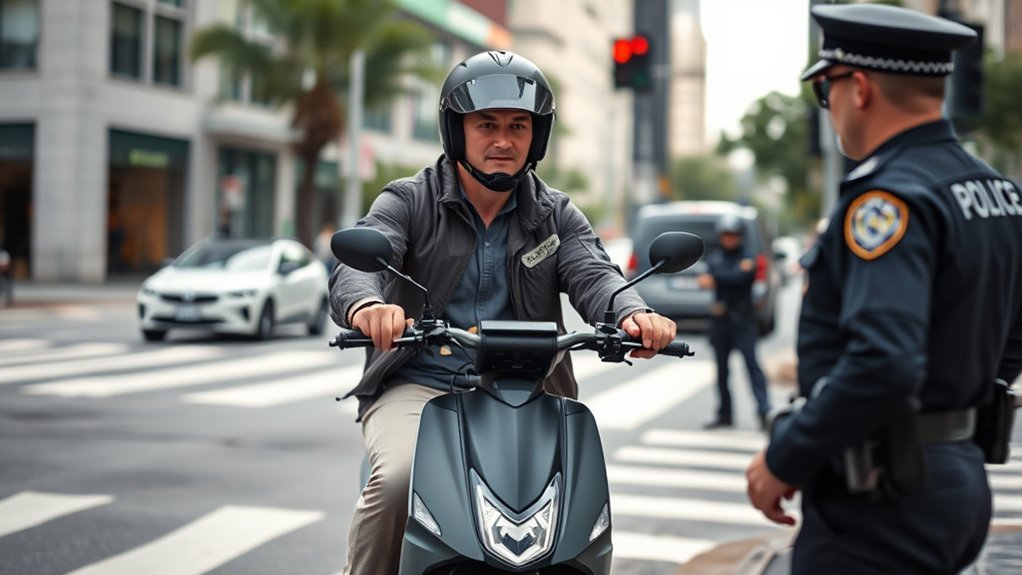
Age and helmet requirements depend on the type of electric scooter and applicable Florida rules. Some state provisions require riders under 16 on covered electric personal assistive mobility devices to wear a properly fitted bicycle helmet.
Even when a helmet is not legally required, wearing one is a practical safety choice. Falls from scooters can cause serious head injuries, especially when riding near vehicles or on uneven surfaces.
Pro Tip: Wear a certified bicycle helmet, use lights at night, and avoid riding faster than conditions allow.
Where Can You Ride an Electric Scooter in Florida?
Florida allows certain electric mobility devices in areas such as roads, bicycle paths, and other permitted locations. Local governments can regulate where scooters operate, so rules may differ between cities.
- Check local scooter ordinances before riding.
- Follow traffic signals and roadway rules.
- Yield to pedestrians where required.
- Avoid unsafe routes with heavy traffic.
How Electric Scooters Compare to Mopeds and Motor Scooters
Electric scooters, mopeds, and motor scooters are not treated the same under Florida law. Mopeds and motorcycles generally involve different licensing, registration, and equipment requirements.
A personal electric scooter may have fewer legal requirements, but riders still have responsibilities. Understanding the classification of your vehicle is important before using public roads.
What to Do After an Electric Scooter Crash
After a crash, prioritize safety first. Move away from traffic if possible, check for injuries, and call emergency services when needed.
- Take photos of the scene, road conditions, and vehicles involved.
- Collect contact information from witnesses and other parties.
- Keep medical records and repair information.
- Report the incident when required.
Safe riding starts before the crash: follow local laws, wear protective equipment, and stay aware of traffic.
Frequently Asked Questions
Are electric scooters illegal in Florida?
Electric scooters are generally legal in Florida when riders follow applicable state laws and local regulations.
Do you need a driver’s license for an electric scooter in Florida?
Many qualifying personal electric scooters do not require a driver’s license, but local rules and device classifications matter.
Conclusion
So, do you need a license to ride an electric scooter in Florida? Often, no, but the answer depends on the scooter type and local regulations. Check the rules where you ride, use proper safety equipment, and understand your responsibilities before heading out.
Sources
- Florida Statutes §316.2068 — electric personal assistive mobility device regulations.
- Florida Statutes §316.2128 — motorized scooters and micromobility devices.
