
Last Updated on July 27, 2026 by Mason Reed
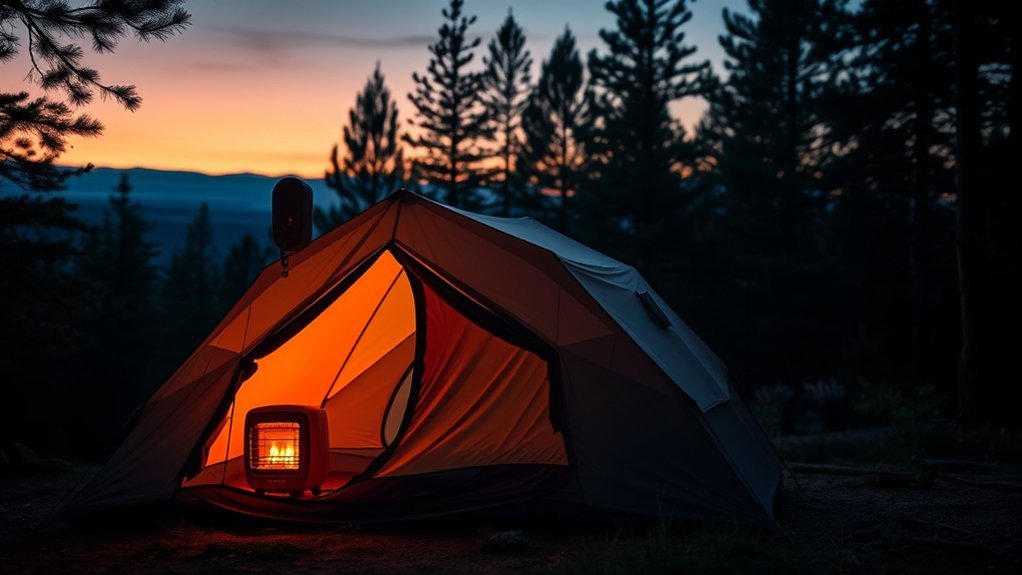
Carbon monoxide (CO) is one of the most dangerous hidden hazards in tent camping, particularly when fuel-burning stoves, heaters, or barbecues are operated inside or near enclosed camping shelters. Because this gas is toxic, invisible, and completely odorless, dangerous exposure can occur without any prior warning until severe physical symptoms appear. Understanding how CO accumulates, implementing strict preventive habits, and knowing immediate emergency procedures can mean the difference between a successful outdoor trip and a severe medical emergency.
Quick Answer
Carbon monoxide builds up in tents when fuel-burning equipment—stoves, heaters, or barbecues—is used in enclosed spaces with insufficient ventilation. Prevent exposure by cooking outside, using only flue-vented wood stoves inside compatible tents, keeping all vents open, and placing an EN 50291-2 certified carbon monoxide alarm at head height about one meter from heat sources.
Key Takeaways
- CO is colorless, odorless, and generated by incomplete combustion—it cannot be detected by human senses alone.
- Around 50 people die and 200 are hospitalized each year in the UK from CO poisoning, with smoldering barbecues inside tents being a leading trigger.
- Never bring smoldering coals or cooling barbecues inside a tent, awning, or vestibule for warmth.
- Cold temperatures and high altitude increase incomplete combustion, producing higher CO levels.
- Use an EN 50291-2 certified portable CO alarm positioned at head height approximately 1 meter from any heating appliance.
- Headaches, nausea, and dizziness are critical warning signs—evacuate into fresh air immediately if symptoms arise.
At a Glance
| Key Danger Sources | Smoldering charcoal BBQs, unvented propane/butane heaters, unvented stoves |
| Required Alarm Standard | EN 50291-2 certified digital carbon monoxide detector |
| Optimal Alarm Placement | Head height (breathing zone), ~1 meter horizontally from heat source |
| Emergency Primary Action | Immediate evacuation to open air and emergency medical notification |
Disclosure: As an Amazon Associate I earn from qualifying purchases. Some links on this page are affiliate links, at no extra cost to you.
Understanding Carbon Monoxide and Its Dangers
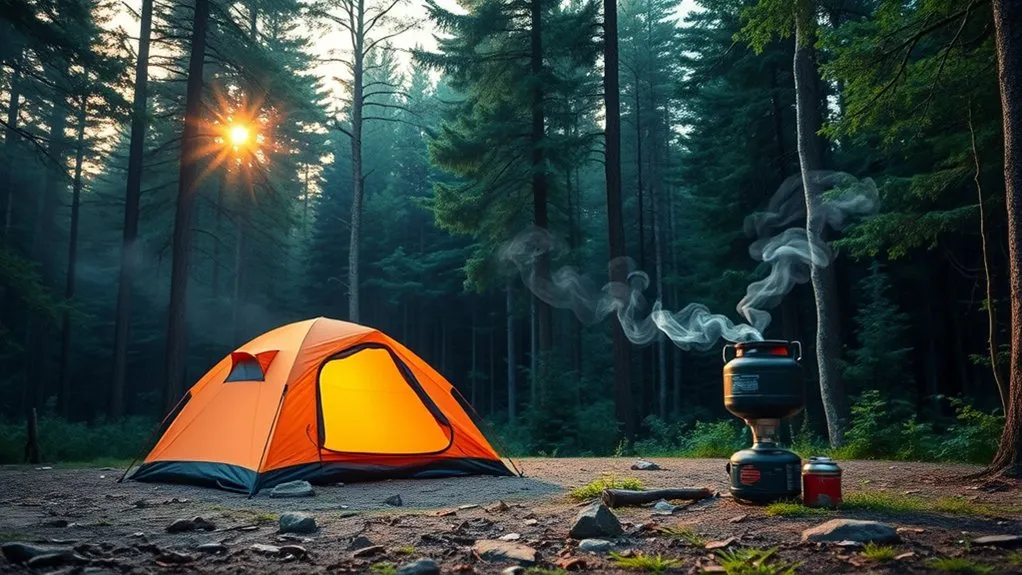
When camping in a tent, it is easy to overlook the toxic hazards associated with fuel-burning equipment. Carbon monoxide is produced through the incomplete combustion of organic fuels—including propane, butane, charcoal, wood, and white gas. When inhaled, CO rapidly binds with hemoglobin in the blood (forming carboxyhemoglobin), severely inhibiting oxygen transport to vital organs and causing symptoms like headaches, dizziness, and extreme lethargy.
Environmental factors significantly compound this danger. Cold ambient temperatures prevent fuel burners from operating at peak thermal efficiency, while higher altitudes reduce atmospheric oxygen concentrations. Both conditions increase incomplete combustion, causing fuel-burning appliances to generate significantly higher levels of CO than under normal conditions. In small, enclosed tent spaces, lethal gas concentrations can accumulate in just a few minutes.
According to data compiled by the Powys Teaching Health Board (NHS Wales), roughly 50 people die and around 200 are hospitalized each year in the UK from carbon monoxide poisoning. Many tragic camping cases involve smoldering charcoal barbecues brought inside a tent, vestibule, or caravan awning for warmth after cooking.
Warning: Never bring a barbecue, charcoal burner, or unvented heater into a tent, awning, or caravan—even after it appears completely extinguished. A smoldering barbecue continues to emit lethal concentrations of carbon monoxide for hours.
Safe Stove Usage Practices in Tents
Understanding the physiological risks of carbon monoxide is the baseline; strict equipment selection and operation protocols are vital for safe cooking and heating while camping. Always opt for stoves engineered specifically for tent operation—such as wood-burning stoves fitted with rigid flue systems that vent exhaust gases safely out through fire-resistant stove jacks.
Proper ventilation is non-negotiable. Always maintain continuous airflow by keeping high and low tent vents open, even during cold or rainy weather. When operating wood stoves, burn dry, well-seasoned hardwoods rather than green or damp timber; complete combustion minimizes creosote formation and reduces CO production. Never leave any fuel-burning appliance running unattended while sleeping.
Pro Tip: If using a portable propane or butane canister stove, cook outside the tent whenever possible. If forced to cook under a open vestibule during heavy rain, position the stove near the outer doorway and keep sleeping gear well clear of the flame area.
Symptoms of Carbon Monoxide Poisoning
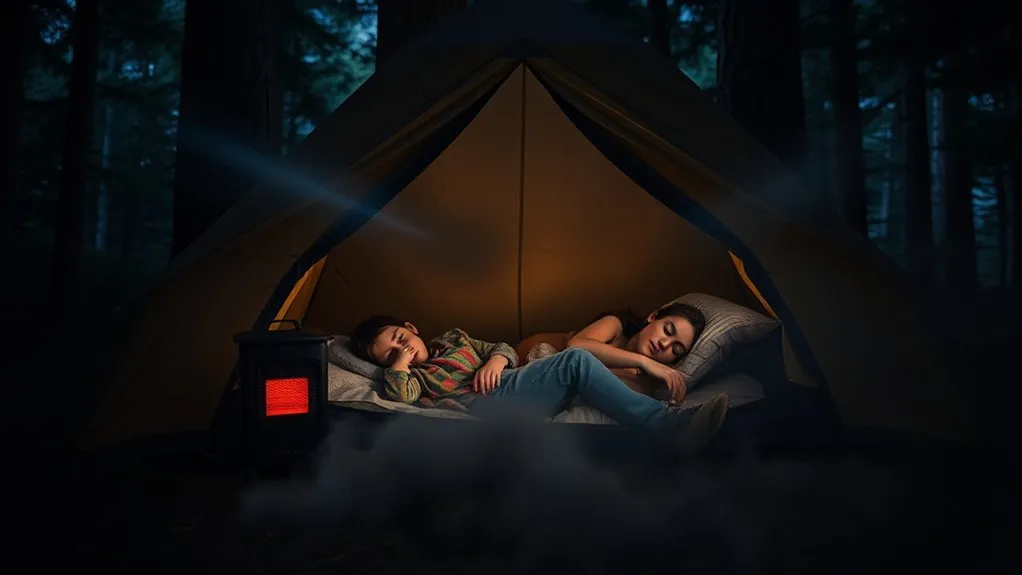
Recognizing early physiological signs of carbon monoxide exposure is critical, as symptoms are frequently mistaken for dehydration, altitude sickness, or food poisoning. Key symptoms include:
- Headache (typically early onset, dull, and persistent)
- Dizziness and lightheadedness
- Nausea, vomiting, and stomach discomfort
- Fatigue, drowsiness, and muscle weakness
- Confusion, disorientation, and impaired judgment
- Shortness of breath and elevated heart rate
Because carbon monoxide causes cognitive impairment and severe drowsiness, victims often lose consciousness before realizing they are in danger. If anyone in your group displays these symptoms while near fuel-burning gear, evacuate everyone into fresh air immediately—do not wait to see if symptoms improve on their own.
Preventive Measures and Awareness
Preventing carbon monoxide exposure while camping relies on three key safety practices: equipment education, active ventilation, and dedicated electronic alarm monitoring.
Educate on CO Dangers
Surveys conducted by the Gas Safe Register reveal that roughly 1 in 5 people in the UK do not realize the fatal risks of moving smoldering charcoal barbecues inside enclosed tents. Educating all members of your camping group closes this knowledge gap. Establish clear campsite rules: fuel-burning appliances must never enter sleeping compartments, smoldering coals must stay outdoors, and children must be taught about fuel safety hazards.
Install Carbon Monoxide Alarms
A digital carbon monoxide detector provides an indispensable early warning before physiological symptoms manifest. Keep these guidelines in mind when selecting and using a detector:
- Choose EN 50291-2 Standards: Select an alarm certified to EN 50291-2 standards (specifically tested for campsites, caravans, and recreational vehicles). These units handle ambient moisture and temperature fluctuations far better than standard household alarms.
- Correct Placement: Install your alarm at head height (matching your breathing height when lying down), positioned approximately 1 meter horizontally from the stove or heater.
- Routine Testing: Test the alarm horn before every departure and inspect battery levels. Carry spare batteries in your repair kit.
Note: A carbon monoxide alarm is a secondary emergency fail-safe, not a replacement for proper ventilation. Never treat a silent alarm as permission to run unvented appliances inside sealed tents.
Promote Safe Camping Practices
Developing consistent outdoor habits ensures long-term safety across all camping seasons. Ensure campsite vents remain unobstructed by ice or snow during winter trips, Extinguish all open fires and stoves completely before retiring for the night, and support commercial campsites that prominently display safety signage regarding fuel hazards near pitch areas.
Actions to Take in Case of CO Poisoning
If you suspect carbon monoxide exposure, act immediately. Symptoms can progress rapidly from mild discomfort to total incapacitation.
Immediate Evacuation Steps
- Remove Affected Individuals: Immediately move everyone out of the tent into open outdoor air to halt gas inhalation.
- Turn Off Fuel Sources: Extinguish or turn off fuel appliances only if it can be done instantly without delaying evacuation; do not waste time attempting to ventilate the tent while people remain inside.
- Position for Comfort: Sit or lay the victim down in fresh air, keeping them calm and wrapped in blankets to prevent hypothermia.
Seek Medical Assistance
Contact emergency services immediately (call 999, 911, or 112 depending on location). Clearly inform medical dispatchers that you suspect carbon monoxide poisoning. Emergency medical teams need to administer high-flow 100% oxygen to accelerate carboxyhemoglobin clearance from the bloodstream.
Monitor Symptoms Closely
Continuously evaluate the person’s breathing, pulse, and mental responsiveness while waiting for responders:
- Check Vital Signs: Watch for worsening confusion, rapid breathing, or loss of consciousness.
- Prepare for First Aid: Be prepared to place an unconscious breathing person in the recovery position, or begin CPR if breathing ceases.
- Provide Full History: Inform arriving paramedics about the type of fuel source used and the duration of potential exposure.
Importance of Carbon Monoxide Alarms
A certified EN 50291-2 digital CO alarm is an essential core element of any camping safety kit alongside your stove and first aid supplies. Because carbon monoxide is completely invisible and odorless, relying on human senses for protection is impossible. A digital alarm continuous displays real-time parts-per-million (PPM) readings, sounding an audible alert long before gas concentrations reach hazardous levels.
Around 50 people die and 200 are hospitalized every year in the UK from carbon monoxide poisoning — and the risk is significantly higher in the enclosed space of a tent.
Frequently Asked Questions
Can I use propane stoves inside my tent?
You should not operate standard portable propane or butane stoves inside enclosed tents. Unvented gas burners consume oxygen rapidly and produce dangerous carbon monoxide levels. If cooking near your tent due to weather, use an open vestibule with maximum ventilation and keep the burner away from sleeping areas.
Are there specific tents designed to reduce CO risk?
Yes. Canvas hot tents designed for wood-stove heating include heat-resistant flue jack ports and dedicated high/low ventilation panels. These features allow smoke and exhaust gases to exit safely through a sealed pipe. However, proper flue maintenance and active CO monitoring are still required.
What are safe distances to place stoves from the tent?
Keep open-flame camp stoves and charcoal barbecues at least 3 meters (10 feet) away from tent fabric and outer entrances. Never position smoldering fuel near air intake vents where drifting fumes can enter sleeping quarters.
How often should I check my CO monitor?
Test your carbon monoxide detector prior to every trip using the built-in test button. During extended trips, verify functionality daily and replace batteries annually or whenever a low-battery indicator sounds.
Can CO poisoning happen during the day?
Yes. Carbon monoxide poisoning can occur at any time of day whenever fuel is burning. Daytime exposure while cooking or warming up inside a shelter is just as lethal as nighttime exposure. Maintain continuous ventilation whenever appliances are active.
Conclusion
Staying safe from carbon monoxide hazards while tent camping relies on reliable safety habits: selecting appropriate flue-vented gear, maintaining continuous ventilation, keeping unvented fuel burners outdoors, and deploying certified EN 50291-2 digital CO alarms. By understanding early symptoms and taking swift evacuation action during an emergency, you can protect yourself and your group from this silent outdoor hazard on every adventure.
Note: This article is provided for safety educational purposes and does not substitute for professional medical advice. If you suspect carbon monoxide poisoning, evacuate immediately and contact emergency medical services.
Sources
- Powys Teaching Health Board (NHS Wales) — Carbon monoxide camping safety statistics and health guidance
- Public Health Agency (HSC Northern Ireland) — Barbecue and smoldering fuel hazards in camping environments
- Anevay Stoves — Tent stove flue safety guidelines and Gas Safe Register awareness stats
- Eden District Council — Health and safety guidelines for campers and caravanners
- Staffordshire Fire and Rescue Service — Carbon monoxide symptom recognition and emergency response
