
Last Updated on July 26, 2026 by Daniel Globe
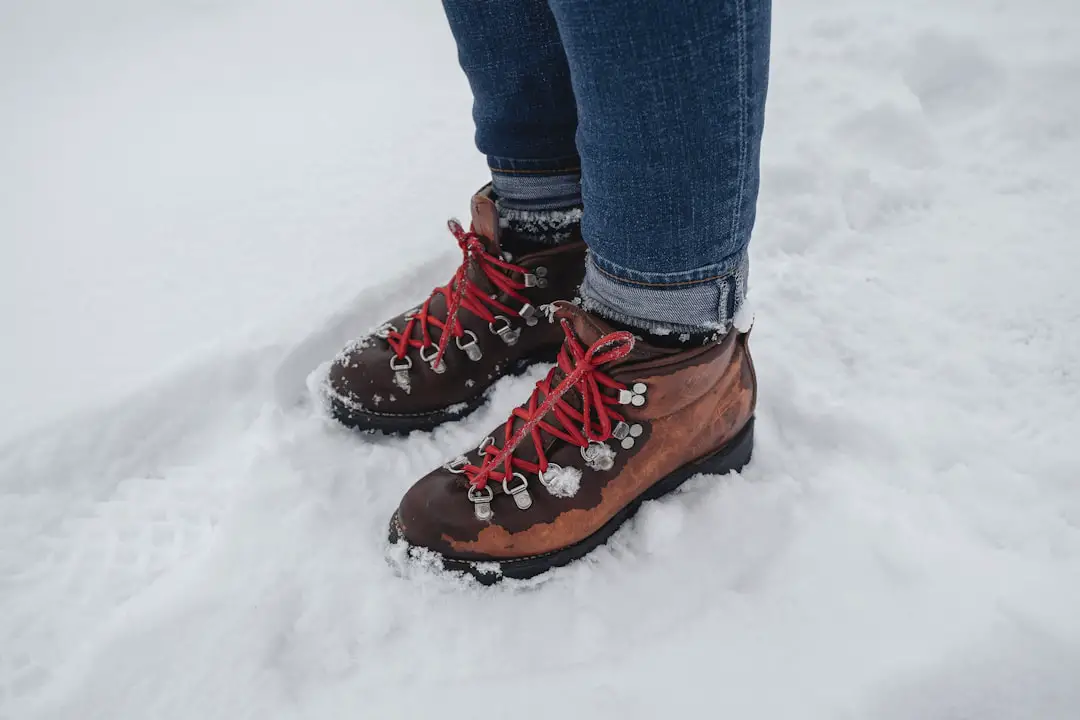
When venturing into the great outdoors, your choice of footwear can make or break your experience—especially when deciding between hiking boots and snow boots. While both are built for rugged outdoor environments, they are engineered for fundamentally different conditions. Hiking boots focus on stability, breathability, and trail support over uneven ground, whereas snow boots prioritize thermal insulation, complete waterproofing, and slip resistance on icy, sub-zero terrain. Understanding these technical distinctions ensures your feet stay warm, dry, and safe during winter activities.
Quick Answer
Hiking boots can handle short walks on dry, packed snow, but they cannot replace dedicated snow boots in deep, wet, or freezing conditions. Snow boots feature specialized thermal insulation (200g–400g+ Thinsulate), soft rubber outsoles engineered for grip on ice, and tall waterproof shafts. In contrast, hiking boots prioritize breathability and trail support, leaving feet vulnerable to cold and moisture in winter environments.
Key Takeaways
- Purpose-Built Engineering: Hiking boots provide rigid ankle and arch support for uneven trails, while snow boots prioritize warmth, waterproofing, and ice traction.
- Insulation Matters: Snow boots utilize synthetic insulation (e.g., 200g–600g Thinsulate) rated for freezing temperatures, whereas standard hiking boots rely on ventilation to release heat.
- Traction & Rubber Compounds: Snow boot outsoles remain soft and flexible in sub-zero weather for superior grip on ice; standard hiking boot soles harden in freezing temps, increasing slip risks.
- Protection & Height: Mid-calf or knee-high snow boots prevent snow infiltration, while lower-cut hiking boots require gaiters to keep snow out.
The Importance of Thermal Insulation in Winter Footwear
Insulation is the defining characteristic of a quality snow boot, playing a vital role in maintaining body heat when temperatures plunge. Most snow boots utilize advanced synthetic linings, such as 3M Thinsulate or thick fleece, which trap warm air close to the foot while allowing internal moisture vapor to escape. This thermal efficiency is crucial: in cold weather, wet feet lose heat up to 25 times faster than dry feet, rapidly increasing the risk of frostbite.
Insulated winter boots are typically measured by insulation weight (e.g., 200g for mild cold, 400g–600g for heavy cold, and 1000g+ for extreme arctic conditions). In contrast, standard hiking boots generally lack built-in thermal insulation. While some winter-specific hiking boots offer light thermal lining, traditional hikers prioritize ventilation and moisture management to keep feet cool during strenuous summer treks. Relying on uninsulated hiking boots in sub-zero conditions can quickly lead to numb, cold toes regardless of how thick your socks are.
Warning: Wearing non-insulated hiking boots in sub-freezing temperatures for extended periods can cause severe cold-weather injuries, including frostbite and trench foot. Always select footwear with verified thermal insulation for sub-zero outings.
Traction on Ice and Packed Snow
Traction performance on winter terrain comes down to two factors: tread design and rubber compound elasticity. The outsoles of snow boots are engineered with specialized, soft rubber compounds that remain flexible in below-freezing temperatures, allowing the rubber to conform to icy micro-textures for maximum grip.
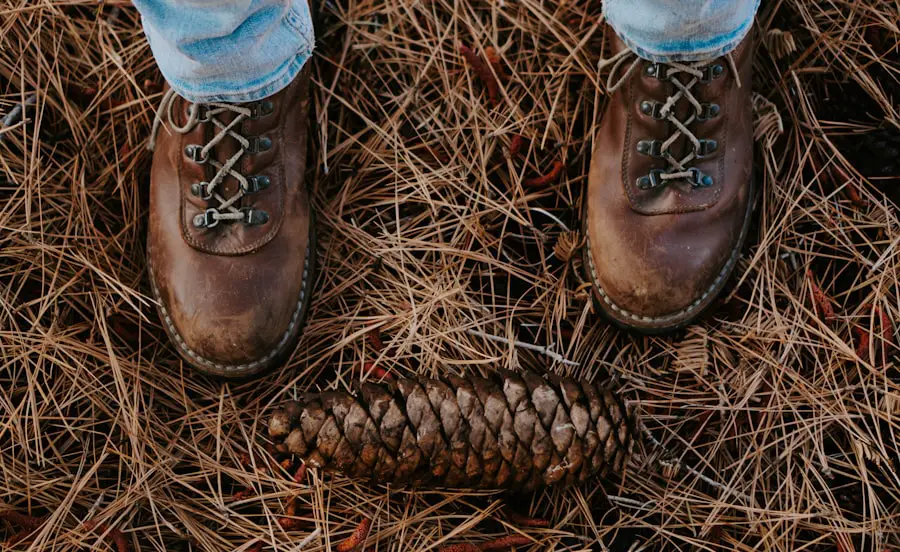
Snow boot outsoles feature deep, multidirectional lugs designed to bite into soft snow and slush, pushing loose buildup away from the sole with every step. Conversely, standard hiking boots are built for mud, rock, and loose dirt. Their stiffer rubber compounds harden when exposed to extreme cold, turning the outsole slick and reducing grip on ice. To learn more about selecting the right cold-weather outsoles, consult REI’s Winter Boot Selection Guide.
Pro Tip: If you must wear hiking boots on icy trails, enhance your safety by attaching external traction cleats or microspikes over your boot soles to prevent slipping.
Waterproofing Technologies and Moisture Management
Waterproofing is a non-negotiable feature for winter footwear. Snow, slush, and melting ice constantly test boot seams and upper materials. Snow boots generally combine a full rubber lower shell (or “duck boot” bottom) with treated waterproof leather or nylon uppers, creating an impenetrable barrier against wet snow.
Many modern outdoor boots integrate breathable waterproof membranes, such as GORE-TEX technology, which block external liquid water while allowing internal sweat vapor to evaporate. While high-end hiking boots also feature GORE-TEX or proprietary membranes, their fabric mesh panels are more susceptible to freezing when saturated with slush.
| Brand | Boot Model | Category / Type | Waterproofing Technology | Price Range |
|---|---|---|---|---|
| Columbia | Bugaboot Plus IV Omni-Heat | Dedicated Snow Boot | Omni-Tech Waterproof Membrane | $150 – $200 |
| The North Face | Chilkat Series | Dedicated Snow Boot | DryVent / HydroSeal Construction | $120 – $160 |
| Merrell | Moab 2 / 3 Mid Waterproof | 3-Season Hiking Boot | M Select DRY / GORE-TEX | $120 – $150 |
Comfort, Ankle Support, and Fit Dynamics
Fit and structural support differ considerably between these footwear styles because they address different physical demands:
- Hiking Boots: Designed for anatomical precision. They offer snug heel retention, contoured arch support, and structured ankle collars to prevent rolled ankles when carrying heavy backpacks over rocky terrain.
- Snow Boots: Designed with a roomier fit to accommodate thick wool socks without constricting blood circulation. Constricted blood flow reduces circulation, causing feet to feel cold faster.
Understanding Winter Temperature Ratings
Temperature ratings provide a benchmark for cold-weather performance. Manufacturers establish ratings—often ranging from 0°F down to -40°F (-40°C)—based on thermal lab tests.
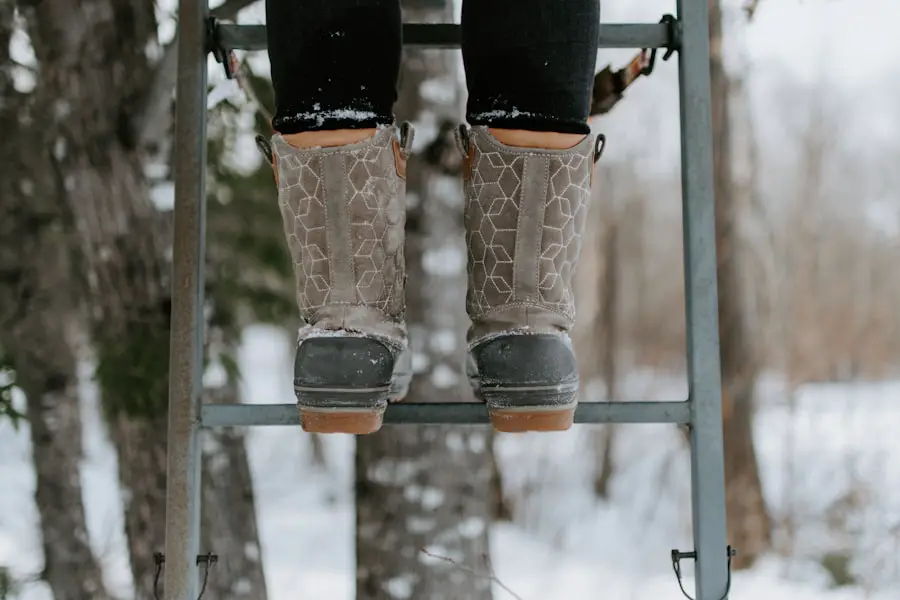
Because standard hiking boots are built for mild to warm weather, they rarely carry official temperature ratings. Relying on unrated footwear in extreme cold leaves your feet unprotected against rapid heat loss.
Note: Temperature ratings assume you are actively moving. If you plan to stand still in cold snow (e.g., watching winter sports or ice fishing), choose boots rated 10°F to 20°F colder than the ambient temperature.
Shaft Height and Protection Against Deep Snow
Boot height dictates how effectively footwear keeps deep snow out. Standard mid-cut hiking boots rise just above the ankle bone, leaving exposed gaps where deep snowdrifts can enter the boot top and soak your socks.
Snow boots feature higher shafts—ranging from 8-inch mid-calf models to knee-high boots—equipped with snow collars or drawstring closures to keep deep powder out. If you choose to hike in deep snow using standard hiking boots, pairing them with waterproof leg gaiters is essential.
Weight, Flexibility, and Walking Dynamics
The added warmth and protection of snow boots come with a weight tradeoff. Heavy rubber shells and multiple insulation layers make snow boots heavier, which can increase leg fatigue on long treks. Modern hiking boots prioritize lightweight synthetics for agility and pace.
Flexibility also varies: snow boots feature flexible uppers to allow comfortable walking through deep drifts, whereas hiking boots utilize rigid shanks in the midsole to prevent foot fatigue over uneven rocks.
Durability in Harsh Winter Conditions
Winter elements test boot materials severely. Road salt, slush, and freezing moisture can degrade leather and corrode seams over time. Snow boots use salt-resistant treated leathers, vulcanized rubber shells, and heavy-duty stitching engineered for long-term winter exposure.
Unprotected leather hiking boots exposed to slush without treatment can absorb water, freeze, and crack. Applying a silicone or wax-based waterproofing treatment helps preserve leather hiking boots when exposed to light winter conditions.
Can Hiking Boots Double as Snow Boots? (The Verdict)
While hiking boots can serve as temporary footwear for light, dry winter walks on cleared paths, they cannot replace dedicated snow boots in wet, deep, or sub-zero environments. Their lack of thermal insulation, stiffer cold-weather rubber, and lower cut leave feet vulnerable to wetness and cold.
If your winter plans involve deep snow, sub-zero weather, or prolonged exposure to freezing conditions, investing in purpose-built insulated snow boots is essential for comfort and frostbite prevention.
Frequently Asked Questions
Can hiking boots be used as snow boots?
Yes, hiking boots can be used for short walks in light, dry snow or on packed trails. However, because they lack heavy thermal insulation and specialized cold-weather rubber outsoles, they do not offer the same protection, warmth, or slip resistance as dedicated snow boots in deep snow or sub-zero temperatures.
What are the main differences between hiking boots and snow boots?
The primary differences are insulation, rubber compounds, and shaft height. Snow boots feature built-in thermal insulation (such as Thinsulate), flexible rubber outsoles designed for ice grip, and taller shafts to block snow. Hiking boots focus on breathability, rigid arch support, and lighter weight for trail walking.
What should I consider when using hiking boots in snowy conditions?
If wearing hiking boots in snow, wear thick wool or thermal socks (ensuring your feet aren’t squeezed tight), attach waterproof leg gaiters to keep snow out of the boot collar, and consider adding microspikes for traction on icy ground.
Can hiking boots provide enough traction on ice and snow?
Standard hiking boots offer adequate traction on packed dirt or light dry snow, but their rubber compounds harden in freezing weather, reducing grip on ice. Snow boots utilize softer, temperature-resistant rubber compounds designed specifically to grip slick ice and wet snow.
Are there specific features to look for if adapting hiking boots for winter?
Look for a waterproof liner (such as GORE-TEX), a gusseted tongue to block moisture, a higher ankle cut, and sufficient interior room for thermal insoles and heavy wool socks without restricting circulation.
Sources
- REI Co-op Expert Advice: How to Choose Winter Boots — Technical specifications on boot insulation, outsoles, and cold ratings.
- GORE-TEX Official Waterproof Technology Guide — Insights on waterproof, breathable membrane mechanics in footwear.
- 3M Thinsulate Thermal Insulation Specs — Standards on synthetic insulation performance in extreme cold.
- American Podiatric Medical Association (APMA) — Guidelines on footwear fit, foot circulation, and cold-weather health.
