
Last Updated on September 11, 2026 by Daniel Globe
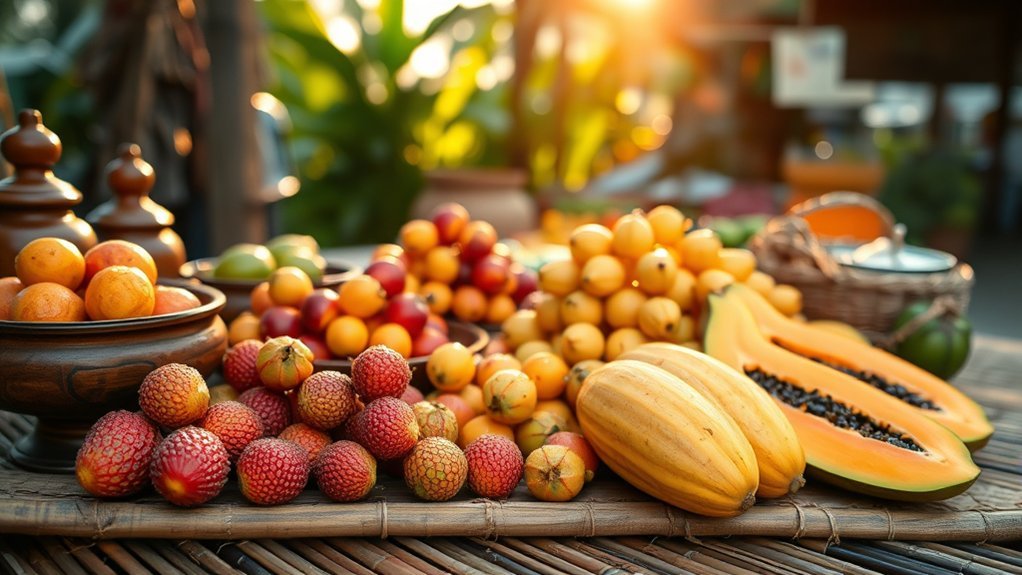
Cambodian fruit offers a wide range of sweet, sour, floral, creamy, and crisp flavors. You can try familiar tropical choices such as mango, banana, papaya, coconut, and pineapple, then move on to rambutan, mangosteen, santol, wax apple, Burmese grape, cashew apple, and Java cola. The best selection changes with the harvest, region, and weather.
Quick Answer
Popular Cambodian fruits include mango, banana, rambutan, durian, mangosteen, dragon fruit, jackfruit, longan, papaya, and coconut. Markets also sell less familiar choices such as santol, wax apple, Burmese grape, cashew apple, and Java cola. Availability changes by region, weather, and harvest, so ask vendors what is freshest that day.
Key Takeaways
- Mango is one of Cambodia’s most important fruits, with the main commercial harvest usually running from February through June.
- Green mango, papaya, and other tart fruits are often paired with chili, salt, sugar, or savory ingredients.
- Season dates are approximate because harvests vary by province, variety, rainfall, and off-season farming.
- For safer market snacking, choose whole fruit that you can wash with safe water and peel yourself.
Disclosure: As an Amazon Associate I earn from qualifying purchases. Some links on this page are affiliate links, at no extra cost to you.
What Are the Most Popular Cambodian Fruits?
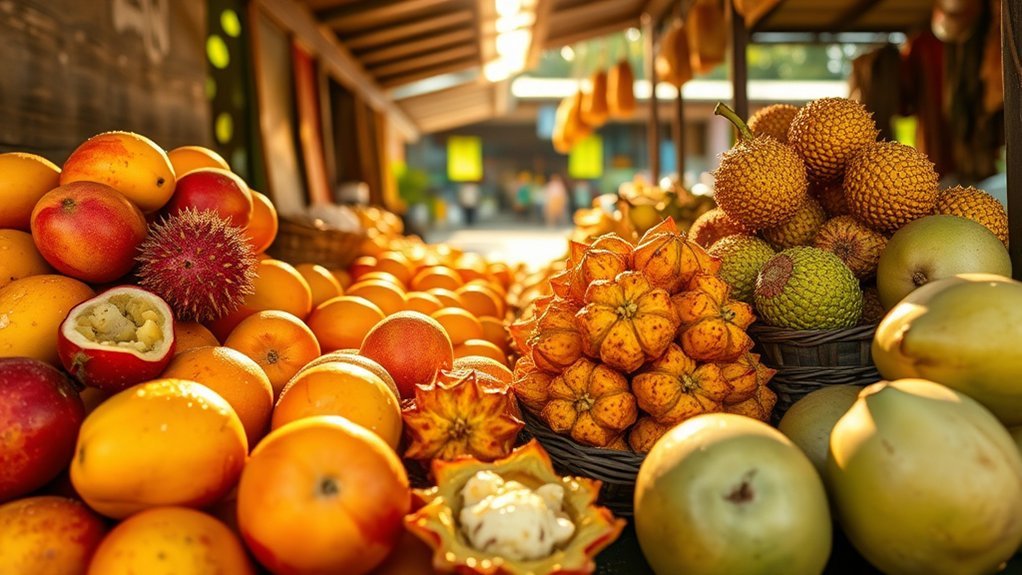
Mangoes, bananas, jackfruit, papayas, longans, durians, rambutans, and other tropical fruits are grown in Cambodia. The country’s 2024 Agriculture Survey includes mango, banana, jackfruit, papaya, longan, durian, dragon fruit, rose apple, and several other fruit crops.
Mango is especially important. The Food and Agriculture Organization of the United Nations identifies Cambodia’s Keo Romeat mango as a major local variety. It can taste crisp and sour when mature but still green, then become sweeter and more aromatic as it fully ripens.
| Fruit | Typical flavor | Texture | How it is commonly enjoyed |
|---|---|---|---|
| Mango | Sweet when ripe; tart when green | Firm, crisp, or soft | Fresh, with chili salt, in salads, juice, or desserts |
| Rambutan | Sweet, floral, and lightly acidic | Juicy and slippery | Peeled and eaten fresh around the seed |
| Durian | Sweet, rich, and slightly savory | Thick and custard-like | Fresh or in desserts and sweet snacks |
| Mangosteen | Sweet with gentle acidity | Soft and juicy | Fresh after opening the thick purple rind |
| Dragon fruit | Mild and lightly sweet | Soft with tiny crunchy seeds | Chilled, in fruit plates, smoothies, or desserts |
| Jackfruit | Sweet and aromatic when ripe | Springy or fibrous | Fresh ripe pods; unripe flesh in savory dishes |
| Longan | Sweet and gently floral | Juicy and translucent | Fresh, dried, or in drinks and desserts |
| Papaya | Sweet when ripe; mild when green | Soft when ripe; crisp when green | Fresh, in juice, or shredded into salad |
| Sapodilla | Brown-sugar and caramel-like | Soft and slightly grainy | Eaten fresh when fully soft and ripe |
| Coconut | Mild, sweet, and nutty | Liquid with soft or firm flesh | Fresh water, soft flesh, curries, sweets, and drinks |
Rambutan resembles lychee inside, although its peel is covered with soft hair-like spines. Mangosteen has a thick purple rind and white segmented flesh. Dragon fruit has bright skin, mild flesh, and many tiny edible seeds. Durian is more divisive because its strong smell and creamy texture are unlike those of most other fruits.
Rare Cambodian Fruits to Try
If you want to move beyond Cambodia’s better-known tropical fruits, look for cashew apple, Burmese grape, Java cola, wax apple, santol, bilimbi, and other seasonal choices. Some are eaten fresh, while others are used mainly in salads, preserves, drinks, or sour dishes.
Note: English spellings of Khmer fruit names vary because there is no single romanization used on every sign, menu, or website. Showing a vendor a photo can be more reliable than relying on an English phonetic spelling.
| Fruit | Scientific name | What to expect | Common use |
|---|---|---|---|
| Cashew apple | Anacardium occidentale | Juicy, sweet-tart, and sometimes astringent | Fresh, salted, juiced, preserved, or cooked |
| Burmese grape | Baccaurea ramiflora | Juicy segments with sweet-sour flavor | Fresh or preserved |
| Java cola | Feroniella lucida | Tart, aromatic pulp inside a firm shell | Sour soups, salads, sauces, or preserves |
| Wax apple | Syzygium samarangense | Mild, watery, and refreshing | Fresh, chilled, or with salt and chili |
| Santol | Sandoricum koetjape | Sweet-sour flesh with a soft, cottony feel | Fresh, pickled, candied, or in savory dishes |
Cashew apple can provide a bright, astringent flavor, while wax apple gives you a crisp and watery bite. Burmese grape and santol have sweet-sour flesh. Java cola is usually valued for its tart pulp and role in cooking rather than as a simple hand fruit.
Warning: Do not crack or process the raw nut attached to a cashew apple. The shell contains caustic oil that can cause skin irritation, blistering, and burns. The edible cashew kernels sold in stores have been professionally processed.
How Cambodian Fruits Taste and Feel
Cambodian fruits cover a broad range of flavors and textures. A green mango can be firm and sharply sour, while a ripe mango from the same tree may be soft, fragrant, and sweet. Rambutan and longan are juicy, wax apple is crisp, mangosteen is tender, and durian is thick and creamy.
Sweet, Sour, and Tangy
Ripe mango, longan, rambutan, sapodilla, jackfruit, and banana usually satisfy a sweet-fruit craving. Green mango, bilimbi, santol, and Java cola provide stronger acidity. Cambodians often balance tart fruit with salt, sugar, chili, dried seafood, or savory sauces.
| Flavor style | Examples |
|---|---|
| Mostly sweet | Ripe mango, longan, rambutan, banana, sapodilla |
| Sweet with acidity | Mangosteen, pineapple, passion fruit, Burmese grape |
| Strongly sour or tangy | Green mango, bilimbi, santol, Java cola |
| Sweet and savory | Durian and some very ripe jackfruit |
Mangosteen has gentle tartness beneath its sweetness. Durian has a richer flavor that may seem sweet, onion-like, nutty, or custardy depending on the variety and your palate. Dragon fruit is much milder and works well when you want something cool and refreshing.
Textures From Soft to Crunchy
Ripe jackfruit pods are springy and slightly fibrous, while unripe jackfruit is firmer and used in savory cooking. Wax apple has a light crunch. Rambutan opens to smooth, slippery flesh surrounding a hard seed. Sapodilla becomes tender and slightly grainy when ripe. Dragon fruit is soft, with a gentle crunch from its edible seeds.
Longan has translucent flesh beneath a thin shell. Mangosteen segments are soft and delicate. Durian is dense and creamy. These differences make a mixed fruit plate more interesting than one built only around sweetness.
Aroma, Ripeness, and Flavor
Ripeness changes both aroma and flavor. A ripe mango often smells sweet near the stem and gives slightly under gentle pressure. An underripe mango remains firm and tastes sharper. Sapodilla should feel soft before you eat it; an unripe one can be unpleasantly astringent.
- Fresh rambutan should look bright rather than dry, blackened, or shriveled.
- A ripe mangosteen should have a rind that gives slightly when pressed, not one that is rock hard.
- Dragon fruit should have bright skin and a slight give without deep wrinkles or leaking spots.
- Jackfruit should smell fruity and have firm pods that are not slimy.
- Durian is easiest for a first-time buyer when a vendor opens it and sells a visible portion.
When and Where to Find Cambodian Fruits
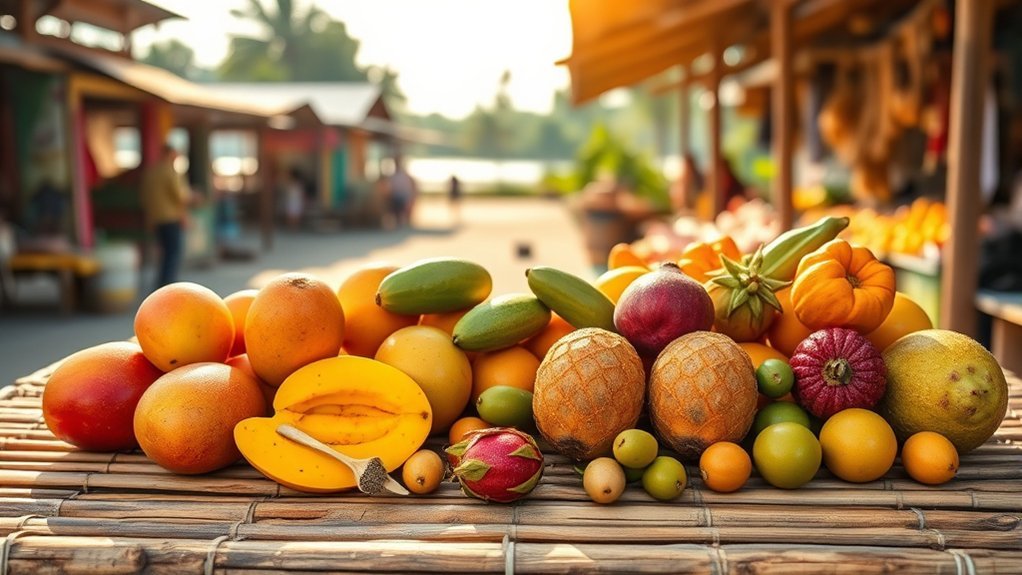
Cambodia’s tropical climate supports fruit production throughout the year, but each crop has a stronger harvest period. Weather, province, farming methods, and off-season production can move the dates, so use any calendar as a guide rather than a guarantee.
FAO reports that Cambodia’s main mango season generally runs from February through June. Lower-volume off-season mangoes may also reach the market during other months. Rambutan, durian, mangosteen, santol, and similar fruits often become easier to find around the wet-season months, although timing changes from year to year.
| Fruit | Typical period of stronger availability | What to remember |
|---|---|---|
| Mango | Main season: February to June | Off-season production can extend availability. |
| Rambutan | Often late spring through the wet season | Look for bright, fresh-looking peel and flexible hairs. |
| Durian | Often around May through July or early August | The peak can shift with rainfall and growing area. |
| Mangosteen | Commonly associated with wet-season harvests | Avoid fruit with a completely hardened shell. |
| Santol | Often June through August | Regional availability may be brief. |
| Banana, papaya, coconut, and wax apple | Often available across much of the year | Quality and price still change by season. |
In Siem Reap and Phnom Penh, central produce markets and neighborhood stalls are convenient places to compare several fruits. Roadside stands in farming areas may offer recently harvested mangoes, coconuts, bananas, jackfruit, durian, or other local crops. However, a stall’s selection can change from one day to the next.
Mango is grown widely across Cambodia, with major commercial production in provinces such as Kampong Speu. Coastal and southwestern areas, including Kampot and Koh Kong, are associated with tropical crops such as durian, mangosteen, coconut, banana, and papaya. Fruit also reaches urban markets from other provinces and neighboring countries, so not every item on a stall was necessarily grown nearby.
Pro Tip: Ask the vendor which fruit arrived that morning and which one is ready to eat today. This is often more useful than shopping from a fixed seasonal list.
How Cambodians Eat Fruit
Fruit in Cambodia may be eaten ripe and sweet, firm and sour, or mixed into savory dishes. Crisp green mango commonly appears with chili, salt, and sugar. Green papaya can be shredded into salad, while ripe mango, rambutan, longan, mangosteen, and jackfruit are often eaten fresh.
Traditional Fruit Pairings
Salt, chili, sugar, fermented ingredients, dried seafood, and savory sauces can balance the acidity of green fruit. The exact dipping mixture varies by vendor and household.
- Chili adds heat to green mango, papaya, and other tart fruit.
- Salt can make sweetness seem stronger and soften sharp acidity.
- Sugar balances very sour fruit.
- Dried fish or shrimp may turn green mango or papaya into part of a savory salad.
Durian may be eaten fresh or added to sweets. Jackfruit and sapodilla also work well in desserts. Java cola and bilimbi are more likely to appear in sour or savory preparations than on a simple dessert plate.
Street Market Snacking
At markets, vendors may peel rambutan, open durian, cut pineapple, prepare green mango, or serve chilled dragon fruit. Ask the price before ordering, especially when fruit is sold by weight. Bargaining may be suitable for some larger purchases, but it is not necessary for every small serving.
| Fruit | Common market style |
|---|---|
| Mango | Ripe and sliced, or green with chili, salt, and sugar |
| Rambutan | Sold in bunches and peeled by hand |
| Dragon fruit | Whole, chilled, or cut into a fruit plate |
| Green papaya | Shredded into a savory salad |
| Durian | Opened by the vendor and sold whole or by portion |
How to Choose and Prepare Cambodian Fruit
Color alone does not always show whether tropical fruit is ripe. Some Cambodian mangoes can remain green even when ready to eat. Check aroma, firmness, skin condition, and the vendor’s advice together.
How to Choose Ripe Fruit
- Mango: Look for smooth skin, a fruity smell near the stem, and a slight give. Avoid leaking fruit or large sunken areas.
- Rambutan: Choose fruit with bright peel and fresh-looking hairs. Very dry or blackened hairs suggest age.
- Mangosteen: Look for a green cap and a purple rind that gives slightly. A hard shell can mean the fruit is old or difficult to open.
- Dragon fruit: Choose bright, even skin with only slight softness. Deep wrinkles may show moisture loss.
- Sapodilla: Wait until it becomes soft. Firm, unripe sapodilla can taste strongly astringent.
- Durian: For your first taste, buy a freshly opened portion so you can see the color and condition of the flesh.
Peels, Seeds, and Pits
Remove the hard seeds from rambutan, longan, mango, santol, and similar fruits before swallowing. Dragon fruit’s tiny seeds are edible. Jackfruit contains large seeds that should be removed from the ripe pods; the seeds can be eaten only after proper cooking.
Do not eat durian rind, mangosteen rind, rambutan peel, or the raw shell attached to a cashew apple. When serving young children, remove all pits and seeds and cut slippery fruit into small, age-appropriate pieces.
The Health Benefits of Cambodian Fruits
Cambodian fruits can contribute water, carbohydrates, fiber, vitamins, minerals, and plant compounds to your diet. The exact nutritional content depends on the fruit, variety, growing conditions, ripeness, and portion size.
The strongest nutrition benefit comes from eating a varied selection of whole fruits as part of an overall balanced diet, not from treating one tropical fruit as a cure.
- Rambutan, longan, mango, papaya, and several other tropical fruits provide vitamin C in varying amounts.
- Vitamin C helps the immune system function and is needed for collagen production.
- Jackfruit, dragon fruit, mango, papaya, and other whole fruits can add dietary fiber.
- Whole fruit generally retains more fiber than strained juice.
- Fruit also contains natural sugar, so portion needs may differ for people managing blood sugar or following a medical diet.
Mangosteen peel contains compounds called xanthones, but this does not mean ordinary mangosteen flesh or supplements can treat inflammation or disease. A critical review of mangosteen xanthone research found that controlled human evidence remained limited and did not support broad therapeutic marketing claims.
Note: Whole fruit and concentrated extracts are not the same. Supplements may contain peel compounds at levels that you would not receive from eating the white mangosteen flesh.
How to Buy Fruit at Cambodian Markets
Start by checking the fruit’s skin, smell, firmness, and general condition. Avoid fruit with leaking juice, deep mold, heavy bruising, or an unpleasant fermented smell unless fermentation is expected for that product.
- Ask what is in season. Peak-season fruit is often fresher and may cost less.
- Confirm the unit. Ask whether the price is for one fruit, one bunch, one kilogram, or a prepared serving.
- Watch the weighing. This reduces confusion when buying expensive fruit such as durian.
- Choose whole fruit when practical. You can inspect, wash, and peel it yourself.
- Buy a small amount first. This is useful when you are trying an unfamiliar flavor.
- Ask before touching. Vendors may prefer to select delicate fruit themselves.
Warning: When water safety is uncertain, follow CDC traveler guidance. Choose fruit you can wash in bottled or disinfected water and peel yourself. Be cautious with pre-cut fruit that has been sitting unrefrigerated or exposed to repeated handling.
Before preparing fruit, wash your hands and rinse the produce under safe running water. The U.S. Food and Drug Administration advises against washing produce with soap, detergent, or commercial produce wash. Rinse the outside even when you plan to remove the peel, since a knife can transfer contamination from the surface to the flesh.
How to Store Cambodian Fruits at Home
Storage depends on ripeness and fruit type. Keep unripe mangoes, papayas, bananas, and sapodillas at room temperature until they soften. Once ripe, refrigeration can slow further ripening, although some tropical fruits may lose flavor or develop skin changes if kept very cold for too long.
- Mango and papaya: Ripen at room temperature, then refrigerate and use soon.
- Rambutan and longan: Refrigerate unpeeled in a breathable container to reduce moisture loss.
- Mangosteen: Keep cool and avoid crushing the rind.
- Dragon fruit: Store whole fruit in a cool place for short periods or refrigerate when ripe.
- Durian: Refrigerate opened flesh in a tightly sealed container because the aroma spreads easily.
- Cut fruit: Place it in a clean covered container and refrigerate promptly.
Keep ripe fruit separate from raw meat, poultry, and seafood. Discard cut fruit that has remained warm for an unsafe length of time or shows mold, slime, leaking liquid, or an unusual fermented odor.
Frequently Asked Questions
Which Cambodian fruits are best for making juice?
Mango, pineapple, passion fruit, papaya, watermelon, coconut, and cashew apple can all work well in drinks. Use safe water and clean equipment. Whole or blended fruit retains more fiber than juice that has been strained.
Are Cambodian fruits available year-round?
Some fruits, including banana, papaya, coconut, and certain mangoes, may be available through much of the year. Rambutan, durian, mangosteen, santol, and other fruits usually have a more noticeable peak season. Weather and off-season farming can shift the dates.
What fruits grow in Cambodia’s different regions?
Mangoes, bananas, papayas, coconuts, and jackfruit grow in many parts of Cambodia. Kampong Speu is a major mango-producing area. Kampot, Koh Kong, and other southern or coastal areas grow tropical crops such as durian, mangosteen, coconut, banana, and papaya. Market fruit may also arrive from other provinces or neighboring countries.
How should Cambodian fruits be stored at home?
Let firm mangoes, papayas, bananas, and sapodillas ripen at room temperature. Refrigerate them after ripening. Keep rambutan, longan, mangosteen, and cut fruit chilled in clean containers. Store opened durian in a tightly sealed container.
Which Cambodian fruits are suitable for children?
Soft mango, banana, papaya, dragon fruit, and ripe sapodilla can be suitable when cut into age-appropriate pieces. Remove every hard seed or pit from rambutan, longan, mango, jackfruit, and santol. Introduce unfamiliar fruits in small amounts and watch for allergic reactions.
What is Java cola fruit?
Java cola, or Feroniella lucida, is a firm-shelled fruit with tart, aromatic pulp. In Cambodian cooking, the pulp, young fruit, flowers, or buds may be used to add sour flavor to soups, salads, sauces, and fish dishes.
Can you take fresh Cambodian fruit home on an international flight?
Do not assume that fresh fruit can cross an international border. Many countries restrict fruit, seeds, plants, and soil because they can carry agricultural pests or diseases. Check the destination country’s customs and agricultural rules before packing anything.
Sources
- Food and Agriculture Organization of the United Nations: Cambodia’s mango sector — Keo Romeat mango, production context, and the main mango season.
- Cambodia Agriculture Survey 2024 — official crop categories and Cambodian fruit-production context.
- CDC: Food and Drink Considerations When Traveling — safe water, self-peeling, pre-cut fruit, and traveler food-safety advice.
- U.S. Food and Drug Administration: Selecting and Serving Produce Safely — produce washing and handling guidance.
- University of Florida IFAS: Cashew Apple — cashew-apple use, storage, and raw-shell safety.
- PubMed: Critical Review of Mangosteen Xanthones — limits of human evidence behind mangosteen health claims.
Conclusion
Exploring Cambodian fruit is an easy way to experience the country’s agriculture and everyday food culture. Start with ripe mango, rambutan, mangosteen, dragon fruit, or jackfruit, then try sharper choices such as green mango, santol, bilimbi, or Java cola. Ask vendors what is fresh, check how the fruit should be eaten, and use safe water when washing it. With those simple steps, you can enjoy Cambodia’s seasonal fruit with more confidence.
