
Last Updated on July 27, 2026 by Daniel Globe
Bucharest rewards travelers who look beyond a single landmark. Romania’s capital combines medieval traces, Belle Époque architecture, monumental communist-era buildings, museums, leafy parks, traditional food, and a nightlife scene that runs well into the evening. Many of the city’s best sights are concentrated around the historic center, while several worthwhile attractions sit a short metro or taxi ride away.
Quick Answer
The best things to do in Bucharest include exploring Old Town, touring the Palace of Parliament, visiting the Village Museum, walking Calea Victoriei, relaxing in King Michael I Park or Cișmigiu Gardens, trying Romanian food, seeing the Romanian Athenaeum, and enjoying the city’s nightlife. Allow two to three days for the main sights.
Key Takeaways
- Walk Bucharest’s Old Town for historic streets, Stavropoleos Monastery, restaurants, cafés, and nightlife.
- Reserve a Palace of Parliament tour in advance and bring an original physical ID or passport.
- Visit the Dimitrie Gusti National Village Museum to see traditional Romanian rural architecture in an open-air setting.
- Use King Michael I Park, Cișmigiu Gardens, or Tineretului Park when you need a quieter break from sightseeing.
- Try Romanian specialties such as sarmale, mici, mămăligă, cozonac, and țuică or pălincă.
- Bran Castle is possible as a day trip, but its famous “Dracula’s Castle” identity is more closely tied to literature and tourism than to Vlad Țepeș living there.
Disclosure: As an Amazon Associate I earn from qualifying purchases. Some links on this page are affiliate links, at no extra cost to you.
Explore Bucharest’s Old Town and Lipscani
Bucharest’s historic center is commonly associated with Lipscani, the old commercial district built around Lipscani Street. Its pedestrian lanes bring together surviving historic churches and merchant buildings, later neoclassical façades, restored townhouses, restaurants, bars, shops, and modern businesses. The contrast is part of Old Town’s appeal: the area shows several layers of Bucharest rather than one perfectly preserved architectural period.
One of its most important landmarks is Stavropoleos Monastery. Its church was erected in 1724 by Archimandrite Ioanichie and remains one of the finest small historic religious buildings in central Bucharest. Look for the carved stonework, painted details, and quiet courtyard, but remember that this is an active Orthodox religious site rather than simply a tourist attraction.
Nearby is the Old Princely Court, or Curtea Veche. The site is closely linked to Bucharest’s medieval development and to Vlad Țepeș: a document issued during his reign on September 20, 1459, contains the first documentary attestation of the Fortress of Bucharest. Later rulers expanded the princely complex over several centuries.
Note: The Palatul Voievodal Curtea Veche is undergoing rehabilitation, and its museum/site has not been operating as a normal walk-in attraction. Check the Bucharest Municipality Museum before planning an interior visit.
Old Town becomes much busier after dark, when terraces, pubs, cocktail bars, and music venues fill the pedestrian streets. Travelers interested in a quieter visit will usually enjoy the area more in the morning, before the nightlife crowds arrive.
Visit the Palace of Parliament
The Palace of Parliament is one of Bucharest’s defining landmarks and one of the world’s largest administrative buildings. Built during Nicolae Ceaușescu’s regime, the complex was conceived as the monumental center of a radically redesigned political district. The official Palace description lists a developed area of approximately 365,000 square meters, with a length of 270 meters, a width of 245 meters, and a height of 84 meters above ground.
Its interiors use enormous quantities of Romanian marble, wood, crystal, metal, carpets, and decorative finishes. Guinness World Records identifies the Palace of Parliament as the heaviest building in the world, based on the extraordinary quantities of stone, steel, bronze, crystal, and wood used in its construction.
The Palace of Parliament’s scale is impressive, but its history also reflects the human cost of Ceaușescu’s urban redesign, which erased much of the historic Uranus neighborhood to create the new civic center.
A standard guided visit introduces only a portion of the enormous building, including ceremonial halls, galleries, meeting spaces, and architectural details. The building also houses Romania’s Senate and Chamber of Deputies, while the National Museum of Contemporary Art occupies part of its rear wing.
The Palace’s story is more complicated than its lavish interiors suggest. Construction took place during a period of severe economic hardship, while historic streets, homes, churches, and other structures in the Uranus area were demolished to make room for the new political center. That context is worth understanding before or after the tour.
Pro Tip: Do not simply arrive and expect a tour. The official visitor center currently requires reservations for visits, asks guests to arrive about 15 minutes early, and requires an original physical ID card or passport. Security screening is mandatory, and tours are subject to availability.
Explore the Dimitrie Gusti National Village Museum
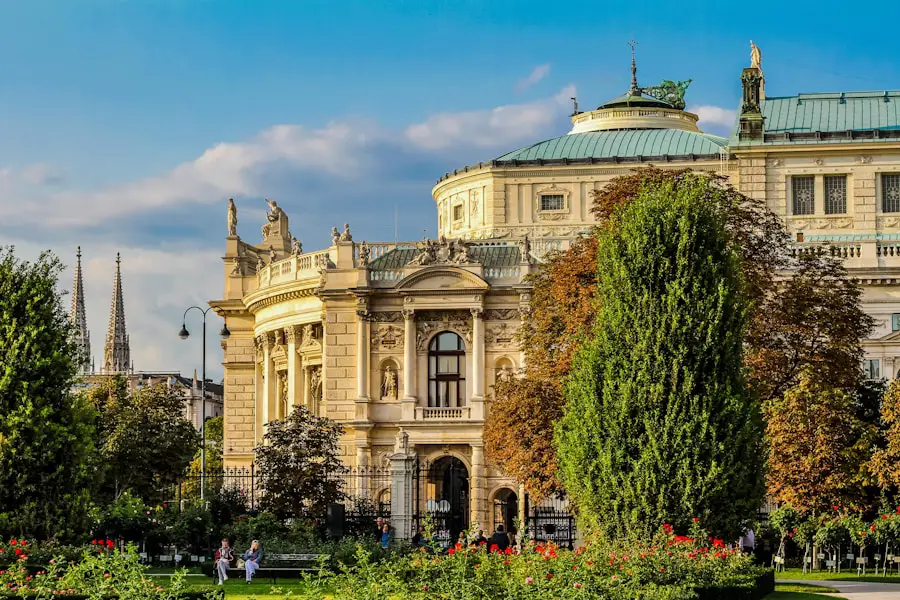
Located beside Lake Herăstrău in King Michael I Park, the Dimitrie Gusti National Village Museum is one of Bucharest’s best places to understand Romania beyond the capital. Founded in 1936, the open-air museum brings together historic houses, farm buildings, churches, workshops, technical installations, household objects, and other elements of rural life from different Romanian regions.
Walking through the museum feels more like exploring a traditional settlement than moving through a conventional indoor gallery. Buildings represent different landscapes, construction methods, occupations, and local traditions, making the museum particularly useful for visitors who will not have time to travel through several regions of rural Romania.
The museum also organizes temporary exhibitions, demonstrations, educational activities, craft events, seasonal celebrations, and folklore programs. Programming changes throughout the year, so check the museum calendar before visiting if you are interested in a specific event.
Allow at least a couple of hours if you want more than a quick walk. The museum’s official schedule varies by season and by entrance, and the interiors of many outdoor monuments have more limited opening schedules than the grounds themselves.
Enjoy Bucharest’s Parks and Gardens
Bucharest has several large green spaces that are useful both as attractions and as breaks between museums and historic sites. The old name “Herăstrău Park” remains common in maps, conversations, and older travel guides, but its official name is now King Michael I Park.
| Park | Verified Detail | Best For |
|---|---|---|
| King Michael I Park (formerly Herăstrău Park) |
Historic lakefront park; the municipality records its main historic development in the late 1930s. | Long walks, lake views, cycling, and combining with the Village Museum |
| Cișmigiu Gardens | About 14 hectares; officially inaugurated in 1860. | A central-city stroll, shaded paths, benches, and a quieter break from sightseeing |
| Tineretului Park | Approximately 83 hectares; development began in the 1960s. | Large open spaces, exercise, recreation, and a less tourist-centered park experience |
King Michael I Park surrounds a large lake in northern Bucharest and works especially well when paired with the Village Museum. Its broad paths and waterside areas are popular for walking, cycling, outdoor meals, and recreation.
Cișmigiu Gardens is much closer to the historic center. Created as a landscaped public garden in the 19th century, it has winding paths, mature trees, flowerbeds, benches, and a lake. It is an easy stop between central Bucharest sights and feels more intimate than the larger northern parks.
Tineretului Park lies south of the center and is better suited to travelers looking for a broad recreational park rather than a historic garden. Its size makes it useful for walking, jogging, and getting away from the busiest tourist districts.
Walk Calea Victoriei and Revolution Square
Old Town is not the only part of central Bucharest worth exploring on foot. Calea Victoriei runs through one of the city’s most architecturally varied central corridors and links museums, historic hotels, churches, cultural institutions, shops, and public squares.
Near Revolution Square you can see the former Royal Palace, now home to the National Museum of Art of Romania, along with the Central University Library and the Romanian Athenaeum. The square is also tied to the events of the December 1989 Romanian Revolution, making this area important for understanding both Bucharest’s royal-era architecture and its recent political history.
Walking Calea Victoriei toward the historic center also gives you a better sense of the contrasts that define Bucharest: ornate late-19th- and early-20th-century façades stand alongside communist-era interventions and contemporary buildings.
Indulge in Romanian Cuisine
Romanian cuisine draws on Balkan, Central European, Ottoman, and local traditions, and Bucharest is one of the easiest places to sample dishes from several parts of the country.
Start with sarmale, cabbage rolls generally filled with seasoned minced meat and rice. They are often served with sour cream and mămăligă, the Romanian cornmeal staple similar to polenta. Another popular option is mici, grilled skinless minced-meat rolls commonly served with mustard and bread.
Mămăligă also appears as a side dish with cheese, sour cream, stews, or meat. Menus vary considerably, so a traditional restaurant is a good opportunity to try several dishes rather than ordering only the most famous one.
For dessert, look for cozonac, a sweet enriched bread commonly filled with walnuts, cocoa, poppy seeds, or other fillings. Although strongly associated with holidays, versions can be found at bakeries and restaurants outside the festive season.
Romanian fruit brandies include țuică, traditionally associated with plums, and pălincă, a strong distilled spirit particularly associated with Transylvania and other regions. They can be considerably stronger than wine or beer, so small servings are the sensible way to sample them.
Experience Bucharest’s Nightlife
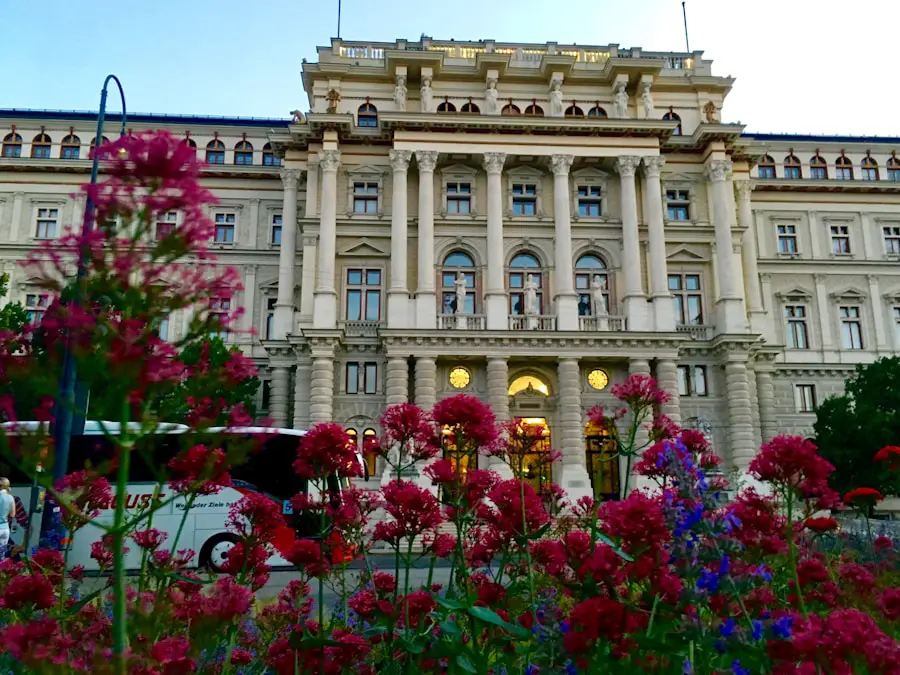
Bucharest has a broad nightlife scene ranging from Old Town pubs and cocktail bars to independent music venues, dance clubs, rooftop terraces, and live performances. Old Town is the easiest area for visitors who want many choices within walking distance, although it can become noisy and crowded later at night.
For live and alternative music, Control Club remains an active Bucharest venue with concerts, DJ nights, and events covering electronic, indie, rock, jazz, hip-hop, and other styles. Older nightlife guides also frequently mention venues such as Kristal, but club locations, schedules, and event formats can change, so check a venue’s current program rather than relying on an old list.
Themed events and guest DJ nights are common, and the best venue depends heavily on the date of your trip. Checking the week’s actual event calendar usually produces better results than choosing a club solely because it appears in a generic “best nightlife” list.
Note: Use normal big-city precautions at night: keep valuables secure in crowded areas, avoid unlicensed transportation offers, and confirm your route back to your accommodation before staying out late.
Visit the Romanian Athenaeum
The Romanian Athenaeum is one of Bucharest’s most recognizable cultural landmarks. The foundation stone was laid in 1886, and the building was unveiled in 1888, although construction and finishing work continued in later phases. Today it is the home of the George Enescu Philharmonic.
Its circular concert hall, grand staircases, columns, decorative details, and monumental historical fresco make the interior as rewarding as the exterior. The large fresco by Costin Petrescu, unveiled in 1939, presents scenes from Romanian history around the concert hall.
A concert is the most memorable way to experience the building, but tourists may also be able to visit outside rehearsal and performance times. The George Enescu Philharmonic visitor page advises travelers to check the current visiting schedule; guided visits in Romanian or English require advance arrangement.
Take a Day Trip to Bran Castle in Transylvania
Bran Castle is one of Romania’s best-known attractions and is commonly marketed internationally as “Dracula’s Castle.” The medieval fortress stands in the Bran area near Brașov and is an appealing day-trip destination for travelers interested in castles, Romanian royal history, mountain scenery, and the development of the Dracula legend.
The important distinction is that Bran Castle was not simply Vlad the Impaler’s home. The historical Vlad Țepeș has connections with the region and with conflicts involving Brașov and Bran, but the castle’s modern Dracula fame comes largely from the way tourism has linked its dramatic appearance with Bram Stoker’s fictional Count Dracula. The castle’s own Dracula history discusses the difference between the historical ruler and the literary character.
Inside, visitors can explore furnished rooms, narrow stairways, towers, courtyards, and exhibitions dealing with the castle’s history, Romanian royalty, folklore, and the Dracula tradition. Bran’s history extends well beyond vampire tourism, including an important period as a residence associated with Queen Marie of Romania.
Pro Tip: Treat Bran as a full-day excursion rather than another Bucharest attraction. Road traffic can make travel times unpredictable. Many organized trips combine Bran with Brașov and sometimes Peleș Castle, but check each attraction’s current opening schedule before booking.
If you’re planning a trip to Bucharest, practical luggage can make airport transfers and day trips easier. This guide to the best carry-on suitcase with a USB charger covers options for travelers who want built-in access for routing a power bank to their devices while on the move.
Plan Your Bucharest Visit: Time, Transport, and Safety
How Long Should You Spend in Bucharest?
Two full days are enough for a focused first visit covering Old Town, the Palace of Parliament, Calea Victoriei, the Romanian Athenaeum, and one major museum. Three days gives you room for the Village Museum, parks, a slower food experience, and additional museums without rushing. Add a separate day if you plan to visit Bran and Brașov.
Getting Around Bucharest
Central Bucharest is partly walkable, especially around Old Town, Calea Victoriei, Revolution Square, and the Athenaeum. For longer journeys, the metro is usually the fastest option when traffic is heavy.
Surface transportation is operated by STB and includes buses, trams, and trolleybuses. According to STB’s current payment information, travelers can use several ticket methods, including transport cards, mobile-payment options, and contactless bank cards on vehicles equipped with the appropriate validator.
Metrorex also offers individual and integrated travel products. Some integrated metropolitan tickets cover surface transport, metro journeys, and the railway connection between Gara de Nord and Henri Coandă International Airport. Check Metrorex’s current ticket information before relying on a specific fare because prices and products can change.
Safety and Emergency Information
Romania is currently listed by the U.S. Department of State at Level 1: Exercise normal precautions. As in other major European cities, stay aware of your belongings in crowded tourist areas and on public transport.
Emergency: Romania uses 112 for police, ambulance, and other emergency services. Bucharest also has meaningful earthquake risk, so travelers should take building evacuation instructions and official emergency alerts seriously.
Frequently Asked Questions
What are the top things to do in Bucharest, Romania?
Top Bucharest attractions include Old Town and Stavropoleos Monastery, the Palace of Parliament, the Dimitrie Gusti National Village Museum, Calea Victoriei and Revolution Square, King Michael I Park, Cișmigiu Gardens, the Romanian Athenaeum, Romanian restaurants, and the city’s nightlife.
What is the Palace of Parliament?
The Palace of Parliament is a vast government and parliamentary complex built during Nicolae Ceaușescu’s regime. Its official developed area is about 365,000 square meters, and Guinness World Records identifies it as the world’s heaviest building. Public visits are guided and currently require advance planning and an original physical ID or passport.
What is there to do in Bucharest’s Old Town?
Walk Lipscani and the surrounding pedestrian streets, visit Stavropoleos Monastery, see the historic Curtea Veche area, browse shops and cafés, eat Romanian food, and return after dark for bars and nightlife. Curtea Veche itself is undergoing rehabilitation, so check current access before expecting to tour the archaeological museum.
What is the Village Museum in Bucharest?
The Dimitrie Gusti National Village Museum is an open-air museum founded in 1936 beside Lake Herăstrău. It preserves traditional houses, churches, farm buildings, workshops, technical installations, household objects, and other examples of rural heritage brought from different regions of Romania.
What is Herăstrău Park called now?
The park commonly known as Herăstrău Park is officially called King Michael I Park. The older Herăstrău name remains widely used by locals, businesses, maps, and travel guides, so travelers will often encounter both names.
How many days do you need in Bucharest?
Two days is enough for the main central sights at a fairly active pace. Three days is more comfortable and allows time for the Village Museum, parks, additional museums, and longer meals. Add another full day for a Bran Castle or Brașov excursion.
Is Bucharest walkable for tourists?
Many central attractions are walkable, particularly Old Town, Calea Victoriei, Revolution Square, and the Romanian Athenaeum. The Palace of Parliament, Village Museum, larger parks, and attractions farther from the center are easier to reach by metro, surface transport, or taxi or ride-hailing service.
Can you visit Bran Castle on a day trip from Bucharest?
Yes. Bran Castle is commonly visited on a full-day trip from Bucharest, often together with Brașov and sometimes Peleș Castle. Leave a full day because mountain-road traffic can make journey times variable, especially on busy weekends and holiday periods.
Sources
- Palace of Parliament — International Conference Centre — current visitor reservations, ID requirements, security rules, and tour information.
- Dimitrie Gusti National Village Museum — museum history, heritage, and development.
- Bucharest Municipality Museum — Curtea Veche — archaeological-site history and current rehabilitation status.
- George Enescu Philharmonic — Romanian Athenaeum — official building history and cultural role.
- Bran Castle — official discussion of Vlad Țepeș, Dracula, and the castle’s historical connection.
- U.S. Department of State — Romania Travel Advisory — current general safety level and emergency guidance.
