
Last Updated on July 27, 2026 by Daniel Globe
Zagreb blends medieval streets, lively markets, museums, green parks, café culture, and easy escapes into the surrounding hills. Many of the best things to do in Zagreb are close enough to combine on foot, while trams make it simple to reach attractions such as Maksimir Park and the Museum of Contemporary Art.
Quick Answer
The best things to do in Zagreb include exploring Upper Town, seeing St. Mark’s Church and Zagreb Cathedral, browsing Dolac Market, riding the historic funicular, visiting distinctive museums, relaxing in Maksimir Park, eating on Tkalčićeva Street, hiking Medvednica, and taking a day trip to nearby Samobor.
Key Takeaways
- Upper Town is the best place to start for medieval Zagreb, St. Mark’s Church, Lotrščak Tower, and classic city views.
- Zagreb Cathedral remains under restoration in 2026, so check current visitor access before going inside.
- Dolac Market, Tkalčićeva Street, and Ban Jelačić Square are easy to combine in one central-city walk.
- Maksimir Park and Medvednica Nature Park offer two very different ways to add nature to a city break.
- Two days cover Zagreb’s major highlights comfortably; a third day gives you time for museums, hiking, or a Samobor day trip.
Disclosure: As an Amazon Associate I earn from qualifying purchases. Some links on this page are affiliate links, at no extra cost to you.
Explore Zagreb’s Historic Upper Town
The Upper Town, or Gornji Grad, is one of the most rewarding places to explore Zagreb’s history. Cobblestone lanes, old civic buildings, small squares, churches, and viewpoints preserve the character of medieval Gradec, one of the settlements from which modern Zagreb developed.
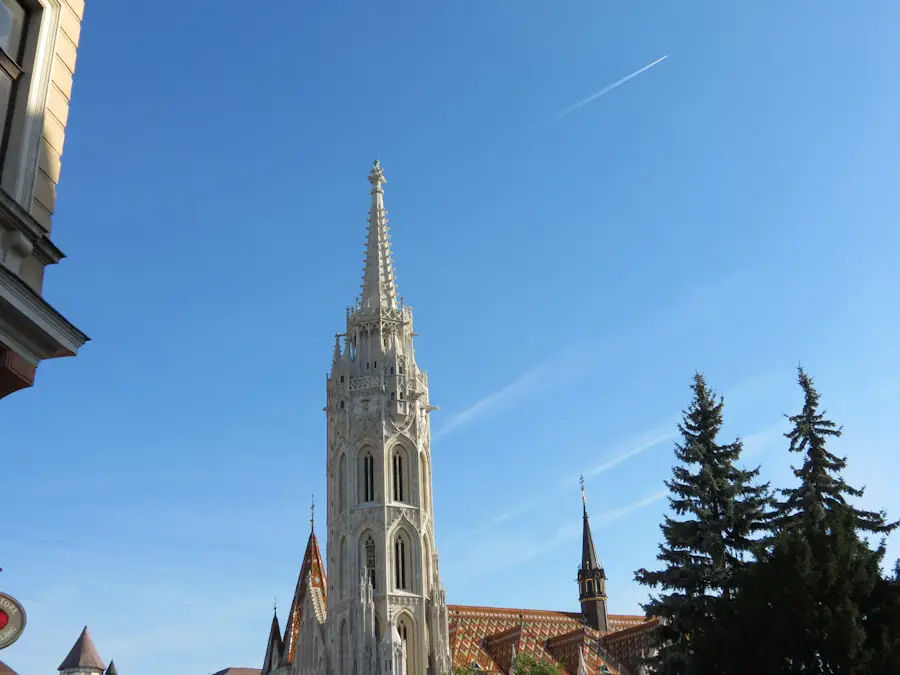
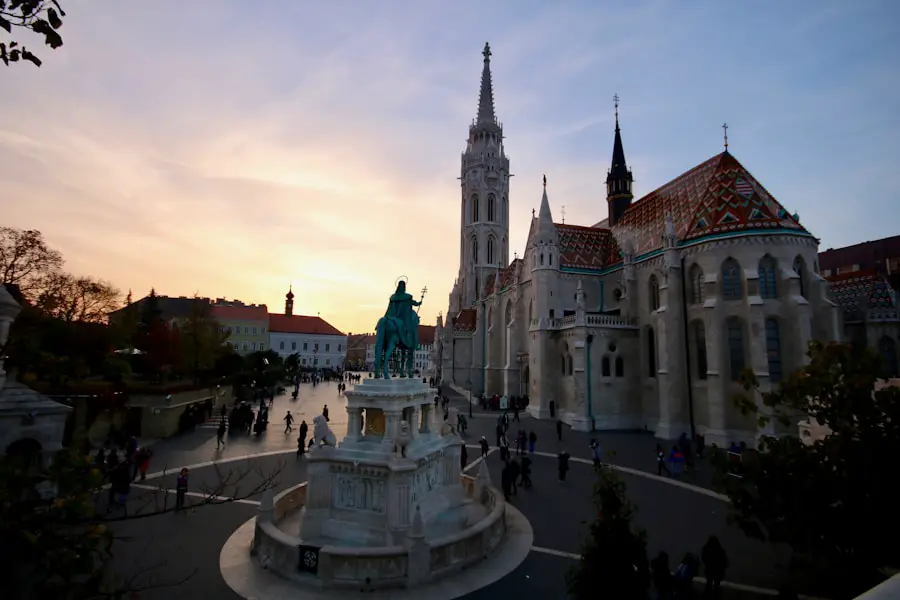
At the heart of the area is St. Mark’s Church. The church was built in the 13th century, although later Gothic and 19th-century reconstruction shaped much of what visitors see today. Its colorful tiled roof bears the coat of arms of the former Triune Kingdom of Croatia, Dalmatia and Slavonia on one side and the city of Zagreb on the other.
Another Upper Town landmark is Lotrščak Tower, which was built in the 13th century as part of Gradec’s defenses. Visitors who climb its steep interior staircase are rewarded with wide views across Zagreb’s rooftops.
The tower is also home to the Grič cannon. Zagreb’s noon-cannon tradition began on January 1, 1877 and remains one of the city’s most recognizable daily rituals.
Warning: The Grič cannon fires at noon and the sudden blast is extremely loud. Give the firing point some distance if you are sensitive to loud noises or are visiting with young children.
Note: Upper Town is hilly and includes cobblestones, slopes, and stairways. Comfortable walking shoes are useful, and visitors who want to avoid part of the uphill walk can use the funicular between Lower and Upper Town.
Visit Zagreb Cathedral
Zagreb Cathedral, formally the Cathedral of the Assumption of the Blessed Virgin Mary, is one of the city’s most important religious and architectural landmarks. Its long history includes medieval Gothic construction and a major Neo-Gothic reconstruction after the destructive Zagreb earthquake of 1880. The twin towers created during that rebuilding rise to roughly 105 meters and dominate views of the historic center.
The cathedral’s story extends much further back. A cathedral was consecrated on the site in 1217 and was badly damaged during the Tatar invasion of 1242. Later generations rebuilt and expanded the church, producing the complex mix of medieval and later architectural elements visible today.
The cathedral suffered major new damage during the Zagreb earthquake of March 2020, including damage to its spires and other structural elements. A large restoration project has followed.
2026 Visitor Note: Restoration is still in progress. The Zagreb Archdiocese reported in July 2026 that liturgical celebrations have been taking place in the cathedral since Christmas 2025, while reconstruction continues. Access and work zones can change, so check current information before your visit.
Even when restoration affects interior access, the cathedral remains an important stop for understanding Zagreb’s religious history, earthquake history, and evolving cityscape.
Wander through the Lively Dolac Market
Dolac Market is often called the “belly of Zagreb.” Opened in 1930 just above Ban Jelačić Square, the central market remains closely tied to everyday food shopping and social life in the city.
The market combines an open-air section with indoor selling areas. Outside, stalls are associated with fruit, vegetables, flowers, and seasonal produce, while indoor areas include meat, dairy products, and other foods.
Dolac is worth visiting even if you are not cooking during your trip. The market gives you a closer look at ingredients used in Croatian kitchens and at the morning rhythm of central Zagreb. Nearby cafés make it easy to combine a market visit with coffee or breakfast.
Pro Tip: Visit Dolac in the morning when the produce stalls are at their liveliest and the market feels most like part of everyday Zagreb. Individual sections and vendors can keep different hours.
Start at Ban Jelačić Square and Ride the Zagreb Funicular
Ban Jelačić Square is the practical center of a first-time Zagreb visit. The square sits between the Lower Town and the historic neighborhoods of Kaptol and Gradec and has served as a commercial and social focal point for centuries.
From here, you can walk to Dolac Market, Tkalčićeva Street, Zagreb Cathedral, and the approaches to Upper Town. It is also a useful meeting point because much of Zagreb’s central sightseeing radiates outward from the square.
For a quick transition between Lower and Upper Town, take the Zagreb Funicular. Its track is only 66 meters long and the ride takes about 64 seconds. After a renovation lasting more than a year, Zagreb’s public transport operator ZET returned the funicular to service on May 19, 2026.
The ride is brief, but it leaves you beside Strossmayer Promenade and Lotrščak Tower, making it both a Zagreb attraction and a practical shortcut up the hill.
Visit the Museum of Broken Relationships
The Museum of Broken Relationships is one of Zagreb’s most distinctive museums and deserves more than a passing mention. Located in Upper Town, it grew from a traveling exhibition based on objects left behind after relationships ended.
Each donated object is paired with a personal story, turning ordinary belongings into accounts of love, separation, grief, humor, and memory. The result is less like a traditional history museum and more like a collection of intimate human experiences from different countries and cultures.
The museum’s Zagreb location is on Ćirilometodska Street, making it easy to combine with St. Mark’s Square and the rest of Upper Town.
Because operating hours and admission can change, check the museum’s official visitor page before setting out.
Enjoy a Relaxing Stroll in Maksimir Park
| Maksimir Park Fact | Verified Detail |
|---|---|
| Park area | 316 hectares |
| Lakes | 5 |
| Opened to the public | 1794 |
| Landscape | Woodland, meadows, streams, lakes, and historic park architecture |
| Family attraction | Zagreb Zoo is located in the southern part of the park |
Maksimir Park is one of Zagreb’s best places to slow down after sightseeing in the historic center. According to the public institution responsible for the park, Maksimir covers about 316 hectares and protects important woodland habitats within the city.
Maksimir Park covers about 316 hectares and contains five lakes, giving Zagreb a large woodland and landscape park within the urban area.
The park was opened to the public in 1794 and later developed in an English landscape style. Today its mix of woodland, lawns, lakes, streams, historic structures, and walking routes makes it suitable for anything from a short stroll to several relaxed hours outdoors.
Zagreb Zoo occupies part of the southern park, so families can easily combine the two attractions. Visitors who prefer a quieter experience can continue farther into Maksimir’s wooded areas and around its lakes.
Hike and Explore Medvednica Nature Park
For a more active day outside the city center, head north toward Medvednica Nature Park. The wooded mountain rises directly behind Zagreb and has long been one of the city’s favorite places for hiking, cycling, picnics, and outdoor recreation.
Sljeme, the mountain’s best-known summit area, rises a little over 1,000 meters above sea level. The park contains marked walking routes as well as cultural attractions such as Medvedgrad, the medieval fortress overlooking Zagreb.
The Medvednica Nature Park authority asks visitors to stay on marked trails, carry enough water, wear appropriate footwear, keep dogs on a leash, and avoid disturbing plants and wildlife.
Pro Tip: Treat Medvednica as a separate half-day or full-day outing rather than squeezing it between central Zagreb attractions. Mountain weather can also feel cooler than conditions in the city below.
Discover Croatian Art at the Museum of Contemporary Art
The Museum of Contemporary Art, commonly known as MSU, is a strong choice for travelers interested in Croatian and international modern and contemporary art. The institution itself dates to 1954, when it began as the City Gallery of Contemporary Art.
The museum moved into its present New Zagreb building in December 2009. Its collections have developed over more than half a century and include painting, sculpture, photography, film, video, installation, and other media.
MSU also hosts temporary exhibitions and cultural programs, so the exact visitor experience changes throughout the year. Its location away from the historic center makes it a good choice to pair with another New Zagreb activity rather than squeezing it into an Upper Town walk.
The museum also maintains archives, a library, audiovisual facilities, and educational programming, reflecting its role as both an exhibition venue and a center for research and contemporary culture.
Indulge in Local Cuisine on Tkalčićeva Street
Tkalčićeva Street, often shortened locally to “Tkalča,” is one of central Zagreb’s best-known streets for cafés, restaurants, and relaxed outdoor seating. It lies only a short walk from Ban Jelačić Square and Dolac Market.
The street follows the valley where the Medveščak stream once ran between the historic settlements of Gradec and Kaptol. Today the old houses and busy terraces make it a natural place to stop for coffee, lunch, dinner, or an evening drink.
For a stronger taste of Zagreb and inland Croatian cooking, look for dishes such as štrukli, dough filled with cheese and served baked or cooked; purica s mlincima, turkey served with thin baked pasta sheets; and Zagrebački odrezak, a breaded meat cutlet filled with ham and cheese.
Menus along Tkalčićeva range from traditional Croatian dishes to international food, so it is worth reading menus rather than assuming every restaurant specializes in local cuisine.
Experience Zagreb Nightlife around Tkalčićeva Street
After dark, Tkalčićeva shifts from daytime café culture toward a busier bar scene. Its terraces and bars make it an easy starting point for an evening out, particularly for travelers who want to stay within walking distance of the historic center.
The street itself is better known for bars, cafés, pubs, and restaurants than for large dance clubs. Travelers looking for clubbing can continue elsewhere in Zagreb after starting the evening on Tkalčićeva or around Ban Jelačić Square.
Live music and seasonal outdoor events also appear around central Zagreb during the year. Because individual venues change hours, music programs, and opening days, check the specific place you plan to visit rather than relying on a fixed nightlife schedule.
How to Plan 1, 2, or 3 Days in Zagreb
One Day in Zagreb
With one day, concentrate on the historic core. Start at Ban Jelačić Square, visit Dolac Market, see Zagreb Cathedral, continue into Upper Town for St. Mark’s Church and Lotrščak Tower, and visit the Museum of Broken Relationships. Finish with dinner or drinks around Tkalčićeva Street.
Two Days in Zagreb
Use the first day for the historic-center route. On day two, choose Maksimir Park and the zoo, the Museum of Contemporary Art, or more of Zagreb’s Lower Town museums, parks, and architecture. This pace gives you time to sit for coffee rather than treating every attraction as a quick photo stop.
Three Days or More
A third day creates room for Medvednica Nature Park, a slower museum day, Lake Jarun, or a trip outside Zagreb. Samobor is one of the easiest nearby destinations for travelers interested in a smaller historic town, local food, and a countryside atmosphere.
Getting Around: Central Zagreb is compact enough for most major Old Town sights to be explored on foot. Trams are useful for attractions farther from the center, while the funicular offers a very short connection between Lower and Upper Town.
Take a Day Trip to the Charming Town of Samobor
A day trip to Samobor provides a change of pace from Zagreb’s urban center. The small town lies west of Zagreb and is known for its historic center, surrounding hills, walking opportunities, and culinary traditions.
One of its best-known treats is Samoborska kremšnita, a custard-filled pastry that has become one of the town’s symbols. Trying a slice in a local pastry shop is part of the classic Samobor visit.
Above the town are the ruins of Old Town Samobor. The castle traces its history to 1268 and was altered repeatedly as different rulers and noble families controlled it.
Warning: Samobor’s official visitor information states that entry among the castle ruins is at your own risk. Wear suitable footwear, watch your footing, and respect any barriers or current safety notices.
The walk toward the castle also gives visitors a chance to see the wooded landscape surrounding Samobor. Hiking and cycling routes in the wider area make the town especially appealing when you want to combine food, history, and time outdoors.
If you’re planning a trip to Zagreb, Croatia, you may also be interested in reading about the best travel pillows for long flights this spring to make the journey more comfortable.
Sources
- Zagreb Tourist Board — St. Mark’s Square — history of St. Mark’s Church and its tiled coats of arms.
- Zagreb Archdiocese — Cathedral restoration update, July 16, 2026 — ongoing reconstruction and resumption of liturgical celebrations.
- Zagreb Markets — Dolac timeline — Dolac Market’s development and 1930 opening.
- Public Institution Maksimir — About the Park — park area, landscape, biodiversity, and protected status.
- Museum of Contemporary Art Zagreb — About Us — museum history, collections, and move into the current building.
- ZET — Zagreb Funicular — track length, ride details, operation, and 2026 reopening.
Frequently Asked Questions
What are the top things to do in Zagreb, Croatia?
Top experiences include exploring Upper Town, seeing St. Mark’s Church and Zagreb Cathedral, visiting Dolac Market and the Museum of Broken Relationships, riding the funicular, relaxing in Maksimir Park, visiting MSU, enjoying Tkalčićeva Street, and hiking on Medvednica.
What is the best time to visit Zagreb?
Spring and early autumn are attractive for travelers who want comfortable walking weather and plenty of outdoor sightseeing. Summer brings warmer conditions and outdoor events, while December is popular for Zagreb’s Advent season. The best period depends on whether you prioritize mild weather, events, or holiday atmosphere.
What are some popular landmarks in Zagreb?
Popular Zagreb landmarks include St. Mark’s Church, Zagreb Cathedral, Lotrščak Tower, Ban Jelačić Square, the Zagreb Funicular, and the Croatian National Theatre. Many of the historic landmarks are concentrated in or near the Upper and Lower Towns.
What are some outdoor activities to do in Zagreb?
Outdoor options include walking through Maksimir Park, hiking or cycling in Medvednica Nature Park, exploring Lake Jarun, visiting Zagreb’s Botanical Garden, and simply walking the historic Upper and Lower Town neighborhoods.
What is the local cuisine in Zagreb like?
Zagreb’s food reflects inland Croatian and Central European influences. Dishes worth looking for include štrukli, turkey with mlinci, Zagrebački odrezak, soups, roasted meats, pastries, and cakes. Dolac Market is also a useful place to see ingredients used in local cooking.
How many days do you need in Zagreb?
Two days is enough for the main historic sights, Dolac Market, several museums, and some relaxed café time. Three days is better if you want to add Maksimir Park, Medvednica, more museums, or a day trip to Samobor.
Is Zagreb easy to explore on foot?
Yes. Most major attractions in central Zagreb are close enough to connect on foot. Upper Town is hilly and has cobblestones and stairs, while trams are useful for attractions farther away such as Maksimir Park and New Zagreb.
