
Last Updated on July 24, 2026 by Daniel Globe
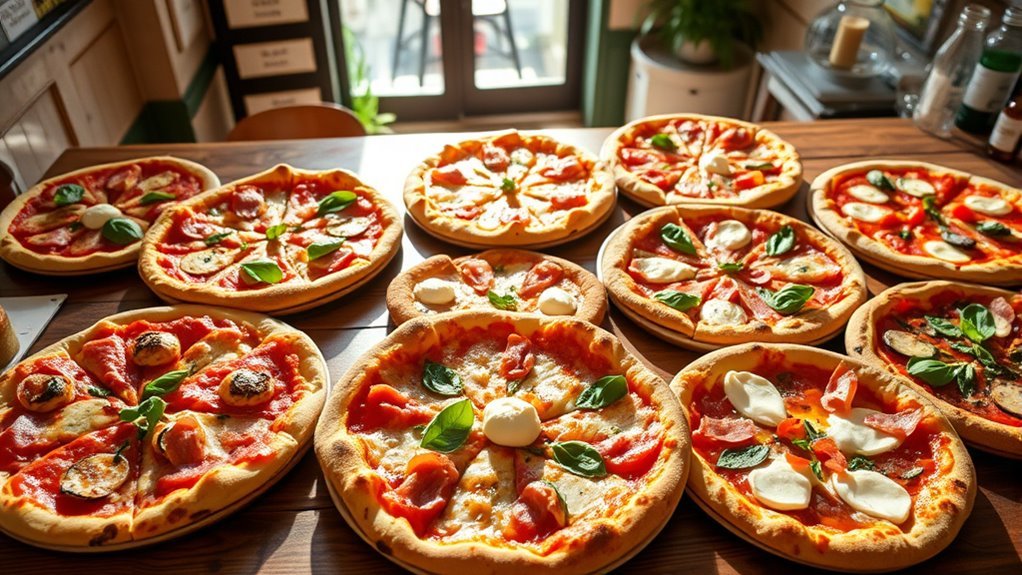
When traveling through Italy, tasting authentic regional pizza is an essential culinary experience. From the soft, airy crust of Naples to the paper-thin, crispy slices of Rome, Italian pizza is deeply tied to regional traditions, dough hydration, and centuries-old wood-fired baking techniques.
Quick Answer
The primary Italian pizza styles include Pizza Napoletana (soft, wood-fired dough with tall edges), Pizza Tonda alla Romana (ultra-thin and crispy), Pizza al Taglio (rectangular pan slices sold by weight), Pinsa Romana (oval, multi-flour dough), and Pizza Siciliana (thick, spongy pan crust). Each style represents local flour hydration levels, fermentation periods, and regional toppings.
Key Takeaways
- Regional Diversity: Italian pizza varies dramatically by region, ranging from Neapolitan soft crusts to crunchy Roman pan slices.
- Simplicity First: Traditional recipes highlight minimal, premium toppings like San Marzano tomatoes, Mozzarella di Bufala, and extra virgin olive oil.
- Protected Heritage: Neapolitan pizza making is recognized by UNESCO as Intangible Cultural Heritage.
- Ordering Norms: Sit-down pizzerias in Italy serve personal, uncut round pizzas eaten with cutlery or folded by hand.
Disclosure: As an Amazon Associate I earn from qualifying purchases. Some links on this page are affiliate links, at no extra cost to you.
What Makes Italian Pizza Unique?
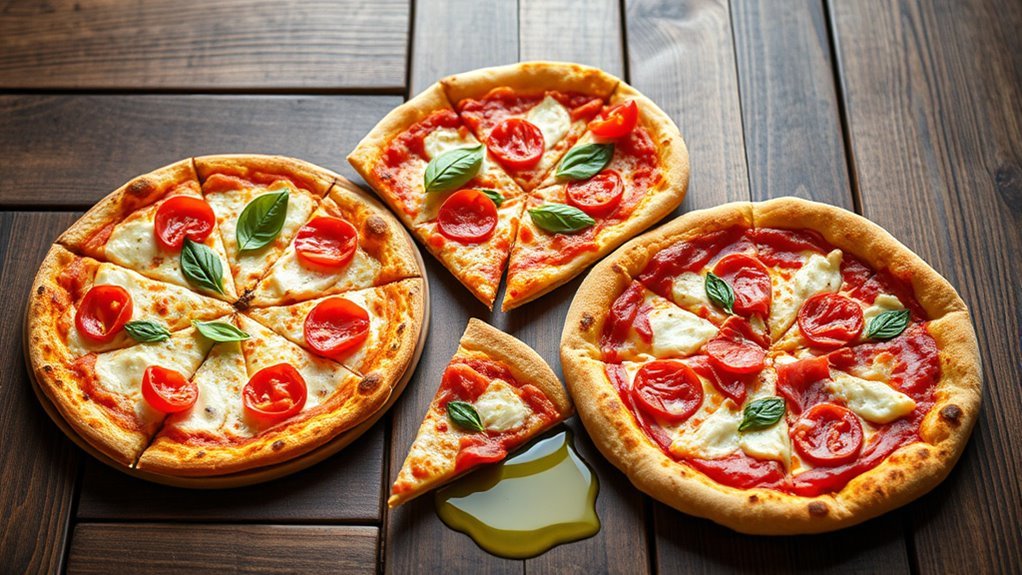
When you take your first bite of authentic Italian pizza, you immediately taste the impact of high-quality, fresh ingredients. The rich flavors of San Marzano tomatoes grown in volcanic soil near Mount Vesuvius and fresh mozzarella di bufala come together through artisan techniques refined over generations. Each region boasts its own distinctive style; Pizza Siciliana offers a thick, fluffy crust, while Pizza Romana presents a thin, crispy base. These regional differences reflect Italy’s diverse micro-climates and culinary traditions.
In Italy, simplicity reigns supreme. Minimal toppings highlight raw ingredient quality, as seen in classic options like the Margherita. Dining experiences emphasize freshness and authenticity, with pizzas cooked in blistering wood-fired ovens in as little as 90 seconds. This dedication to craftsmanship enhances natural flavors and celebrates Italy’s rich gastronomic heritage.
The Classic: Pizza Napoletana
Although you will encounter many pizza styles across the peninsula, nothing quite compares to classic Pizza Napoletana. Originating in Naples, this style features a soft, thin, and pliable center surrounded by an airy, puffed outer crust known as the cornicione. Crafted from four simple ingredients—wheat flour (type 00 or 0), natural yeast, salt, and water—the dough undergoes a fermentation process lasting from 8 to 24 hours.
Baked in a wood-fired oven at temperatures reaching 900°F (485°C) for just 60 to 90 seconds, the result is a tender texture with subtle charring. The cultural importance of Neapolitan pizza is officially protected by a Traditional Specialty Guaranteed (TSG) designation and was added to the UNESCO Intangible Cultural Heritage list in 2017. Strict preparation standards are maintained worldwide by the Associazione Verace Pizza Napoletana (AVPN).
Pro Tip: True Neapolitan pizza is delicate and soft in the middle. In Naples, it is often served whole and un-cut. Eat the center using a fork and knife, then pick up the crust slices with your hands!
A Taste of Rome: Pizza Tonda Alla Romana
If you find yourself wandering the historic streets of Rome, you will encounter the crisp allure of Pizza Tonda alla Romana. Unlike its soft Neapolitan cousin, Roman round pizza features an ultra-thin, cracker-like crust that produces a distinct crunch with every bite. The dough contains oil or lard and is rolled out thin before baking.
Baked slightly longer in wood-fired or electric deck ovens, it achieves a firm, rigid base capable of holding generous toppings without drooping. Typically larger in diameter than Neapolitan pies, Pizza Tonda alla Romana is ideal for evening dining at local Roman pizzerias, paired with traditional appetizers like supplì (fried rice balls).
Street Food Delight: Pizza Al Taglio
Meaning “pizza by the cut,” Pizza al Taglio is Rome’s definitive street food. Baked in large rectangular sheet pans, this pizza is displayed in glass counters across Italian bakeries and takeaway shops. You indicate how large a piece you want, and the vendor cuts it with shears and weighs it to determine the price.
The crust is high in hydration, creating a base that is light and airy on the inside with a crunchy bottom crust. It accommodates a vast array of toppings, ranging from simple potato and rosemary to prosciutto, mozzarella, and seasonal vegetables.
| Slice Portion | Custom (Cut to size and priced by weight / kilo) |
| Popular Toppings | Patate e Rosmarino, Prosciutto e Funghi, Margherita |
| Best Enjoyed | On-the-go lunch, casual afternoon snack |
The Ancient Alternative: Pinsa Romana
Gaining immense popularity across Italy and international food capitals, Pinsa Romana is an oval-shaped flatbread with roots tracing back to ancient Rome. What sets Pinsa apart is its unique flour blend—typically combining wheat, soy, and rice flour—along with a high dough hydration of up to 80% and a long 48 to 72-hour cold fermentation.
This process results in a crust that is exceptionally crisp on the outside, cloud-like on the inside, and noticeably easier to digest than traditional wheat doughs. Pinsas are frequently baked first and then topped with fresh ingredients like burrata, mortadella, or shaved truffles before serving.
Discovering Deep Dish: Pizza Al Padellino
Hailing from the northern city of Turin (Torino), Pizza al Padellino (or Pizza al Tegamino) offers a delicious pan-baked comfort food experience. Dough is proofed directly inside small, round, oiled pans before being topped and baked.
Because it bakes in an oiled pan at around 580°F (300°C), the bottom crust effectively fries to a golden crunch while the interior remains thick, soft, and spongy. Topped with rich ingredients like prosciutto, gorgonzola, and fresh tomato sauce, it provides a hearty alternative to thin southern styles.
Sicilian Special: Pizza Siciliana (Sfincione)
Savoring a slice of Pizza Siciliana, traditionally known as Sfincione, offers a direct taste of Sicilian heritage. Originating in Palermo, Sfincione translates to “soft sponge,” perfectly describing its thick, airy dough base cooked in rectangular baking trays.
Rather than melt-heavy mozzarella, authentic Sfincione is topped with a robust tomato sauce cooked with onions, anchovies, oregano, breadcrumbs, and aged caciocavallo or sheep’s milk cheese. It is served warm or at room temperature in local Sicilian bakeries and markets.
Fried Pizza Perfection: Pizza Fritta
Pizza Fritta (fried pizza) is one of Naples’ oldest street foods, growing in prominence during World War II when firewood and oven space were scarce. Pocket-style dough is filled with ingredients like ricotta, caciocavallo, pork cracklings (cicoli), and black pepper before being submerged in hot oil.
The high heat puffs the dough instantly, sealing in the savory ingredients while creating a golden, crispy exterior. Variations include Montanara, where small rounds of dough are fried first and then topped with warm marinara, parmesan, and basil.
| Shape Style | Description | Classic Fillings |
| Calzone / Batteco | Half-moon folded fried dough pocket | Ricotta, salami, mozzarella, pepper |
| Montanara | Round fried disc topped post-cooking | Tomato sauce, parmigiano, fresh basil |
Paddle Perfection: Pizza Alla Pala
Pizza Alla Pala (paddle pizza) originated in Roman bakeries as a way to utilize surplus bread dough. Characterized by high dough hydration (up to 80%), this long, oval pizza is stretched, topped, and slid into deck ovens using a long wooden paddle (pala).
It is baked at moderate temperatures, resulting in a crisp bottom and a light, airy interior crumb. Served by the slice or ordered by length on wooden boards, it is popular for communal dining and sharing among groups.
Pizza Quattro Stagioni: The Four Seasons of Toppings
Representing the annual cycle of Italian produce, Pizza Quattro Stagioni (“Four Seasons”) divides a single round pizza into four distinct quadrants, each featuring ingredients that symbolize a specific season:
- Spring: Artichoke hearts
- Summer: Fresh basil and tomatoes (or olives)
- Autumn: Wild mushrooms
- Winter: Savory prosciutto or cured ham
This layout lets diners sample a variety of seasonal Italian flavors across a single pie without mixing ingredient profiles on the same slice.
Sweet Surprise: Nutella Pizza
For a sweet conclusion to an Italian meal, Nutella Pizza offers a modern dessert tradition. Made by baking a light pizza base or folded dough flatbread and topping it warm with rich hazelnut-chocolate spread, it is often finished with powdered sugar, chopped hazelnuts, or sliced strawberries.
Common across pizzerias throughout Italy, it highlights the versatile nature of traditional pizza dough when paired with sweet elements.
Italian Pizza Etiquette: How to Order Like a Local
To enjoy pizza in Italy like a true local, keep these regional dining customs in mind:
- Personal Pies: In sit-down pizzerias, round pizzas are intended as individual servings rather than shared pies.
- Opening Hours: Traditional sit-down pizzerias with wood-fired ovens typically open for dinner around 7:30 PM or 8:00 PM, once ovens reach proper baking temperatures. For lunch, look for street-style Pizza al Taglio shops.
- Topping Modifications: Respect classic menu combinations. Customizing pizzas with non-standard ingredients (such as pineapple or chicken) is generally not practiced in authentic Italian establishments.
Note: Dietary guidelines provided in this guide are for general informational purposes. Travelers with health conditions such as diabetes or celiac disease should check allergen disclosures and carbohydrate counts with restaurant staff.
Frequently Asked Questions
What Type of Pizza Is Most Popular in Italy?
Pizza Napoletana and Pizza Tonda alla Romana are the two most widespread round pizza styles served in sit-down pizzerias across Italy. For daytime snacking, Roman Pizza al Taglio is the dominant street-food style.
Which Pizza Options Are Suitable for Managing Blood Sugar?
Traditional Italian pizza doughs are rich in carbohydrates. To help manage blood sugar levels, choose pizzas with thinner crusts (such as Roman Pizza Tonda), limit portion sizes, and opt for toppings rich in fiber and protein like roasted vegetables, prosciutto, and fresh mozzarella. Many Italian pizzerias now also offer whole-wheat (integrale) or gluten-free crust options.
What Is Considered Impolite When Eating Pizza in Italy?
Asking to radically alter traditional menu toppings or asking for ingredients like pineapple or ketchup is frowned upon. Additionally, cut your personal pizza with a knife and fork at a sit-down restaurant before picking up individual slices.
What Time Do Pizzerias Typically Open for Lunch and Dinner in Italy?
Pan pizza shops (Pizza al Taglio) open around mid-morning through late afternoon. Traditional sit-down pizzerias open for lunch between 12:30 PM and 2:30 PM, and re-open for dinner around 7:30 PM to 11:00 PM.
Conclusion
Exploring Italy’s regional pizza offerings reveals how diverse flour preparation, oven temperatures, and local ingredients shape distinct culinary traditions. From the soft, certified standard of Pizza Napoletana to crispy Roman slices and pan-baked Sicilian Sfincione, every regional style tells a story of local culture. Whether enjoying a quick slice on the go or sitting down for an authentic wood-fired pie, discovering these classic Italian pizza styles is a highlight of any trip to Italy.
Sources
- UNESCO Intangible Cultural Heritage — Art of Neapolitan ‘Pizzaiuolo’ official registry and history.
- Associazione Verace Pizza Napoletana (AVPN) — Official international standards for authentic Neapolitan pizza certification.
- Italia.it (Official Italian Tourism Board) — Regional culinary traditions and gastronomic guides across Italy.
