

Last Updated on September 27, 2026 by Daniel Globe
Waikiki’s beaches look inviting in every season, but the timing of your trip can change your experience. The best time to visit Waikiki depends on whether you want sunny beach days, smaller crowds, affordable hotels, or seasonal events. This guide compares the weather, ocean conditions, prices, and activities so you can choose the right dates.
Quick Answer
April through May and September through October offer a good balance of warm weather, manageable crowds, and potentially lower hotel rates. Visit June through August for summer activities and family travel, or December through March for winter events and North Shore big-wave viewing. Holiday and festival dates can affect prices even during quieter months.
Last checked: September 28, 2026. Dates and figures were verified against official sources.
Key Takeaways
- Honolulu Airport’s 1991–2020 climate normals show an average annual temperature of 78°F and 16.41 inches of precipitation.
- Summer brings stronger south-shore swells, while winter’s largest waves generally affect Oahu’s north and west shores.
- September combines warm weather with the Aloha Festivals, although major event dates bring localized crowds.
- Late December and early January can be expensive because of holiday travel.
- Hotel prices depend on your exact dates, room type, resort charges, and booking conditions—not just the month.
Disclosure: As an Amazon Associate I earn from qualifying purchases. Some links on this page are affiliate links, at no extra cost to you.
Best Time to Visit Waikiki: Climate at a Glance
Waikiki sits on Oahu’s southern shore and enjoys warm weather throughout the year. Northeast trade winds help moderate the heat, while the island’s mountains create different rainfall patterns across relatively short distances.
What’s in This Article
According to NOAA’s 1991–2020 climate normals for Honolulu International Airport, the annual average temperature is 78°F. Average daily highs range from about 80.5°F in January and February to 88.8°F in August.
The airport averages 16.41 inches of rain annually. It is a useful reference for Waikiki, although it is not a weather station on Waikiki Beach itself.
Rainfall generally increases from November through March. June and July are the driest months in the airport’s long-term climate record.
That means you can plan a beach vacation in any month, but your activities may change with seasonal surf and weather conditions.
Peak Tourist Seasons in Waikiki
Waikiki’s busiest travel periods generally include the winter holidays, winter vacation travel, and summer school breaks. Hotel demand can also rise around major events and long weekends.
These patterns are useful for planning, but they do not mean every day in a peak-season month will have the same crowds or prices.
Winter Peak Season: December to March
Winter attracts travelers escaping colder mainland climates. Waikiki’s warm weather makes it appealing even when rainfall is higher than in summer.
Christmas and New Year’s travel can bring particularly strong demand. March may also be busy because of spring breaks and events.
Winter is a good choice if you want a lively resort atmosphere, cultural activities, and a chance to see Oahu’s famous North Shore surf.
The North Shore is separate from Waikiki. Its large winter waves should not be confused with the conditions directly along Waikiki’s south-facing beaches.
Summer Peak Season: June to August
Summer brings family vacations, long daylight hours, and some of Waikiki’s warmest weather. July and August are also among the warmest months in Honolulu’s climate record.
Popular activities include swimming, surfing, hiking, outrigger canoe rides, and sightseeing around Oahu.
However, summer also brings south-shore swells. Some days are suitable for beginner surfing, while larger swells can make particular swimming and surfing areas more challenging.
If you’re traveling with children, choose a lifeguarded beach area and ask about the conditions before entering the ocean.
What the Atmosphere Looks Like During Peak Seasons
Waikiki becomes especially active around major travel dates. Popular beach areas, restaurants, parking facilities, and sightseeing attractions can become crowded.
Expect more competition for desirable hotel rooms and activity reservations.
The benefit is a lively atmosphere, plenty of visitor services, and opportunities to enjoy organized activities.
Shoulder Seasons: The Best of Both Worlds
April and May, followed by September and October, offer a useful balance between weather and travel demand. These months fall outside the main winter holiday and summer vacation periods.
Hotels may offer more competitive rates, although festival dates, school holidays, and individual property demand can still affect prices.
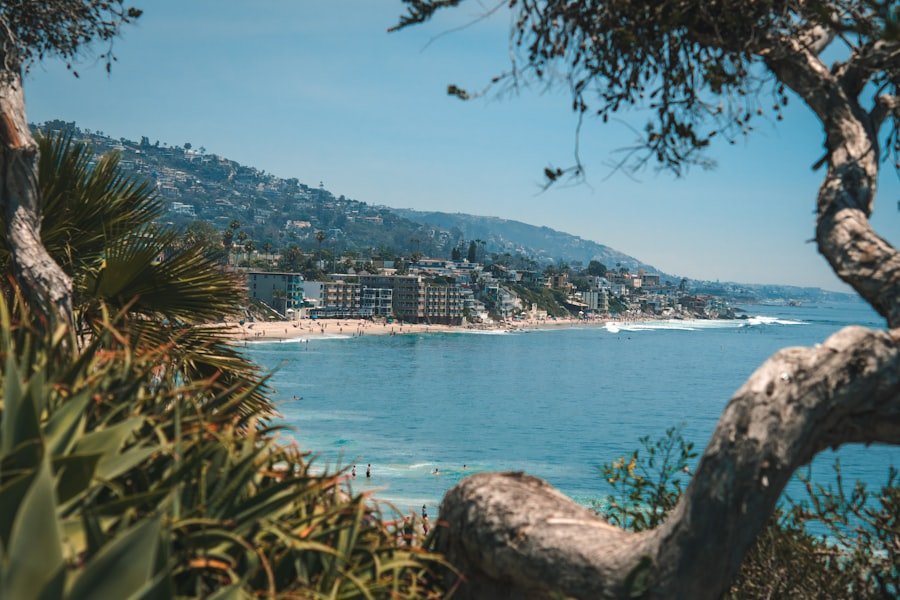
April and May: Warm Weather and Spring Activities
April and May offer pleasant beach weather as the wetter winter period gives way to drier conditions.
NOAA’s Honolulu Airport normals show average daily temperatures of 76.6°F in April and 78.2°F in May. Monthly precipitation averages 0.77 and 0.82 inches, respectively.
These months suit travelers who want to combine beach time with hiking and outdoor sightseeing.
Spring also brings flowering plants and green landscapes following the wetter months.
However, Easter and spring-break timing can affect demand. A quiet week in April may cost less than a holiday week in the same month.
September and October: Warm Water and Cultural Events
September remains one of the warmest months in Honolulu. October is also warm, although average rainfall begins to increase.
September is particularly attractive for travelers interested in Hawaiian cultural events because the Aloha Festivals take place during the month.
The festival schedule can make certain weekends busier, especially around the Waikiki Hoolaulea and Floral Parade.
October may offer a quieter alternative outside holiday and school-break dates.
Pro Tip: Compare the complete hotel price rather than the advertised nightly rate. Resort charges, taxes, parking, cancellation terms, and included amenities can change which booking offers better value.
Spring and fall are also useful times to explore water sports, coastal walks, and Oahu’s hiking trails without scheduling your entire vacation around peak summer travel.
Weather Patterns in Waikiki
Waikiki stays warm all year, but rainfall and temperature change from month to month. The table below uses NOAA’s 1991–2020 monthly climate normals for Honolulu International Airport.
These are historical averages, not forecasts or measurements taken directly on Waikiki Beach.
| Month | Average Temperature (°F) | Average Precipitation (in.) |
|---|---|---|
| January | 73.6 | 1.84 |
| February | 73.8 | 1.94 |
| March | 74.7 | 2.36 |
| April | 76.6 | 0.77 |
| May | 78.2 | 0.82 |
| June | 80.3 | 0.50 |
| July | 81.6 | 0.52 |
| August | 82.2 | 0.84 |
| September | 81.6 | 0.88 |
| October | 80.4 | 1.51 |
| November | 78.0 | 2.25 |
| December | 75.5 | 2.18 |
When Is Waikiki’s Weather Warmest and Driest?
August has the highest average temperature in Honolulu’s 1991–2020 climate normals, at 82.2°F.
June and July have the lowest average monthly precipitation, at 0.50 and 0.52 inches.
That makes early summer attractive if your main priority is warm weather with relatively low average rainfall.
How Do Waikiki’s Surf Conditions Change?
Waikiki faces south, so its seasonal surf differs from the famous North Shore.
According to Hawaiʻi Ocean Safety’s seasonal surf guidance, south-facing shores can receive large swells during the May–October summer season. North-facing shores receive their largest and most consistent swells during winter.
This means Waikiki can have relatively small waves during winter, while stronger summer swells may create more challenging conditions on particular days.
Beginner surfing remains possible throughout the year when conditions are suitable. A lesson with a qualified instructor is preferable to choosing a surfing location based only on the season.
Warning: Never assume Waikiki’s water is safe because the waves look small. Strong currents, shallow reefs, and powerful breaking waves can create hazards in any season. Follow posted warnings, swim near lifeguards, and keep young children within close reach.
What About Hurricane Season?
Hawaii’s official hurricane season runs from June 1 through November 30.
This does not mean a hurricane is expected during your trip. It means tropical storms are a seasonal risk that travelers should account for.
If you visit during this period, consider flexible reservations and travel insurance that covers the risks relevant to your booking.
The National Weather Service Honolulu Forecast Office provides forecasts, advisories, and information about tropical weather affecting the islands.
Special Events and Festivals in Waikiki
Waikiki hosts cultural celebrations, sporting events, and community festivals throughout the year. Choosing dates around one of these events can add something memorable to your vacation.
However, major festivals can also increase demand for nearby accommodations and cause temporary road closures.
Honolulu Festival: March
The Honolulu Festival celebrates cultural connections between Hawaii and the wider Pacific Rim through performances, exhibitions, and other activities.
The official Honolulu Festival website lists March 5–7, 2027, for its 31st annual event.
The festival is particularly appealing if you want cultural experiences alongside your beach vacation.
Waikiki Spam Jam: April
The Waikiki Spam Jam celebrates Hawaii’s distinctive food culture with restaurant dishes, local entertainment, and a street festival.
The official Waikiki Spam Jam schedule lists Saturday, April 24, 2027, from 4 p.m. to 10 p.m. for its next block party.
The associated dine-in event is scheduled for April 17 through May 2, 2027.
The street festival is a community fundraiser, with support directed toward local organizations.
Duke Kahanamoku OceanFest: August
Duke Kahanamoku OceanFest celebrates one of Hawaii’s most influential watermen through surfing, swimming, paddling, volleyball, and cultural activities.
The official OceanFest organizer lists August 14–24 for its 2026 festival.
The event provides an opportunity to watch ocean sports and learn more about Waikiki’s surfing heritage.
Aloha Festivals: September
The Aloha Festivals celebrate Hawaiian culture through music, hula, ceremonies, food, and community gatherings.
The official 2026 Aloha Festivals schedule listed three major events:
- September 5: Royal Court Investiture and Opening Ceremony.
- September 19: Waikiki Hoolaulea on Kalakaua Avenue.
- September 26: Floral Parade through Waikiki.
These 2026 dates have passed. They illustrate why September can be an excellent month for cultural travel but may not be quiet around the main festival weekends.
Honolulu Marathon: December
The Honolulu Marathon brings runners and spectators to Oahu each December.
The official 2026 marathon schedule lists December 12 for the Kalakaua Merrie Mile and December 13 for the marathon and Start to Park 10K.
The main race begins at 5 a.m. and finishes at Kapiolani Park.
If you are staying near the race route, account for the event when arranging early-morning transportation.
Tips for Traveling to Waikiki During Peak Season
Peak-season travel can still be enjoyable with some preparation. The biggest priorities are securing suitable accommodation, allowing time for popular attractions, and planning around major travel dates.
Book Accommodation Early
Popular beachfront hotels and resorts can fill well before major holiday periods.
Booking four to six months ahead may give you more room choices, particularly for family rooms and properties in desirable locations. However, early booking does not guarantee the lowest price.
Compare refundable rates with prepaid offers before committing.
Plan Activities at Off-Peak Hours
Visit popular attractions early in the day when practical.
For example, Diamond Head State Monument opens at 6 a.m. and closes at 6 p.m., with the last entry at 4:30 p.m.
Non-Hawaii residents must make entry and parking reservations. Published admission is $5 per nonresident, with an additional $10 parking charge per nonresident vehicle.
The park is closed on Christmas Day and New Year’s Day.
Public transportation and rideshare services may help you avoid parking difficulties at busy attractions.
Budget for Peak-Season Prices
Build your budget around the full cost of the trip rather than airfare and the advertised hotel rate alone.
Include transportation, food, activities, hotel charges, and any necessary parking fees.
For travelers planning around school schedules, the Hawaii public school calendar is a useful reference. The 2026–2027 calendar includes winter break from December 21, 2026, through January 1, 2027.
School vacations elsewhere can also influence Waikiki’s travel demand.
Off-Season Travel: Pros and Cons
Waikiki does not have a completely quiet off-season. It remains a major travel destination throughout the year, although some periods offer better opportunities to avoid the largest vacation crowds.
Late spring and parts of autumn are generally useful starting points for travelers seeking value and flexibility.

Advantages of Traveling Outside Peak Periods
Traveling outside major holidays and school vacations may give you access to more accommodation choices and competitive hotel offers.
You may also encounter shorter waits at restaurants, fewer people in popular sightseeing areas, and greater flexibility when arranging excursions.
Luxury hotels sometimes offer attractive packages during slower booking periods, although savings vary by property and date.
Disadvantages to Consider
Choosing a quieter month does not guarantee lower prices. Conferences, festivals, holidays, and other events can affect demand.
Winter brings a higher average chance of rain, while tropical weather remains a consideration during hurricane season.
Some individual restaurants and tour businesses may operate reduced schedules or close temporarily, but Waikiki’s visitor services generally remain available throughout the year.
Note: January and February should not automatically be treated as off-season months. Winter visitors continue to arrive during this period, and individual hotel prices may remain high.
Which Month Should You Choose for Your Travel Style?
If you mainly want a beach vacation with fewer scheduling pressures, start by comparing April, May, September, and October.
If cultural events matter more, consider March, April, or September. For summer family activities, June through August may suit your schedule better.
Winter offers an opportunity to enjoy warm weather while seeing Oahu’s dramatic North Shore surf from safe viewing areas.
How to Make the Most of Your Waikiki Vacation
Waikiki offers more than beach time. You can combine ocean activities with hiking, local food, cultural experiences, and visits to other parts of Oahu.
Choose a few activities that matter most to you rather than trying to visit every major attraction in one day.
Visit Diamond Head and Hanauma Bay
Diamond Head’s summit trail offers panoramic views of Honolulu and the coastline.
Hanauma Bay Nature Preserve offers snorkeling within a protected marine environment on Oahu’s southeastern shore.
According to the Hawaii Division of Aquatic Resources, the preserve normally opens Wednesday through Sunday.
Entry begins at 6:45 a.m. and ends at 1:30 p.m. The beach is cleared at 3:30 p.m., and visitors must leave by 4 p.m.
Visitor access is managed, and advance reservations are important for nonresident travelers. Temporary closures may also occur.
Try Hawaiian Cultural Activities
A hula lesson or lei-making workshop can help you learn about Hawaiian traditions through direct participation.
Look for activities led by knowledgeable local practitioners who explain the history and meaning behind what they teach.
Community events and festival performances can also provide opportunities to experience Hawaiian music and cultural practices.
Explore Local Food
Waikiki and nearby Honolulu neighborhoods offer a wide range of Hawaiian and local-style food.
Try poke bowls, loco moco, and plate lunches. Food trucks and neighborhood restaurants can offer alternatives to resort dining.
Exploring local cuisine can be one of the most enjoyable parts of your visit, especially when you combine it with neighborhood sightseeing.
Choose the Right Beach Area
Waikiki Beach includes several connected beach areas, each with a slightly different setting.
The central beachfront is convenient for hotels, dining, and surfing lessons. Other stretches may offer more room to relax or walk along the shoreline.
For swimming, prioritize current conditions and lifeguard guidance over how quiet or attractive a particular beach looks.
Build a Flexible Itinerary
Keep some flexibility in your schedule so you can adjust outdoor activities when weather or ocean conditions change.
A museum visit, local shopping, or a cultural activity can provide a useful alternative to a beach day.
If you’re comparing Waikiki with another coastal destination, our seasonal guide to Victoria, BC explains how timing affects a very different type of trip.
Waikiki rewards visitors in every season. Match your travel dates to the activities you care about most, then arrange your major bookings around those priorities.
Frequently Asked Questions
What months have the fewest crowds in Waikiki?
April, May, September, and October are useful months to consider if you want to avoid the main summer and winter holiday periods. However, festivals, school breaks, and other events can still create busy weekends. Compare your exact travel dates rather than relying on the month alone.
Is Waikiki worth visiting in winter despite the rain?
Yes. Waikiki remains warm during winter, although average rainfall is higher than in summer. You can still enjoy beaches, sightseeing, restaurants, and cultural activities. Bring a light rain jacket and allow some flexibility for outdoor plans.
When are waves in Waikiki best for beginner surfers?
Beginner-friendly waves can occur in Waikiki throughout the year. Winter often brings smaller south-shore surf, while summer can produce larger southern swells. Choose a lesson based on the day’s conditions and your instructor’s guidance rather than assuming one season is always safer.
Are there any events or festivals worth planning a Waikiki trip around?
Yes. The Honolulu Festival takes place in March, Waikiki Spam Jam in April, Duke Kahanamoku OceanFest in August, and the Aloha Festivals in September. The Honolulu Marathon is another major December event. Festival dates vary by year, so use the published schedule for your intended trip.
What activities are available in Waikiki year-round?
Waikiki offers swimming, surfing, snorkeling, stand-up paddleboarding, and outrigger canoe activities throughout the year when conditions allow. On land, you can explore Diamond Head, Pearl Harbor, local restaurants, and cultural attractions. Some activities require reservations or may close temporarily.
Does Waikiki have a hurricane season?
Yes. Hawaii’s hurricane season runs from June 1 through November 30. Most visits during this period are not affected by a hurricane, but tropical weather remains a possibility. Flexible bookings can help protect your plans if severe weather develops.
When is the cheapest time to visit Waikiki?
April, May, September, and October are reasonable starting points for finding lower hotel rates outside major vacation periods. However, there is no single cheapest month for every traveler. Your airfare, accommodation, travel dates, and local events determine the final cost.
Sources
- NOAA National Centers for Environmental Information: Honolulu International Airport’s 1991–2020 monthly temperature and precipitation normals.
- National Weather Service — Honolulu Forecast Office: Weather forecasts, warnings, and tropical weather information.
- Hawaiʻi Ocean Safety: Seasonal surf patterns on north-, south-, east-, and west-facing shores.
- Waikiki Visitor Information: Original visitor-information reference retained; this URL may no longer be available.
- Honolulu Festival Official Site: Festival information and announced 2027 dates.
- Waikiki Spam Jam: Official 2027 block party and dine-in event schedule.
- Duke Kahanamoku OceanFest: Official festival information and 2026 dates.
- Aloha Festivals: Official 2026 cultural event dates.
- Honolulu Marathon: Official 2026 marathon weekend schedule.
- Hawaii Department of Education: Official school calendars and vacation dates.
- Hawaii Division of State Parks: Diamond Head hours, admission charges, and reservation requirements.
- Hawaii Division of Aquatic Resources: Hanauma Bay location, operating hours, and conservation information.

