
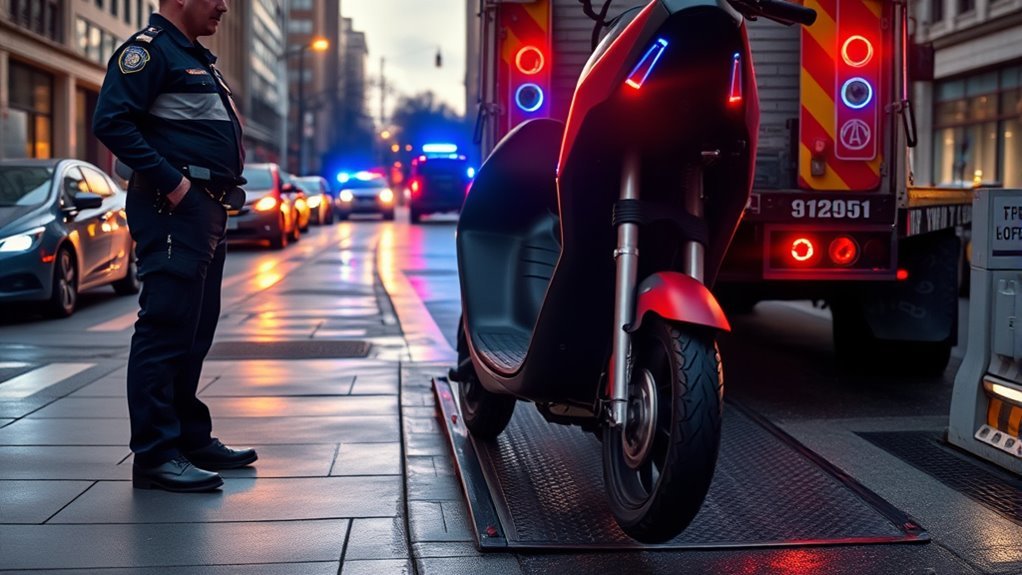
Last Updated on August 21, 2026 by Caleb Warren
Yes, police can confiscate an electric scooter when a rider breaks local traffic, safety, or equipment rules — most often for riding on a sidewalk where it’s banned, going well over the legal speed limit, riding recklessly or under the influence, or using a scooter that’s been modified to exceed power limits. What happens next — a warning, a fine, or an impound — depends heavily on your city and state, and on whether it’s a first offense or a repeat one.
Quick Answer
Police can seize an electric scooter for serious or repeat violations — illegal sidewalk riding, speeding, reckless or impaired operation, or an illegally modified motor. For a first-time minor infraction, most riders get a ticket or warning instead. Rules and penalties vary by state and city, so check your local vehicle code before you ride.
Key Takeaways
- Confiscation typically follows serious or repeated violations, not a single minor infraction — most first-time tickets result in a fine, not a seizure.
- Speed caps, helmet rules, and sidewalk laws vary significantly by state and even by city within the same state.
- Getting a seized scooter back usually means paying an impound or storage fee within a set window, not a lengthy court battle — though formal legal proceedings can happen in rarer, more serious cases.
- Pennsylvania is a notable outlier: stand-up e-scooters have no dedicated legal category and are effectively not street-legal statewide.
Disclosure: As an Amazon Associate I earn from qualifying purchases. Some links on this page are affiliate links, at no extra cost to you.
Can Police Confiscate Your Electric Scooter?
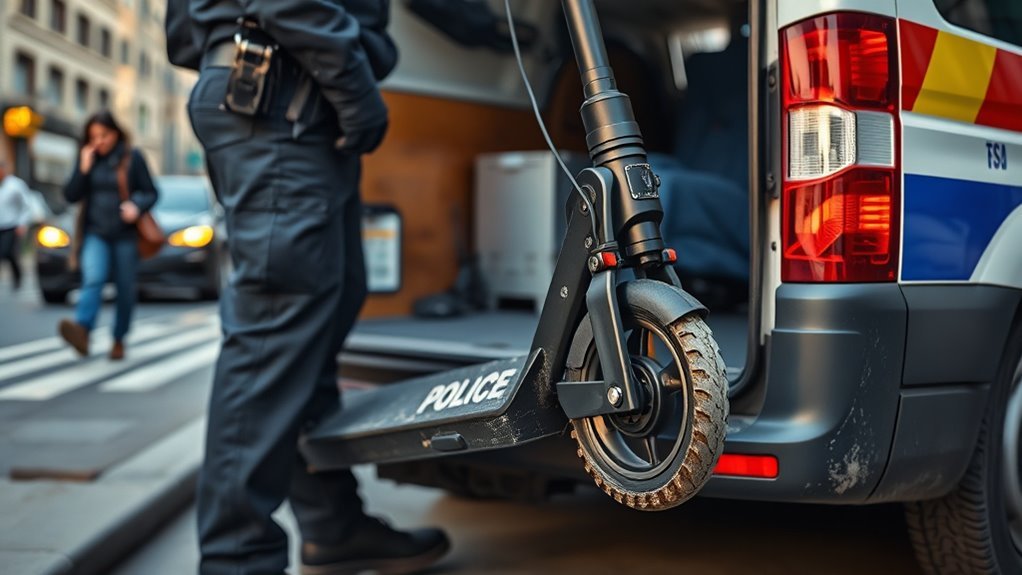
Yes — police can confiscate an electric scooter when it’s used in violation of local law. Officers may act when a rider is on a prohibited sidewalk, exceeds the posted speed limit, or otherwise ignores rules put in place for scooter safety. Enforcement isn’t rare: cities including New York run regular checks for illegal e-scooter and e-bike use, and those stops can end in a citation or a seizure depending on the violation.
You also risk confiscation if your scooter has been modified to exceed its legal power or speed limit — for example, an unlocked “high-speed mode” that pushes it past the 15–20 mph range most states allow on public roads. If police do seize a scooter, getting it back usually means paying a redemption or storage fee within a set window; only in unusual cases (the scooter tied to a separate crime, or a rider contesting the seizure itself) does it turn into a longer legal process.
Regulation in this space is still evolving — New York City tightened its citywide speed limit for e-bikes and e-scooters to 15 mph in late 2025, and Pennsylvania has a bill pending that would legalize low-speed scooters for the first time. Knowing the current rules in your city protects both your scooter and your ability to keep riding.
What Scooter Violations Lead to Confiscation?
Confiscation risk goes up sharply when a violation creates a public-safety hazard or shows repeated, deliberate noncompliance — riding in an illegal zone like a banned sidewalk, speeding well beyond the legal limit, or operating under the influence. A single minor slip, like forgetting a helmet once, is far more likely to get you a warning or a small fine than an impound.
Illegal Riding Zones
Illegal riding zones are one of the most common triggers for enforcement action, especially sidewalks where local rules prohibit scooters, riding well over the legal speed limit, or operating without required lights or a helmet at night. Sticking to designated bike lanes and paths is the simplest way to avoid a stop in the first place.
| Violation | Typical Consequence |
|---|---|
| Prohibited sidewalk riding | Fine (often $25–$500); confiscation for repeat offenses |
| Speed over legal limit | Fine; confiscation if reckless or repeated |
| Modified motor exceeding power/speed limit | High confiscation risk |
| Riding under the influence | High confiscation risk; possible criminal charge |
Most states cap scooter speed somewhere between 15 and 20 mph on public roads, though the exact number varies: California and New York limit scooters to 15 mph, New Jersey allows up to 19 mph, and some states set the ceiling higher or lower still. Riding where scooters aren’t allowed, or well past your state’s cap, is what typically turns a routine stop into an enforceable — and confiscatable — offense.
Reckless Scooter Behavior
Reckless behavior raises confiscation risk even when the scooter itself is perfectly legal. Speeding far beyond local limits, riding on prohibited sidewalks in areas with strict enforcement, or skipping required safety gear like helmets and night lights can all support a seizure in states with specific rules for those requirements. Carrying an unauthorized passenger, tampering with a factory speed limiter, or modifying a scooter to exceed its rated power are also common triggers, since they signal intentional evasion of the rules rather than an honest mistake.
Pro Tip: If you’re stopped, stay calm, comply with the officer’s instructions, and ask specifically what violation is being cited. Getting the exact code section or ordinance name at the scene makes it much easier to check the rule afterward — or to contest it later if you believe the stop was made in error.
Why Police Stop Electric Scooter Riders
Police stop riders when a visible violation suggests they may be breaking local traffic or equipment rules. Expect more scrutiny when you ignore posted scooter regulations, ride on prohibited sidewalks, or exceed the local speed limit.
- Missing a required helmet can trigger a stop.
- No lights or reflectors at night can invite scrutiny.
- Speeding or weaving through traffic signals risk to officers.
- Cities like New York and Los Angeles run especially strict, active enforcement.
- High-performance or visibly modified scooters draw closer attention.
These stops are generally aimed at unsafe conduct, not at discouraging scooter use altogether. When a scooter looks faster, louder, or less compliant than what’s legally allowed, officers may treat that as reasonable grounds to check whether it meets local standards — which is exactly why matching your scooter’s specs to your state’s rules matters before you ever get stopped.
What Happens After Police Take Your Scooter?
Once officers take a scooter, what happens next depends on local law and the reason for the seizure. In most routine cases — a sidewalk-riding citation, a speeding stop — the scooter goes to an impound lot, and the rider can usually get it back by paying a storage or redemption fee within a set deadline, similar to how a car impound works. In more serious cases — the scooter was involved in a separate crime, or the seizure itself is being contested — the process can involve a formal hearing or a claim filed with the court, and the rider may need to show they weren’t involved in the underlying illegal conduct.
Note: Procedures differ by city and state, and some agencies publish their impound and redemption process online. If your scooter is seized, ask the officer or the impound facility directly what the redemption deadline and fee are — don’t assume a worst-case timeline applies to a routine violation.
Keeping proof of purchase, registration (where required), and insurance documentation, if applicable, can help you move faster through this process and support your case if you decide to contest the seizure.
Can Police Keep Your Scooter or Return It?
Police can hold a scooter when they have a lawful basis for seizure — such as illegal sidewalk riding, excessive speed, or a modified motor — and they can use that conduct as the basis for a citation or, in serious or repeat cases, confiscation. For routine violations, most jurisdictions offer a straightforward redemption process rather than an extended hold. If you believe the seizure was made without lawful grounds, you can generally seek its return by contacting the impounding agency or, if necessary, through a court process, though outcomes and timelines vary by jurisdiction.
Legal Grounds For Seizure
For a seizure to be lawful, officers generally need a documented violation, not just suspicion or inconvenience — riding on a prohibited sidewalk, speeding, or operating recklessly are the most common grounds.
- Missing required helmets or lights can also factor into an equipment-based stop.
- Agencies use seizure to stop an ongoing violation, particularly with repeat offenders.
- Officers can act when conduct endangers others or public order.
- You have the right to ask for the specific reason for the stop and seizure.
- You can contest a confiscation by showing you weren’t engaged in the alleged conduct.
When a seizure is tied to a documented violation, the agency has a legitimate basis to act — but that authority isn’t unlimited, and you’re entitled to know the specific rule you’re accused of breaking.
Evidence And Holding Period
After a scooter is seized, the dispute often shifts from the stop itself to the evidence behind it and how long the agency can hold the scooter. Officers need a factual basis showing the scooter was used illegally; if that basis is weak, it’s worth challenging the seizure directly with the impounding agency. For routine violations, holding periods are typically tied to a redemption deadline (often weeks, not months); unclaimed scooters past that deadline may eventually be disposed of or auctioned under local unclaimed-property rules, so it pays to act before the deadline rather than after.
Getting Your Scooter Back
Getting a scooter back after a lawful seizure usually starts with a straightforward administrative step — paying the impound or redemption fee and showing proof of ownership — rather than a court filing. If you’re disputing the seizure itself, you may need to request a hearing or file a claim within your local deadline and show you weren’t involved in illegal conduct.
- Confirm the exact reason for the seizure
- Gather purchase and registration records
- Contact the impound facility about the redemption fee and deadline
- If disputing the seizure, file any required claim promptly
- Review legal representation options for contested or serious cases
Acting quickly matters: redemption windows are time-limited, and documentation you gather early — receipts, photos, witness accounts — is far easier to produce at the scene than weeks later.
How to Avoid an E-Scooter Seizure
To reduce the risk of a seizure, comply closely with local traffic and equipment rules, including speed limits, age restrictions, and any sidewalk bans. Check whether registration or insurance requirements apply in your city, since failing to meet them can give officers a lawful basis to stop you. Wear a helmet and use proper lighting at night — these reduce both your safety risk and the chance of a stop in the first place. Keep your scooter within its legal power and speed limits, since modifications that push it beyond the allowed range are one of the fastest ways to trigger scrutiny. Ride predictably, avoid reckless maneuvers, and never operate under the influence of drugs or alcohol.
Warning: Riding a scooter modified to exceed its factory speed or power limit is one of the most consistent confiscation triggers nationwide, since it can reclassify the device as an unregistered moped or motor vehicle in many states.
Electric Scooter Laws by State and City
E-scooter rules vary sharply by state and city, so what’s legal depends heavily on where you ride. Many states classify scooters as their own low-speed category and cap speeds somewhere between 15 and 20 mph, but there are notable exceptions in both directions.
At a Glance
| California | 15 mph limit statewide; helmet required under 18; sidewalk riding generally prohibited except entering/exiting property. |
| New York (statewide) | 20 mph device cap, but operation limited to 15 mph; helmet required for riders 16–17. |
| New York City | Citywide 15 mph cap; sidewalk riding banned; fines of roughly $25–$250, with confiscation possible for serious or repeat violations. |
| Pennsylvania | No dedicated scooter category; classified as a “motor-driven cycle,” making stand-up e-scooters effectively not street-legal on public roads or sidewalks statewide. A bill to change this (“Abby’s Law”) is pending. |
| New Jersey | 19 mph limit; minimum age 15; helmet required under 17; sidewalk riding prohibited. |
Local ordinances can add further restrictions on top of state law — sidewalk bans, downtown no-ride zones, or registration requirements — so it’s worth checking both your state vehicle code and your city’s municipal code before you ride, especially if you’re bringing a scooter to a new city.
What to Do If Police Seize Your Scooter
If police seize a scooter, act quickly and follow the local process for retrieving it. For a routine violation, that usually means contacting the impound facility about the redemption fee and deadline. If contesting the seizure itself, file any required claim within the deadline and gather supporting evidence — receipts, photos, and witness statements — to show the scooter wasn’t used in the conduct alleged.
Expect some delay in the retrieval process either way, and know that scooters left unclaimed past the redemption deadline may be disposed of or auctioned. Understanding your local speed, sidewalk, and equipment rules ahead of time is still the most reliable way to avoid a seizure altogether.
Frequently Asked Questions
Do cops care about electric scooters?
Yes — enforcement intensity depends on the city. In places with strict scooter regulations, like New York City, riders face real scrutiny for speeding, sidewalk riding, or missing safety gear. In cities with more permissive local rules, enforcement tends to be lighter, but the underlying speed and equipment laws still apply.
Are electric scooters illegal in PA?
Effectively, yes, for public roads and sidewalks. Pennsylvania’s vehicle code has no standalone category for electric scooters; PennDOT classifies them as “motor-driven cycles,” which require titling, registration, inspection, and motorcycle-grade equipment that most consumer scooters don’t have. A bill known as Abby’s Law has been introduced to create a legal low-speed scooter category, but as of now the statewide default is that they’re not legal to ride on public streets or sidewalks.
Why are electric scooters getting banned?
Cities and states tighten or restrict scooter rules mainly over safety concerns — collisions with pedestrians, sidewalk riding, and unsafe speeds — along with battery fire risks from non-certified devices. The lack of standard insurance and registration also makes enforcement and liability harder to manage, which pushes some jurisdictions toward stricter rules rather than an outright ban.
How do I keep someone from stealing my electric scooter?
Use a sturdy U-lock rather than a cable lock, park in well-lit public areas, remove easily detachable accessories, register the scooter with the manufacturer if that option exists, and consider a GPS tracker. These steps won’t stop a determined thief, but they meaningfully cut opportunistic theft.
Conclusion
If you ride an electric scooter, know the local rules before an officer has to explain them to you. A single violation can turn a quick trip into a fine — and a serious or repeated one can turn it into an impound. Stay within your state’s speed and equipment rules, avoid sidewalks where they’re banned, and keep your scooter unmodified from its rated power and speed. If officers do take it, act quickly, get the exact reason for the seizure, document everything, and follow your local redemption or appeal process before any deadline passes.
Note: This article is general information, not legal advice. Scooter laws and enforcement practices vary by state and city and change over time — confirm current rules with your local DMV, police department, or an attorney before relying on them.
Sources
- California Vehicle Code § 21235 — motorized scooter speed, brake, and helmet requirements in California
- New York DMV — Electric Scooters and Bicycles — statewide speed limits and legal status for e-scooters in New York
- Recording Law — Pennsylvania E-Scooter Laws — explains Pennsylvania’s “motor-driven cycle” classification and current legal status of stand-up e-scooters
- Greenstein & Pittari — New York City’s New E-Bike Law (2026) — details NYC’s citywide 15 mph speed limit and enforcement changes

