Last Updated on July 27, 2026 by Daniel Globe
Chile stretches for more than 4,300 kilometers from the Atacama Desert to Patagonia, so there is no single perfect month for every itinerary. The best time to visit Chile depends on where you plan to go and whether your priority is hiking, skiing, beaches, wine festivals, wildlife, lower crowds, or cultural events.
Quick Answer
For a multi-region Chile trip, the best overall periods are spring from September to November and fall from March to May. Choose December through February for Patagonia, June through September for skiing, February through May for wine harvests, and April through June for especially favorable conditions around San Pedro de Atacama.
Key Takeaways
- September through November and March through May offer a useful balance of mild weather and fewer peak-season crowds in many parts of Chile.
- Patagonia is easiest to explore from November through March, with the longest days and broadest access during summer.
- The main wine-harvest period runs from late summer through fall, broadly February to May.
- Chile’s ski season usually runs from June through September, but resort dates depend on snowfall and mountain conditions.
- Rapa Nui is warm throughout the year, although January through March is a popular, relatively drier period.
Note: Chile is in the Southern Hemisphere. Its seasons are opposite those in North America and Europe: summer is December through February, while winter is June through August.
Disclosure: As an Amazon Associate I earn from qualifying purchases. Some links on this page are affiliate links, at no extra cost to you.
Best Time to Visit Chile by Region and Activity
| Destination or Activity | Best General Period | Why Go Then | What to Consider |
|---|---|---|---|
| Santiago and central Chile | September–November or March–April | Mild temperatures, vineyard visits, city sightseeing, and fewer summer crowds. | Winter is cooler and wetter; inland summer afternoons can be hot. |
| San Pedro de Atacama | April–June | Clearer conditions after the summer highland-rain period, comfortable days, and lighter crowds. | High-altitude nights can be cold in every season. December through March can bring storms and temporary route closures. |
| Wine valleys | February–May | Grape harvesting, vendimia celebrations, vineyard tours, food, and wine tastings. | Festival dates change each year. Confirm the current calendar before booking. |
| Lake District and Araucanía | December–March or March–April | Summer supports hiking and lake activities; early fall adds colorful forests and quieter trails. | Rain is possible throughout the year, including summer. |
| Patagonia and Torres del Paine | November–March | Longer days, more transport and lodging options, and broader access to hiking routes. | December through February is busiest. Strong wind, rain, and rapid weather changes remain possible. |
| Andes ski areas | June–September | Skiing, snowboarding, snow parks, and mountain lodges near Santiago and farther south. | Opening dates and snow quality vary annually. July and August are often the busiest months. |
| Rapa Nui | January–March or October–December | Warm weather, outdoor sightseeing, beaches, and major cultural experiences such as Tapati in February. | Rain is possible year-round. Flights, registered accommodation, entry documents, park tickets, and guides require advance planning. |
Spring: Mild Weather, Flowers, and National Celebrations
Spring runs from September through November. It is one of the most flexible periods for visiting central Chile, Santiago, Valparaíso, the wine valleys, and parts of the Lake District. Winter rains leave many central landscapes greener, fruit trees begin to bloom, and daylight hours gradually increase.
Hiking, birdwatching, cycling, vineyard tours, and city sightseeing are generally comfortable during this period. Parks such as La Campana can be pleasant in spring, although visitors should always confirm current opening hours, fire restrictions, trail access, and weather conditions before traveling.
September is also the season of Fiestas Patrias. September 18 commemorates the First National Government Board, while September 19 honors the Glories of the Chilean Army. Celebrations feature cueca dancing, traditional food, music, rodeos, and public gatherings.
Spring is a good time to visit vineyards in the Casablanca, Maipo, and Colchagua valleys for tours and tastings. However, the main grape harvest occurs later, from late summer into fall.
Pro Tip: Book transportation and accommodation early if your visit overlaps with the September 18–19 holidays. Domestic travel demand rises, some businesses operate on reduced schedules, and popular celebrations can be crowded.
Summer: Beaches, Long Days, and Patagonia Hiking
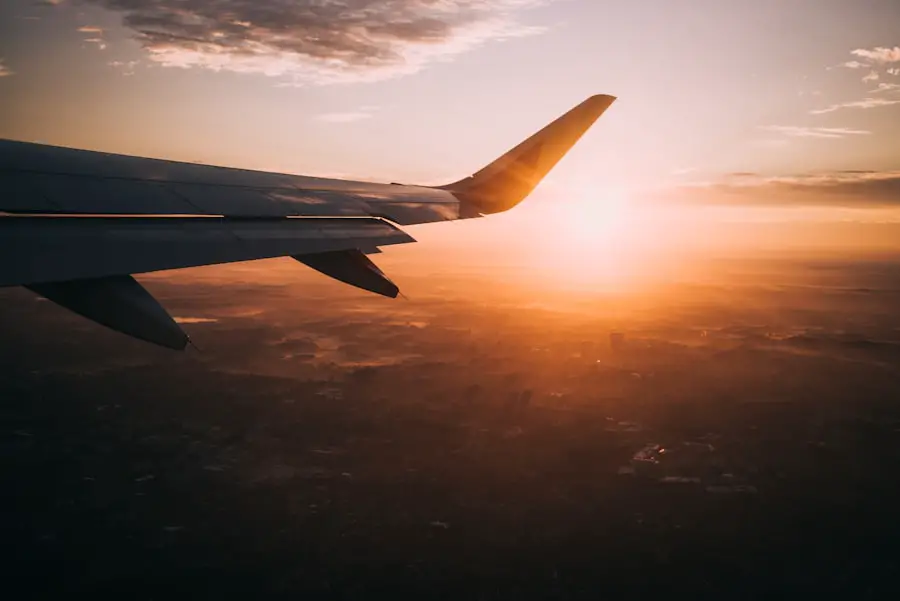
Summer runs from December through February and is Chile’s principal high season. Central Chile usually experiences warm, dry weather, making this a popular period for visiting Santiago, Valparaíso, Viña del Mar, and coastal communities.
Travelers can enjoy beaches, surfing, sailing, seafood restaurants, cultural events, and longer daylight hours. Conditions vary between the cooler Pacific coast and warmer inland valleys, so pack for the specific destination rather than relying on a single national temperature range.
Summer is also the main trekking period in Chilean Patagonia. Routes such as the W Circuit in Torres del Paine National Park have longer daylight, more operating services, and generally broader access than in winter.
However, December through February brings the highest demand for Patagonia’s buses, flights, hotels, refugios, campsites, and park admission. Travelers planning an overnight trek should secure both accommodation and park arrangements well in advance.
Summer is not automatically the best period for every northern destination. Between December and March, parts of the high-altitude Atacama region can experience the altiplanic winter, with storms that may affect roads and excursions to lagoons, geysers, and other remote attractions.
Fall: Wine Harvests, Autumn Color, and Fewer Crowds
| Fall Experience | Typical Timing | Where to Look | Planning Advice |
|---|---|---|---|
| Vendimia festivals | February–May | Colchagua, Curicó, Maipo, Casablanca, Aconcagua, and other wine valleys | Check the official annual calendar because locations and dates change. |
| Vineyard tours and tastings | March–May | Central Chile’s principal wine routes | Reserve special harvest activities directly with the vineyard. |
| Autumn foliage | March–April | Araucanía, Conguillío, northern Patagonia, and parts of Torres del Paine | Color timing varies with elevation, latitude, and yearly weather. |
| Quieter outdoor travel | March–May | Santiago, Atacama, Lake District, and selected Patagonian destinations | Some seasonal businesses and mountain services reduce operations as winter approaches. |
Fall extends from March through May. It is the most important season for travelers interested in Chile’s grape harvest, regional cuisine, and wine festivals. Communities throughout the wine-producing regions organize vendimias with tastings, music, crafts, traditional food, and occasional grape-stomping activities.
The official festival calendar changes each year, but celebrations are commonly held in valleys such as Colchagua, Maipo, Curicó, Casablanca, and Aconcagua. Travelers should confirm dates through Chile Travel’s wine and food festival listings or the relevant municipality.
Fall can also be rewarding for nature travel. Native forests in Araucanía and Patagonia may turn red, orange, and gold, while popular trails are often quieter than during the height of summer. Conguillío National Park, the Lake District, and parts of Chilean Patagonia are strong choices for seasonal photography.
March and April can provide a useful balance of moderate weather and reduced demand. By May, however, temperatures fall, daylight shortens, and some Patagonian services begin shifting to winter operations.
Winter: Skiing, Snowboarding, and Hot Springs
Winter runs from June through August. Snow usually allows Chile’s ski season to operate from approximately June through September, although individual resorts may open later or close earlier depending on snowfall, temperature, wind, and mountain safety.
Resorts near Santiago include Valle Nevado, La Parva, El Colorado, and Farellones. Farther south, destinations such as Portillo, Corralco, Nevados de Chillán, and other mountain areas combine snow sports with lodges, forests, volcanoes, or thermal-water experiences.
July and August often offer stronger chances of established snow coverage, but they also overlap with school holidays and high demand. Travelers should check the operating calendar, road conditions, lift status, equipment rules, and weather forecast directly with the chosen resort.
Winter is also suitable for hot springs around destinations such as Pucón and Termas de Chillán. However, winter driving in mountain areas can involve snow, ice, chain controls, closures, and rapidly changing visibility.
Warning: Do not treat the calendar alone as proof that a ski slope, mountain road, or national-park trail is open. Check official conditions shortly before departure and follow all chain, guide, equipment, and closure requirements.
Shoulder Seasons: Lower Demand and Flexible Itineraries
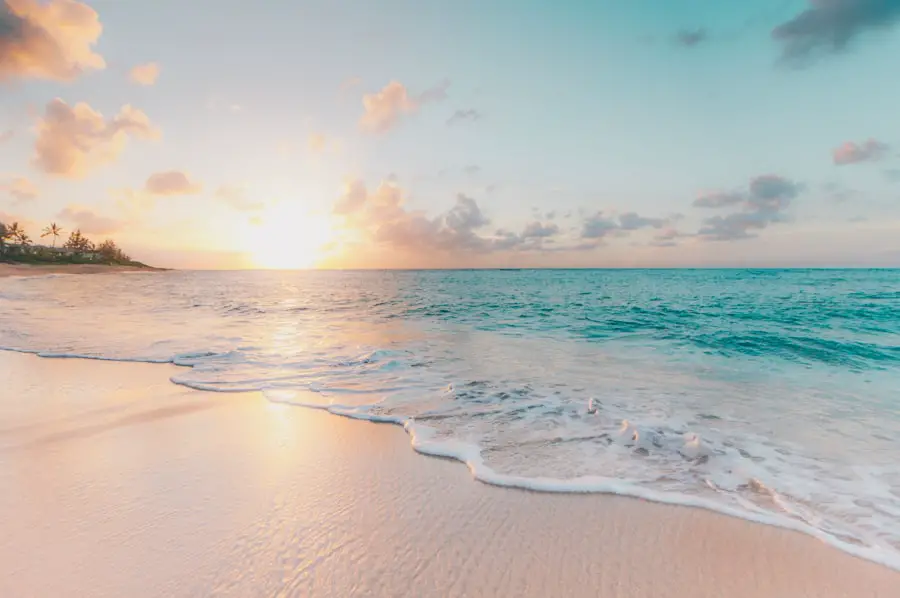
Chile’s principal shoulder periods are spring from September through November and fall from March through May. These months can offer lighter demand than the peak summer period, particularly outside national holidays and major festivals.
Accommodation and tour rates are often more competitive during these periods, but savings are not guaranteed. Prices still rise around Fiestas Patrias, Easter week, harvest festivals, major events, and weekends in popular destinations.
Late spring can be especially useful for Santiago, Valparaíso, central wine country, the Lake District, and the opening portion of Patagonia’s hiking season. Early fall works well for vineyards, autumn foliage, cities, and selected Patagonian trips before winter restrictions increase.
Travelers considering Torres del Paine, Conguillío, Vicente Pérez Rosales, or other protected areas should review current official notices. Trail access, park hours, guides, ferries, lodging, and transport may operate differently outside peak season.
Best Time to Visit San Pedro de Atacama
San Pedro de Atacama can be visited throughout the year, but April through June offers a particularly attractive combination of clearer conditions, comfortable daytime weather, cool nights, and fewer visitors than the summer peak.
December through March can bring the altiplanic winter. Moist air at high elevation may produce rain, thunderstorms, flooding, or temporary closures on routes to geysers, salt flats, and highland lagoons.
June through August often brings very cold nights, especially at high elevations. Travelers should carry warm layers even when afternoons feel sunny. Altitude also affects visitors differently, so schedule lighter activity after arrival and follow local guidance.
Best Time to Visit Patagonia and Torres del Paine
November through March is the main period for hiking in Chilean Patagonia. Days are longer, transport is more frequent, and most tourism services operate at full capacity. December through February provides the greatest daylight but also the highest visitor numbers.
November and March can offer a useful compromise between trail access and lower demand. Weather remains unpredictable in every month, and strong wind, rain, cold, and sun can occur during the same day.
Winter travel is possible, but it requires more preparation. Trails may close, guides or technical equipment may become mandatory, and transport and lodging choices are more limited. Check CONAF’s official Torres del Paine page before confirming an itinerary.
Considerations for Visiting Rapa Nui
Rapa Nui, also called Easter Island, lies more than 3,500 kilometers from mainland Chile. It has a subtropical climate with warm temperatures throughout the year and weather that can change quickly.
January through March is a popular period because conditions are generally warm and relatively drier. February may also coincide with Tapati, the island’s largest cultural festival. October through December can be another appealing period for travelers seeking warm weather before the busiest part of summer.
Flights operate from Santiago, and availability can be limited during holidays and festival periods. Book flights and registered accommodation well in advance.
Rapa Nui has special entry requirements. Travelers generally need to complete the Single Entry Form within 48 hours before the flight, hold a round-trip ticket for a stay of no more than 30 days, and show a reservation at registered accommodation or an approved invitation from a resident.
A separate national-park ticket is required to enter protected archaeological areas. An accredited local guide is required at sites including Rano Raraku and Orongo. Rules may change, so confirm the current requirements before departure.
Note: Rapa Nui’s archaeological sites are sacred cultural places, not ordinary photo stops. Stay on marked routes, follow guide instructions, and never touch, climb on, or disturb moai, platforms, carvings, or other remains.
Chile Travel Calendar by Month
January and February
These are peak summer months for beaches, central Chile, the Lake District, Rapa Nui, and Patagonia. Expect long days, high demand, and the need for early reservations. High-altitude northern areas may experience summer storms.
March and April
This is one of the best periods for wine festivals, vineyard visits, autumn landscapes, Santiago, central Chile, and lighter crowds. April through June is also a strong period for San Pedro de Atacama.
May
May is a quieter transition month. It can suit cities, food and wine travel, Atacama, and lower-demand itineraries, but southern weather becomes colder and some seasonal services close.
June through August
Winter brings skiing and snowboarding in the Andes. Central Chile becomes cooler and wetter, while Patagonia requires winter planning, flexible schedules, and careful attention to access restrictions.
September
Spring begins, central landscapes become greener, and Chile celebrates Fiestas Patrias around September 18 and 19. Demand increases around the national holidays.
October and November
Late spring is excellent for central Chile, cities, vineyards, gardens, and the beginning of the main Patagonia hiking season. November is often a useful alternative to the busier months of January and February.
December
Summer conditions and longer daylight return. Patagonia, beaches, and the Lake District become increasingly busy as domestic holidays and international high season approach.
What to Pack for Chile’s Different Regions
- Atacama: Sun protection, lip balm, water bottle, warm evening layers, sturdy shoes, and clothing for high-altitude cold.
- Central Chile: Light daytime clothing in summer, a jacket for coastal evenings, and rain protection during winter.
- Lake District: Waterproof outerwear and shoes in every season, plus warm layers outside summer.
- Patagonia: A windproof and waterproof shell, insulating layers, trekking shoes, gloves, sun protection, and a pack cover.
- Ski areas: Waterproof winter clothing, eye protection, sunscreen, gloves, and any required snow chains or traction equipment for driving.
- Rapa Nui: Light clothing, rain protection, sunscreen, a hat, reusable water bottle, and sturdy footwear for uneven ground.
The best month for Chile is not determined by the national calendar alone. Match your dates to the region, elevation, activity, and access conditions.
Choosing the Best Time for Your Chilean Adventure
For a broad trip that combines cities, vineyards, and nature, spring from September through November and fall from March through May are strong starting points. These periods can provide mild conditions and less demand than the height of summer.
For more specialized trips, follow the destination rather than the national season. Visit Patagonia between November and March for the widest hiking access, head to the Andes from June through September for snow sports, explore wine country from February through May for harvest events, and consider April through June for San Pedro de Atacama.
Regardless of the month, check current weather, park notices, transport schedules, entry requirements, and event calendars shortly before departure. Chile’s geography creates major regional differences, and mountain or island conditions can change faster than a general seasonal guide can predict.
Frequently Asked Questions
What is the best overall time to visit Chile?
September through November and March through May are the best all-purpose periods for many travelers. They offer mild conditions in central Chile and can have lighter demand than peak summer. Patagonia, skiing, Atacama, and Rapa Nui each have different ideal periods.
When is the best time to visit Patagonia?
November through March is the main Patagonia travel season. December through February has the longest days and broadest range of services but also the largest crowds. November and March can provide a quieter alternative, subject to weather and trail conditions.
When is the best time to visit the Atacama Desert?
April through June is an excellent period for San Pedro de Atacama because the summer highland-rain season has usually eased. Days can be comfortable, skies are often clear, and crowds may be lighter. Nights remain cold, particularly at high elevations.
When is Chile’s wine-harvest season?
Chile’s main grape harvest and vendimia season runs broadly from February through May. Many well-known celebrations take place in March and April, but exact dates and participating vineyards change each year.
When is the ski season in Chile?
The ski season generally runs from June through September, with some areas occasionally operating into October. Opening dates, snow coverage, lift operations, and closing dates depend on annual weather and mountain conditions.
What is the least crowded time to visit Chile?
March through May and September through November are often quieter than January and February. Avoid major national holidays, Easter week, local festivals, and school-vacation periods when seeking the lowest demand.
What is the best time to visit Rapa Nui?
January through March is popular for warm and relatively drier conditions, while October through December can also be appealing. February may coincide with Tapati. Rain remains possible throughout the year, and flights and accommodation should be reserved early.
Do I need to book Torres del Paine in advance?
Yes. Buy park admission in advance and secure any required refugio or campsite reservations before beginning a multiday route. During winter or restricted periods, guides and technical equipment may also be mandatory.
Sources
- Chile Travel: Climate and Weather — regional climate patterns and seasonal conditions.
- Chile Travel: Best Time to Visit San Pedro de Atacama — highland-rain timing and April-to-June travel guidance.
- CONAF: Torres del Paine National Park — official park access, alerts, trail rules, and visitor information.
- Chile Travel: Wine and Food Festivals — official information about Chilean vendimias and food celebrations.
- Chile Travel: Chile Snow Season — typical ski-season timing and weather-dependent operations.
- Chile Travel: Entry and Visa Requirements — current national and Rapa Nui travel requirements.